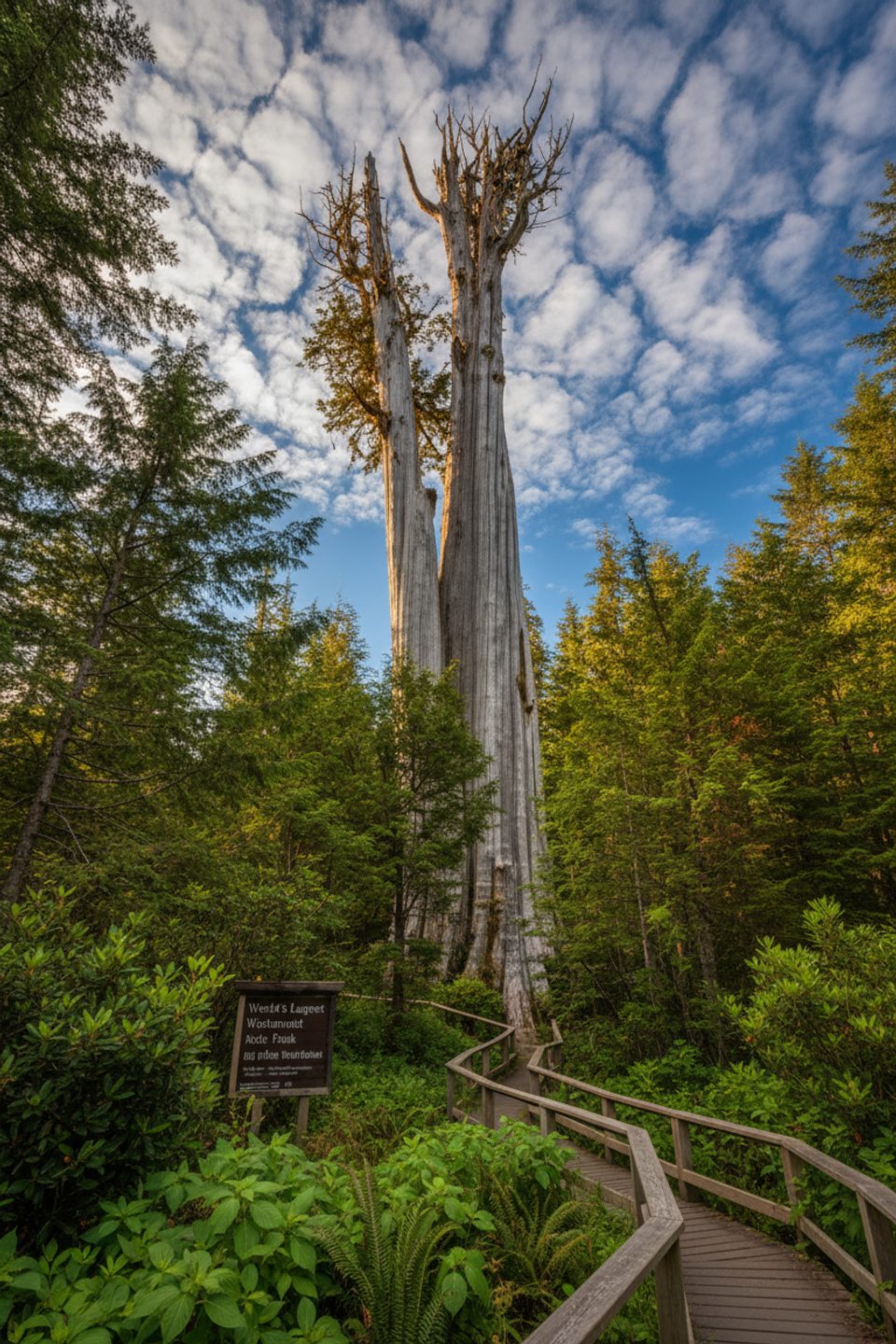
World's Largest Western Red Cedar

A storm-split giant cedar just minutes off Highway 101
World's Largest Western Red Cedar, Olympic National Park
InsideOlympic National Park

Why go

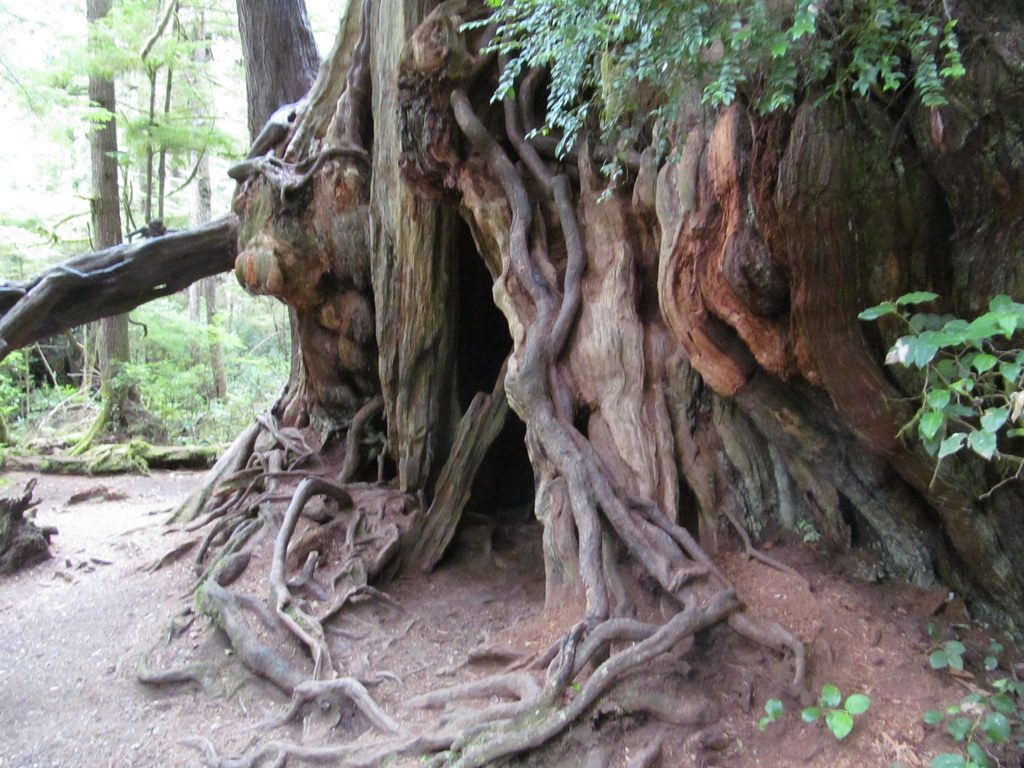
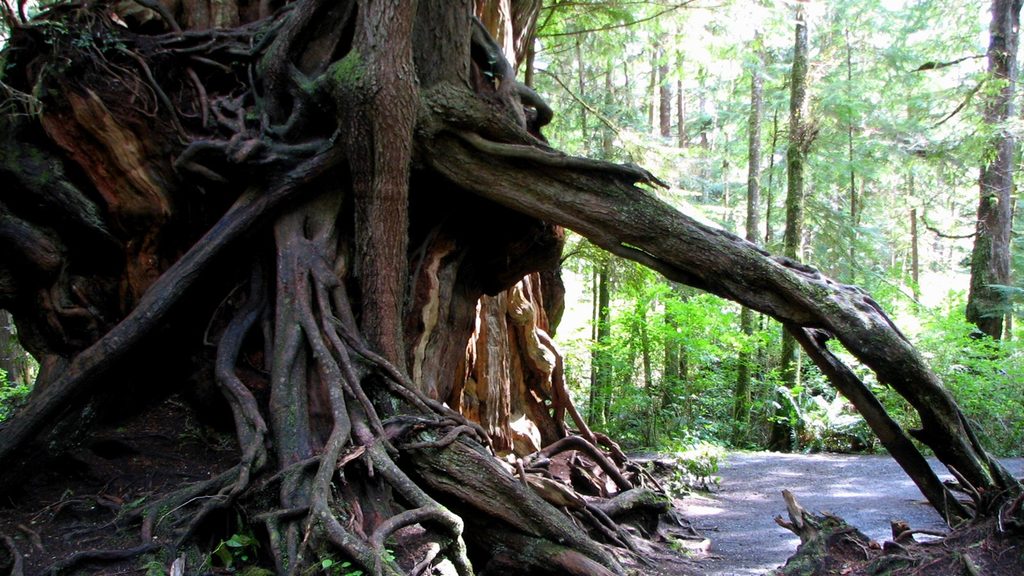
This is the park’s easiest big-tree win: a colossal, centuries-old western red cedar just a short stroll from the car. Even split from a 2014 storm, the girth and presence are outrageous, and it’s a great snapshot of coastal rainforest life (and afterlife).

What you’ll see

  • A hulking cedar that was once among the species’ largest, estimated around 1,000 years old and originally over 175 feet tall with nearly a 20-foot diameter.
  • The tree now functions as a nurse log—new plants sprouting from the fallen wood—so you get a front-row look at forest succession.
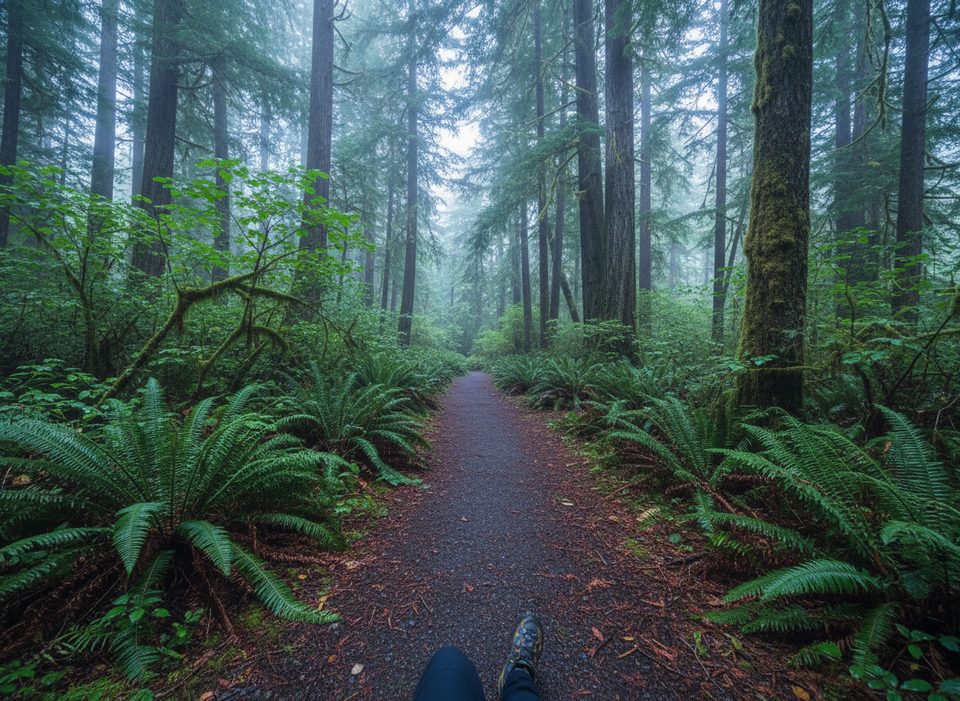
  • A small grove of other ancient red cedars and classic moss-draped understory.

Getting there & the walk

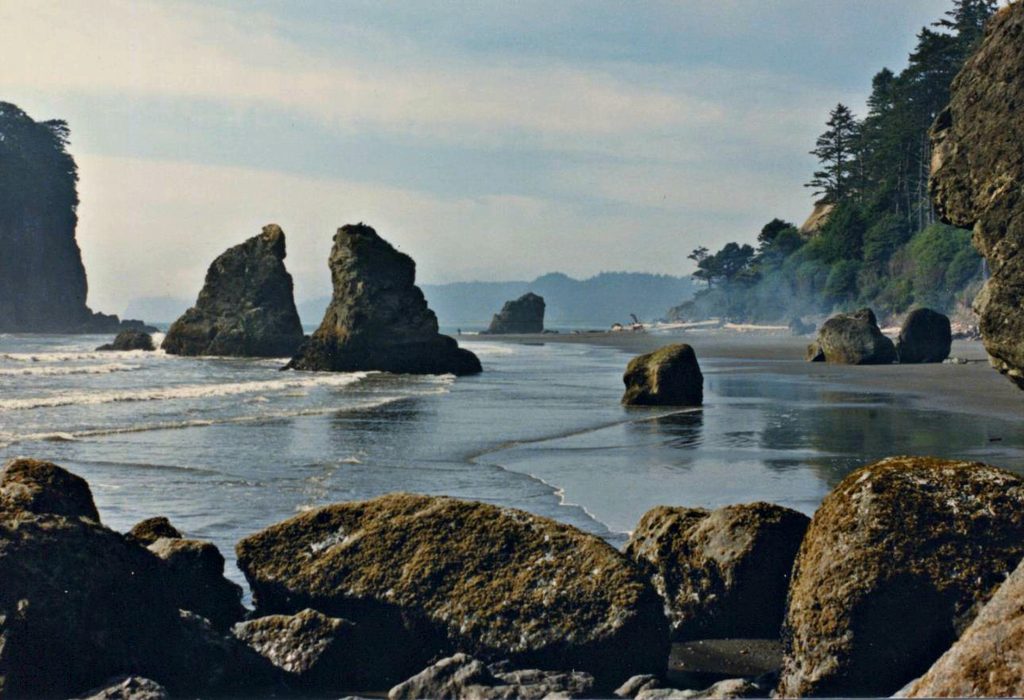
Look for the brown “Big Cedar Tree” sign off US-101 between Ruby Beach and Beach 4 near Kalaloch. A short spur leads to a small parking area, and from there it’s only a few hundred feet on a simple path to the tree. Plan this as a quick stop paired with nearby beaches.

Expectation check

Despite the nickname, this is not the current world-record living red cedar—that title sits elsewhere on the peninsula. Still, it’s one of the park’s most accessible giants and remains wildly photogenic, even in its storm-split state.

Practicalities

  • The path can be muddy and rooty after rain—waterproof shoes help.
  • There are no services at the parking area (no restrooms, water, or trash cans).
  • A wide-angle lens makes photos easier; it’s tough to fit the whole trunk otherwise.

Wildlife

No spot-specific sightings are typical in reports, but these forests commonly host birds, deer, and small mammals—keep your eyes and ears open along the short path.

Best time to visit

  • Early morning or late afternoon for softer light and fewer folks.
  • It’s generally less crowded than the park’s headliner stops, but summer weekends see more drop-ins.
  • Year-round is fine; expect wetter, muddier conditions in fall and winter.

Pros

  • Massive, ancient cedar reached by a very short, easy path
  • Quick signed detour off US-101 near Kalaloch with on-site parking

Cons

  • Split and partially collapsed since a 2014 storm
  • Trail can be muddy and there are no restrooms

Tips

  • Watch for the brown “Big Cedar Tree” sign between Ruby Beach and Beach 4.
  • Wear waterproof shoes—mud is common after rain.
  • Bring a wide-angle lens to capture the full trunk.
  • There are no restrooms here—plan a stop at Kalaloch or Ruby Beach.
The Parkwolf tour guide sitting on a phone mounted in a car

Parkwolf Tour Guide

Like a tour guide in your car.

Save the places you found around Olympic, then let Parkwolf guide the drive between them.Download Parkwolf on the App Store