Parking
Use the signed Ruby Beach parking area off US 101. It holds roughly two dozen cars, with overflow along the access road, and fills early on busy summer days. Two vault toilets are by the lot.
Olympic National Park, WA
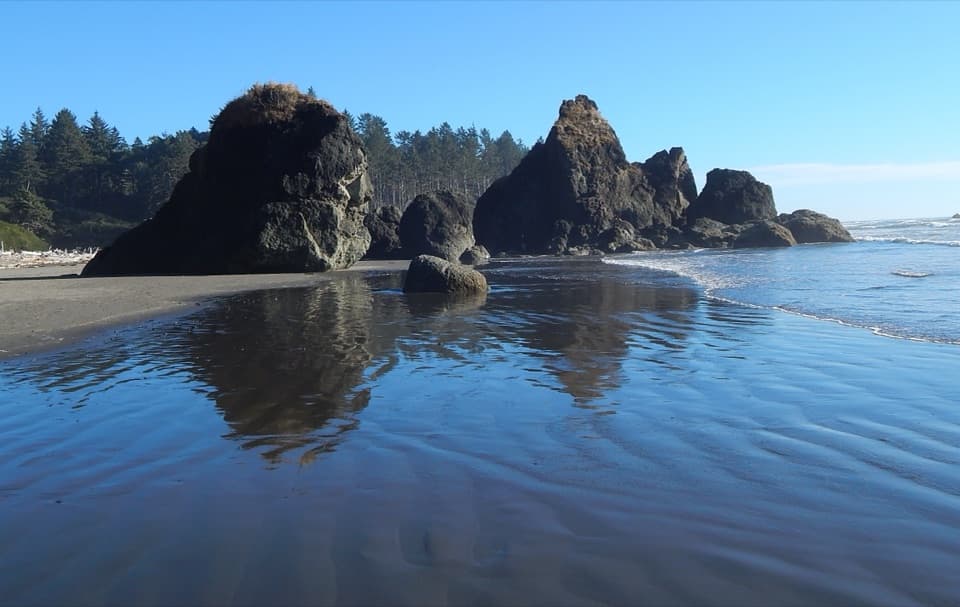
A short bluff descent to tide pools and sea stacks.
Overview
Map & elevation
Plan your hike

The highest, rockiest slopes around here are a summer buffet for grizzly bears.
Olympic Tour Guide
Parkwolf is a GPS audio tour guide for Olympic National Park. As you drive, it chimes in with what’s ahead: hidden gems, upcoming stops, history, geology, and wildlife, right through your car’s speakers.
See the Olympic audio tourRecorded for this trailhead
Ruby Beach: Stacks and Tide Pools“Ruby Beach is coming up, with sea stacks rising beyond a shore piled with enormous driftwood. I'd stop here even if you only want the ocean view from the overlook beside the parking lot.”
Plays as you drive up to this trailhead in the Parkwolf Olympic Tour Guide.
More stories near here in the app
“Fantastic app with many points of information… It’s great to just turn on while you’re driving and it gives you an audio tour of the national Park. We love it!!!!”


Trail guide
Ruby Beach Trail is a short, steep out-and-back from the signed US 101 parking area to a Pacific beach lined with sea stacks. The mapped gravel path is about 0.5 mile down and back, and the walk with a look at the landing usually takes around 30 to 45 minutes. NPS lists the descent as 0.2 mile one way on its hiking page and 0.1 mile to the beach in its accessibility entry; the winding mapped path measures about 0.25 mile. Beach walking beyond the landing adds optional distance and is not part of this route.
The compacted-gravel path drops through a few steep pitches and drainage ditches, with roots and rocks making the tread uneven. At the bottom, Cedar Creek reaches a pool beside the beach entrance. Logs shift with winter surf, and the creek or driftwood can make the final steps awkward; the landing changes over time.
The beach has no marked continuation, so choose how far to wander and leave time to return. High water can block parts of the coast, and sneaker waves are a real hazard; check a tide chart before exploring. A tide lower than one foot exposes more pools, where you may see anemones, mussels and ochre sea stars. Leashed pets are allowed on Kalaloch beaches, but keep them off tidal rocks.
Ruby Beach's jagged stacks are part of the Hoh Rock Assemblage. They include resistant volcanic and marine sedimentary rock left standing as waves wear away softer mudstone; tectonic uplift raised the coast. From the beach, frame a stack with wet sand, driftwood and surf rather than shooting only the horizon.
The lot has roughly two dozen spaces, two vault toilets and overflow along the access road; it can fill early on busy summer days. There is no confirmed drinking water or food at the trailhead. An accessible overlook sits at the north end of the lot before the steep descent, though vegetation may partly screen its view from seated height. Olympic National Park requires an entrance pass.
Wildlife
 710 sightingsOlympic MarmotMost seen around 11 AMSighting map
 30 sightingsHumpback WhaleMost seen around 6 PMSighting map
 42 sightingsGrey WhaleMost seen around noonSighting map
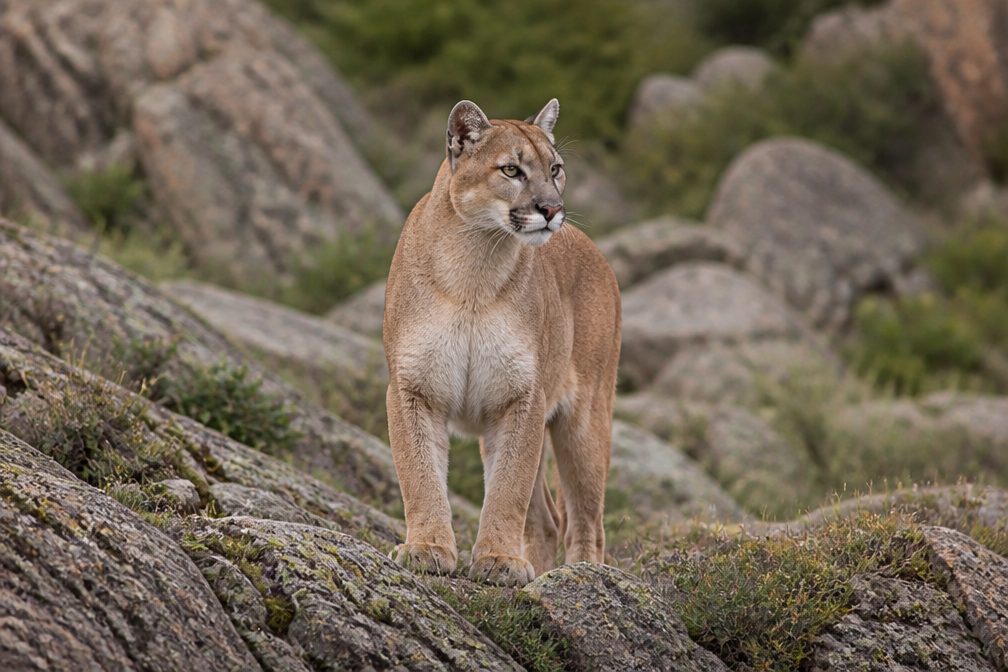 23 sightingsMountain LionMost seen around 8 PMSighting map
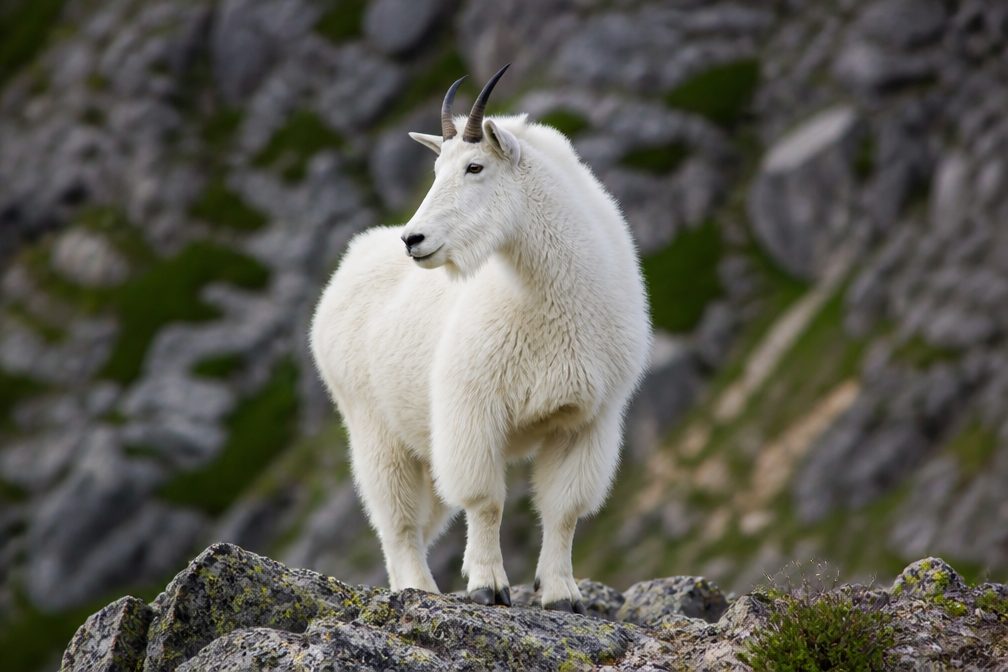 71 sightingsMountain GoatMost seen around 7 AMSighting map
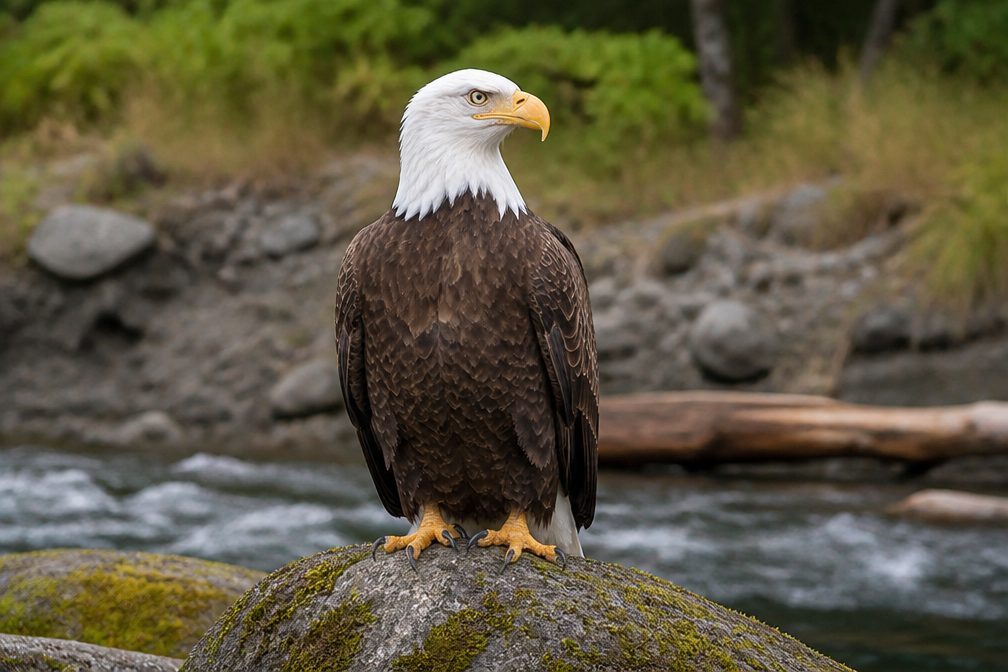 306 sightingsBald EagleMost seen around 11 AMSighting map
Sighting maps show where each species has been reported across Olympic. Wildlife moves, so no sighting is guaranteed.
Keep exploring
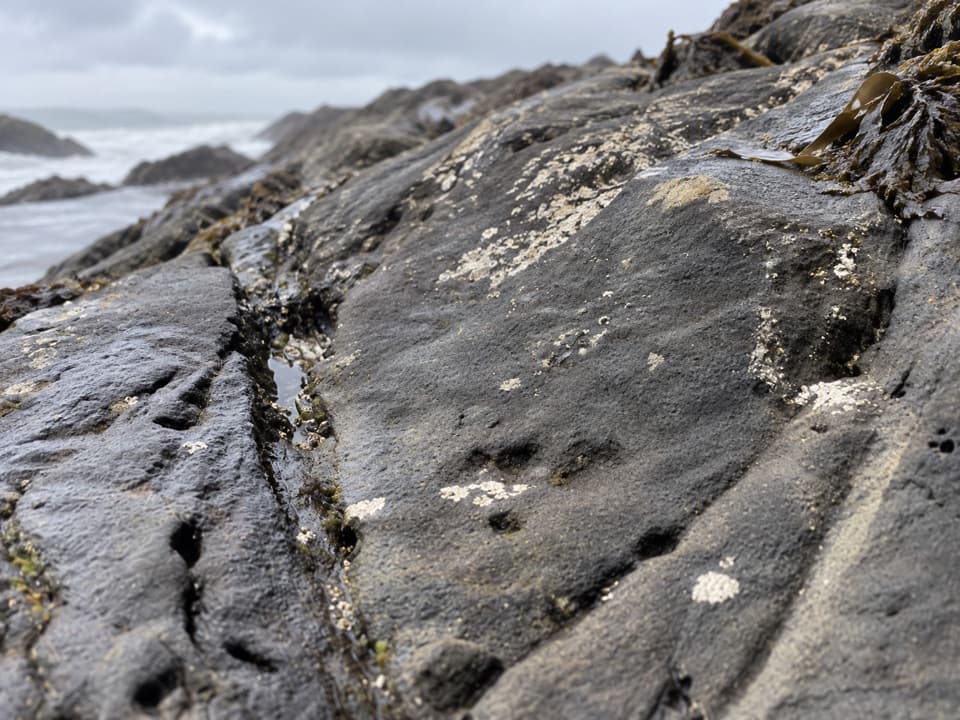 EasyBeach 6 Nature Trail0.4 mi · 21 min · 0.8 mi awayA brief forest descent to Beach 6’s rocky shore.
 EasyBig Cedar Trail (Kalaloch)0.3 mi · 20 min · 2.6 mi awayThe storm-split cedar is only the first stop on this short walk.
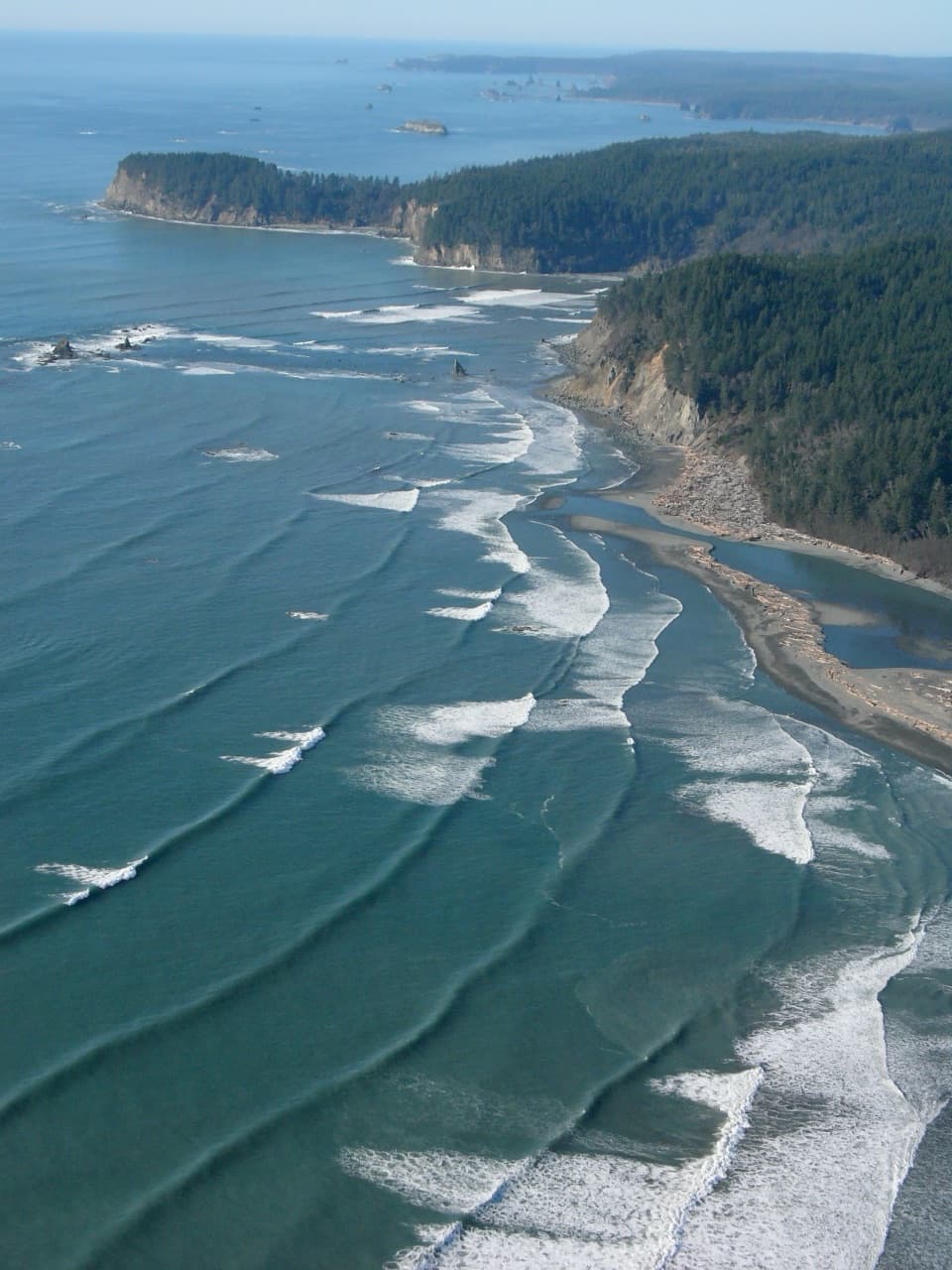 EasyOil City Trail1.2 mi · 1.5 hr · 2.7 mi awayA flat forest walk to the Hoh's driftwood-framed mouth.
 ModerateBeach 4 Trail0.4 mi · 45 min · 4.2 mi awayA stairway to Kalaloch tide pools and a rugged Pacific beach.
 ModerateBeach 3 Trail0.3 mi · 45 min · 4.9 mi awayA steep forest stairway drops to tidepools and rocky shore.
 EasyKalaloch to Browns Point Trail3.2 mi · 2 hr · 6.9 mi awayTree roots and tide pools along an easy beach walk.
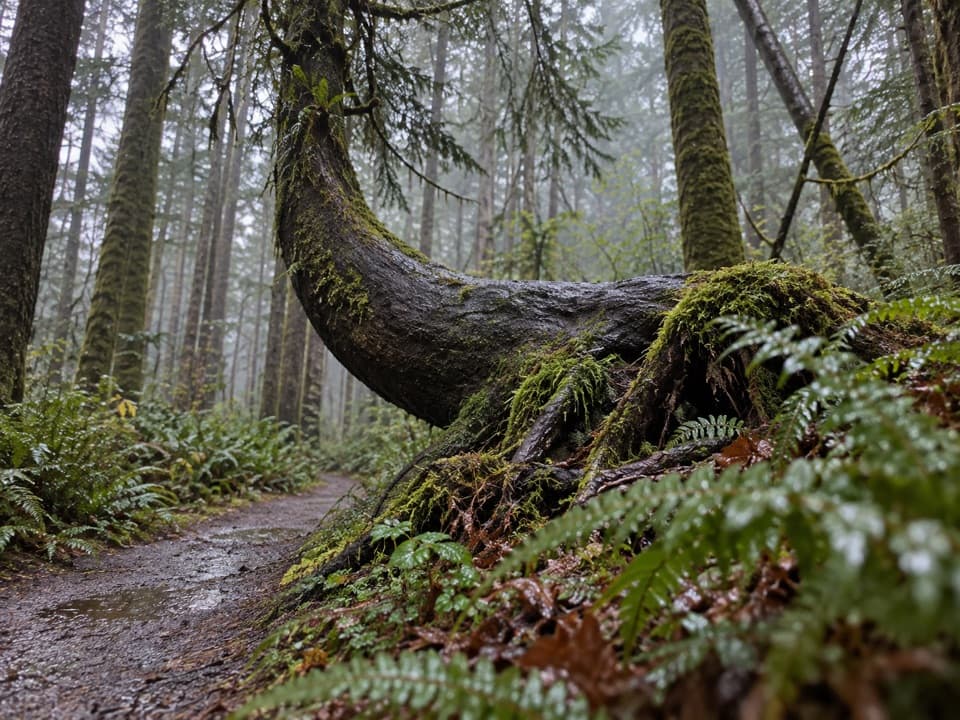 EasyKalaloch Nature Trail1 mi · 36 min · 7.1 mi awayMossy forest and a creek view on this easy Kalaloch loop.
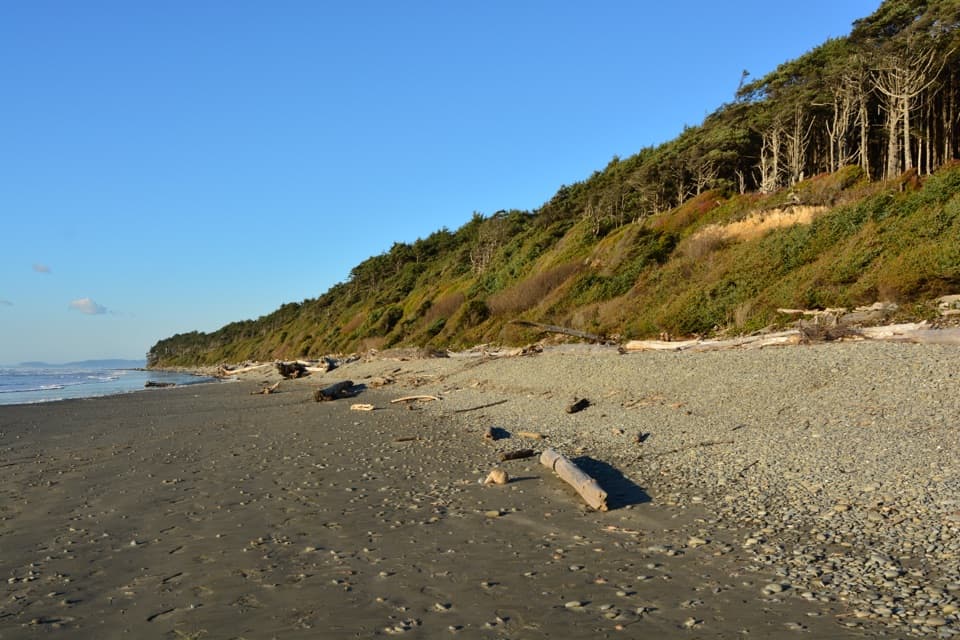 EasyBeach 2 Trail0.2 mi · 30 min · 8.5 mi awayA steep forest path drops to a driftwood-lined beach.
 Beach · At the trailheadRuby BeachSea stacks, tide pools, and driftwood make low tide worth timing.
 Scenic pullout · 1.4 mi awayBeach 6 OverlookBinoculars might earn their keep on this Pacific pull-off.
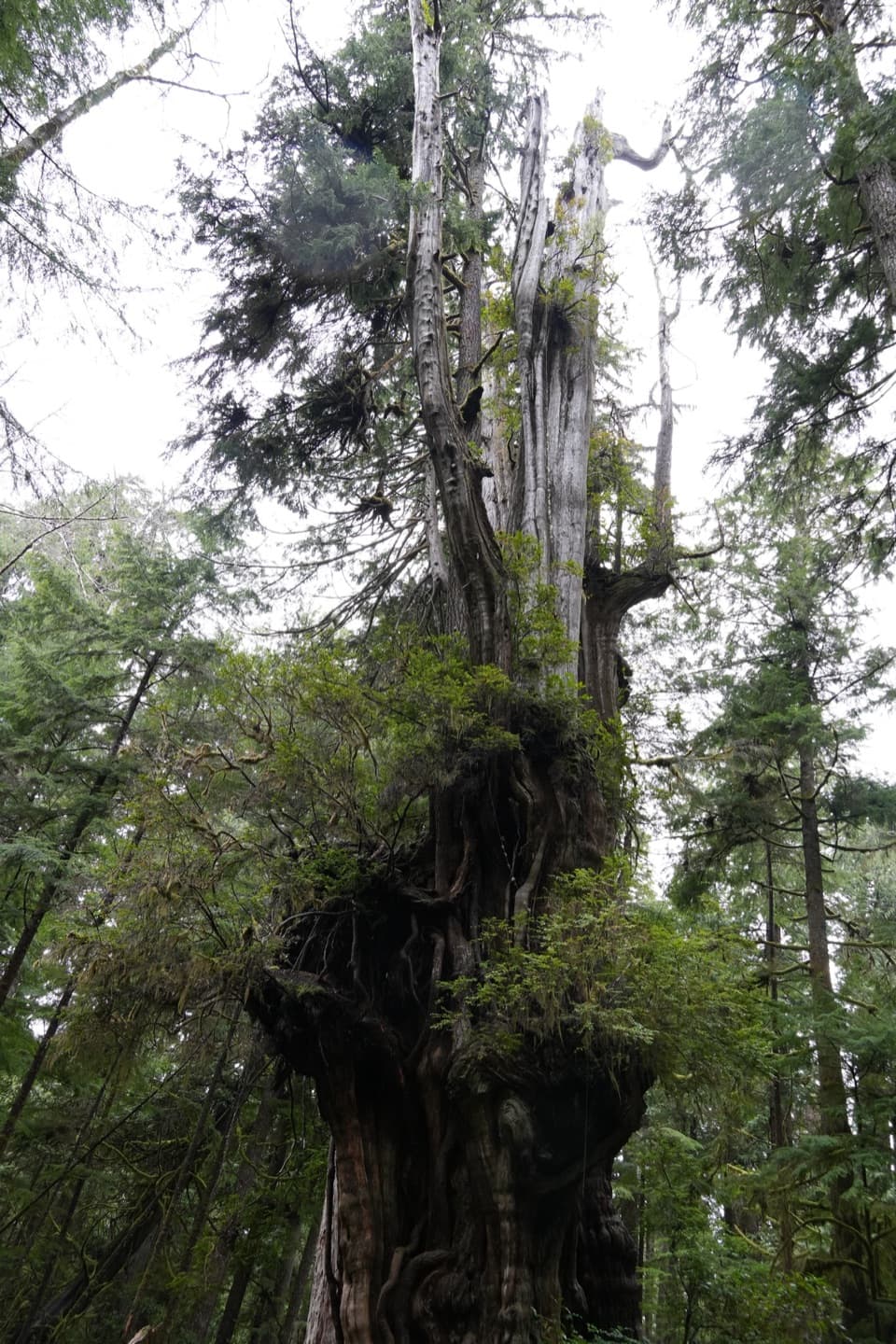 Sight · 2.6 mi awayKalaloch Big Cedar TreeA storm-split giant still towers over a pocket of coastal old growth.
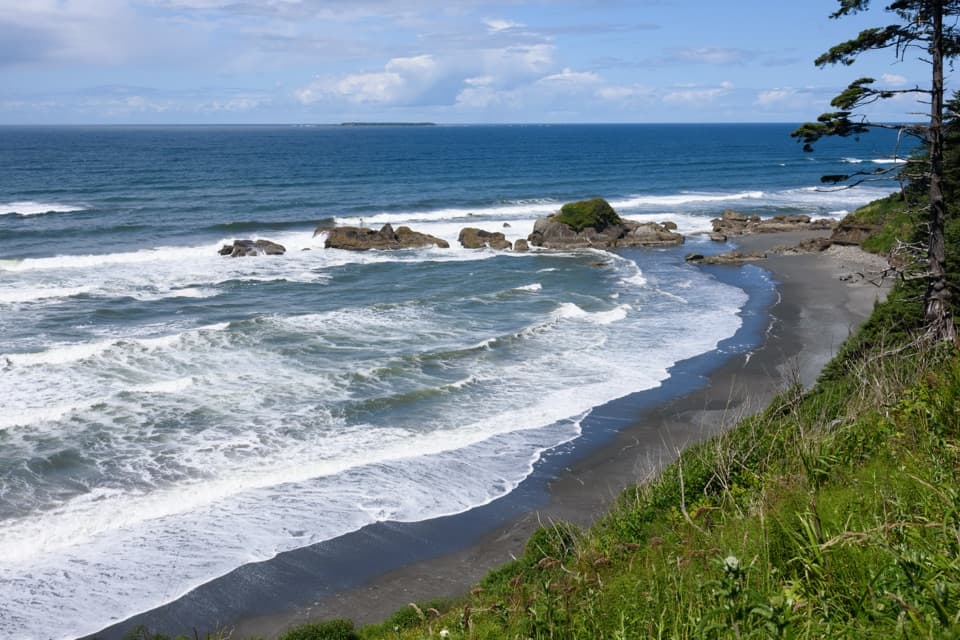 Beach · 4.2 mi awayKalaloch Beach 4Low-tide pools, sea stars and a Pacific overlookBeach · 4.9 mi awayKalaloch Beach 3Low-tide pools reward the short, steep path down to the coast.
 Sight · 6.9 mi awayTree of LifeA Sitka spruce with roots stretched above a bluff cave.
 Campground · 6.9 mi awayKalaloch CampgroundSome sites face the Pacific; others sit among the trees.
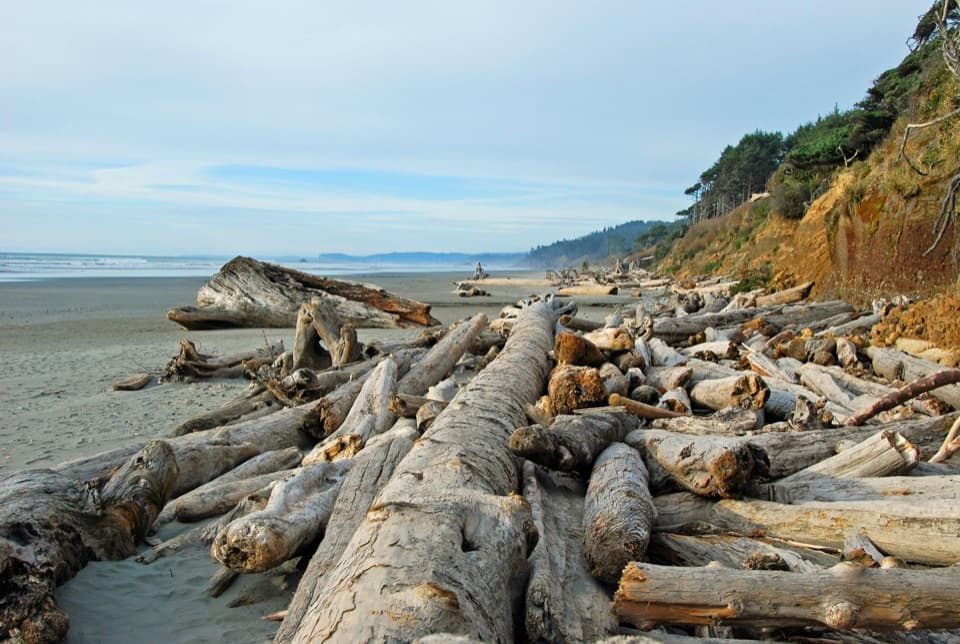 Beach · 7.1 mi awayKalaloch BeachWalk a driftwood-strewn shore and watch Pacific surf.
Parkwolf’s Olympic ranking

The audio tour guide for the drive, plus offline maps, trails, and wildlife heatmaps for when the signal drops.