
Place · 0.1 mi away
Moderate
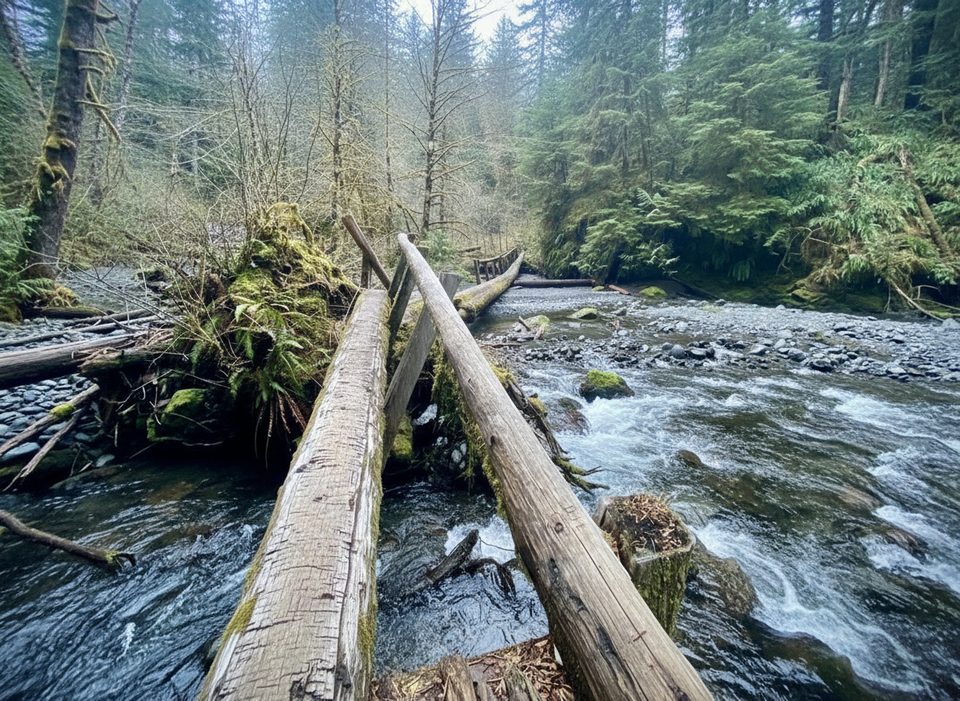
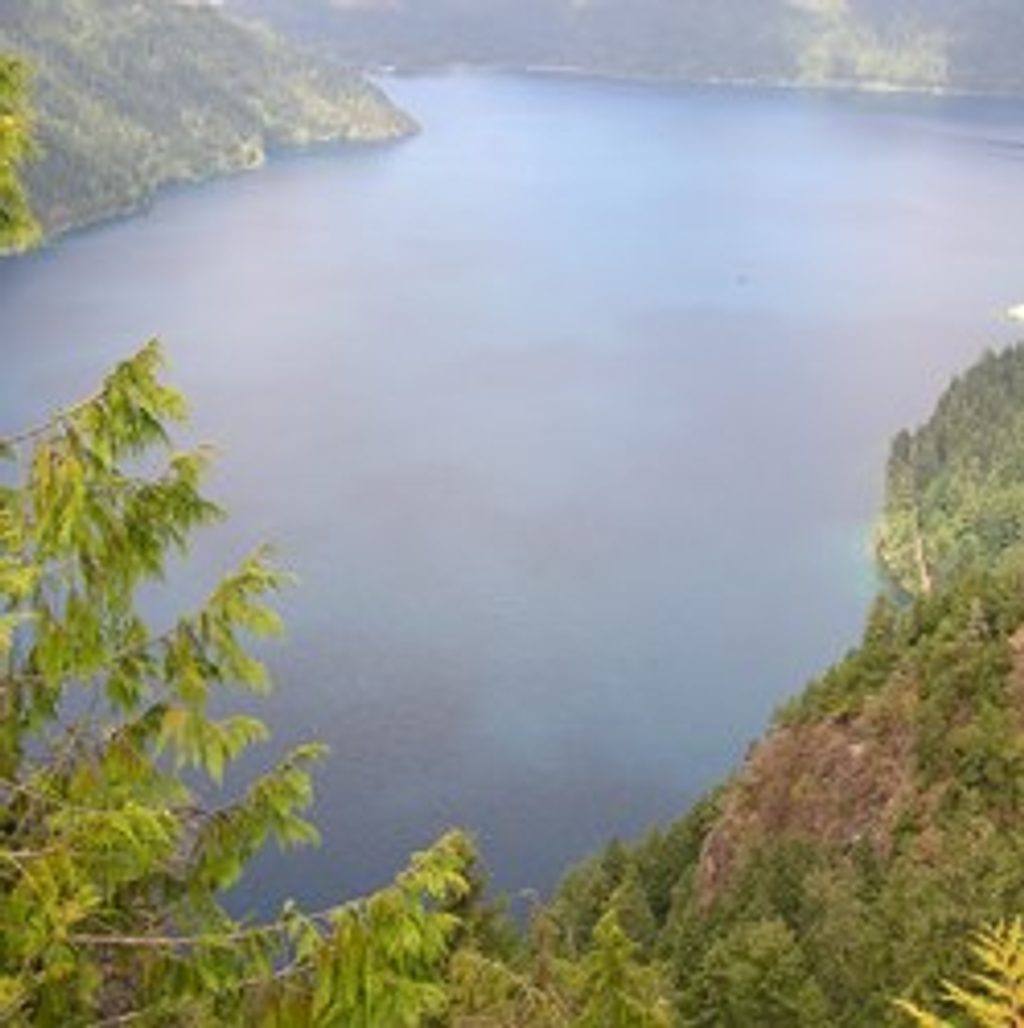
If you want to leave the Marymere Falls crowds behind without committing to a huge backcountry push, Upper Barnes Creek is your move. It’s a quiet, old‑growth corridor where the sound of the creek follows you, ferns blanket the ground, and vine maples light up in fall. Expect solitude, a primitive feel, and a rare viewpoint near the far end to break up the mostly forested ramble.
Start near Lake Crescent by the Storm King Ranger Station/Lake Crescent Lodge area and follow the Marymere Falls–Barnes Creek approach before continuing up Barnes Creek. Most hikers treat the end of the maintained trail—about 4 miles from the trailhead—as the turnaround (roughly 8.0 miles total, out‑and‑back). Beyond that point the route is described as abandoned, with only a rough path continuing along the creek.
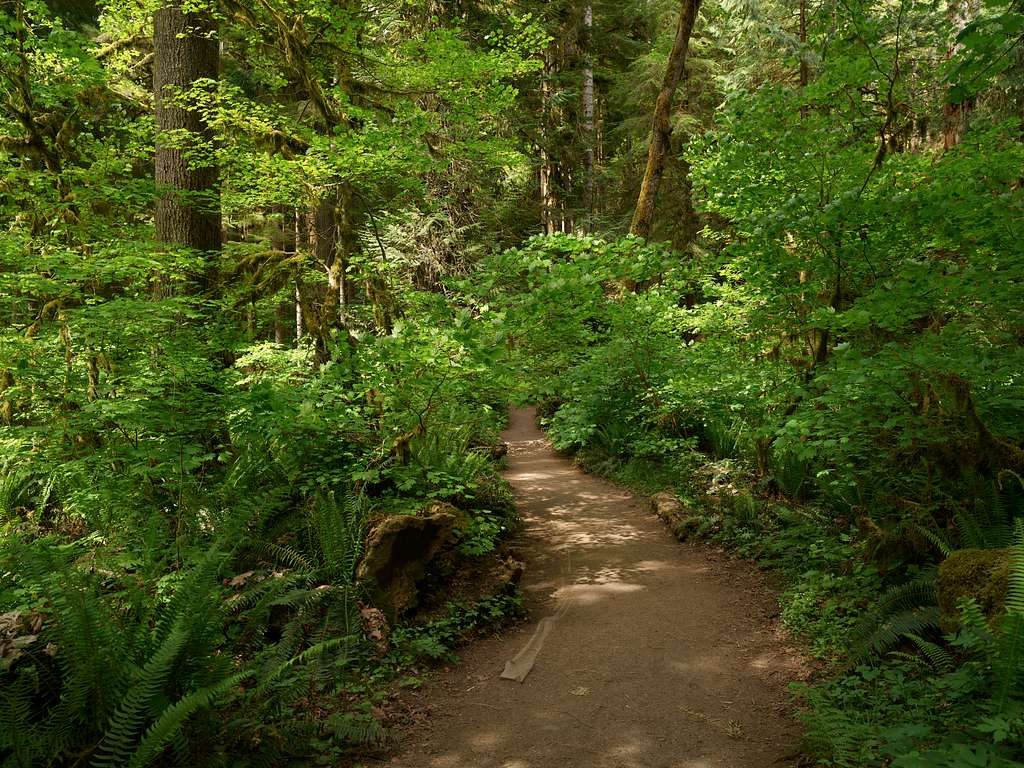
The tread is narrow, mossy, and often muddy after rain. You’ll negotiate multiple creek crossings (logs are common and can be slick), and the upper stretch can fade through meadowy sections—pay attention to the main tread. Maintenance drops off once you’re past the Marymere vicinity, but reports note generally passable travel up to the typical turnaround.
You’ll move through lush old‑growth Douglas fir and western hemlock with a thick understory of ferns and seasonal wildflowers. In spring, look for bunchberry and starflower; in summer, pipsissewa and berries; in fall, vine maples turn on the color. The valley was shaped by glacial forces, with Barnes Creek draining off Aurora Ridge toward Lake Crescent. This is the ancestral homeland of the Klallam and Quileute peoples—tread respectfully.
Bring trekking poles and waterproof boots—expect mud and the possibility of wet feet at crossings. Navigation can get fussy where the trail skirts meadows; stay on existing tread to protect vegetation. Facilities (restrooms, water) are at the trailhead only. If you just want a quick waterfall fix, turn around at Marymere Falls; if you’re after a quieter, more immersive forest hike with a wilder feel, continue up Barnes Creek.
Park at the Marymere Falls/Barnes Creek area near Storm King Ranger Station or Lake Crescent Lodge; restrooms and water are at the trailhead.
Expect slick log crossings, frequent mud, and fading/abandoned tread beyond ~4 miles; navigation can be tricky through meadow sections and crossings may be hazardous after rain or snowmelt.
Place · 0.1 mi away
Place · 0.3 mi away
Place · 0.5 mi away
Place · 0.5 mi away
Easy · 0 mi away
Moderate · 0 mi away
Challenging · 0 mi away
Challenging · 0 mi away

Parkwolf Tour Guide
