
Place · 0.9 mi away
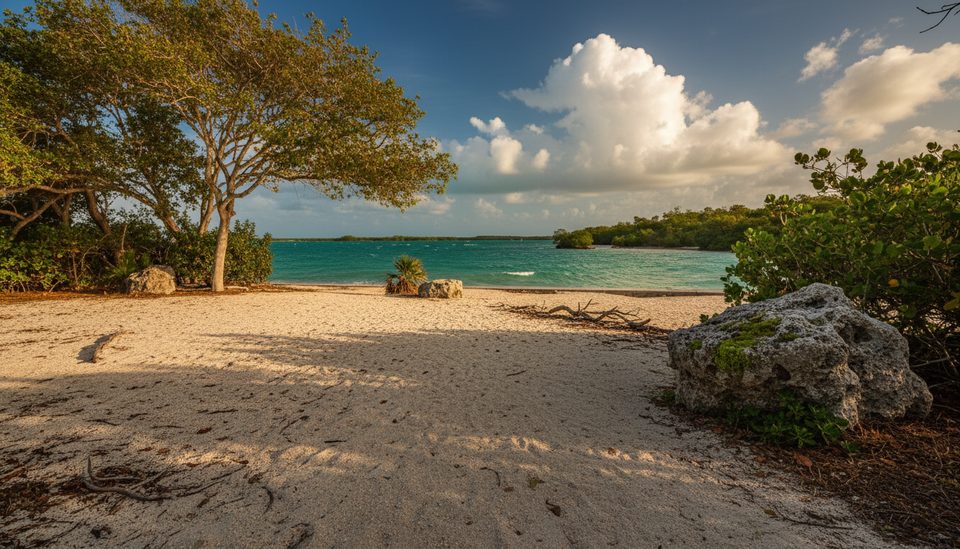
America’s first undersea state park (established 1963) protects miles of coral reef, mangroves, and tropical hardwood hammock. The reef is the star—clear water, colorful corals, and abundant marine life you can see by snorkel, scuba, or glass‑bottom boat. The park was named for conservation journalist John D. Pennekamp, whose advocacy—along with marine biologist Dr. Gilbert Voss—helped halt destructive collecting and led to the reef’s permanent protection.
Short hammock and boardwalk trails (including the Wild Tamarind, Grove, and Mangrove trails) give a land‑based taste of the Keys ecosystem. The park offers a marina, boat ramp, slips, and a full‑facility campground, plus picnic areas with grills and rentable pavilions. Facilities are clean but rustic.
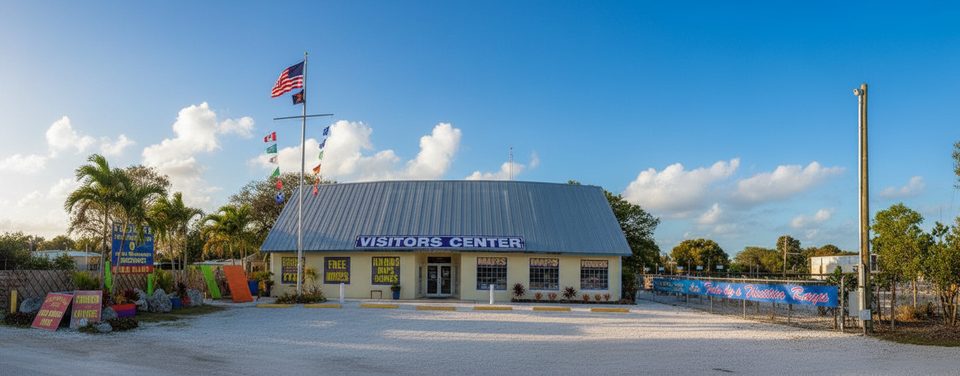
The visitor center features multiple saltwater aquariums and a small theater showing nature films. You’ll also find a PADI five‑star dive operation, rentals (snorkel gear, kayaks/canoes/paddleboards, and powerboats), and free 24‑hour Wi‑Fi around the concession and dive shop buildings.
Fishing is allowed in designated areas following state regulations; a saltwater license is required. Spearfishing and collecting tropical fish within park waters are prohibited. Treat coral with care—no touching or standing—use reef‑safe sunscreen.
Expect schools of reef fish and the occasional ray or turtle on reef trips. In the mangroves, look for wading birds and fish hunting in the roots; quiet paddles are best for sightings.
Aim for early morning on weekdays for calmer seas, clearer water, and lighter crowds. Midday—especially weekends and holidays—gets busiest. If wind picks up or seas look choppy, pivot to paddling or the glass‑bottom boat. Park hours are roughly 8 a.m. to sunset; buildings operate during the day.
Place · 0.9 mi away
Place · 1.1 mi away
Place · 1.6 mi away
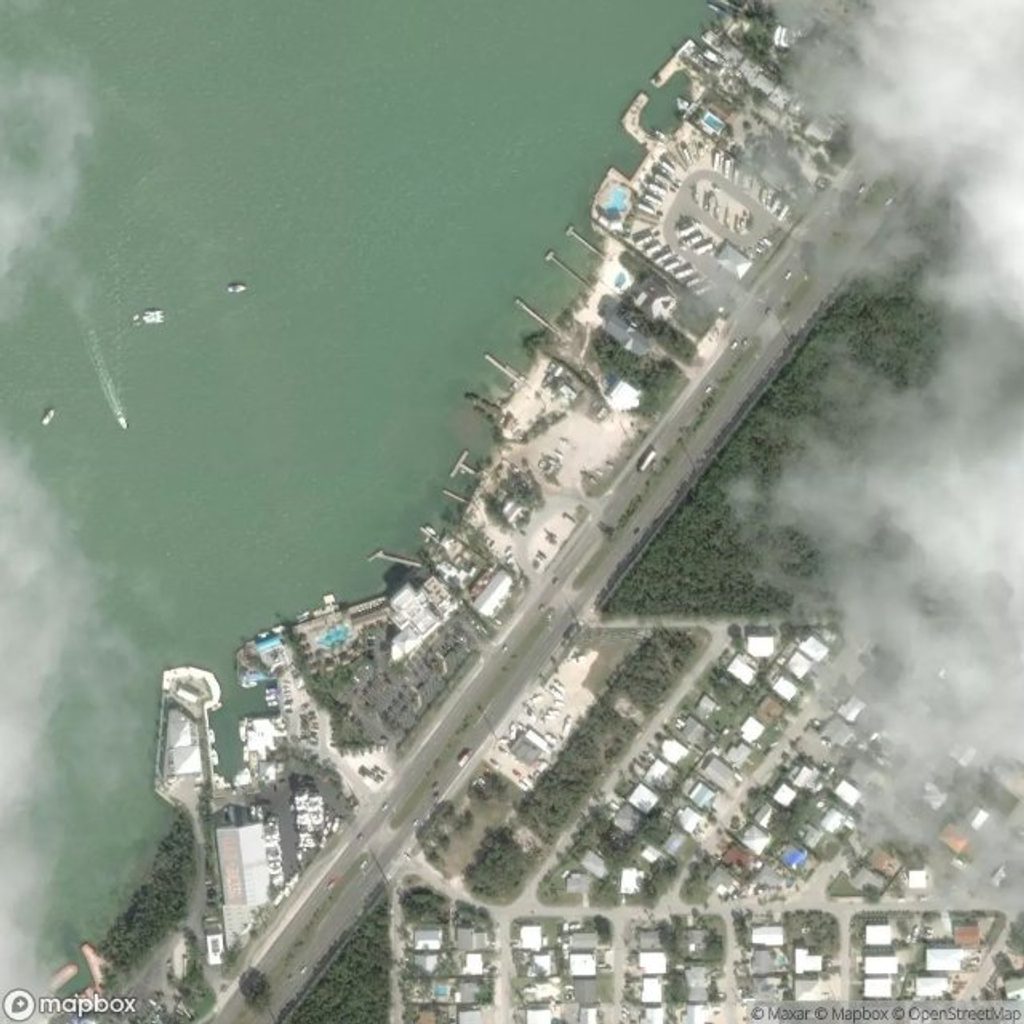
Place · 1.6 mi away

Moderate · 0.7 mi away
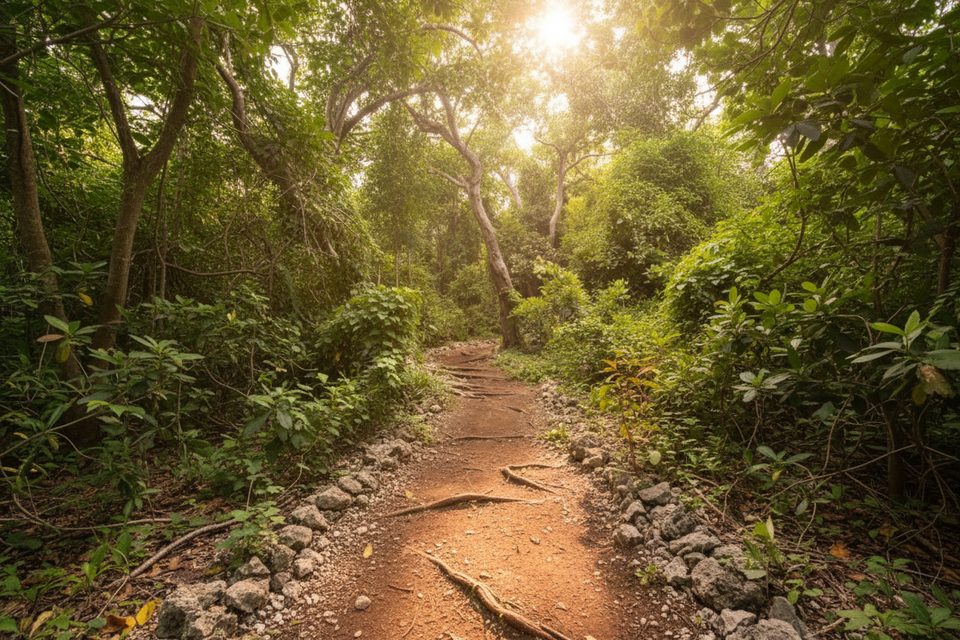
Easy · 2.9 mi away
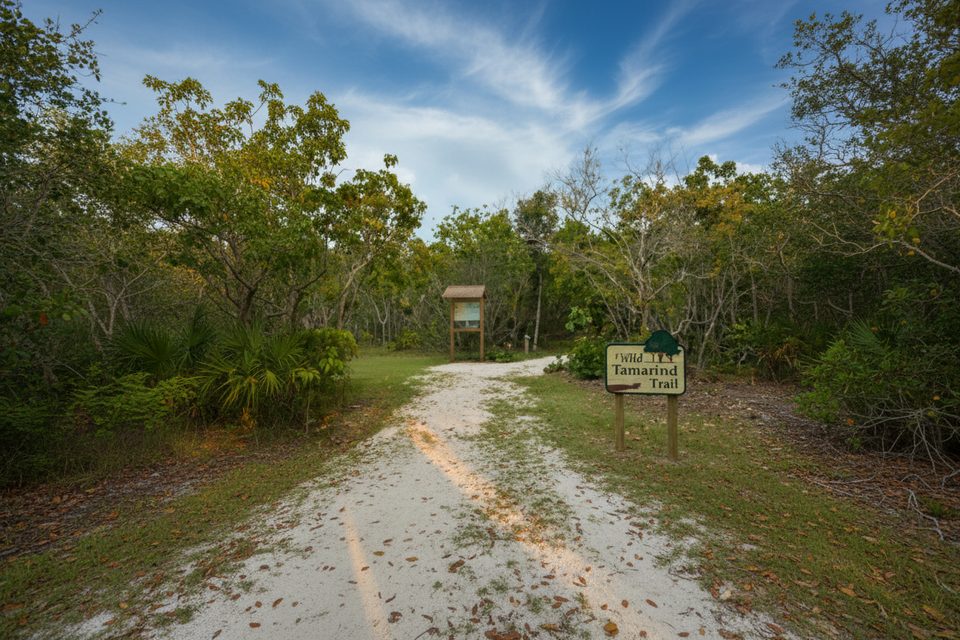
Easy · 2.9 mi away
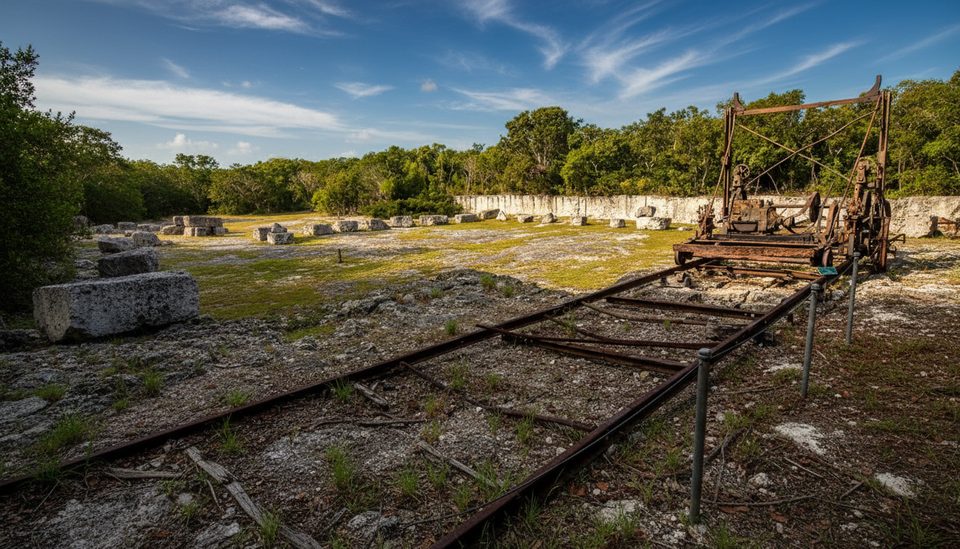
Easy · 19.5 mi away

Parkwolf Tour Guide
