Place · 0.1 mi away
Easy

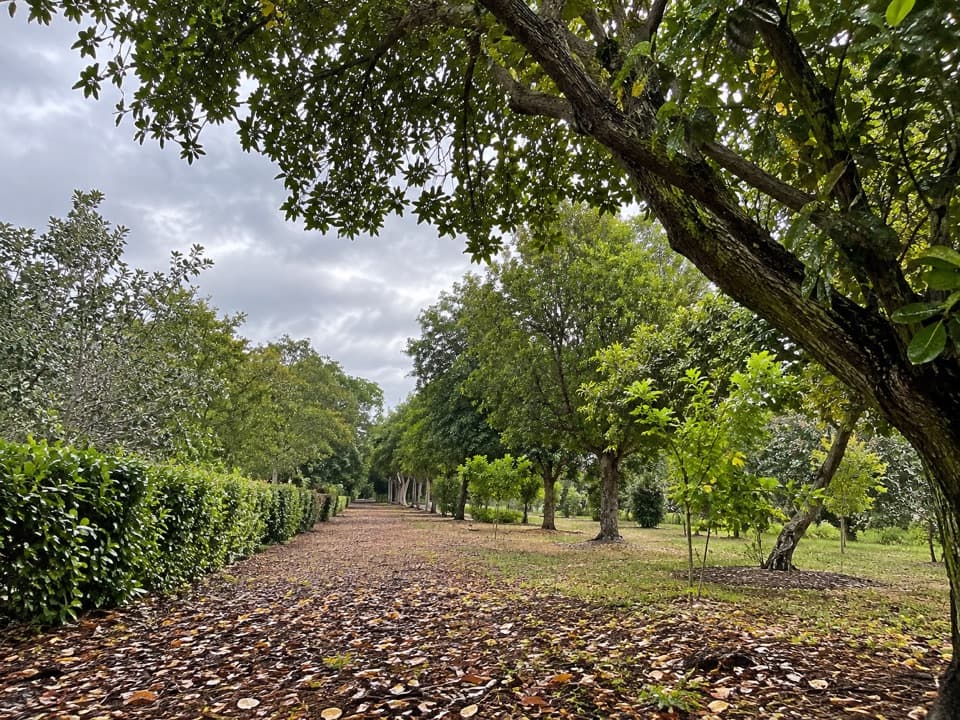
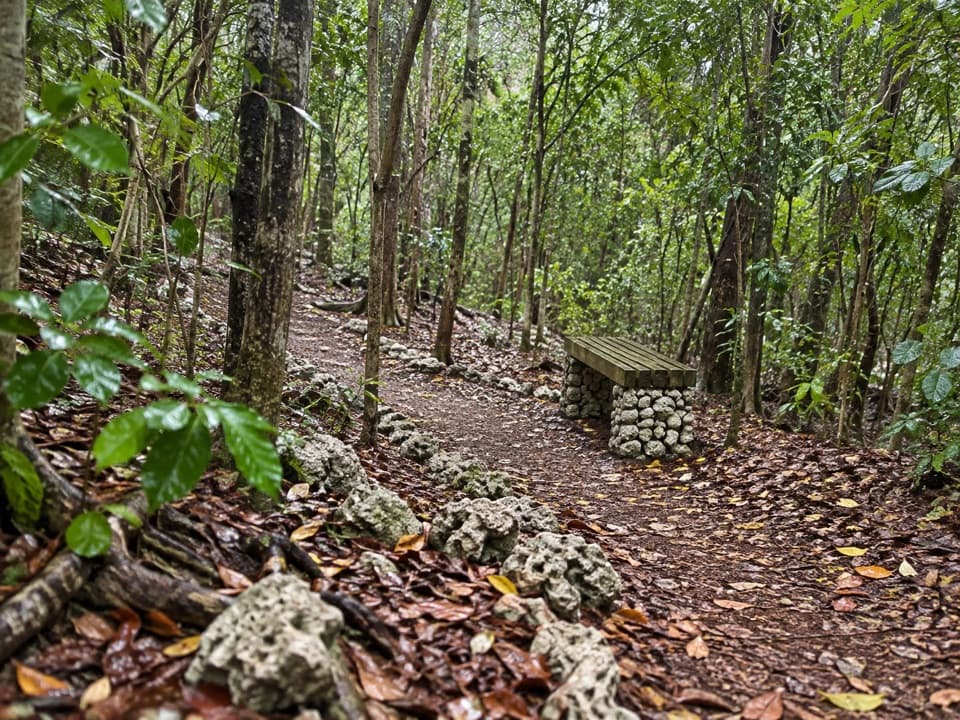
This is a short, interpretive loop through a tropical hardwood hammock on the ocean side of the Overseas Highway at mile marker 102.5 in Key Largo. At just about 0.3 miles total, it’s more of a nature stroll than a hike—but it’s a concentrated dose of Keys ecology. Expect dense shade, labeled trees, and a surprising coral limestone surface underfoot.
The path threads through a rare Keys hammock featuring wild tamarind, gumbo‑limbo, Jamaica caper, mastic, crabwood, and more—all called out by trail‑side signs. Scan smooth trunks for colorful Liguus tree snails, and look overhead for white‑crowned pigeons and other resident birds. Underfoot, you’re walking on jagged coral bedrock pocked with “solution holes” carved by slightly acidic rain.
It’s easy and family‑friendly, but the footing is uneven and sharp in spots. Closed‑toe shoes beat sandals here. Bicycles aren’t allowed. Leashed dogs are welcome on the trail (not on the beach). Restrooms are available at the park’s concession area. Road noise from U.S. 1 filters in, so don’t expect deep wilderness vibes.
The park is open daily from 8 a.m. to sunset. Entry fees are typically $2.50 for pedestrians or cyclists, $4.50 for a single‑occupant vehicle, and $8.50 per vehicle (2–8 people), which includes a county surcharge. The loop itself is about 0.3 miles total; plan a quick 10–15 minutes, or linger longer if you’re reading the signs.
Go early or late in the day to fit the park’s hours, enjoy cooler temps, softer light beneath the canopy, and better bird activity. Mosquitoes can be persistent year‑round; bring repellent.
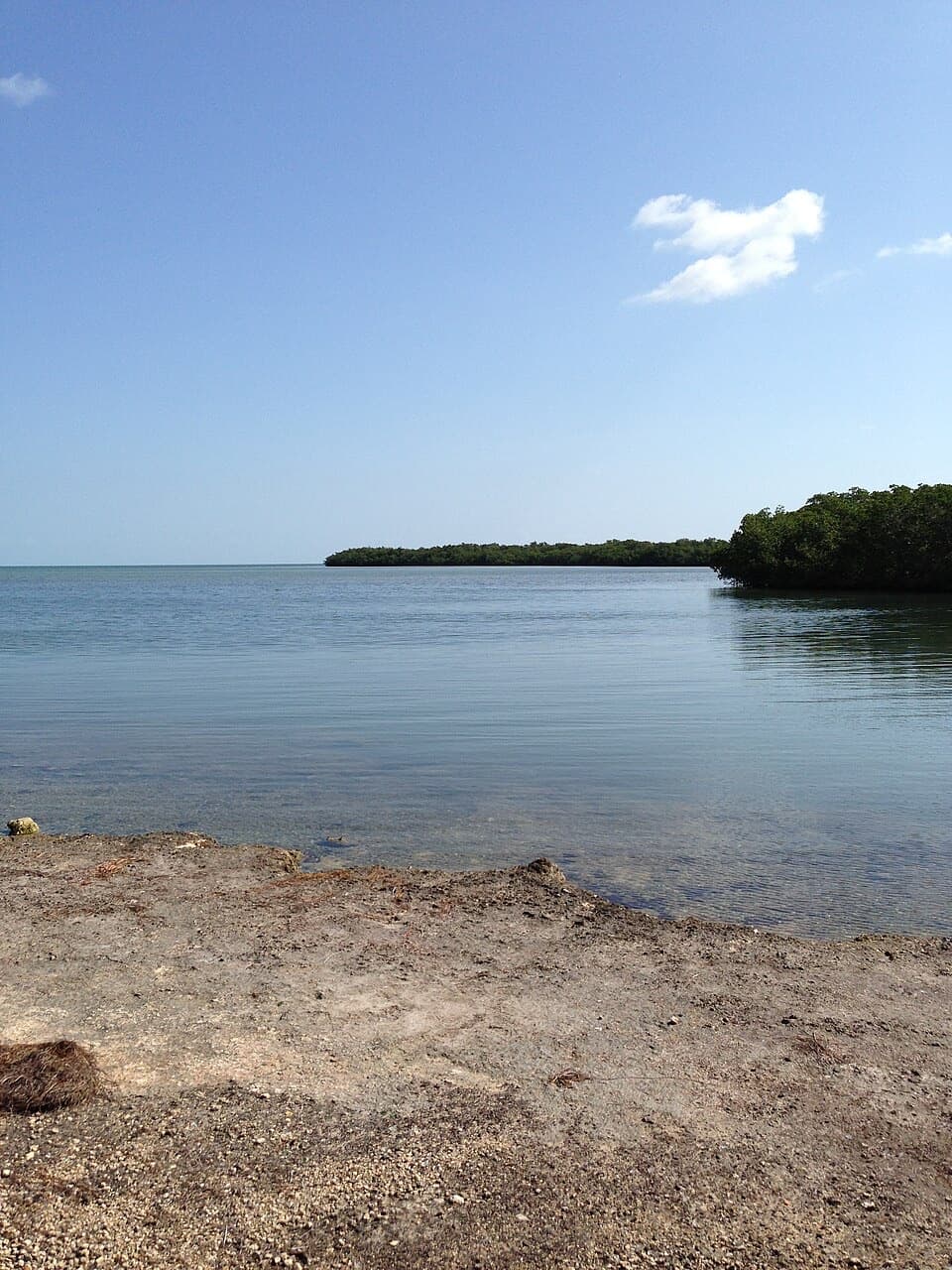
Yes—if you like botany, birds, or geology, this tiny loop packs in a lot of learning for minimal effort. If you’re after more mileage, pair it with the nearby Grove Trail or the Mangrove Trail boardwalk for a fuller sampler of upland and coastal habitats.
Enter the park at MM 102.5 (ocean side). Take the first right near the main entrance road, park by the picnic pavilion, and start at the trailhead behind it.
Stay on the marked path to avoid poisonwood; the coral limestone is uneven and sharp, and mosquitoes are common.