National Key Deer Refuge Visitor Center

Small, helpful hub for spotting wild Key deer nearby
National Key Deer Refuge Visitor Center, Overseas Highway
InsideOverseas Highway

Overview

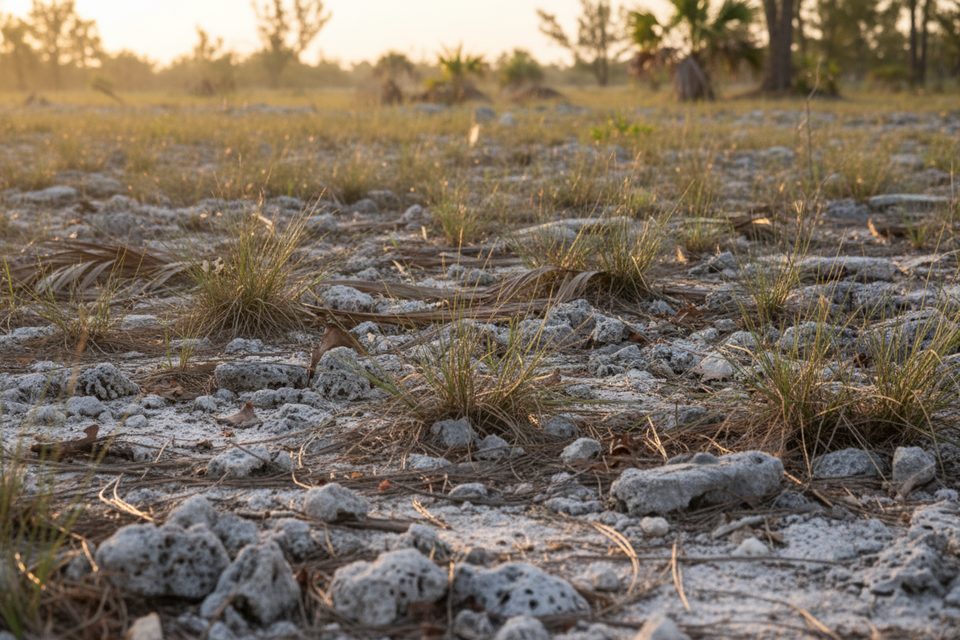
This compact, well-run nature center on Big Pine Key is the smartest first stop for exploring Key deer country. Inside, friendly staff help you zero in on where deer are moving, which trails fit your day, and how to make the most of shifting Keys weather. A small exhibit room sets the stage with the refuge’s habitats and wildlife, and the nature store’s proceeds go straight back to the refuges.

What You’ll Find

  • Quick orientation, maps, and current conditions from rangers/volunteers.
  • A small but polished set of natural history exhibits.
  • Restrooms and an on-site parking lot.
  • A nature store operated by the Florida Keys Wildlife Society.

How to Use It

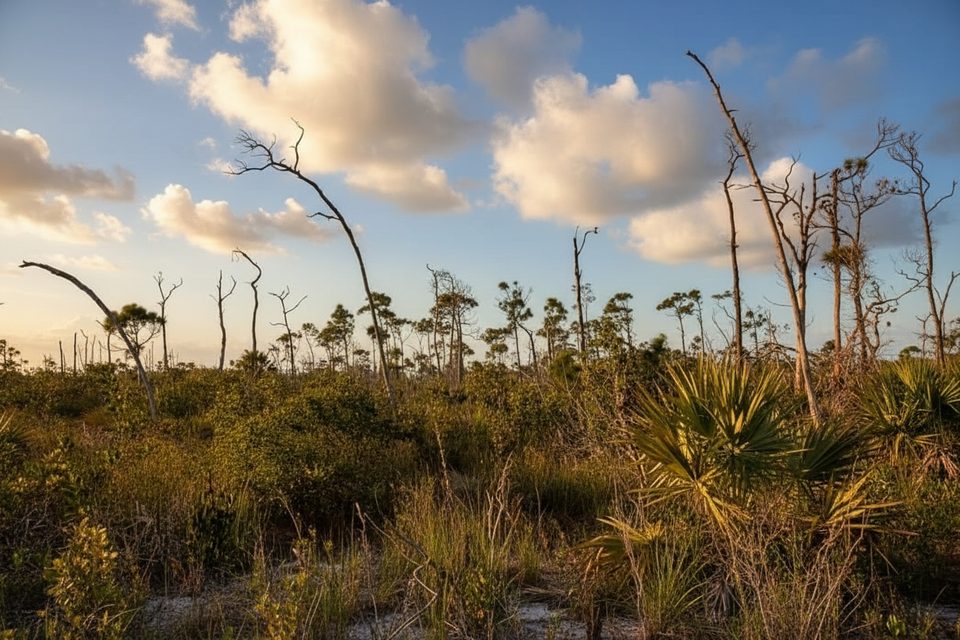
Treat the center as your launchpad, not the main event. After a short visit, drive to the nearby hotspots staff recommend that day—most people pair the center with Blue Hole and the Watson/Mannillo Nature Trails.

Nearby Highlights (easy add-ons)

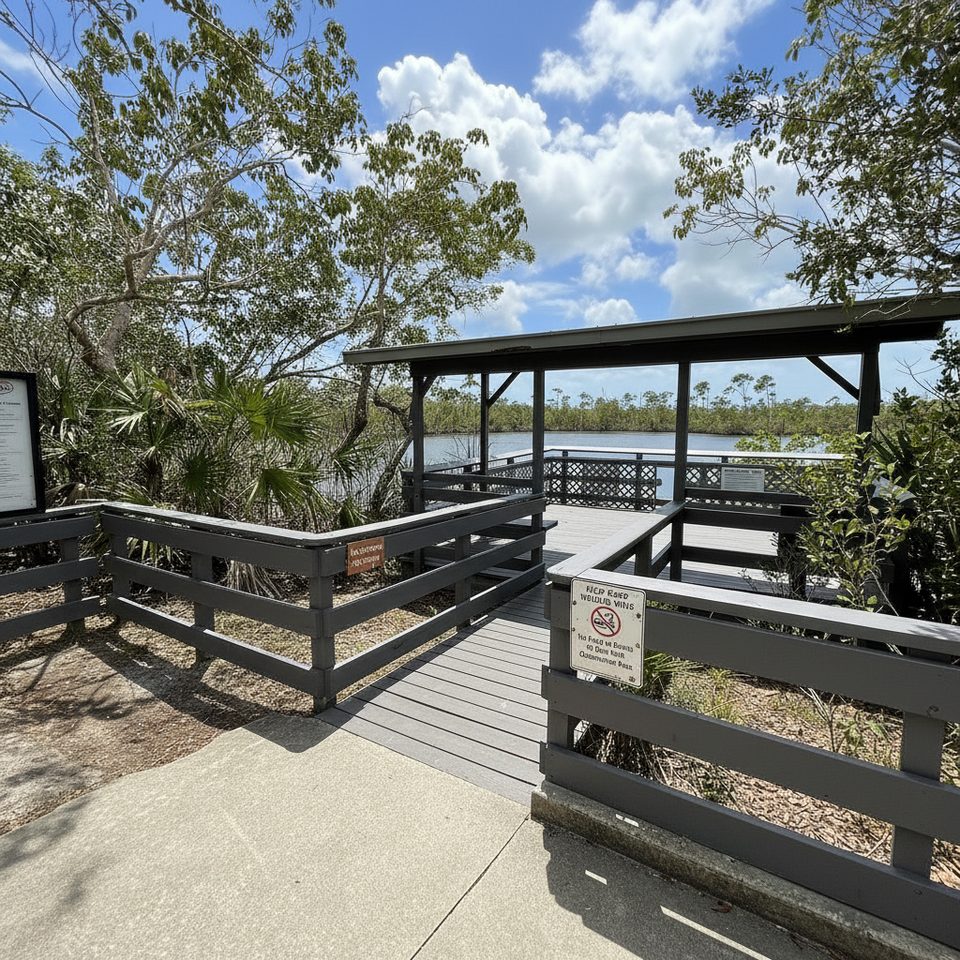
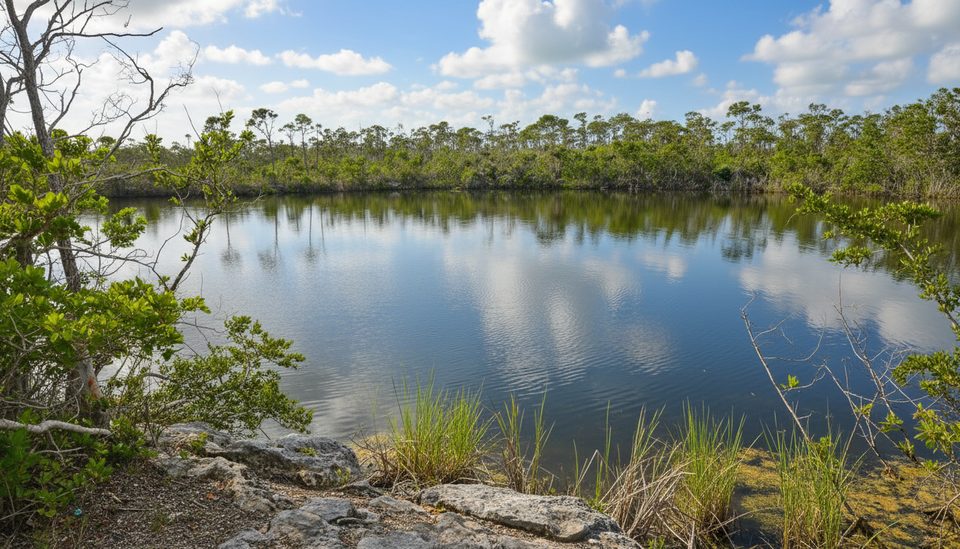
  • Blue Hole (about 3 miles north on Key Deer Blvd): Short, paved walk to an observation platform over a freshwater quarry—regular sightings of alligator, herons, anhingas, ospreys, turtles, and fish. No bikes here.
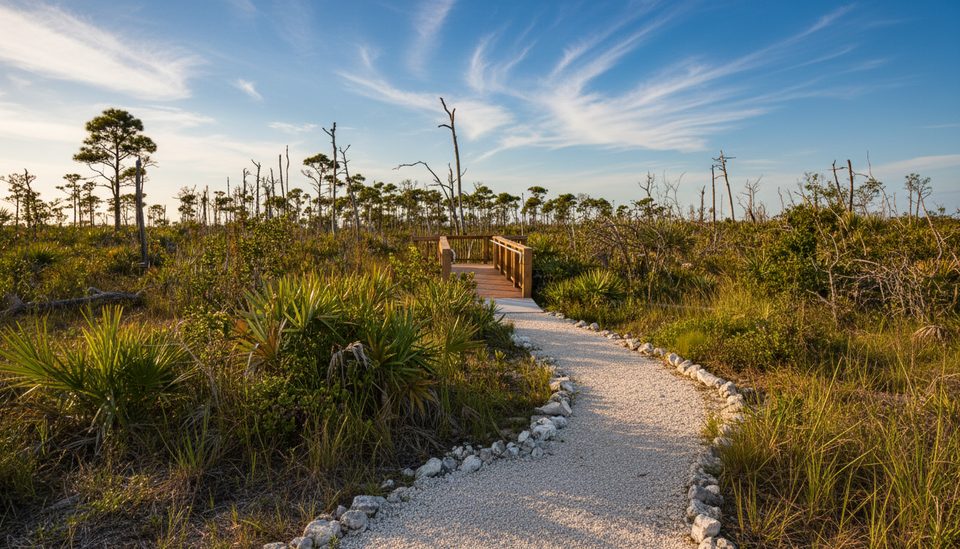
  • Mannillo & Watson Nature Trails (just beyond Blue Hole): Mannillo is an 800‑ft hardened path with benches to a wetland overlook; Watson is a 2/3‑mile loop through pine rockland, wetland, and hammock. No bikes.
  • No Name Key fire roads: Rustic, bike‑friendly tracks through hammock and pine rockland; surfaces can be rough.
  • Upper Sugarloaf Key Trail: Paved, about 1.5 miles each way for walkers and cyclists.
  • Lower Sugarloaf/Saddlebunch “End of the Road” Trail: Rustic, ~3.5 miles each way on old State Road 4A.

Best Time to Visit

The center is open Wednesday–Saturday, 10:00 a.m.–3:00 p.m. Arrive near opening to get fresh wildlife intel, beat midday heat, and then head straight to trails. Key deer activity peaks around dawn and dusk—plan your field time for those windows even though the center itself won’t be open then.

Practical Tips

  • Drive slowly anywhere from Big Pine to Lower Sugarloaf—deer cross unpredictably. Never feed them.
  • Refuge lands and trails are generally open from 30 minutes before sunrise to 30 minutes after sunset.
  • Bring water, sun protection, and bug spray; summer rains can leave sections of trail wet.

Getting There

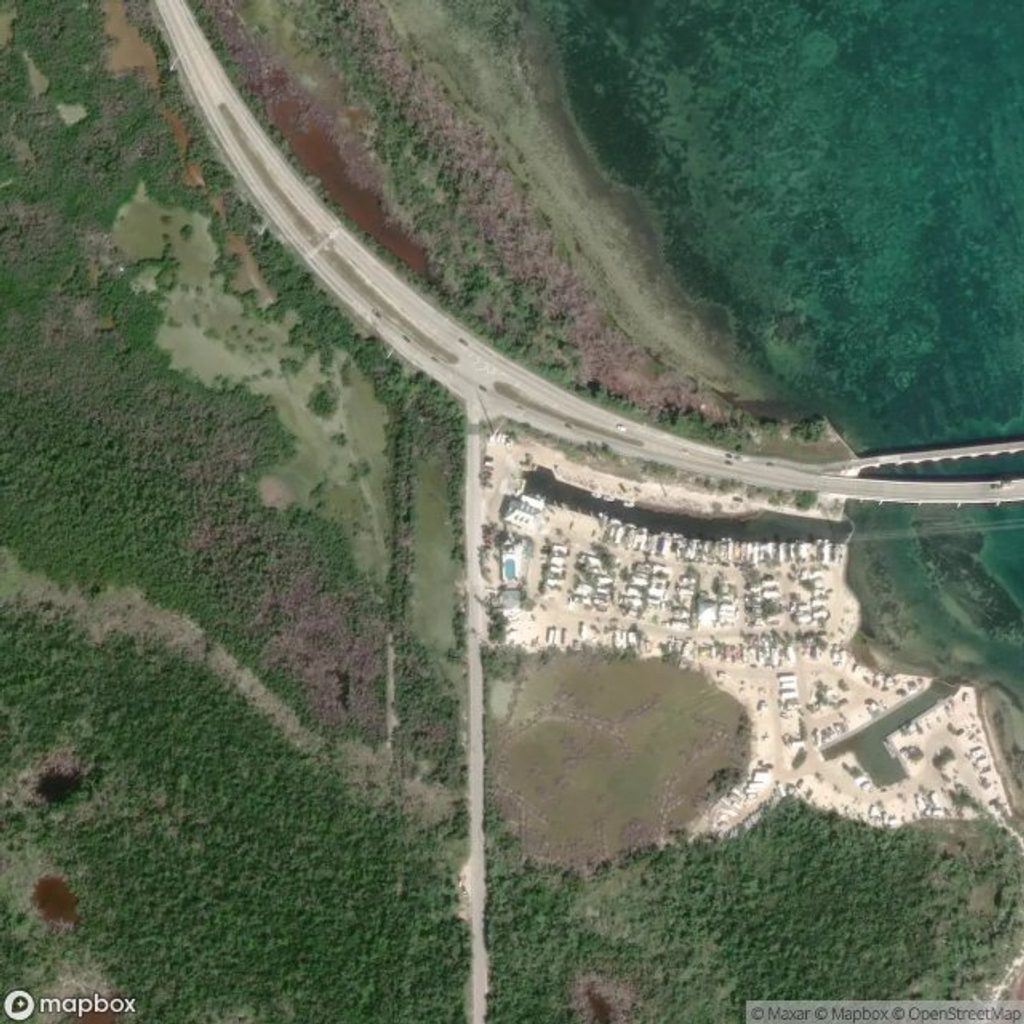
Address: 30587 Overseas Hwy, Big Pine Key, FL. From Key West, head east/north on US‑1; the center is on the left just past the island’s only traffic light. From the Upper Keys/South Florida, drive south/west on US‑1; it’s on the right just before the light.

Pros

  • Staffed by rangers and volunteers who tailor wildlife-viewing plans
  • On-site nature store supports the Florida Keys refuges

Cons

  • Short hours (Wed–Sat, 10am–3pm)
  • Small center; most sights are a drive away

Tips

  • Stop here first, then head to Blue Hole and Mannillo/Watson with fresh wildlife intel.
  • Ask staff for the day’s best roads for dusk deer viewing and where to pull off safely.
  • Bring bug spray and sun protection; some nearby trails can be hot and buggy.
  • Drive slowly on Big Pine and No Name Keys and never feed the deer.
The Parkwolf tour guide sitting on a phone mounted in a car

Parkwolf Tour Guide

Like a tour guide in your car.

Save the places you found around Overseas Highway, then let Parkwolf guide the drive between them.Download Parkwolf on the App Store