
Place · 0 mi away
Easy
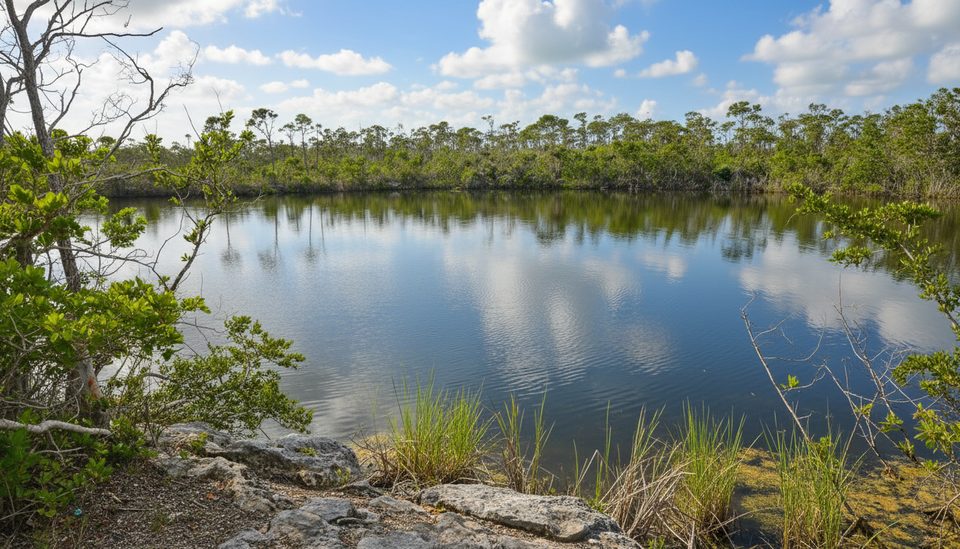
A tiny trail with big payoff, the Blue Hole Observation Trail on Big Pine Key circles a former limestone quarry that tapped the island’s freshwater lens. It’s a 0.3‑mile round‑trip, flat and easy stroll—more of a nature stop than a hike—yet it reliably delivers close looks at a unique freshwater oasis in the middle of the Florida Keys. It’s free and open daily from 30 minutes before sunrise to 30 minutes after sunset.
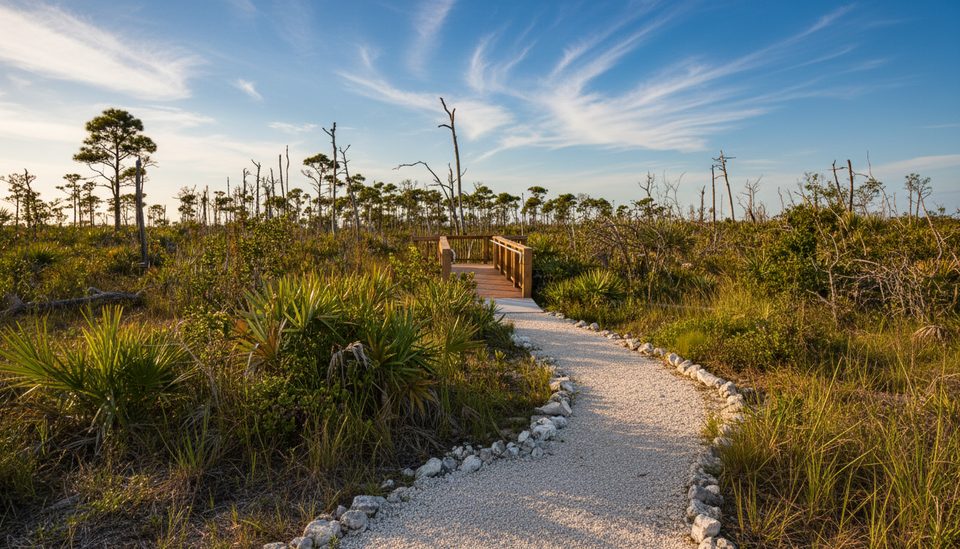
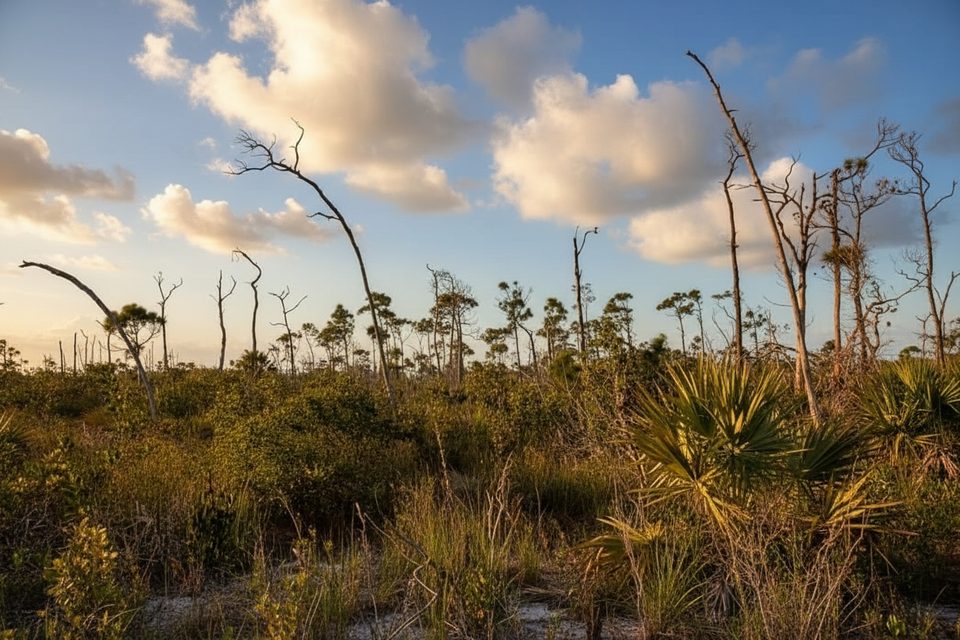
This man‑made “blue hole” became a crucial drinking source for wildlife, especially endangered Key deer. Scan the clear water for Florida softshell turtles, Florida cooters, mud turtles, and freshwater fish like bluegill and bass. Alligators are often visible from the elevated observation platform. Around the edges, watch for green herons, anhingas, ospreys, and even non‑native iguanas. The path threads tropical rockland hammock with pigeon plum, gumbo limbo, and silver buttonwood, plus a small native plant garden/arboretum.
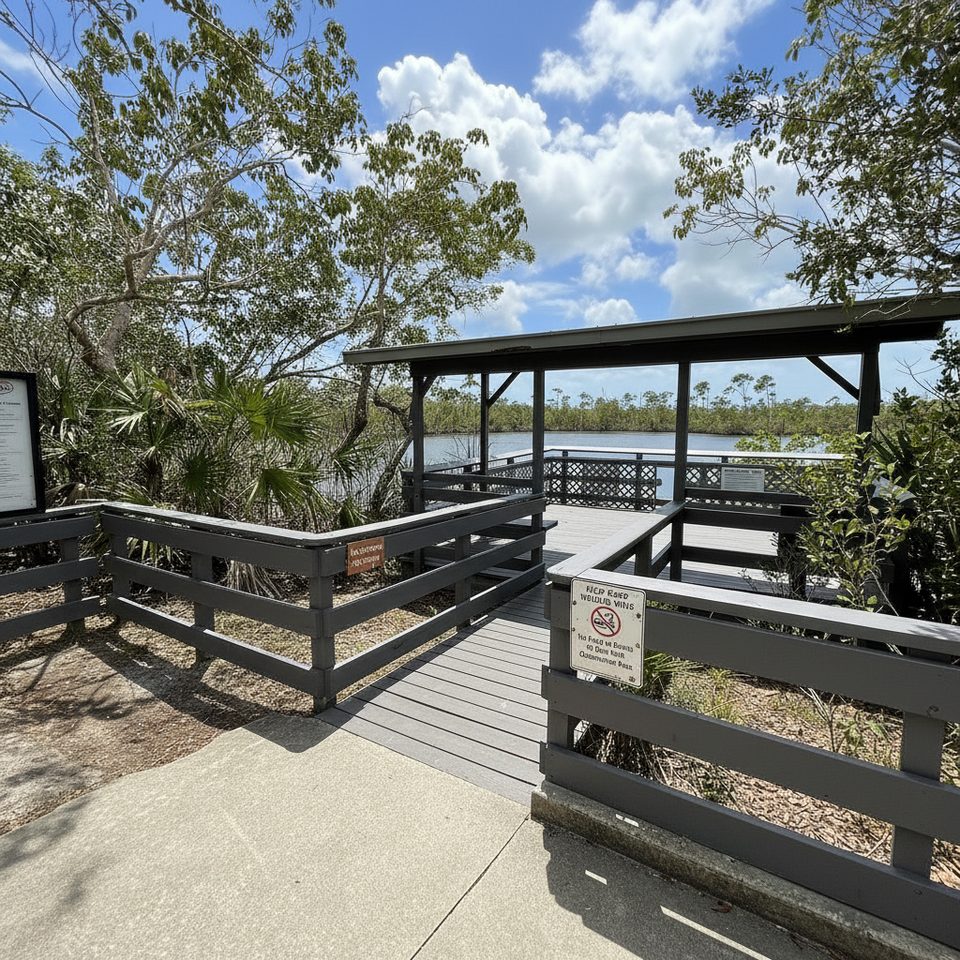
From the small parking area, a short shaded paved path leads to the main overlook, making this accessible for most visitors; the continuing path around the water is a natural surface with some limestone underfoot. Expect several open viewing spots as the footpath arcs partway around the hole before ending at a fenced “Area Closed” sign to protect deer access. There are no restrooms. Bicycles aren’t permitted on the trail (bike racks at the trailhead); pets are allowed on refuge lands but are not advised here because they can disturb wildlife. Swimming is prohibited—there are resident alligators.
Stay on the marked path and learn to recognize poisonwood; brushing against it can cause serious skin irritation. Bring insect repellent, especially in the rainy season, and carry water—shade comes and goes. Drive slowly on Key Deer Boulevard, particularly at dawn and dusk when deer are active.
Go early or late in the day for cooler temperatures, softer light, and the best chances of seeing Key deer and bird activity. Midday can be bright and hot, and mosquitoes can be fierce after rains. The site’s short length makes it an easy add to any Lower Keys itinerary.
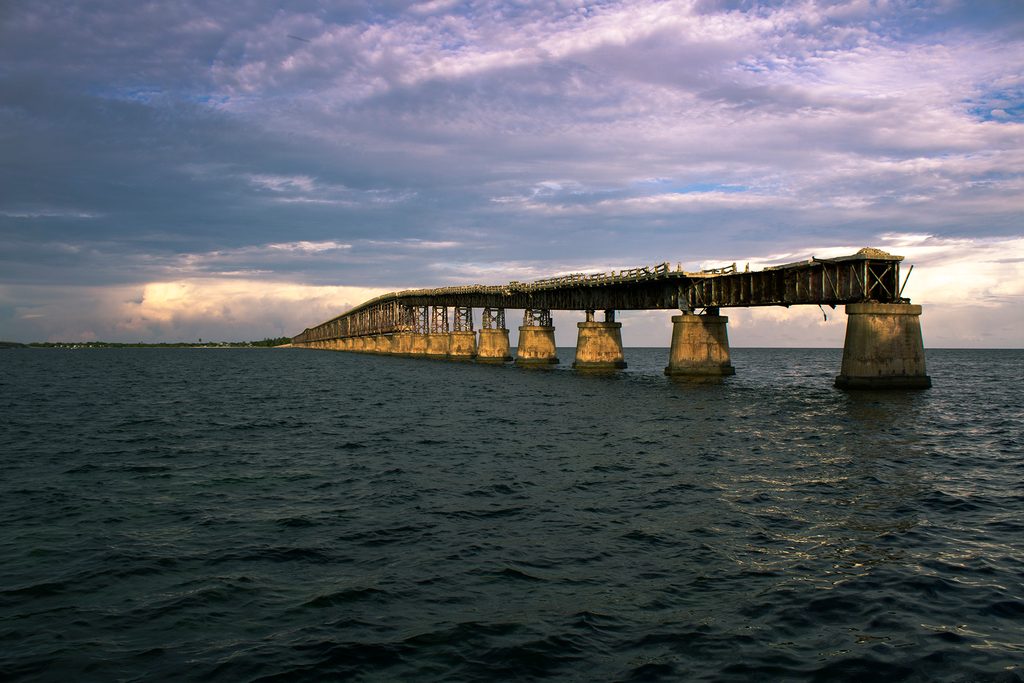
If you want a longer leg-stretcher, pair this with the Fredrick C. Mannillo Jr. Nature Trail or the Jack C. Watson Wildlife Trail in the refuge. For broader outings along the Overseas Highway, consider segments of the Florida Keys Overseas Heritage Trail or a beach-and-views stop at Bahia Honda State Park.
Small paved lot off Key Deer Boulevard about 3.1 miles from US‑1; signed turnoff on the left; bike racks at trailhead.
Do not swim—alligators present. Stay on trail to avoid poisonwood. Mosquitoes can be heavy; bring repellent. Drive slowly for Key deer crossings.
Place · 0 mi away
Place · 1.9 mi away
Place · 3 mi away
Place · 5 mi away
Easy · 0.3 mi away
Easy · 0.3 mi away
Easy · 6.8 mi away
Easy · 8.2 mi away

Parkwolf Tour Guide
