
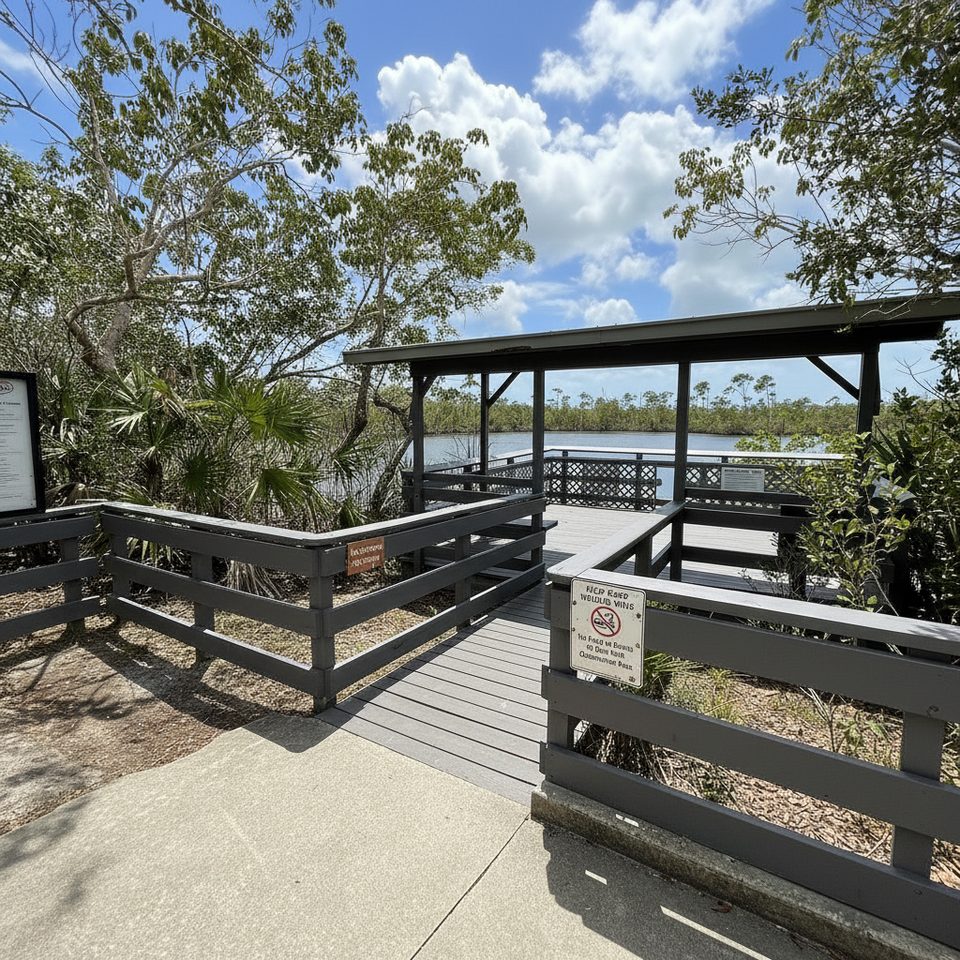
Place · 0.3 mi away
Easy
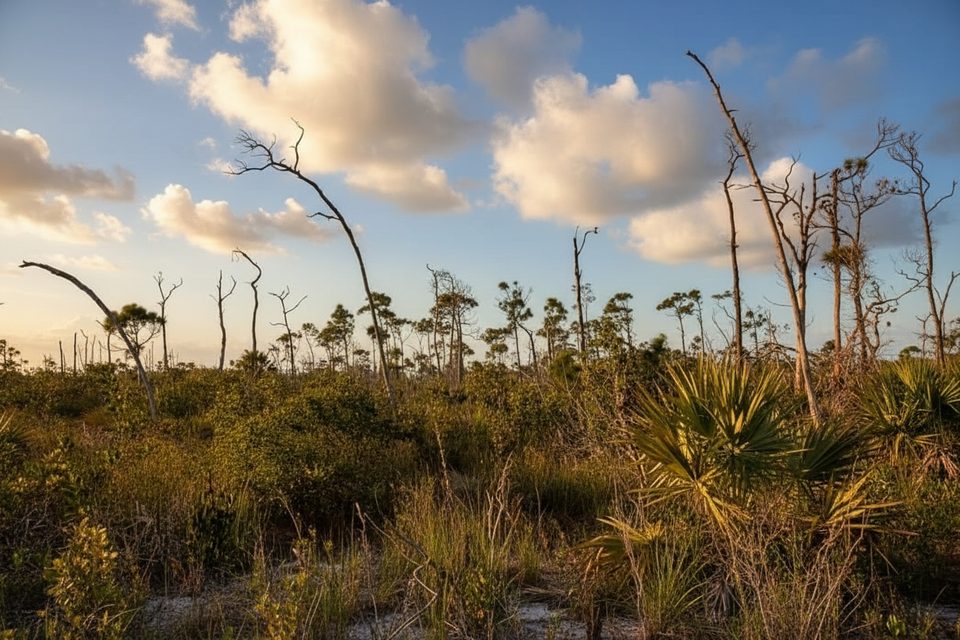
A short, quiet loop on Big Pine Key, this 0.8‑mile total trail meanders through National Key Deer Refuge habitats: pine rocklands, buttonwood edges, freshwater wetlands, and pockets of tropical hardwood hammock. It’s free and open daily from 30 minutes before sunrise to 30 minutes after sunset. Expect essentially flat terrain but uneven, sharp limestone underfoot.
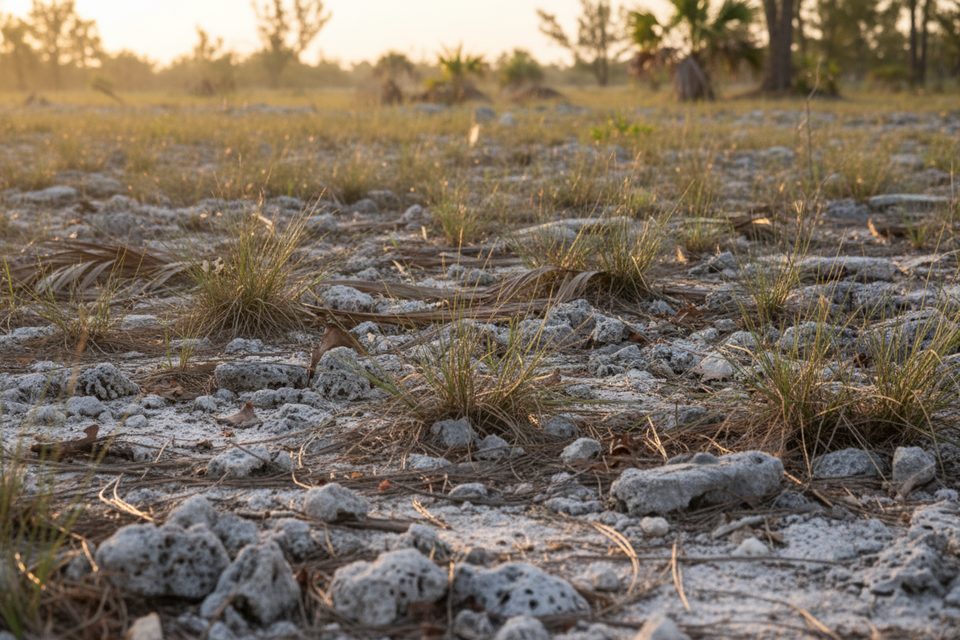
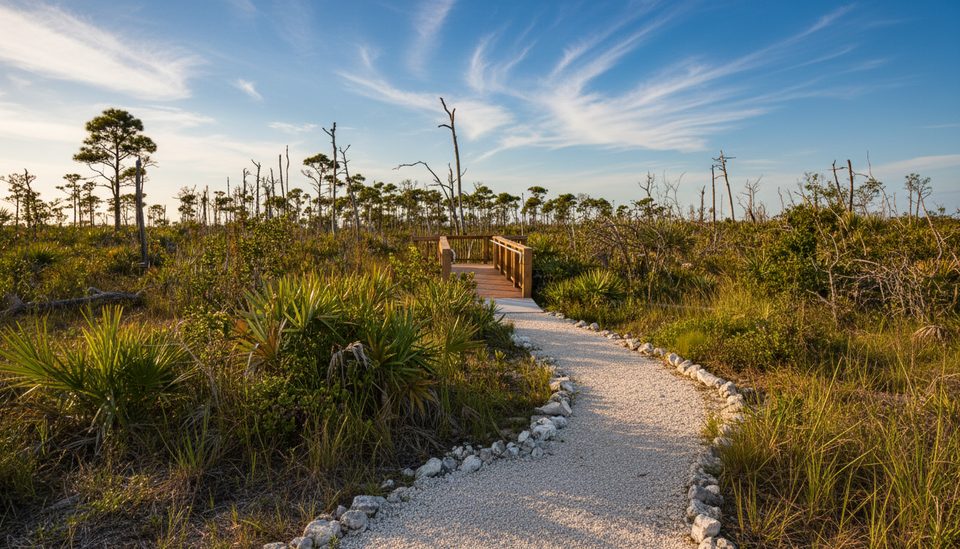
Underfoot you’ll feel exposed limestone—classic Lower Keys karst with solution holes and rough pinnacles—broken up by compacted crushed‑limestone tread and brief boardwalk segments. The path narrows to single‑file in spots, with benches sprinkled along the way. Shade comes in patches when you dip into hammock pockets; otherwise, sun exposure is real.
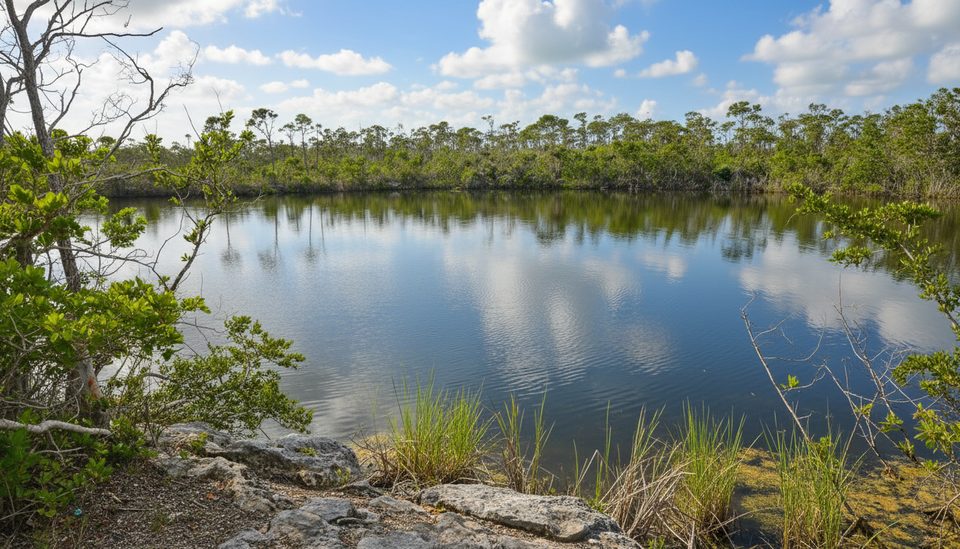
This loop is about the chance—never guaranteed—to see Key deer moving between pine rockland and freshwater pockets. Look into solution holes for collected rainwater and tiny fish, and scan wet edges for alligators. Overhead, endangered white‑crowned pigeons feed on seasonal fruits. Vegetation is classic Keys: spindly, fire‑tolerant pines with an understory of wax myrtle, poisonwood, and scattered thatch and silver palms.
From Overseas Highway (US‑1), turn onto Key Deer Boulevard by the Big Pine Key shopping center and drive about 3.2 miles. The small, shared lot for the Watson and Mannillo trails is on the left just past Blue Hole. Figure roughly eight spaces, one designated accessible space, a brick‑paved pad, and no restrooms.
Go early or late for cooler temps and better odds of deer activity, but drive slowly—deer cross Key Deer Blvd most at dawn and dusk. Summer heat and mosquitoes can be intense; the rainy season can flood short sections. Midday light is harsh and shade is limited; bring water, sun protection, and strong repellent.
Foot traffic only. Pets are technically allowed but not advised because they disturb wildlife. Stay strictly on trail: poisonwood is common and manchineel occurs—both have toxic sap. Be alert near wet areas for alligators, and never feed or approach wildlife. For injured or dead Key deer or aggressive animals, report to Florida FWC at 888‑404‑3922 (Monroe County).
Two easy add‑ons: the short Blue Hole wildlife overlook just up the road and the adjacent Fred C. Mannillo Jr. Nature Trail. For a completely different experience along US‑1, the Florida Keys Overseas Heritage Trail is a paved multi‑use corridor—not the same as this rustic loop.
Small shared lot on Key Deer Blvd just past Blue Hole; about eight spaces with one accessible space; no restrooms.
Uneven, jagged limestone; limited shade and strong mosquitoes; toxic plants (poisonwood, manchineel) at trail edges—do not touch; possible alligators near wetlands; drive slowly for deer crossings; report wildlife emergencies to Florida FWC at 888-404-3922.
Place · 0.3 mi away
Place · 2.1 mi away
Place · 3.3 mi away
Place · 5 mi away
Easy · 0 mi away
Easy · 0.3 mi away

Easy · 7 mi away
Easy · 8.5 mi away

Parkwolf Tour Guide
