
Place · 0.8 mi away
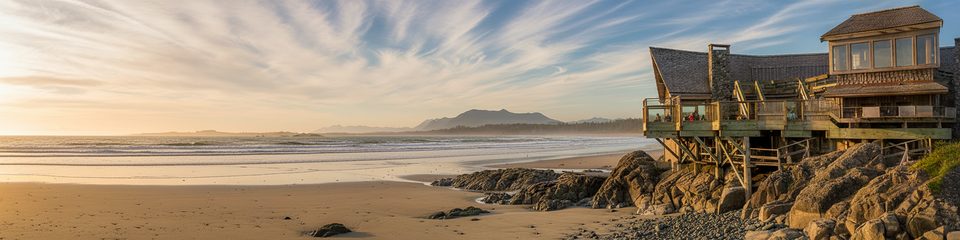
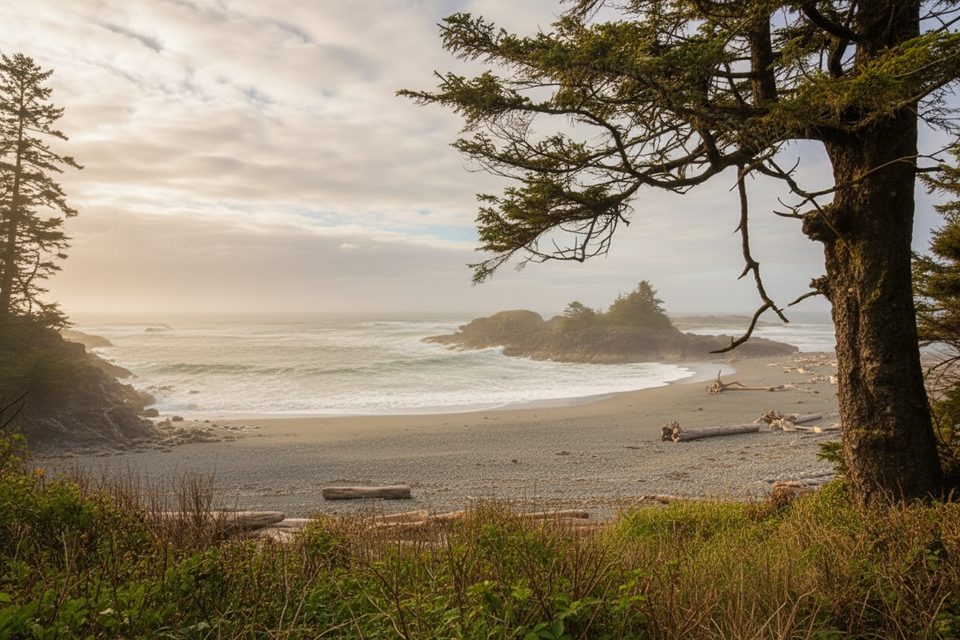
Quisitis Point is the rocky headland at the south end of Wickaninnish Beach, a natural perch facing the open Pacific. It’s best known as the landmark headland anchored by the Kwisitis Visitor Centre, whose striking west‑coast building is visible from across Long Beach. The name “Kwisitis” means “the other end of the beach” in the Nuu‑chah‑nulth language, a nod to the area’s deep First Nations roots.
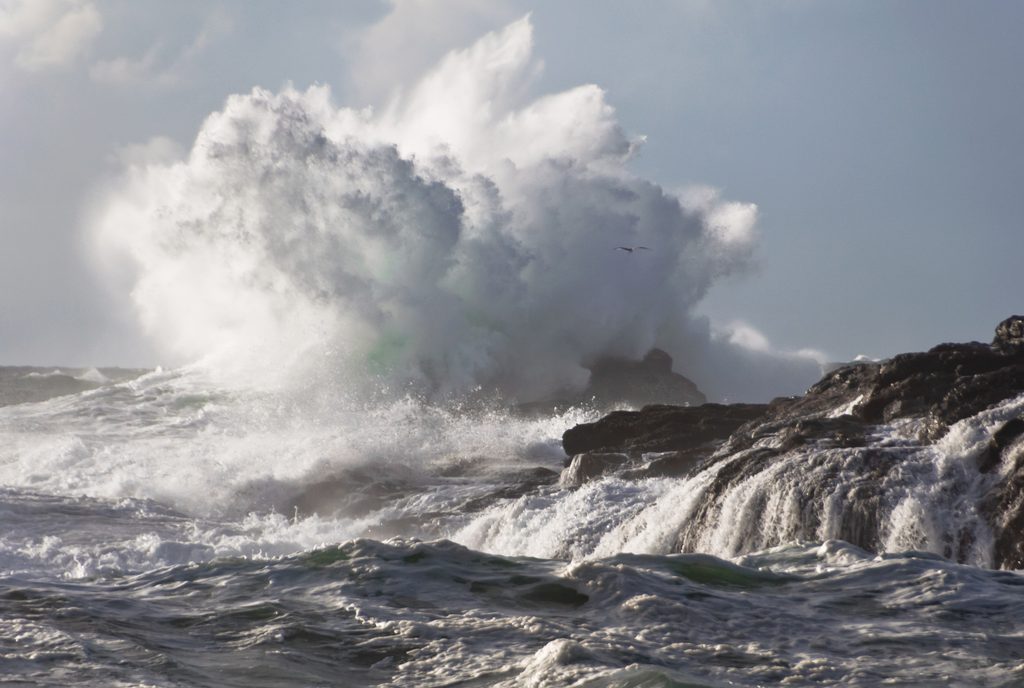
This is a big‑sky, big‑surf viewpoint: expect sweeping horizons, thundering waves, and wide‑angle coastal scenery. It’s one of the area’s classic spots for storm watching when the weather turns dramatic, and for scanning the ocean for whale spouts during migration seasons. Boardwalks and nearby paths connect the headland area with the surrounding beaches, making it easy to wander between viewpoints and sand.
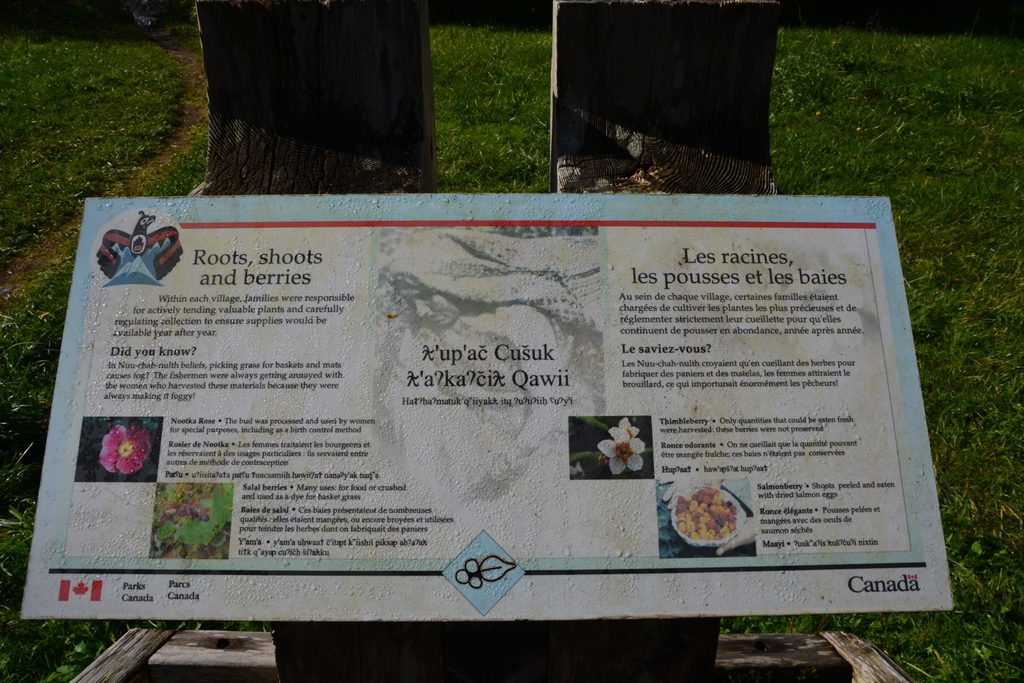
Adjacent to the point, the Kwisitis Visitor Centre focuses on the cultural stories of this coast, including Nuu‑chah‑nulth language and history. Inside, exhibits highlight marine mammals, temperate rainforest, and traditional lifeways—useful context for what you’re seeing from the headland outside.
From shore, patient eyes can pick out gray whales and, at times, orcas moving along the coast—binoculars help. The broader beach‑and‑forest mosaic supports bears, wolves, and cougars; while sightings are uncommon from the point, their tracks and presence in the area are well documented. Sea birds and shorebirds work the surf line year‑round.
This is an exposed point—wind, rain, and sudden changes are the norm. Expect spray, bring layers, and protect your gear. Parking can feel limited during busy periods, and you’ll need a valid park entry pass.
Place · 0.8 mi away
Place · 1.3 mi away
Place · 1.3 mi away
Place · 1.4 mi away
Easy · 1.3 mi away
Easy · 1.3 mi away
Easy · 1.4 mi away

Easy · 3.2 mi away

Parkwolf Tour Guide
