
Place · 3.1 mi away
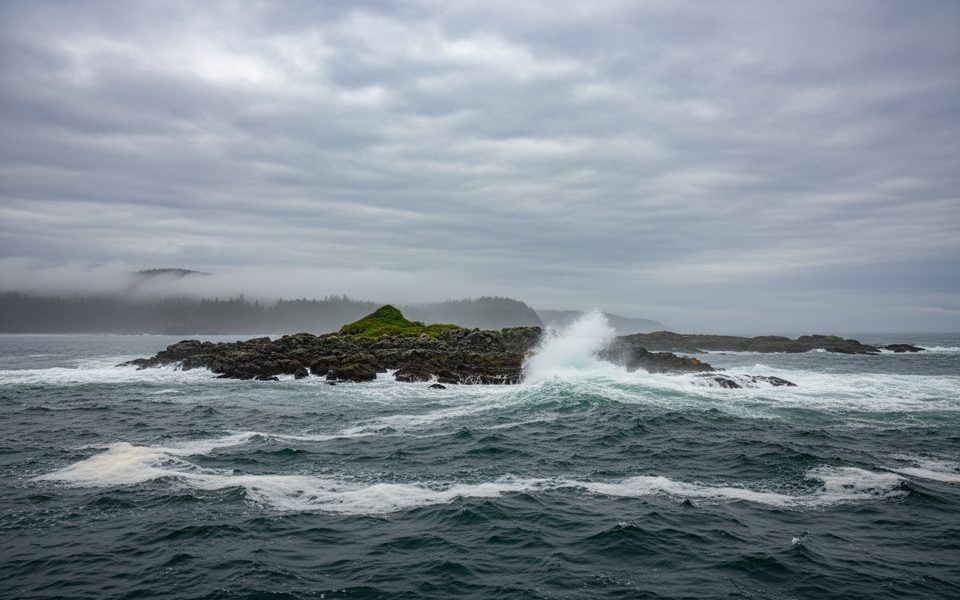
Seabird Rocks are a small cluster of rugged, wave-battered islets off the west coast of Vancouver Island, within the marine environment of the park near the West Coast Trail unit. This is a wild, offshore place—not a developed stop—and most people simply view it from a boat at a respectful distance.
Expect the spectacle of offshore rocks cloaked in seabirds, with dramatic Pacific swell crashing all around. Gulls and cormorants are common, and Rhinoceros Auklets are known here. Seals and sea lions often use the surrounding waters and ledges, adding to the wildlife show. It’s a superb setting for long-lens wildlife photography if the seas allow you to hold position at a distance.
There’s no road or trail access—this is a boat-only destination. Landing is not recommended due to hazardous surf and the sensitivity of nesting birds and haul-out mammals. Conditions can change quickly; plan conservatively, keep well clear of the rocks, and bring proper safety gear.
Treat Seabird Rocks as a sensitive wildlife area. Do not disturb nesting birds or resting marine mammals—quietly observe from afar. Park regulations prohibit collecting natural or cultural objects and do not allow personal watercraft such as Jet Skis. Use developed onshore facilities elsewhere in the park; there are none here.
These rocks are part of the coast’s shipwreck lore. In 1909, the four‑masted schooner Soquel wrecked on the rocks during severe weather, with a dramatic rescue by the Bamfield lifesaving crew.
The islets are hard, storm-sculpted outcrops shaped by relentless Pacific surf. Their isolation and steep, slick faces make them ideal for seabirds—safe from most land predators and humans alike.
There are no set hours. Aim for calm weather windows and good visibility so you can observe safely from offshore. It’s never “crowded” in the usual sense; the limiting factor is sea state, not people.
Birders, marine-life enthusiasts, and photographers who don’t mind a boat ride and prefer raw nature over amenities will find Seabird Rocks unforgettable. If you want beaches, trails, or facilities, look to the park’s developed areas instead.
Place · 3.1 mi away
Place · 3.4 mi away
Place · 11 mi away
Place · 11 mi away
Challenging · 3.4 mi away
Easy · 25.5 mi away
Moderate · 25.5 mi away
Moderate · 25.5 mi away

Parkwolf Tour Guide
