
Place · 1.2 mi away
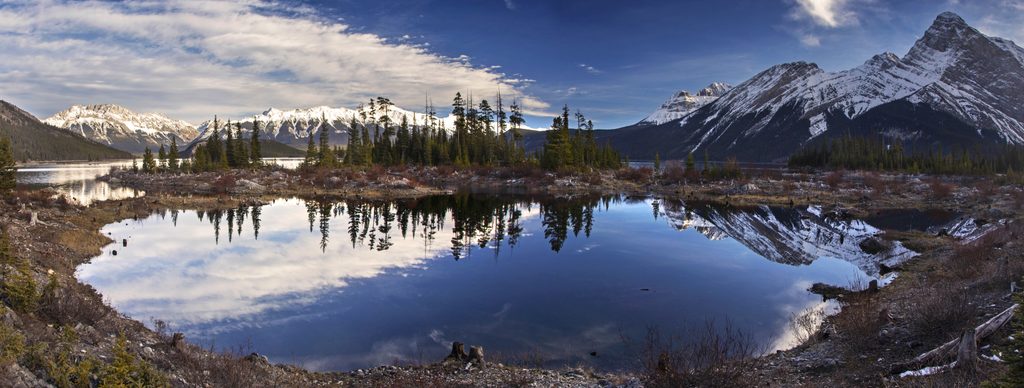
Hidden Lake is a quiet side destination tucked just off the Upper Kananaskis Lake Circuit. Most people tag it onto the main loop for a change of pace and a short detour to a secluded basin. It’s also the first waypoint on the unmaintained route to Aster Lake, so you’ll see everything from casual day hikers to well‑equipped parties heading deeper into the alpine.
Plan roughly 12–13 km round‑trip and about 4.5–5 hours depending on start point and conditions. You can begin at North Interlakes Day Use or Upper Lake Day Use and follow the Upper Kananaskis Lake trail; Hidden Lake sits west of Point Backcountry Campground. Expect generally moderate terrain with some rougher stretches near the lake.
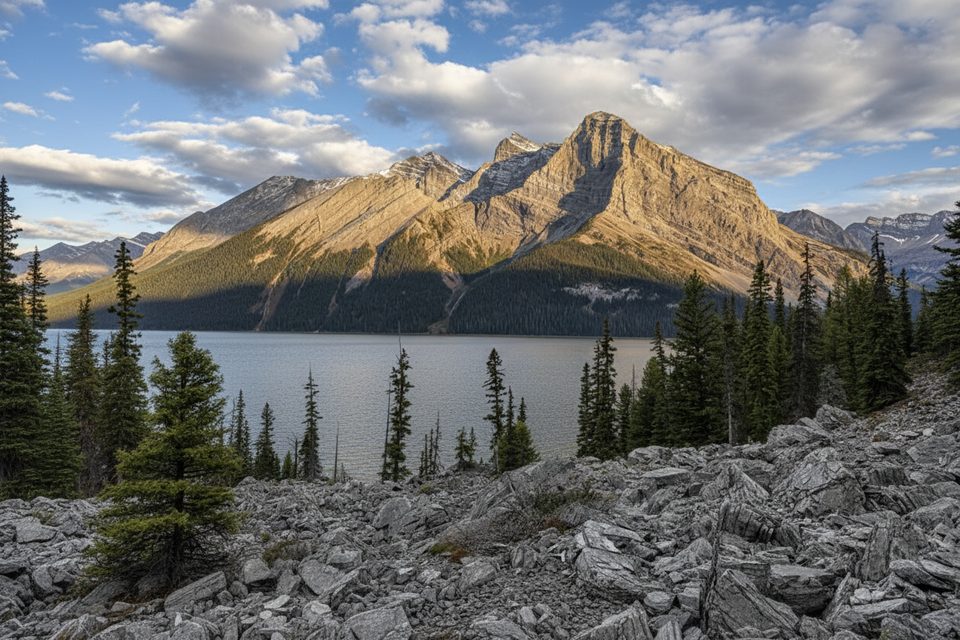
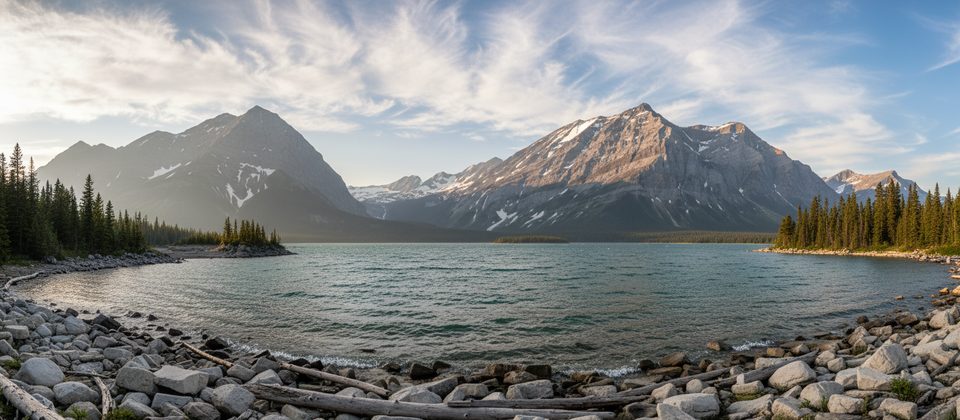
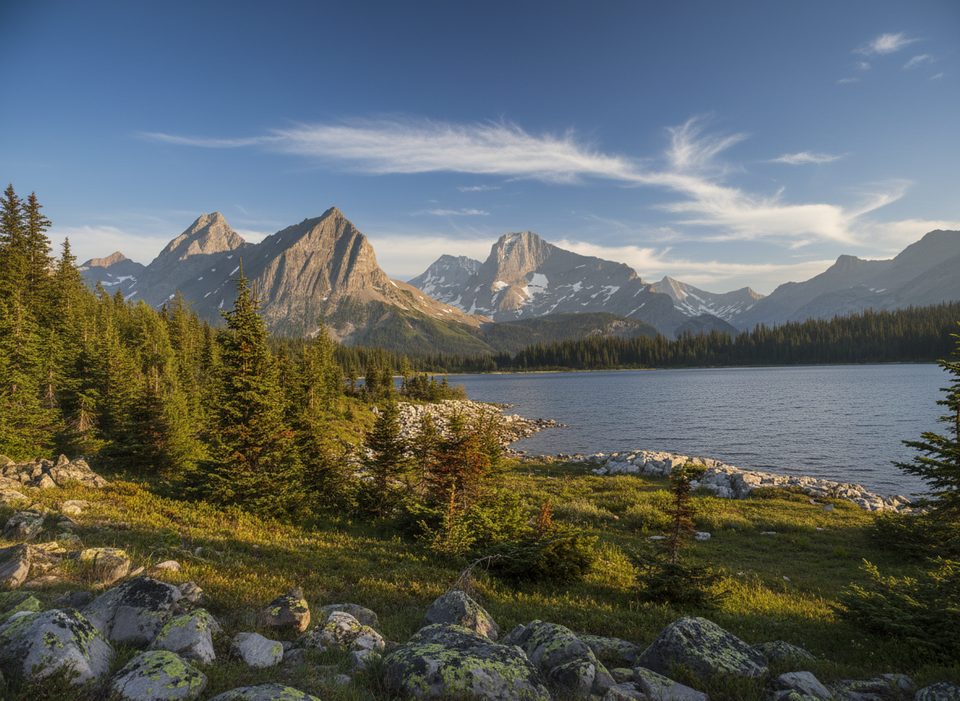
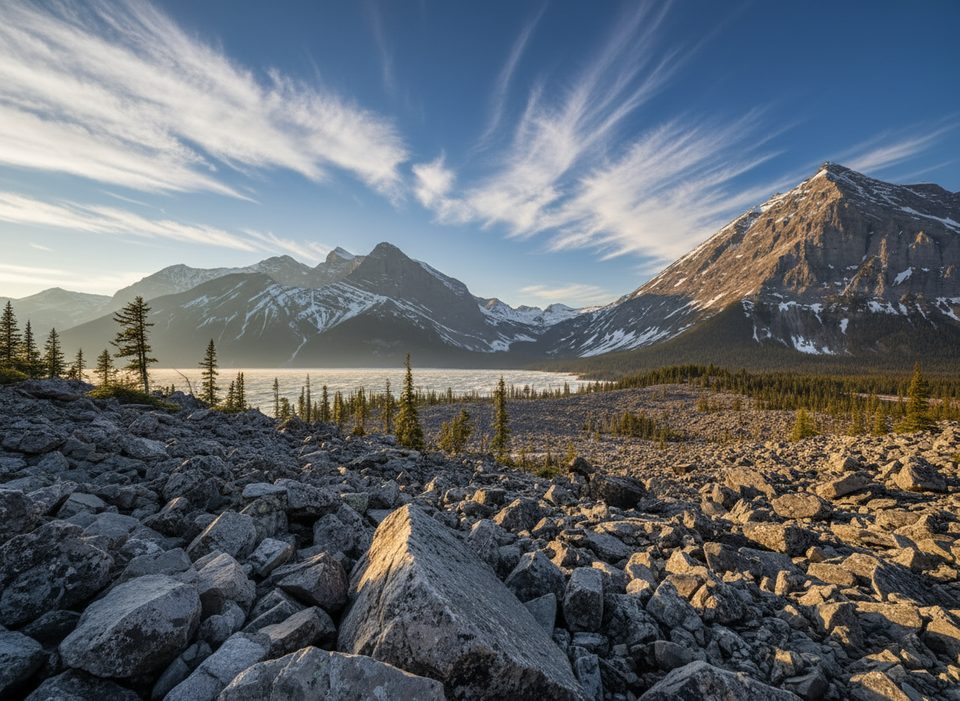
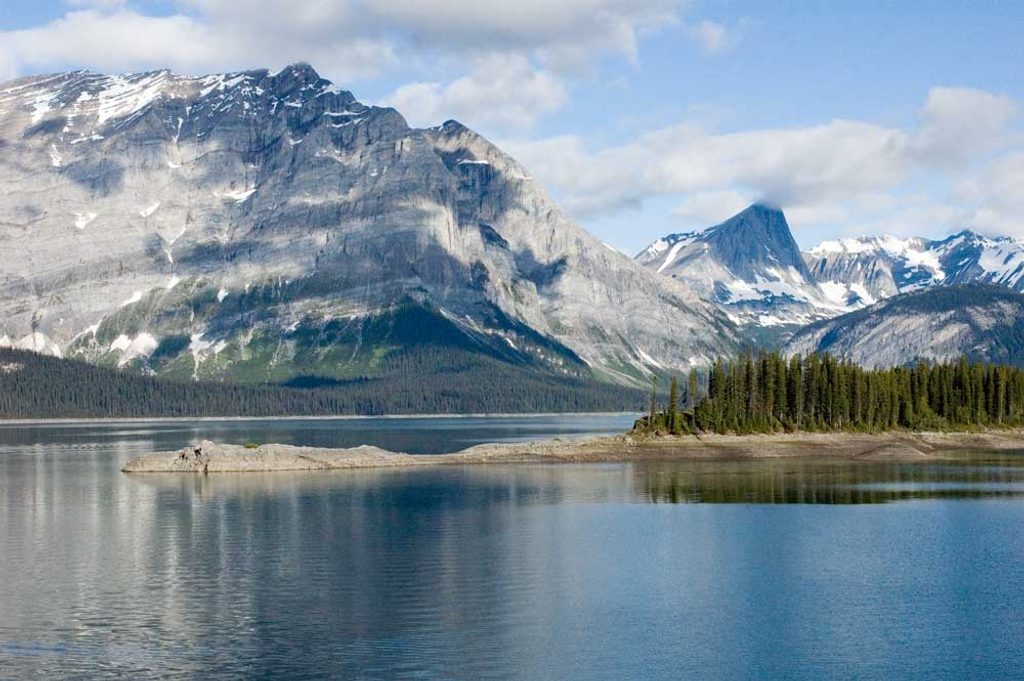
The approach traces forested lakeshore with big‑mountain backdrops, crosses the Palliser rockslide on the north shore, and then ducks toward a tucked‑away basin. Surrounding peaks are classic grey limestone and dolomite; keep an eye out for marine fossils in bedrock and talus as you move through the area.
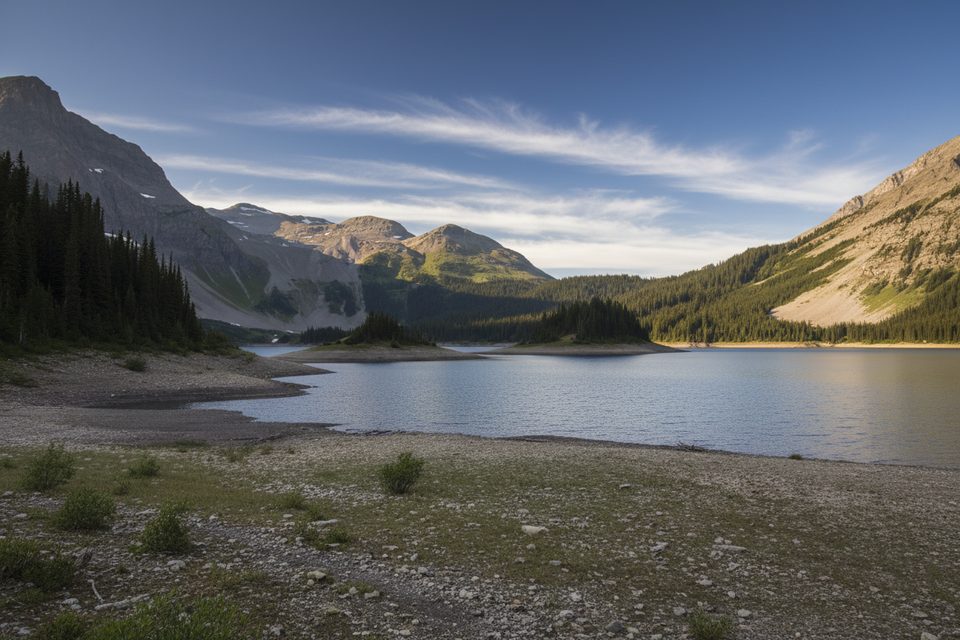
Best hiking is late spring through early fall. In late season the water can drop dramatically—or vanish—so don’t be shocked if the lake “lives up to its name.” Winter travel is not maintained; beyond Hidden Lake toward Aster you’re edging into avalanche terrain. Check the current Peter Lougheed trail report and the regional avalanche forecast before any shoulder‑season or winter attempt.
This is prime bear country (both grizzly and black). Travel in groups when you can, keep dogs leashed, carry bear spray, and give all wildlife generous space.
A Kananaskis Conservation Pass is required to park at either day‑use lot. Cell coverage is unreliable—download maps ahead of time. Trailheads in the park typically have pit toilets, but don’t count on potable water at day‑use sites; bring what you need.
If you’re already hiking the Upper Kananaskis Lake Circuit, Hidden Lake is a worthwhile detour for solitude and a different perspective. If you’re chasing big alpine payoffs, consider it a stepping‑stone toward the tougher Aster Lake route rather than a stand‑alone destination.
June through September offers the most reliable footing and open water for photos. Mornings are calmer for reflections and lighter crowds. Weekdays are quieter; in late fall the basin can be muddy and the lakebed exposed, which is less photogenic.
Place · 1.2 mi away
Place · 1.3 mi away
Place · 1.3 mi away
Place · 1.3 mi away
Challenging · 2.6 mi away
Challenging · 2.6 mi away
Moderate · 2.6 mi away
Moderate · 3 mi away

Parkwolf Tour Guide
