Place · 0.3 mi away

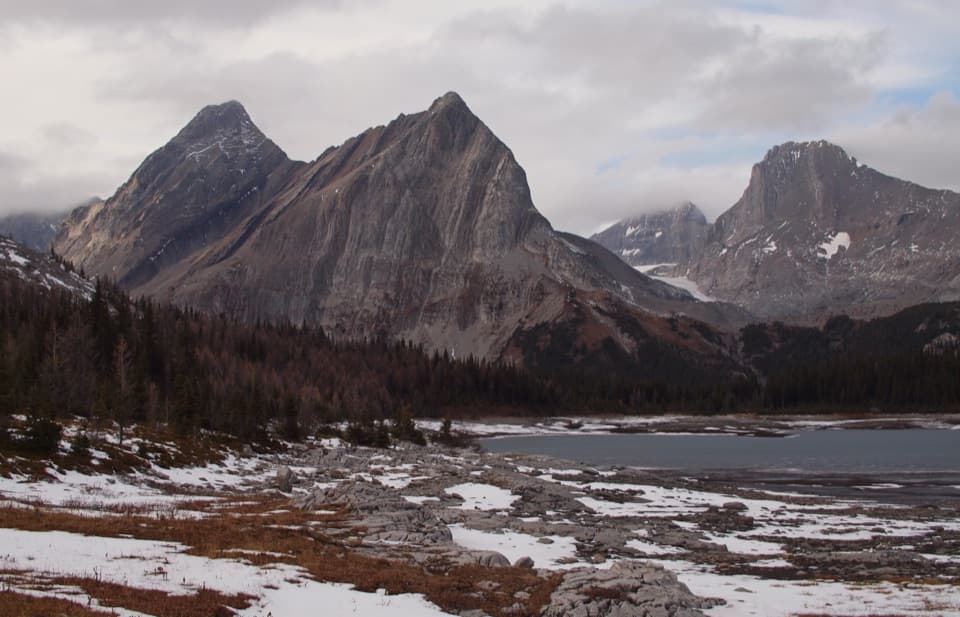
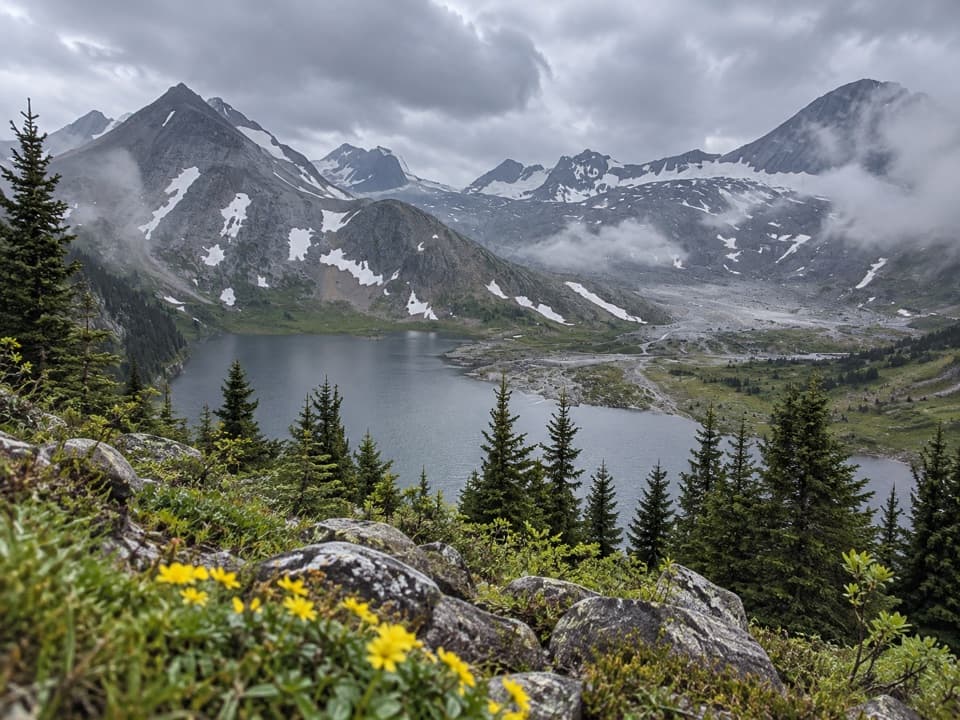
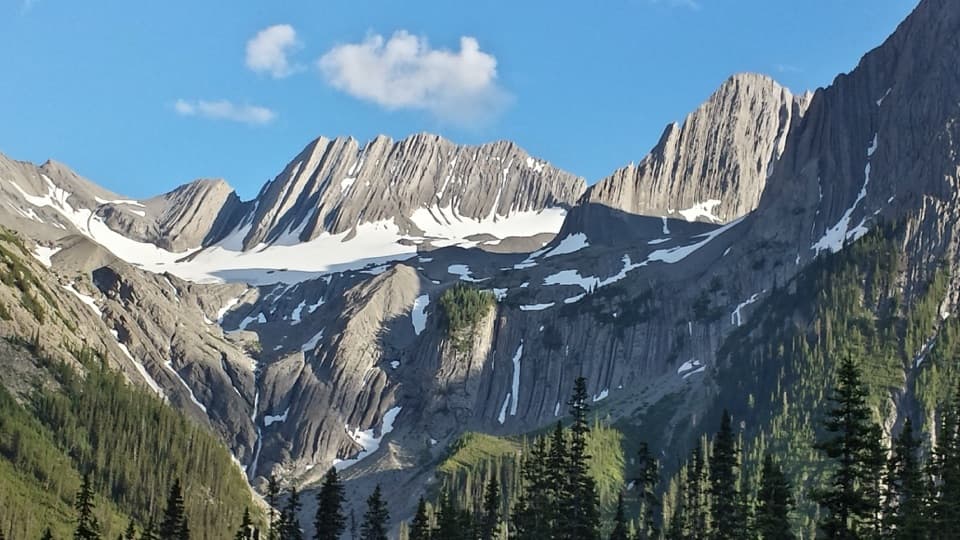
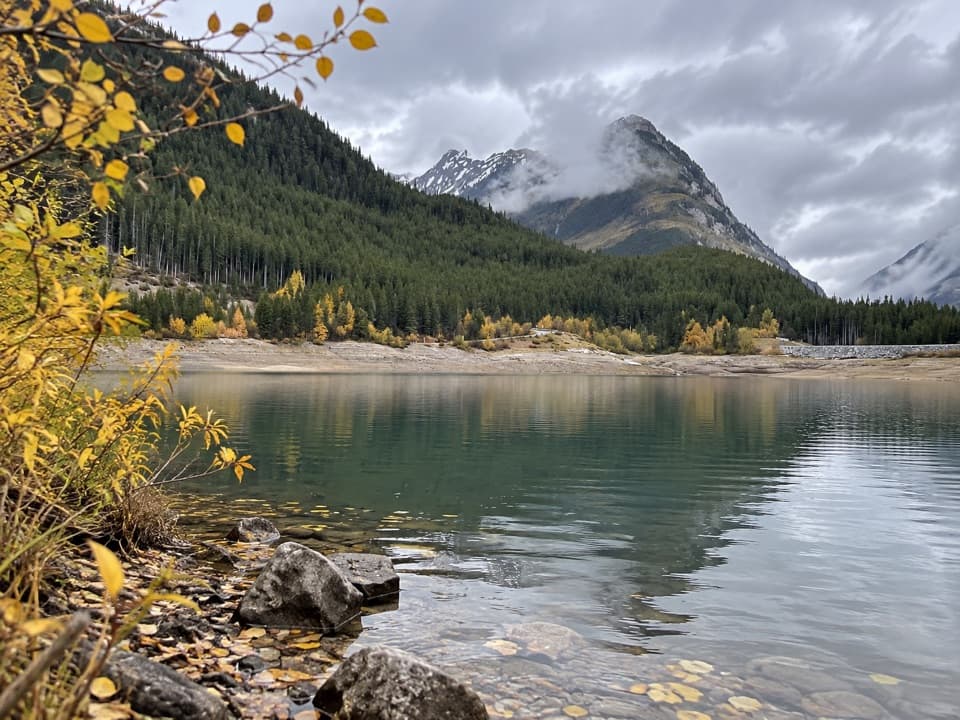
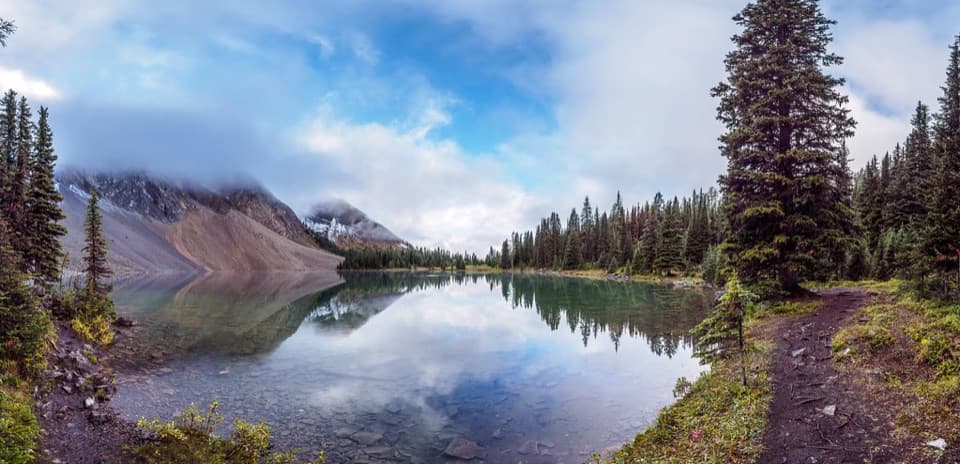
Point Backcountry Campground is the classic easy backcountry overnight: tucked in the trees near the lakeshore with big mountain-and-water views, yet close enough to feel approachable for first-time backpackers and families. It’s open year‑round and sits on the Upper Kananaskis Lake Circuit, so the hike in feels scenic from the first step.
Access is from North Interlakes Day Use on Upper Kananaskis Lake. Follow the Upper Kananaskis Lake Circuit for about 3.4 km one way with roughly 25 m of gentle elevation—an easy walk by backcountry standards. You can also paddle in; there’s no dock, so plan to pull your canoe or packraft up on shore.
There are 20 designated tent pads (generally one tent and up to six people per site). Facilities include pit/vault toilets, bear‑proof food lockers, designated grey‑water disposal, and communal cooking areas. Fires are allowed only in the provided shared firepits when permitted, and firewood is typically stocked at the campground—treat that as a bonus, not a guarantee during bans or maintenance.
Water comes from the adjacent lake/creek—treat, filter, or boil before drinking. This is a pack‑in, pack‑out site with strict rules around cooking and cleaning; keep a clean camp and use the lockers.
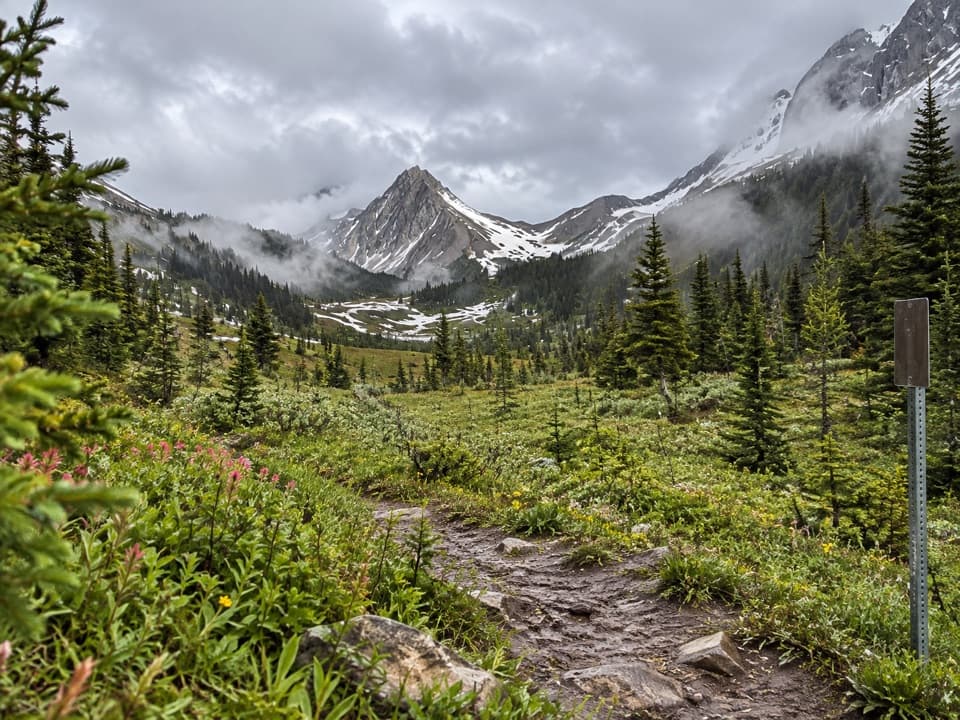
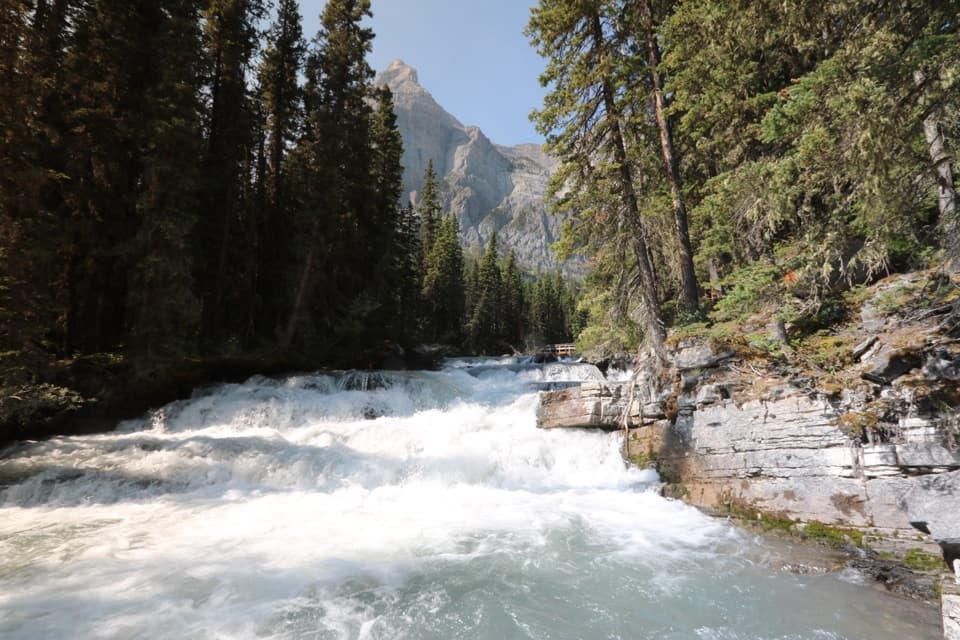
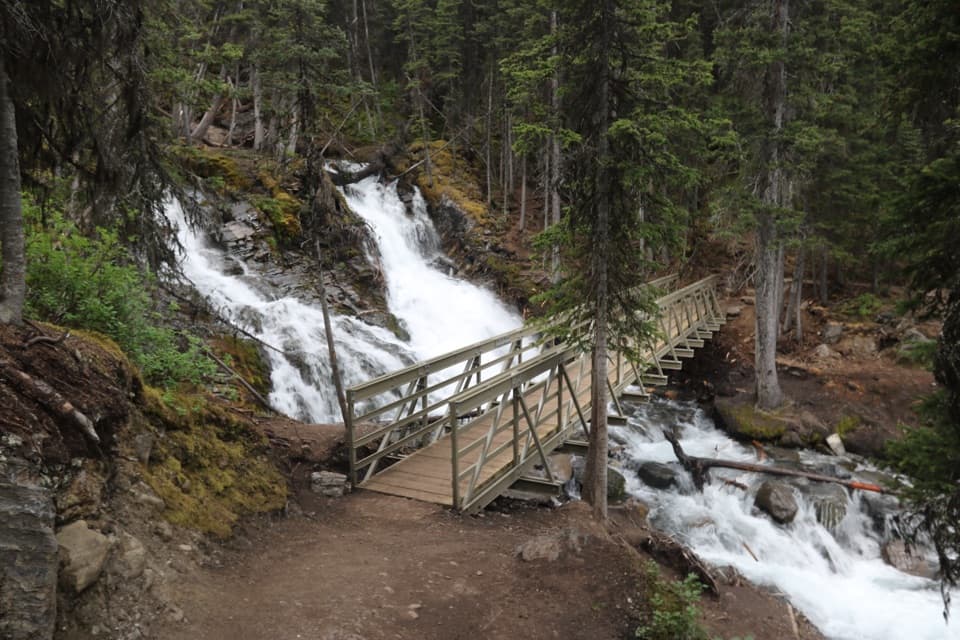
Expect forested sites with pockets of lake and peak views, plus the steady hush of water nearby. The approach can be rocky or muddy in spots, but it’s short. The vibe is relaxed and family‑friendly, with sites spaced well enough for a bit of privacy.
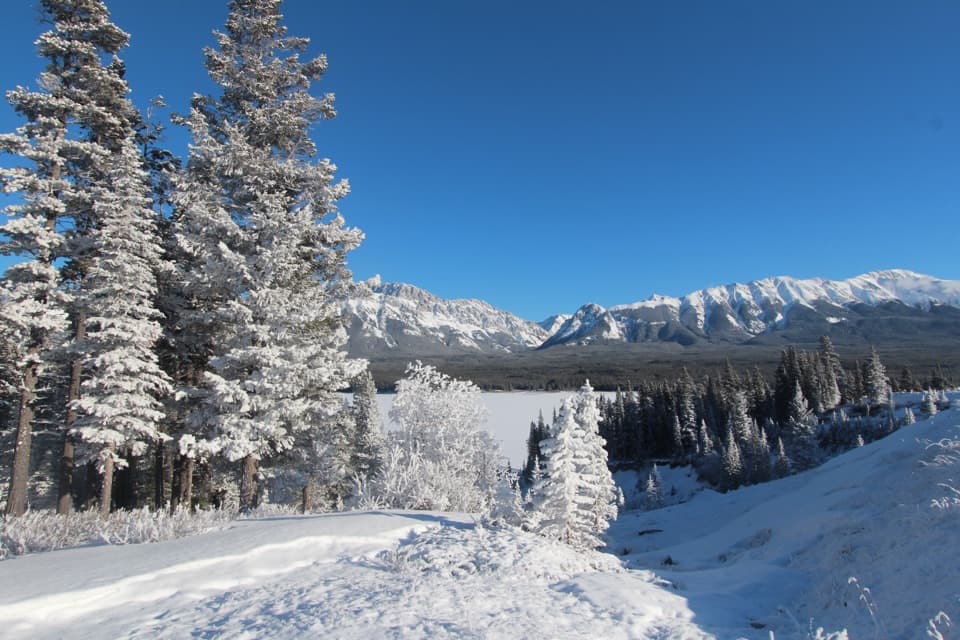
It’s open all year. In winter (including early December), anticipate snow/ice on the trail, short daylight, and cold nights—microspikes or snowshoes may be needed. Do not assume Upper Kananaskis Lake ice is safe for travel. Wildlife advisories and fire bans change; check current park notices before you go.
This campground is in the Kananaskis Lakes backcountry permit area. Reservations are required and open 90 days before your arrival. The fee is $12 per person per night.
Summer and early fall offer the easiest travel and the most comfortable nights. Shoulder seasons can be quieter but colder and muddier; winter is a true cold‑weather backcountry experience best for prepared campers.