
Place · 0 mi away
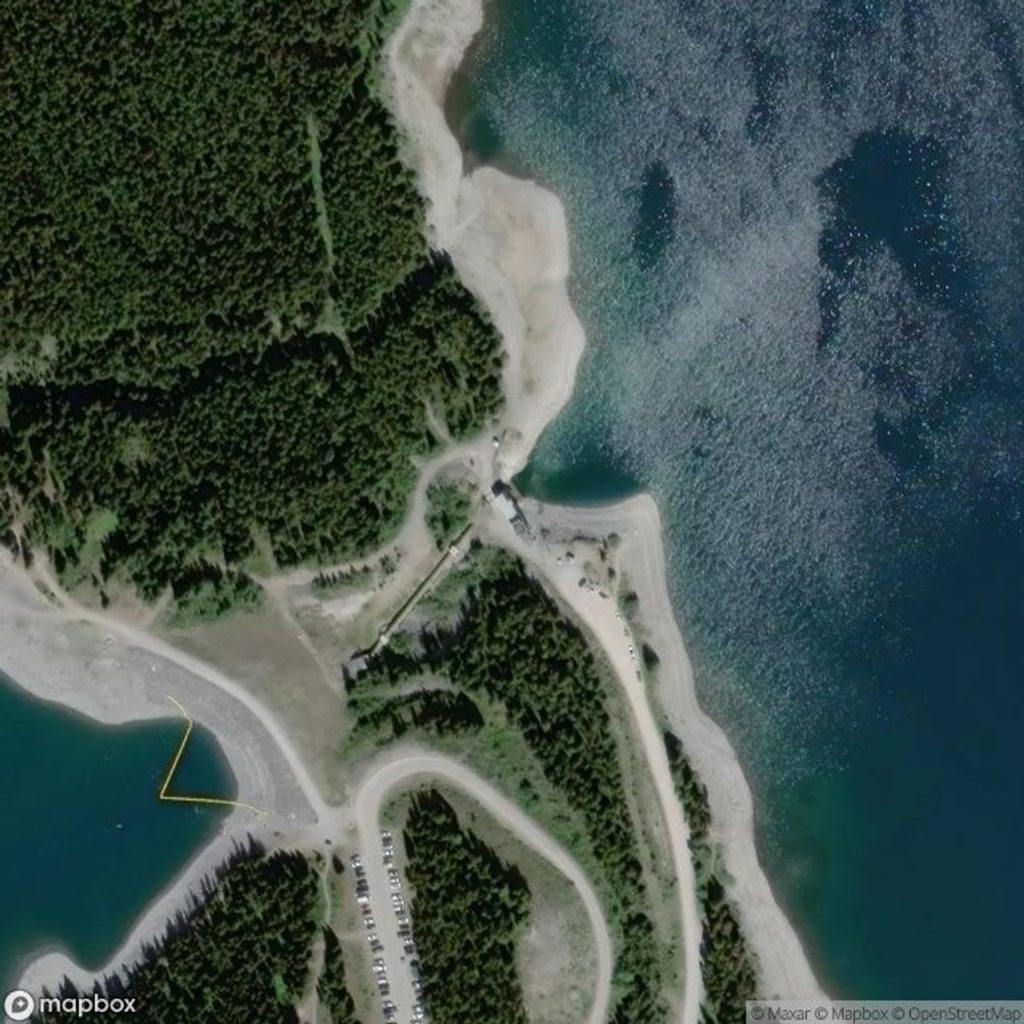
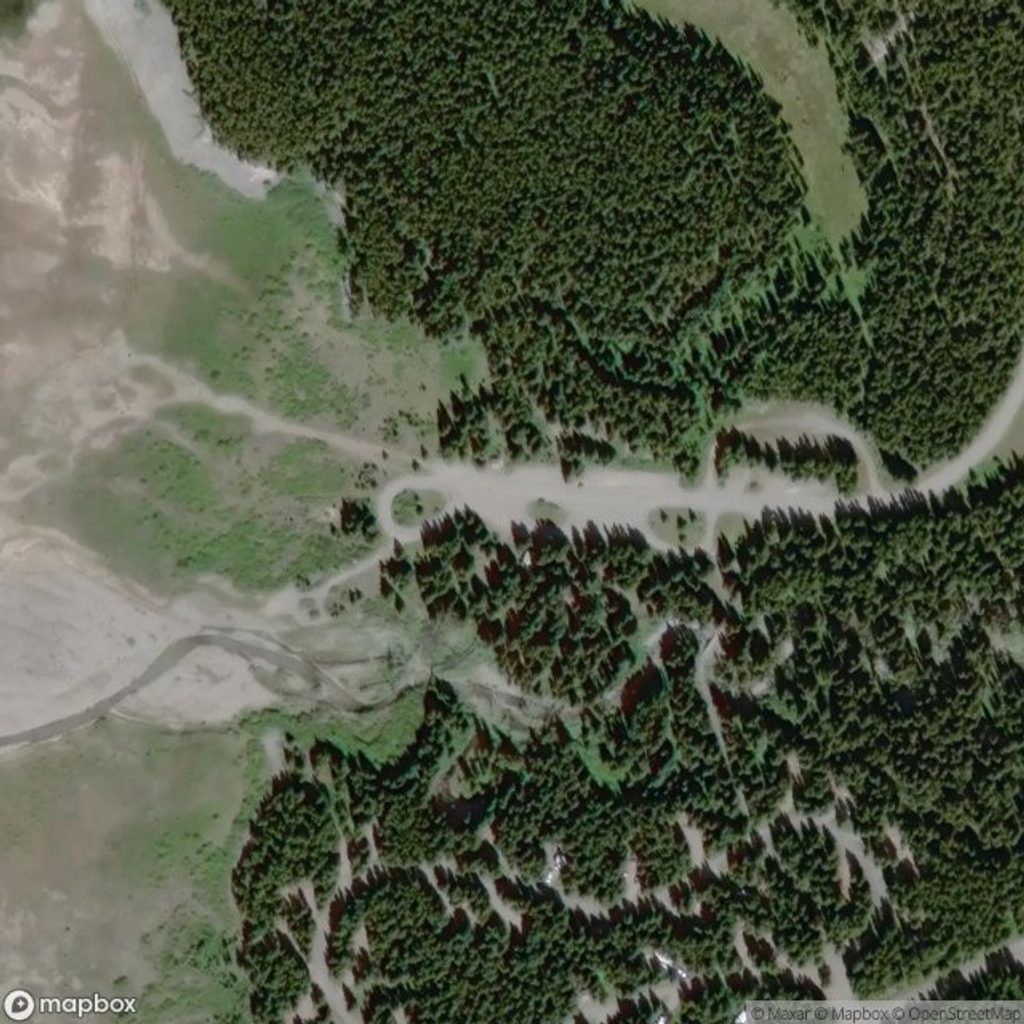
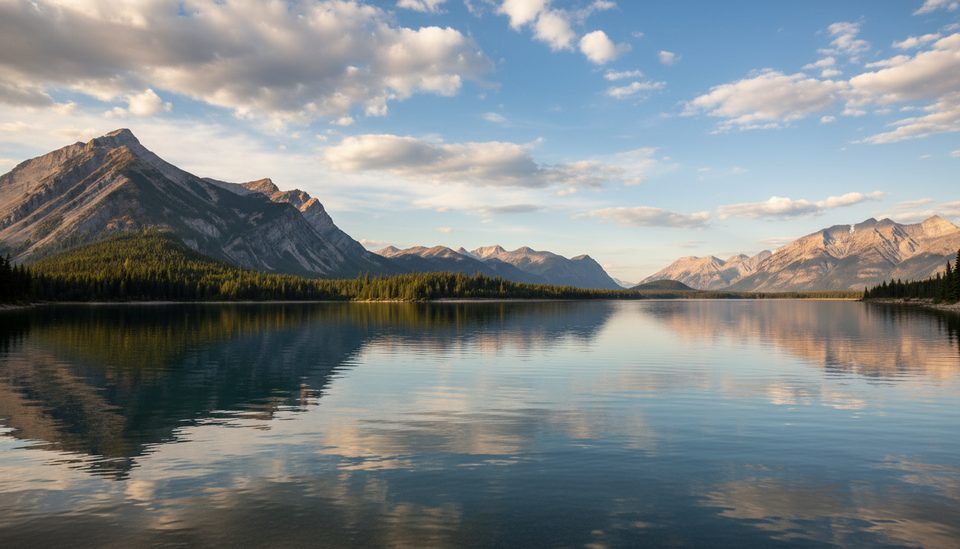
Lower Kananaskis Lake Dam holds back a natural lake that’s been raised and managed as a reservoir. It’s part of a linked system used for hydroelectric power, flood control, and regional water supply. The outlet structure here—tied to the 15‑MW Pocaterra facility that first came on‑stream in 1955—returns water to the Kananaskis River downstream. Between Upper and Lower Kananaskis Lakes, the Interlakes development captures additional head for a 5‑MW plant from the same 1955 buildout. If you’re curious about how the lakes are operated, this is a quick, informative stop.
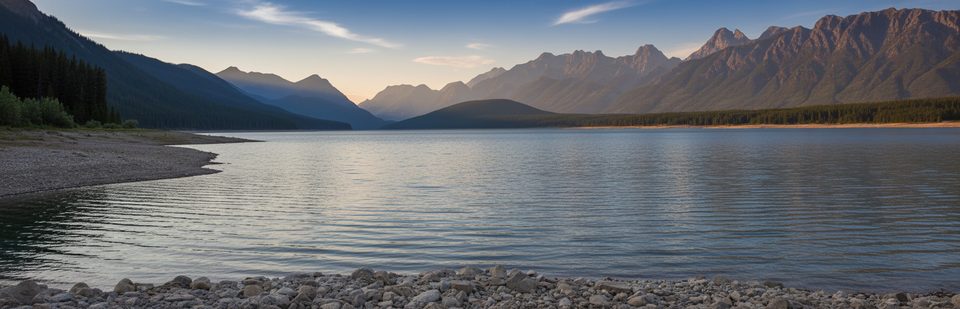
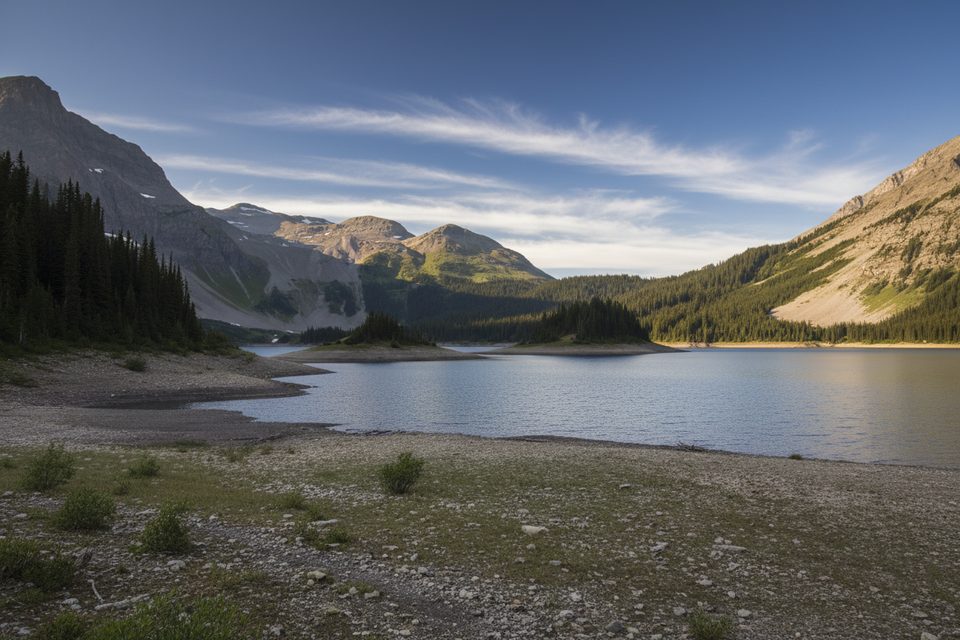
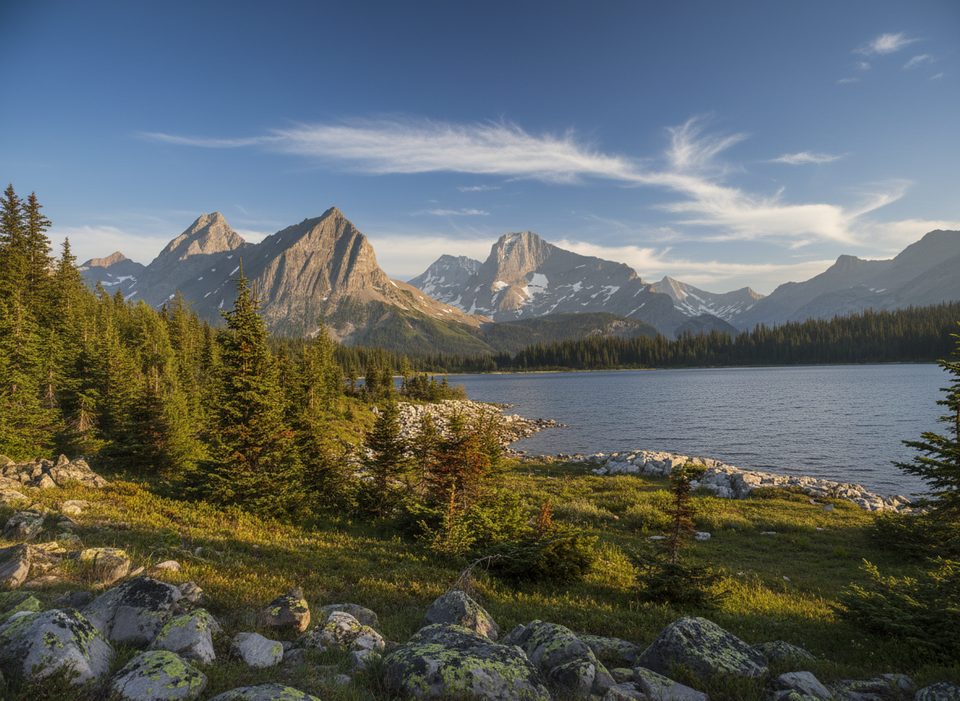
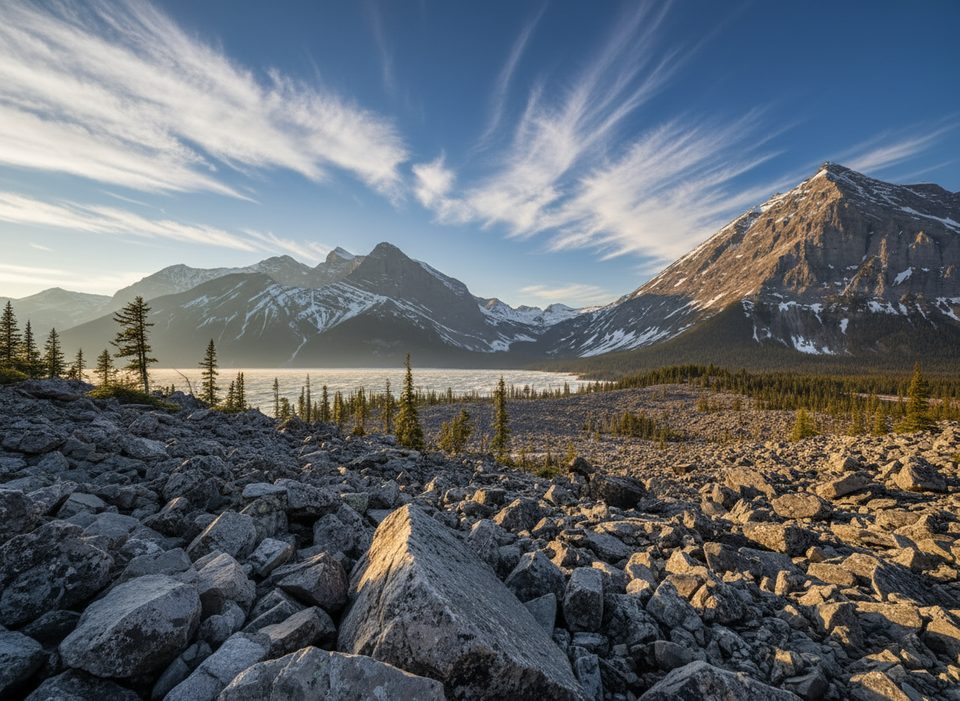
You’re standing in a classic U‑shaped glacial valley, ringed by mountains built of thrust‑faulted sedimentary rocks, much of it limestone from an ancient inland sea. The engineered reservoir sits right in that dramatic landscape, so the contrast of industry and geology is front and center.
Flows below the Pocaterra facility can change rapidly with plant operations. Stay well back from riverbanks immediately upstream and downstream of hydro sites and keep a sharp eye on changing water levels.
This is busy habitat: grizzly and black bears, elk, deer, moose, bighorn sheep, cougars, lynx, and wolves all use the area. Seasonal trail closures sometimes occur for bear activity around the lakes—plan accordingly.
At the dam/Lower Lake area you should expect pit/vault toilets and no running-water sinks. Drinking water is available seasonally from hand pumps and a few cold-water taps in the adjacent Lower Lake Campground and Group Use area—typically early June to early September, weather dependent. For flush toilets and showers, the Boulton Creek area is a short drive away. Nearby campground amenities include a playground, pay phone, secure food storage, firewood sales, and a group-use picnic shelter.
Summer is the most convenient window if you want on‑site water taps (generally early June through early September). Outside that period, bring your own water and expect only basic services. Year‑round, check for wildlife‑related closures and any hydro‑related safety notices before you go.
Place · 0 mi away
Place · 0.1 mi away
Place · 0.6 mi away
Place · 0.8 mi away
Challenging · 0.1 mi away
Challenging · 0.1 mi away
Moderate · 0.1 mi away
Easy · 0.8 mi away

Parkwolf Tour Guide
