
Place · 0 mi away
Moderate
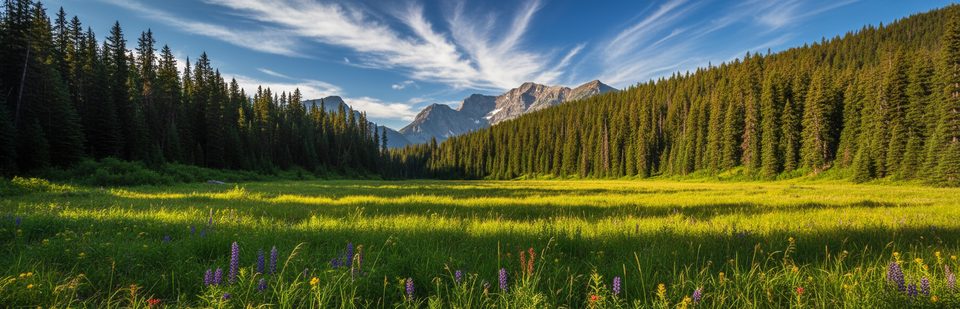
Elk Pass is a straightforward climb on an old fire road to the Alberta–British Columbia border. It’s 3.5 miles one way (5.6 km) with about 700 ft/210 m of gain, finishing in open meadows at West Elk Pass. Most hikers treat it as a there‑and‑back to the pass for a 7.0‑mile round trip.
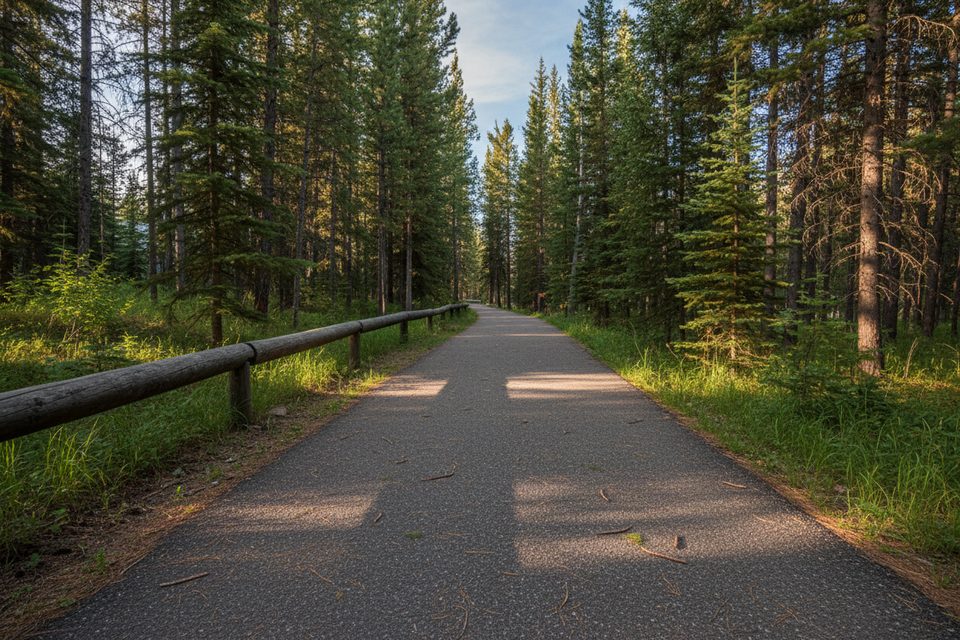
The route rises steadily through conifer forest before breaking into a broad meadow near the pass. It’s more about easy travel and border‑zone scenery than dramatic peaks. The old‑road character means smooth grades and quick walking rather than technical trail.
Rated easy to moderate: non‑technical, steady grade, and generally a “cruise” on the way up and down. In summer it’s open to hiking and biking on the Alberta side. The final approach to West Elk Pass is mellow and makes an inviting turnaround if you don’t plan to continue into British Columbia.
Summer and winter routes differ. In winter, Elk Pass forms part of a cross‑country ski network and is snowmobile‑packed; there’s also a designated snowshoe route from the Elk Pass Day‑Use area. Plan your activity accordingly—this is not the same line you walk in summer.
A Kananaskis Conservation Pass is required to park. Group size is limited to 15. Bicycles are permitted on the Alberta side in summer but are not allowed once you enter Elk Lakes Provincial Park in BC, so plan to stop riding at the boundary. Dogs must be leashed in the provincial park, are not allowed on groomed ski trails in winter, and are not permitted on the Elk Pass Snowshoe Trail.
From West Elk Pass you can continue into Elk Lakes Provincial Park. The Alpine Club of Canada’s Elk Lakes Cabin sits about 4.3 km past the Alberta/BC border. Note there is no longer a bridge at the north end of Upper Elk Lake, which affects loop ambitions in that area.
Summer is best for hiking or biking the old road surface to the pass; winter is for cross‑country skiing or snowshoeing on the separate winter alignments. Early‑season conditions can mean thin snow, open water, and slick bridges—go prepared.
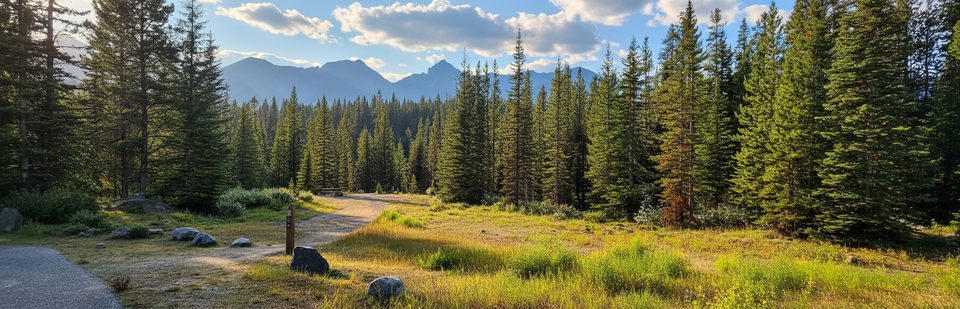
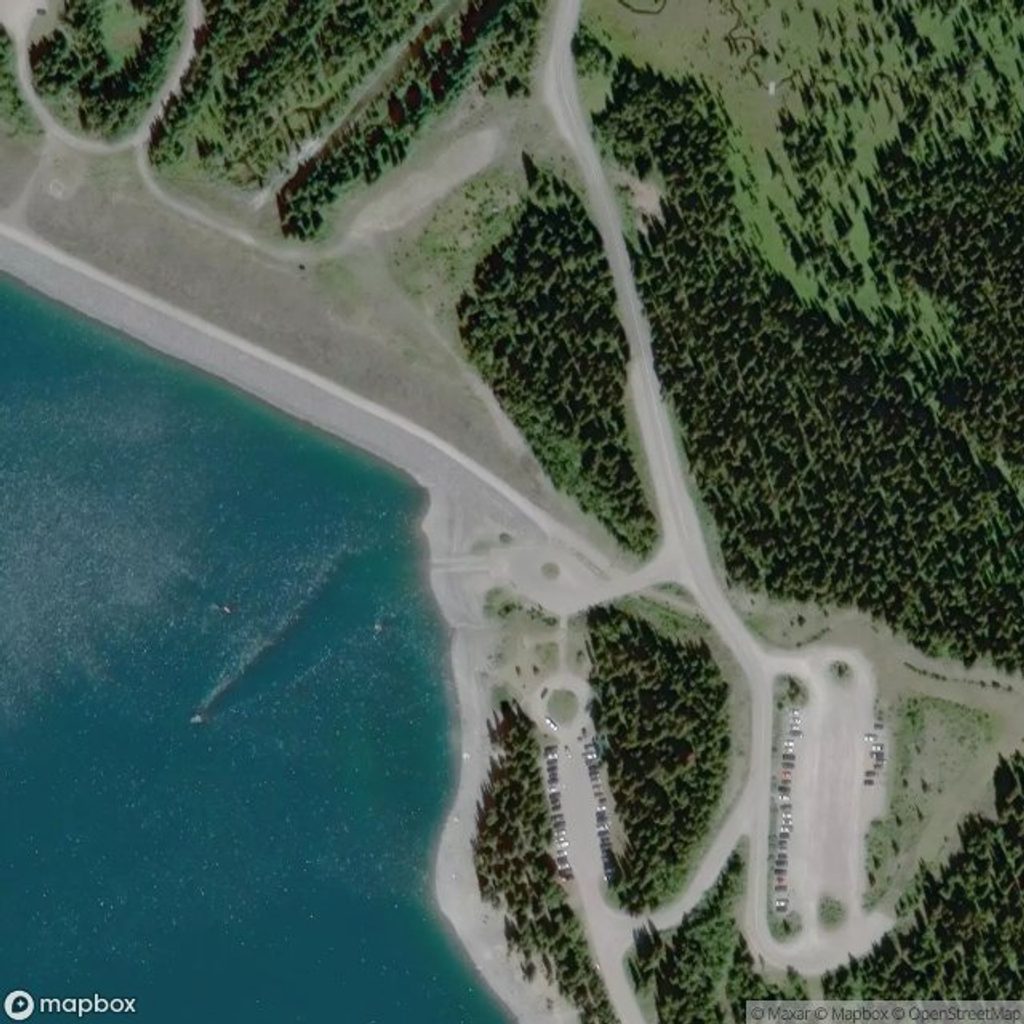
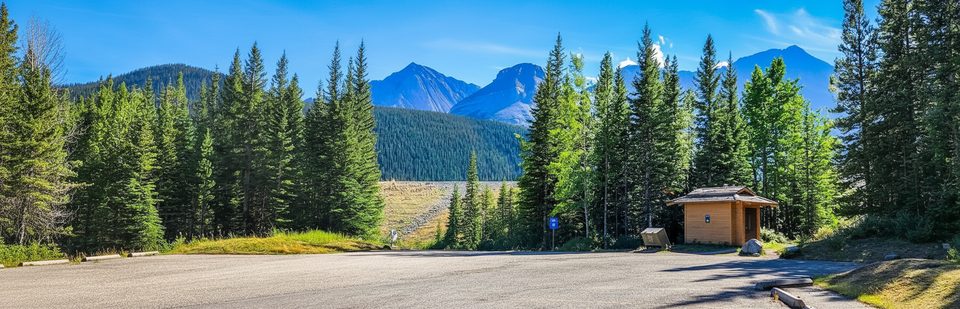
Park at Elk Pass Day-Use area; Kananaskis Conservation Pass required.
Summer and winter routes differ; in winter it’s a ski corridor. Bears are common—carry spray. Bikes not permitted beyond the BC boundary. Dogs not allowed on groomed ski trails or the Elk Pass Snowshoe Trail. If continuing into BC, note the missing bridge at the north end of Upper Elk Lake.
Place · 0 mi away
Place · 0.4 mi away
Place · 0.4 mi away
Place · 0.5 mi away
Moderate · 0.5 mi away
Moderate · 0.5 mi away
Easy · 0.5 mi away
Easy · 1.1 mi away

Parkwolf Tour Guide
