
Place · 2 mi away
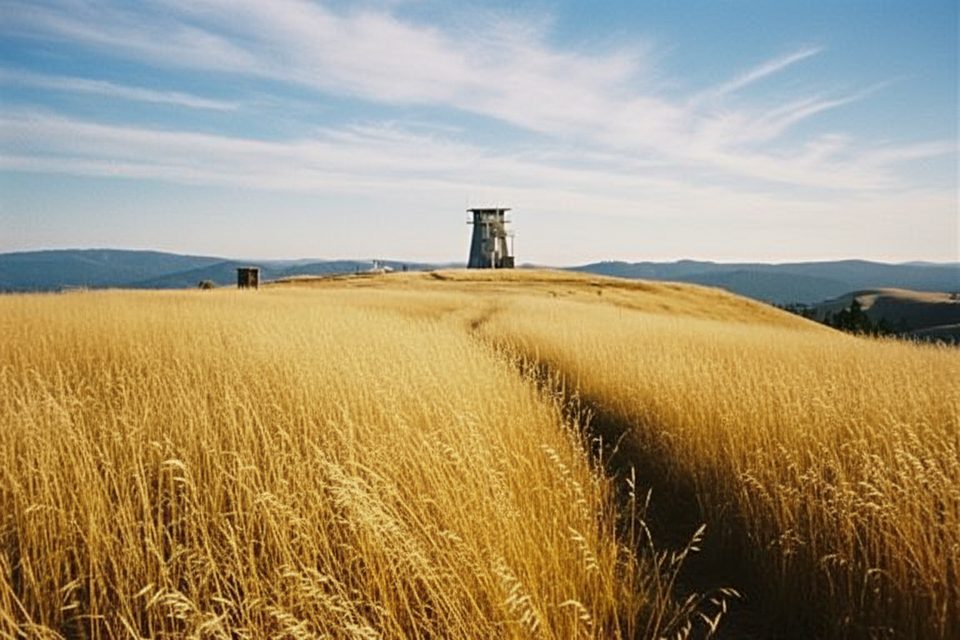
Lyons Ranch Historic District is a rare slice of open Bald Hills prairie in a park better known for towering redwoods. The 5,660-acre district preserves a 19th–20th century sheep‑ranching landscape and a powerful story of blended Hupa and Euro‑American heritage. Expect big skies, rolling grasslands with oak pockets, and wide views over the Redwood Creek watershed.
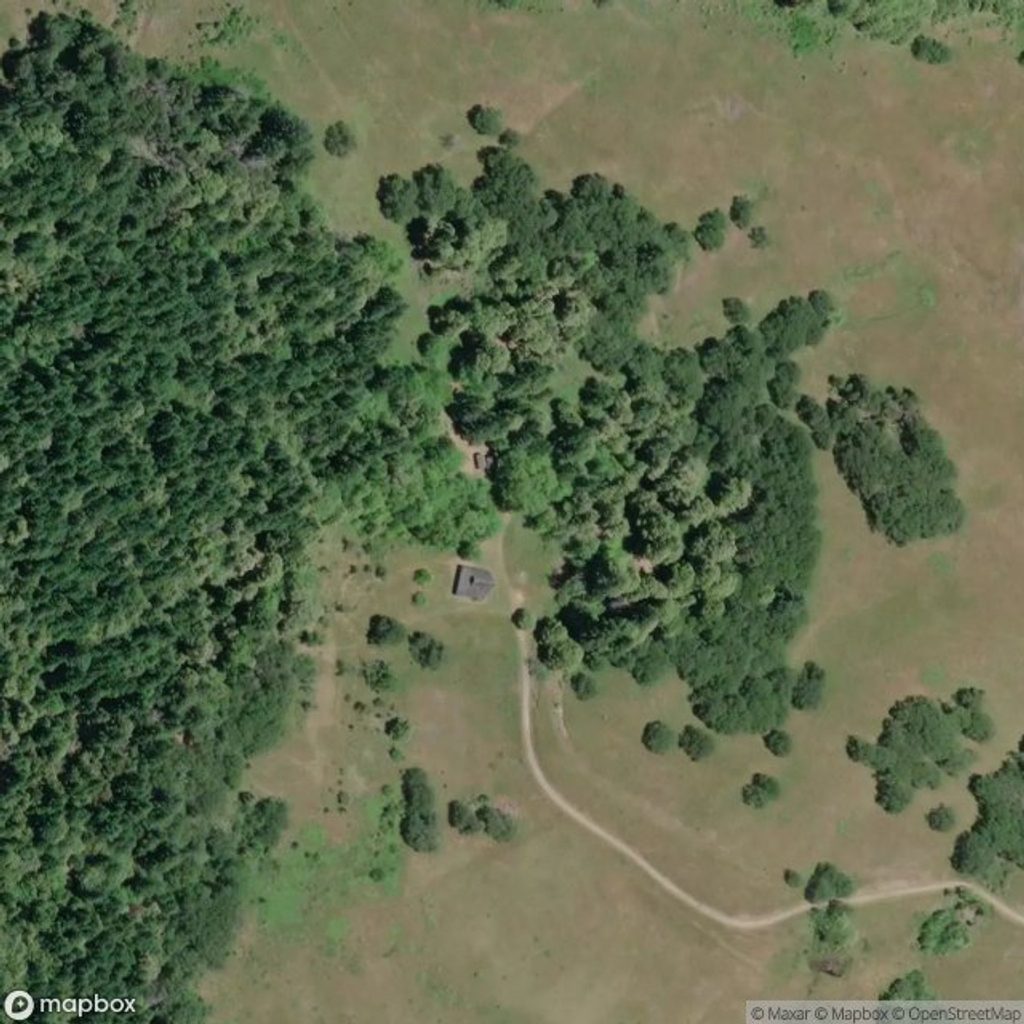
A gently descending ranch road (about 400 feet down) leads across prairie and oak groves to the Home Place, where historic structures sit amid old orchards, fencing, troughs, and ponds. Look for the large barn (dating to the late 1800s), bunkhouses, sheep sheds on surrounding ridges, and even a small cemetery near the barn. Some visitors report peeking inside select buildings; treat everything with care and respect closures.
Jonathan Lyons and his Hupa wife, Amelia, began ranching here in the 1870s. Their family became known for Merino sheep and prize‑winning wool (even a gold medal at the 1901 Paris Exposition). Indigenous cultural burning helped maintain these prairies for millennia, a practice the family continued until it was outlawed in the 1930s and later reintroduced by the park for prairie restoration.
Plan on 3.7–4.0 miles round trip with about 400–500 feet of total gain—easy going downhill, then a steady climb back. Shade is scarce, and summer heat can make the return feel tougher than it looks.
Black bears and Roosevelt elk frequent these hills, and snakes and lizards are common on warm days. Give wildlife plenty of space and keep your head on a swivel in the open prairie.
The trailhead sits off Bald Hills Road east of Orick. The last stretch is gravel and not recommended for RVs, campers, or trailers. There’s a small gravel lot (roughly a dozen cars) but no water or restrooms at the trailhead or ranch. You may find a picnic table at the ranch site itself—nice for a break if you bring lunch.
Carry extra water, sun protection, and layers—winds can whip across the prairies. Cell service is spotty to nonexistent, so bring a paper map or downloaded guide and tell someone your plan. Pets are not allowed on park trails. Stay on established paths and treat historic structures gently.
Place · 2 mi away
Place · 5.5 mi away
Place · 6.8 mi away
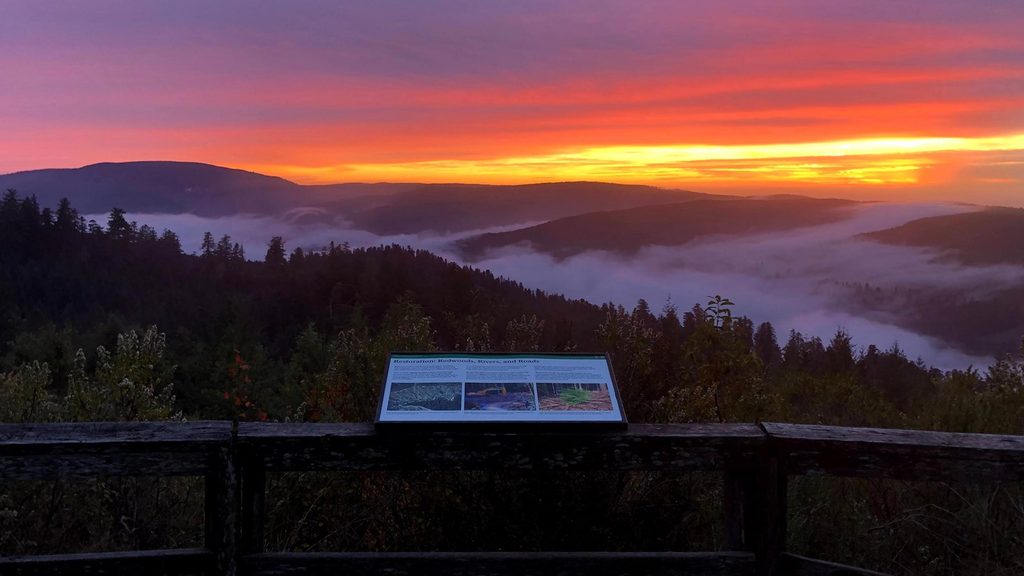
Place · 9.3 mi away
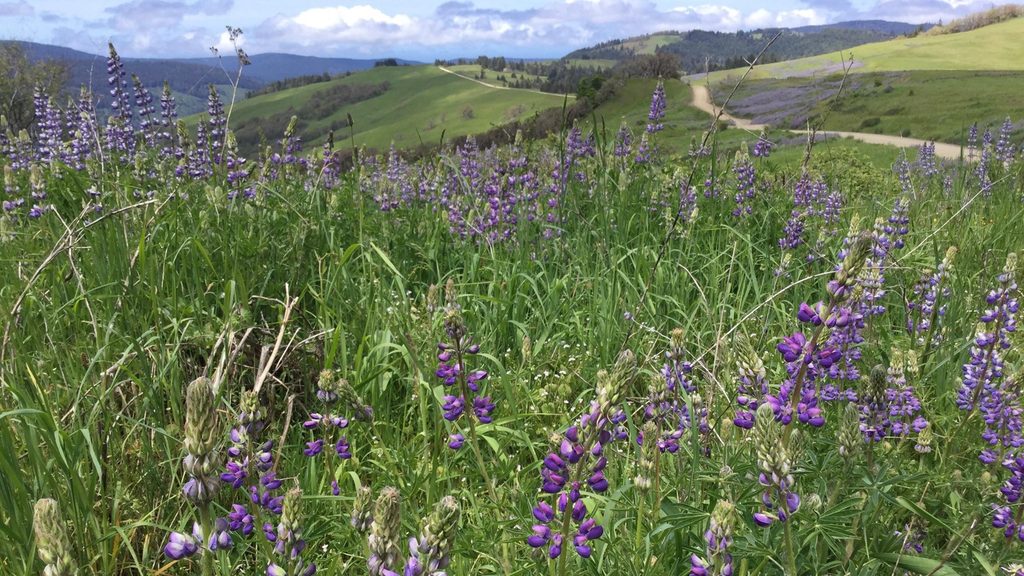
Moderate · 1.2 mi away
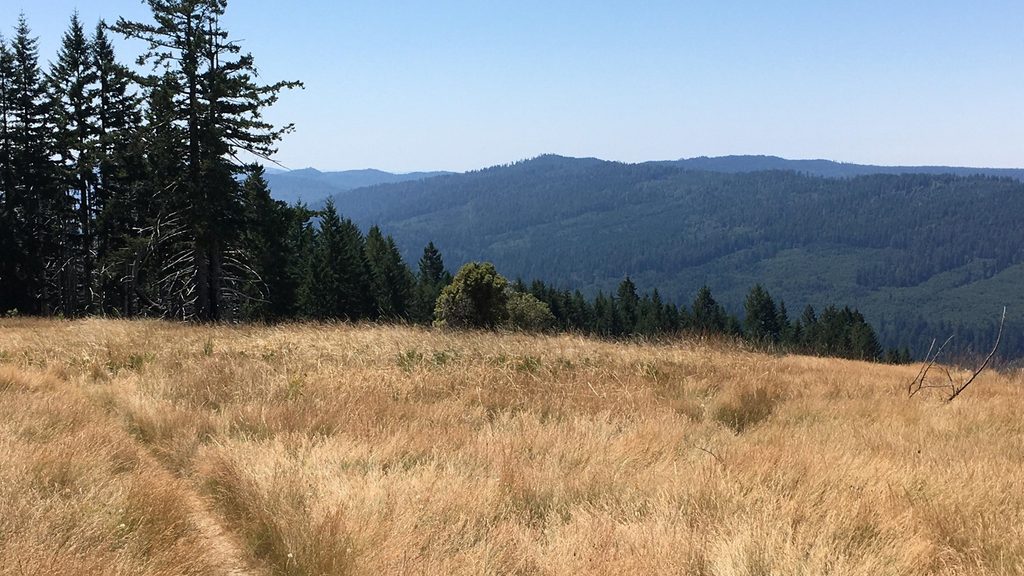
Challenging · 5.1 mi away

Challenging · 6.4 mi away
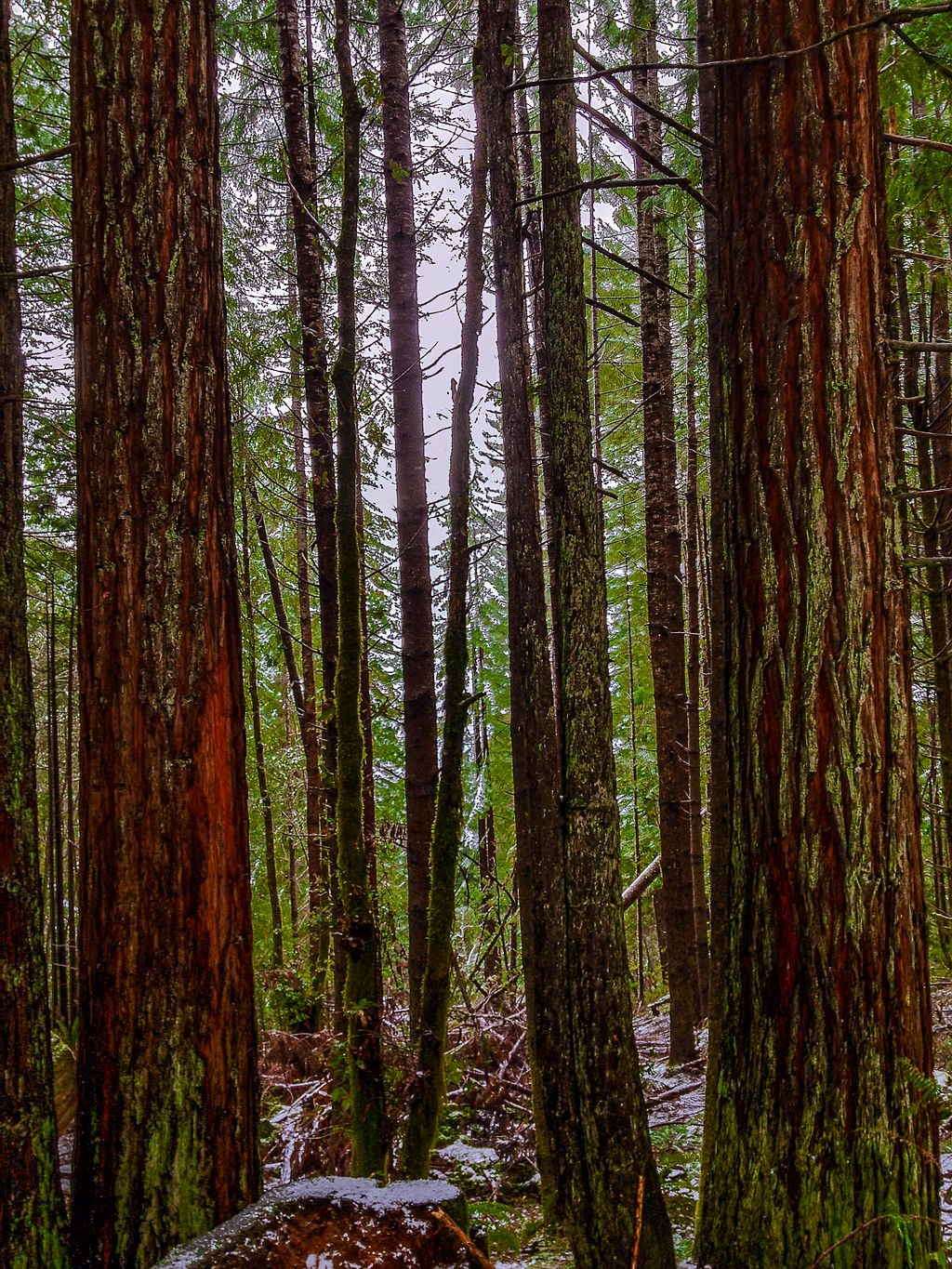
Easy · 12.8 mi away

Parkwolf Tour Guide
