
Place · 0.4 mi away
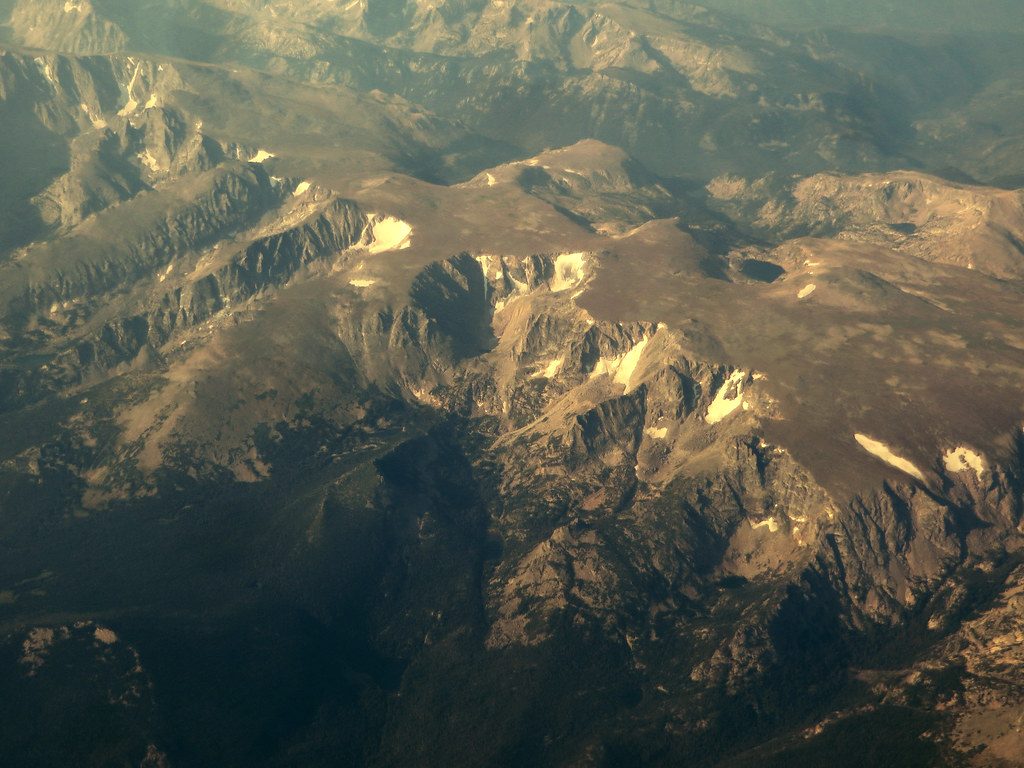
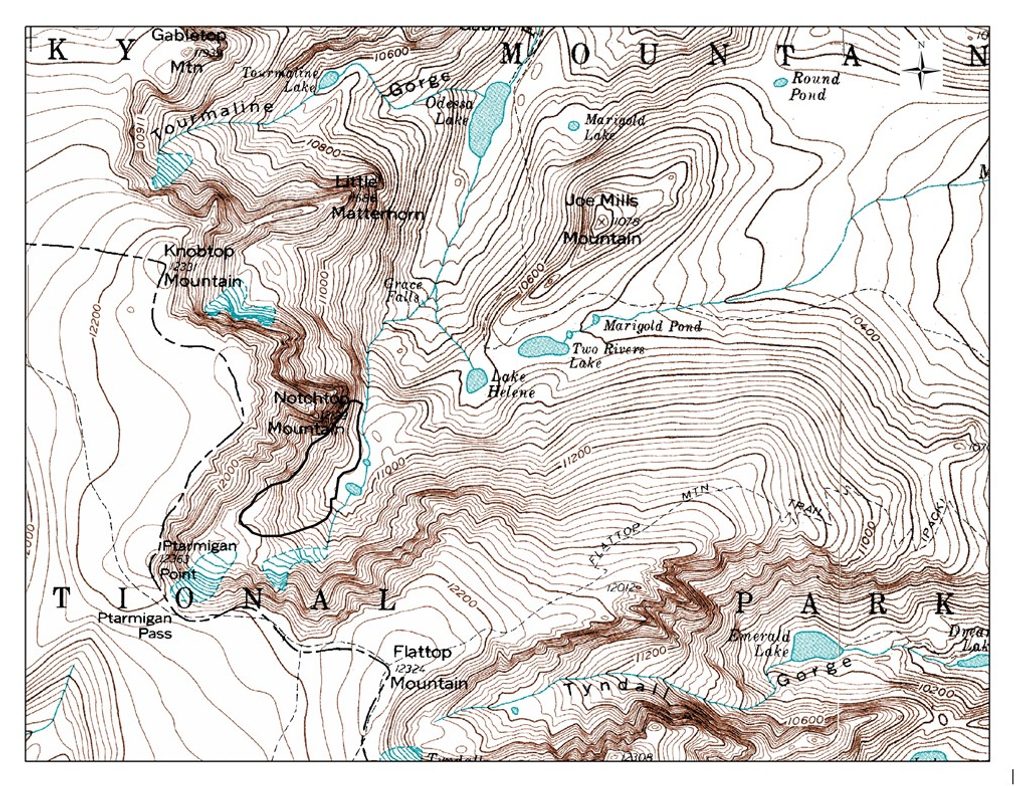
Flattop is a classic high-country objective: a steady climb from Bear Lake to a broad, aptly named summit on the Continental Divide. Count on about 8.8 miles round trip and roughly 2,800–2,900 feet of gain, with real effort coming from the altitude and sustained grade. The payoff is big—sweeping views toward Hallett Peak, Notchtop, the Mummy Range, Ptarmigan Point, the Never Summer Range, and a close look at Tyndall Glacier when visibility is good.
From Bear Lake, the wide, well-built trail switchbacks upward with early peeks toward Dream and Emerald Lakes below. Footing grows rockier as you near treeline, and winds often pick up. Above treeline, follow cairns across alpine tundra to the flat summit area and trail junction on the Divide. Some hikers find the literal "top" a bit anticlimactic because it’s a broad plateau, but wander a short way (staying on durable surfaces) and the vistas open 360 degrees. If you’ve got energy and weather, tacking on Hallett Peak adds bigger, boulder-top views.
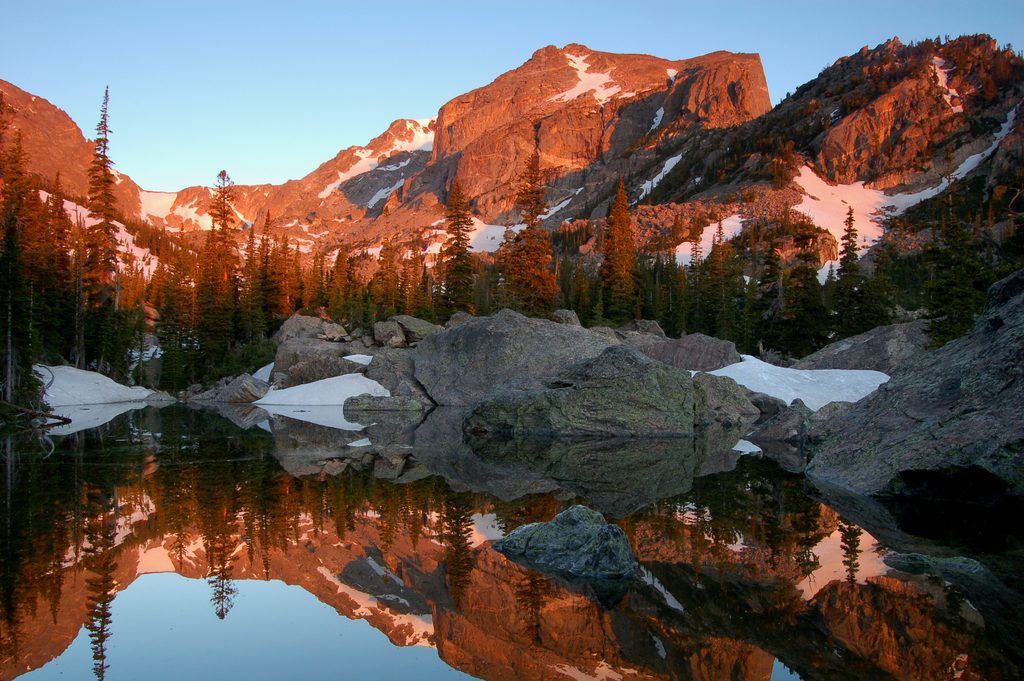
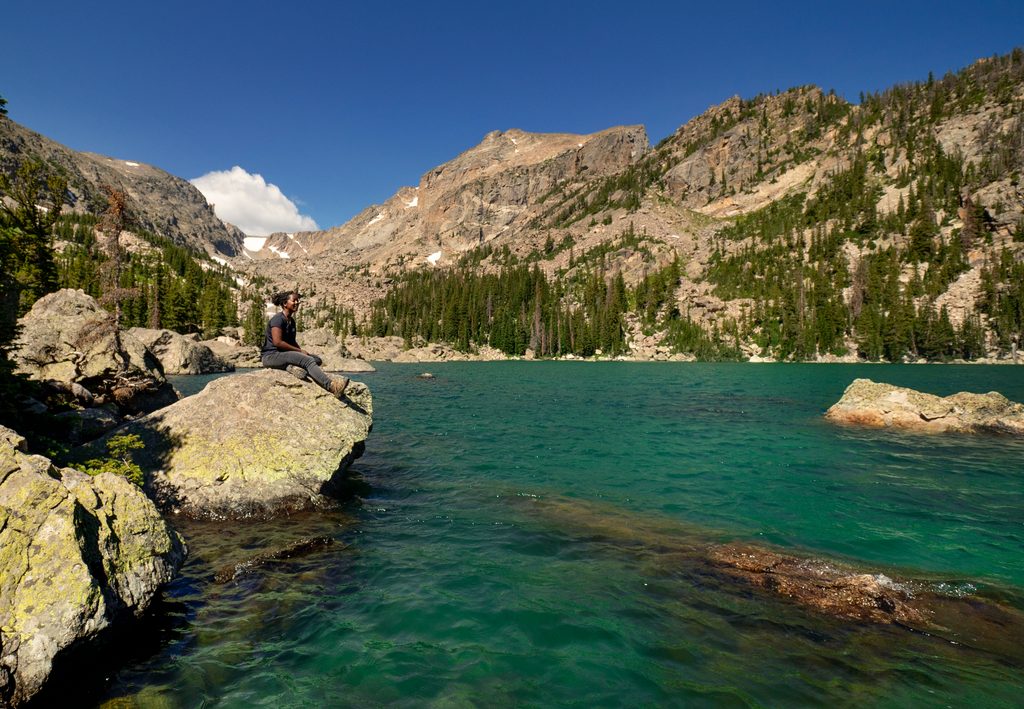
You get big alpine scenery fast: lake basins framed by Hallett’s dramatic face on the way up, then the feeling of standing on the spine of the Rockies at the top. It’s also a gateway—continue west on the Tonahutu Trail toward Ptarmigan Pass and Big Meadows to traverse the park when shuttles/logistics allow.
This route is great for classic alpine critters—marmots and pikas are commonly seen above treeline. Elk are possible, and moose are more often spotted on the park’s west side if you continue toward Tonahutu.
Start early. Afternoon thunderstorms with hail and lightning are common, and there’s no real shelter on the open plateau—aim to be back below treeline by late morning if clouds build. Expect it to feel much colder and windier up high, even in summer. The altitude can hit hard; hydrate, eat, pace yourself, and descend if symptoms worsen. In shoulder season and winter, snow and ice linger (even into early summer in spots); microspikes—and sometimes snowshoes when coverage is deep—make a big difference. Above treeline, the route is cairned and cell service is unreliable, so bring an offline map.
Bear Lake Road can require a timed-entry reservation in busy seasons, and the Bear Lake lots fill early. Use the free Park & Ride shuttle if parking is full. Restrooms at the trailhead are basic and can be rough—plan accordingly.
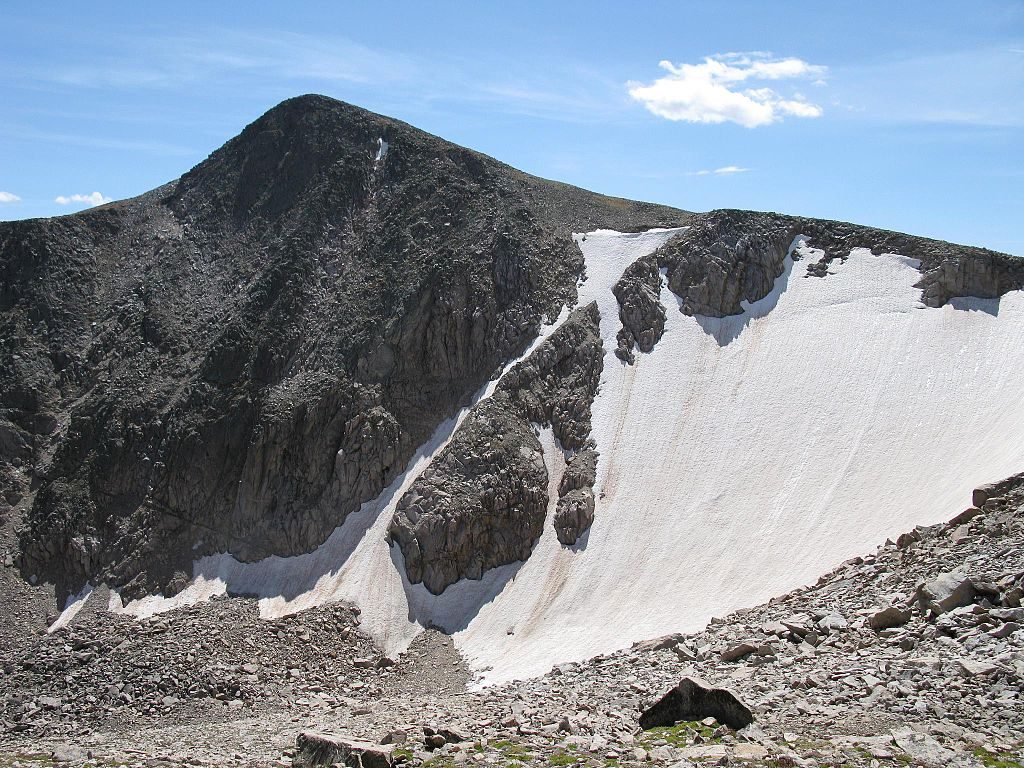
Glaciers sculpted this landscape into broad U-shaped valleys, leaving moraines that mark former ice margins. The flat-topped summit area sits on the Divide above cirques and the remnant ice of Tyndall Glacier.
Summer through early fall offers the clearest trail, wildflowers, and more stable footing. October can be lovely with thinner crowds when weather cooperates, but expect cold and wind. Whatever the season, a dawn start beats the parking crunch and the daily thunderstorm cycle.
Place · 0.4 mi away
Place · 0.6 mi away
Place · 0.7 mi away
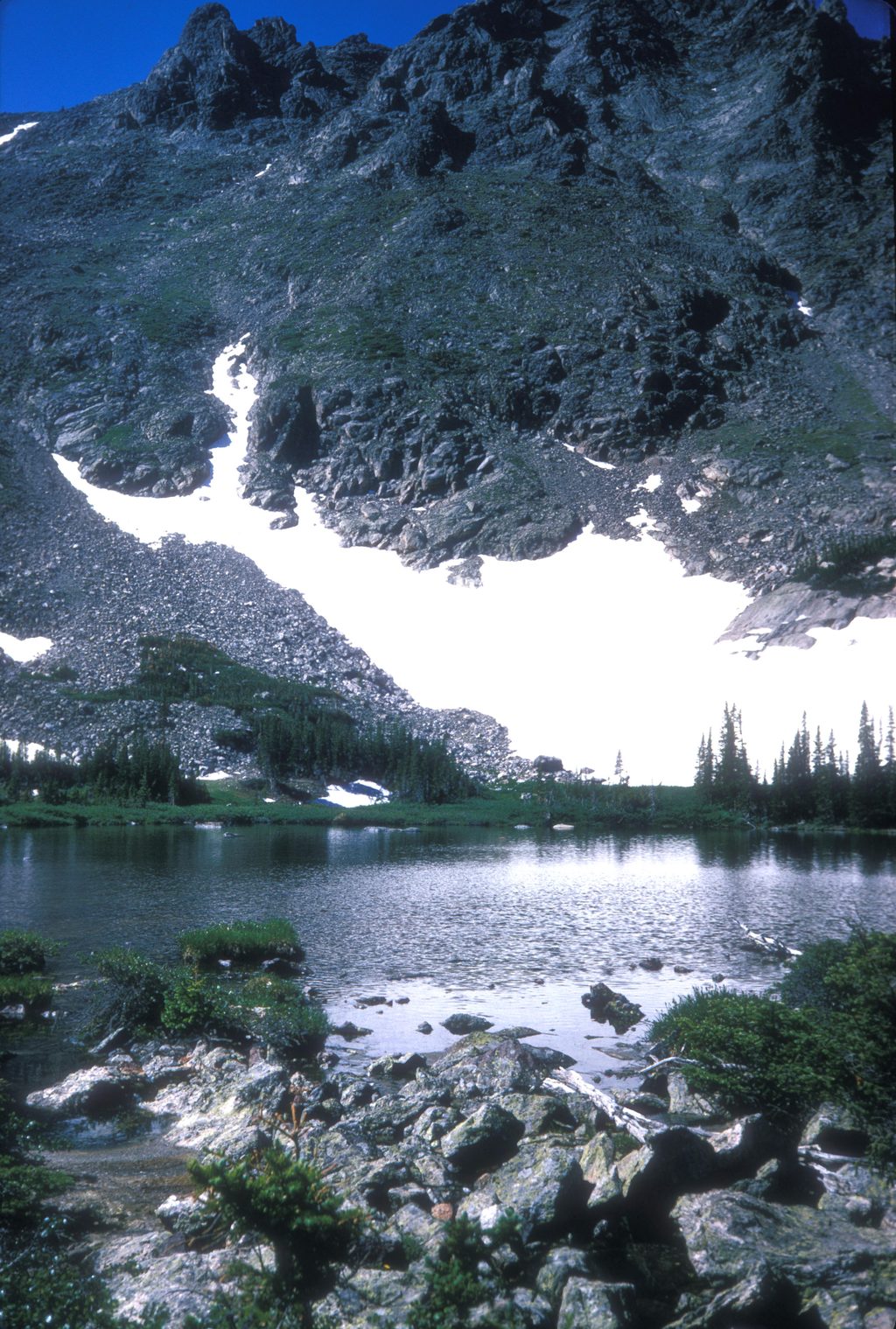
Place · 0.9 mi away
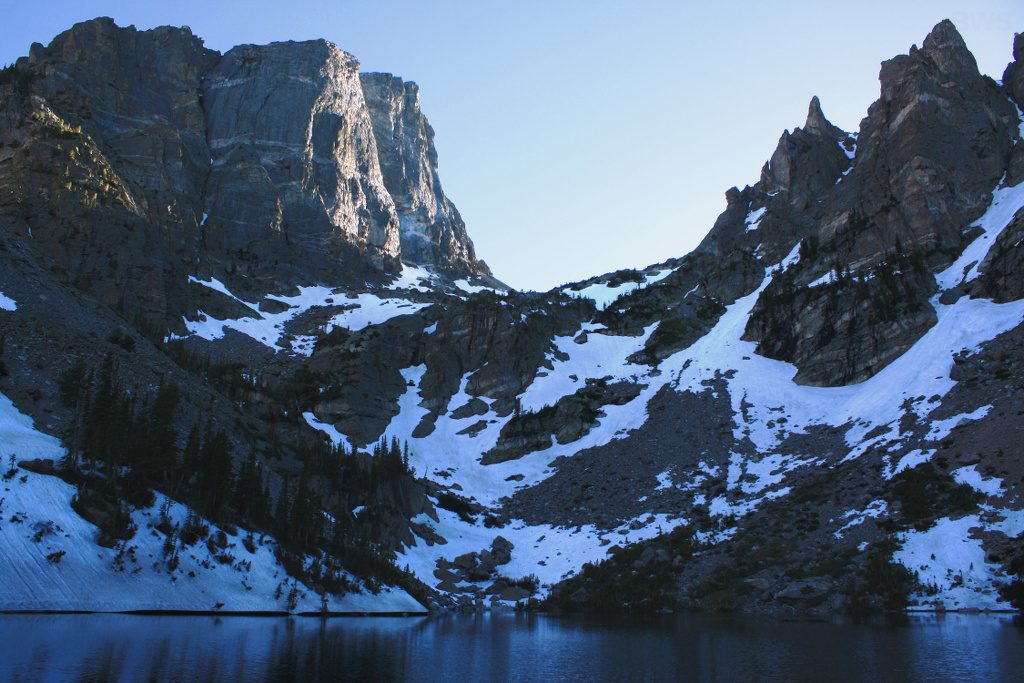
Moderate · 2.5 mi away
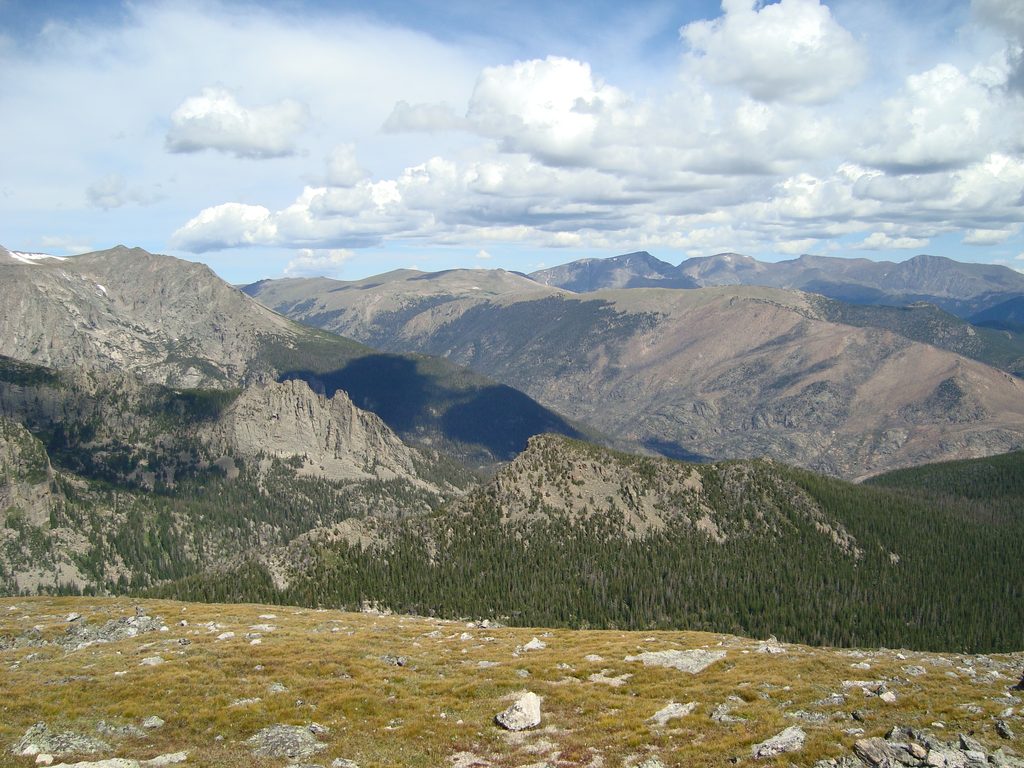
Challenging · 2.5 mi away
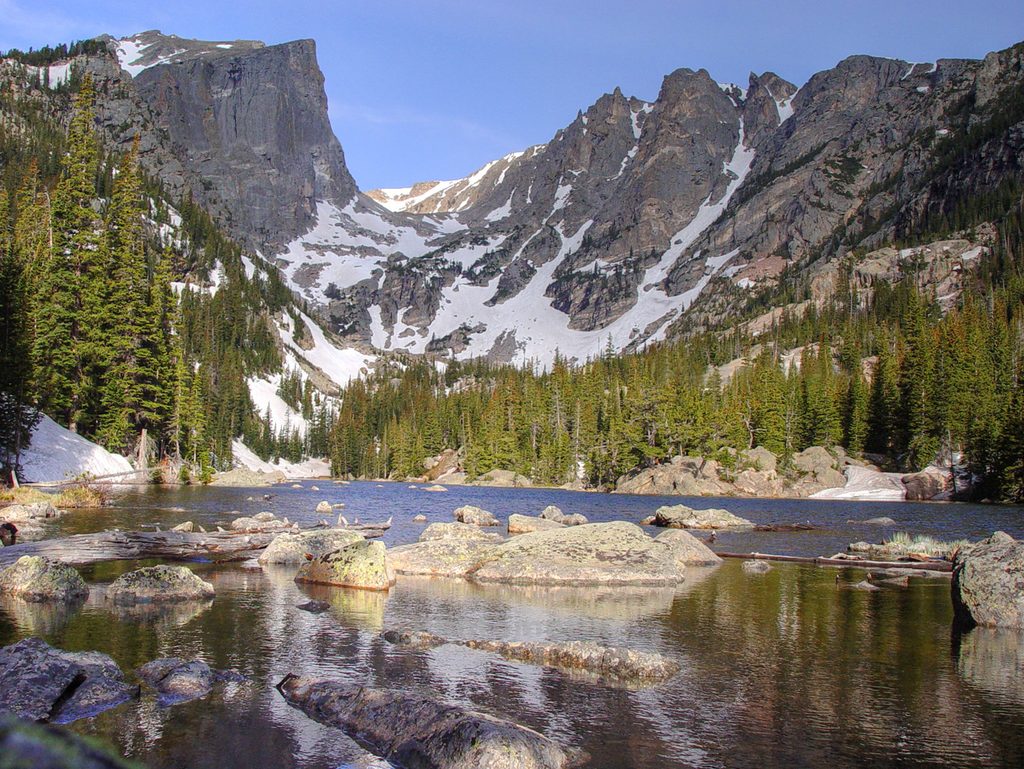
Easy · 2.5 mi away
Moderate · 2.5 mi away

Parkwolf Tour Guide
