
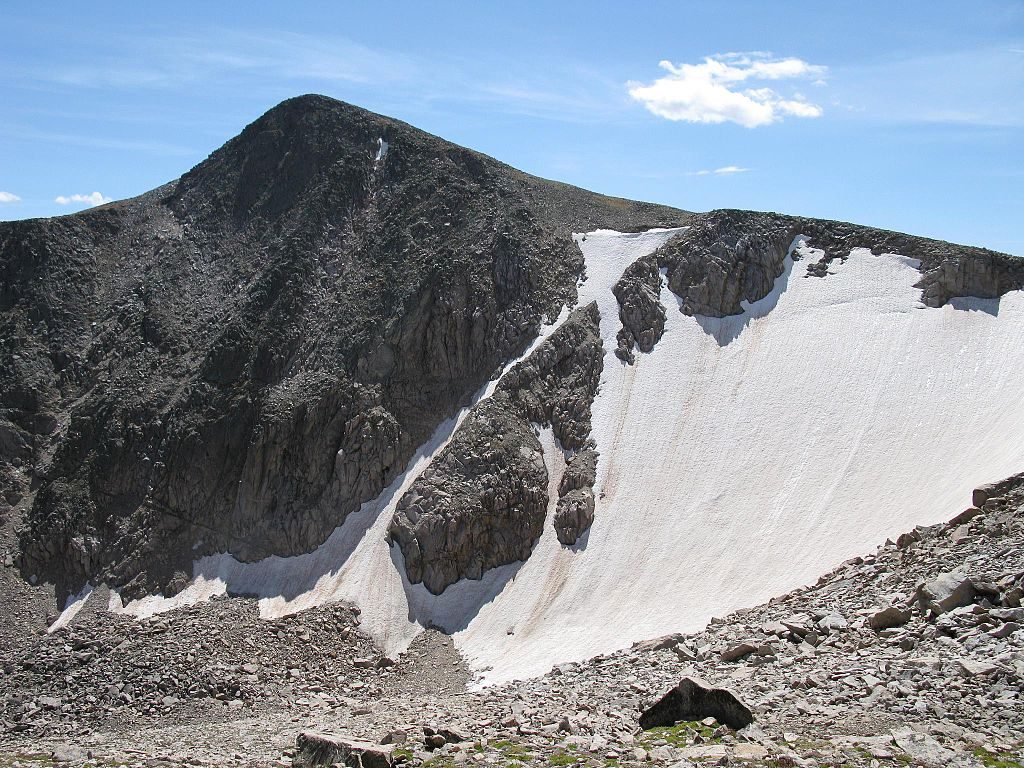
Place · 0.2 mi away
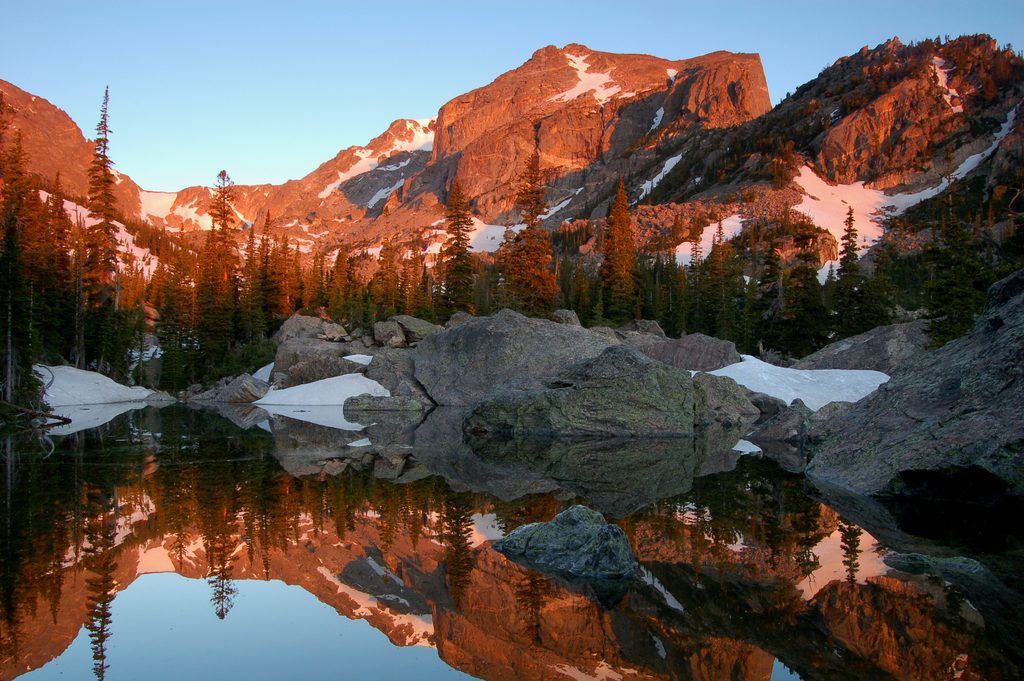
Hallett Peak (12,720 ft) towers above the Bear Lake area and delivers one of the park’s best summit panoramas. Expect a hard, high-elevation day: roughly 9.7–10.3 miles round trip with 3,240–3,270 feet of gain. You’ll climb the well-built Flattop Mountain Trail and then peel off onto a cairned, off-trail spur to Hallett’s rocky summit.
From the top: Longs Peak and the Keyboard of the Winds, Otis and Taylor to the south, Flattop and Notchtop to the north, the Mummy Range, Ptarmigan Point, the Never Summer Range, and even Grand Lake and Shadow Mountain Lake on clear days. Along the way, keep an eye out for marmots, pikas, ptarmigan, and brown‑capped rosy‑finches; mountain sheep or goats are occasionally reported near the summit.
This hike is solidly hard due to the elevation and sustained climb. Above treeline you’re exposed to wind, sun, and fast‑moving weather. Summer afternoons often bring lightning—plan to be off the summit by midday. In winter or when snow lingers, this turns into a mountaineering objective with avalanche exposure; only attempt with training, proper gear, and conservative judgment. In late spring/early summer, specialty snow routes (like couloirs) are strictly for experienced climbers.
Access is via the Bear Lake Trailhead at the end of Bear Lake Road. The lot fills early in peak season; the park shuttle is a good backup. The Bear Lake area has trailhead restrooms but don’t expect running water—bring everything you need. Cell service is unreliable, so download an offline map. In peak season, you’ll need both a park pass and a timed-entry reservation for the Bear Lake Road corridor.
Clear, early mornings are your friend—start before dawn or at first light to secure parking, enjoy calmer winds, and beat thunderstorms. Weekdays are quieter than weekends. Photography is best in the morning when air is crisp and shadows give texture to the Divide. Shoulder seasons can be fantastic if you’re prepared for cold, wind, and icy sections.
The high tundra is fragile. Above treeline and on the cairned spur, stay on durable rock and follow cairns; where the path is indistinct, spread out on rock to avoid trampling the same vegetation patches repeatedly.
Place · 0.2 mi away
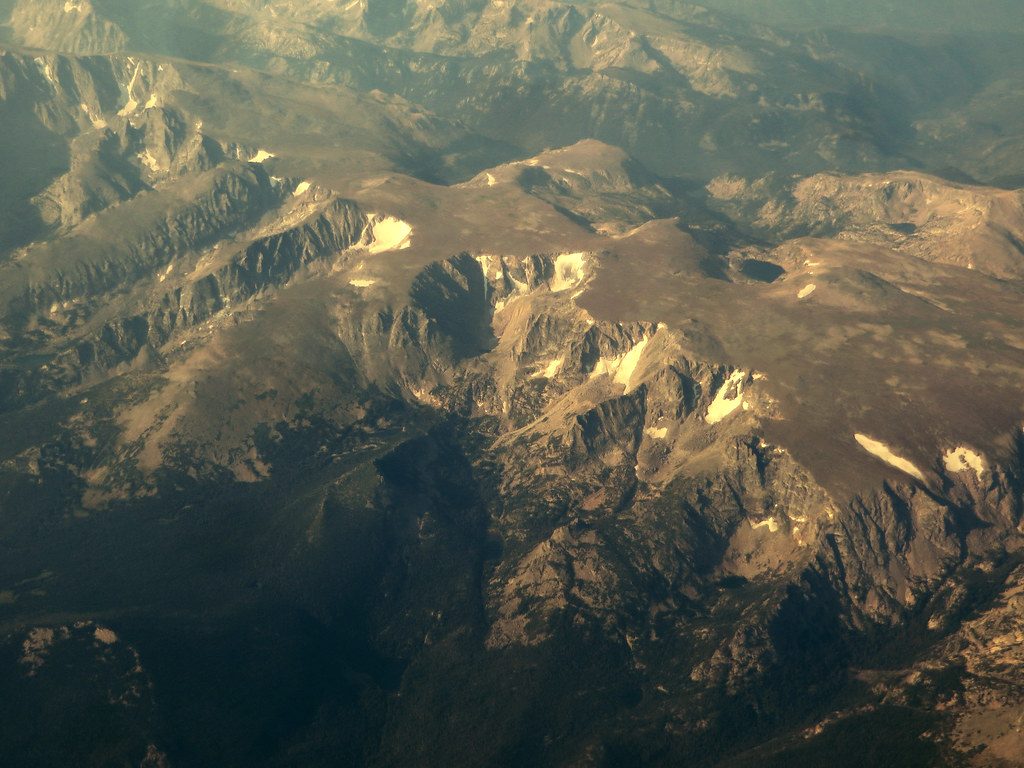
Place · 0.6 mi away
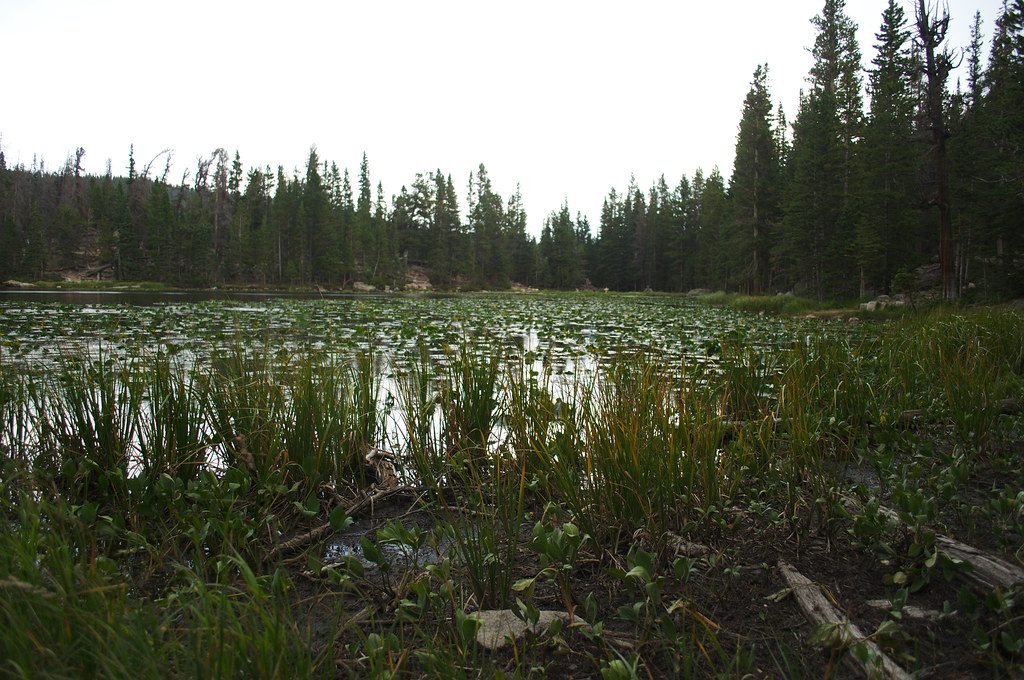
Place · 1 mi away
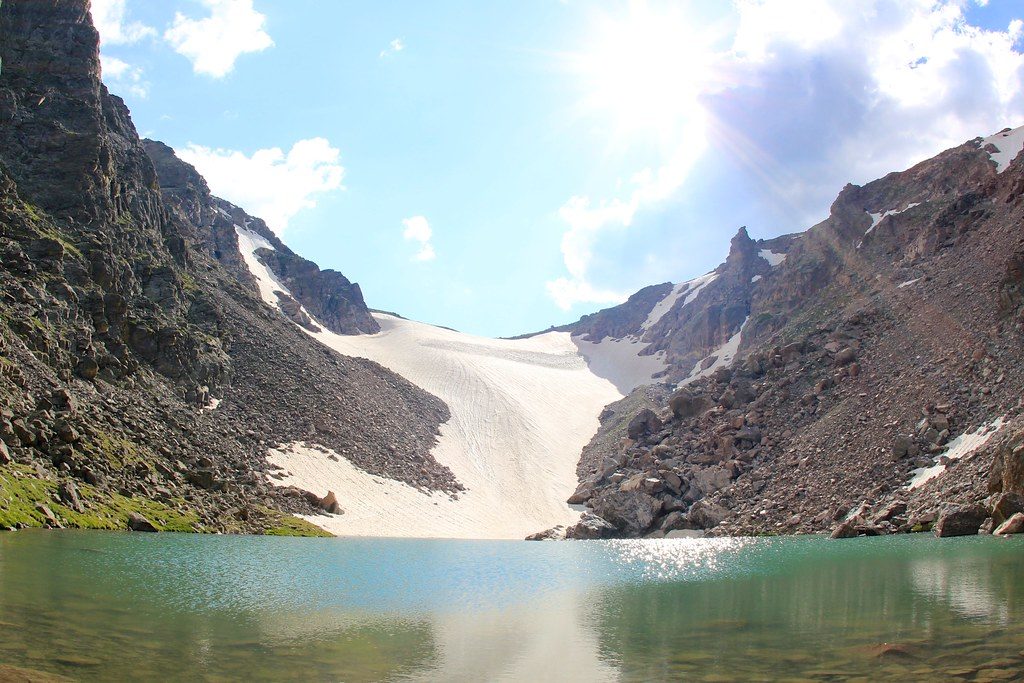
Place · 1 mi away
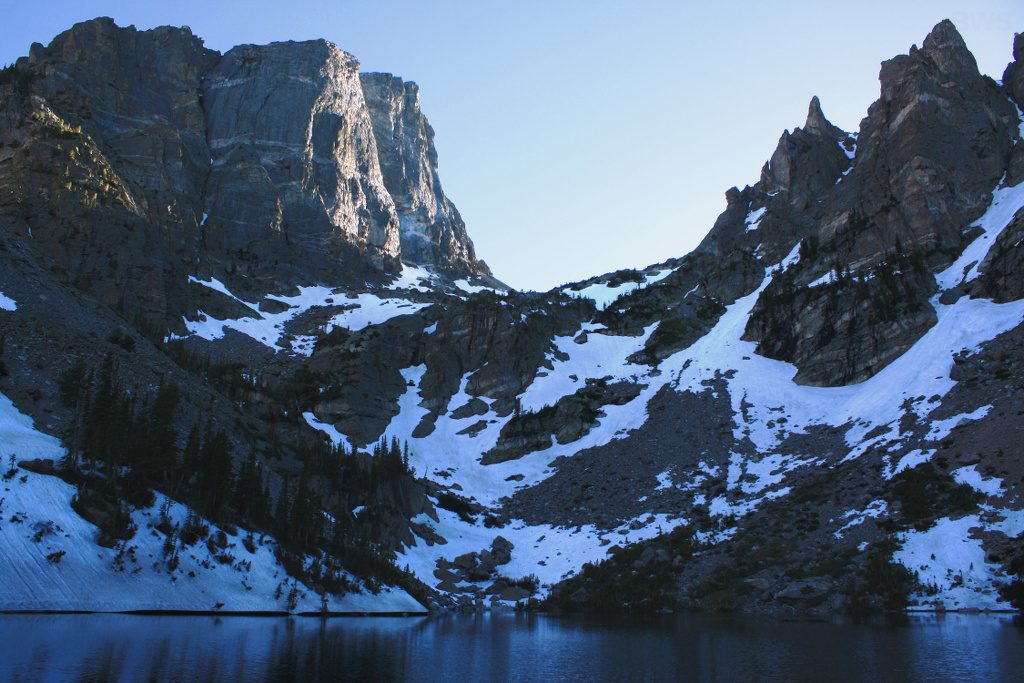
Moderate · 2.2 mi away
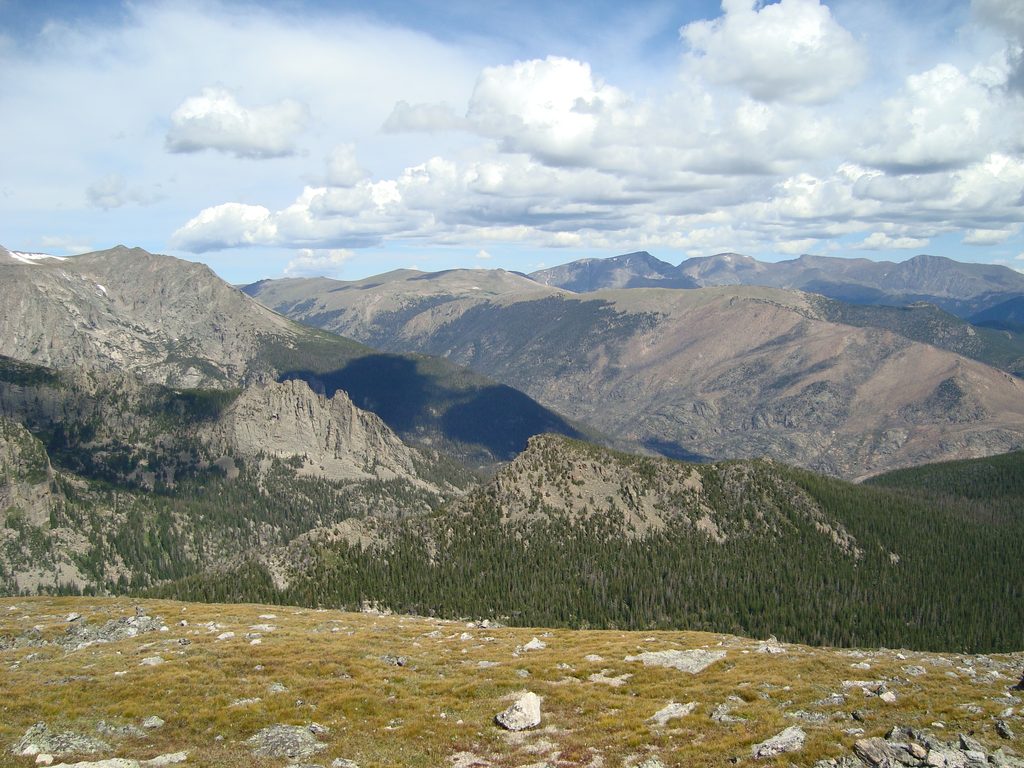
Challenging · 2.2 mi away
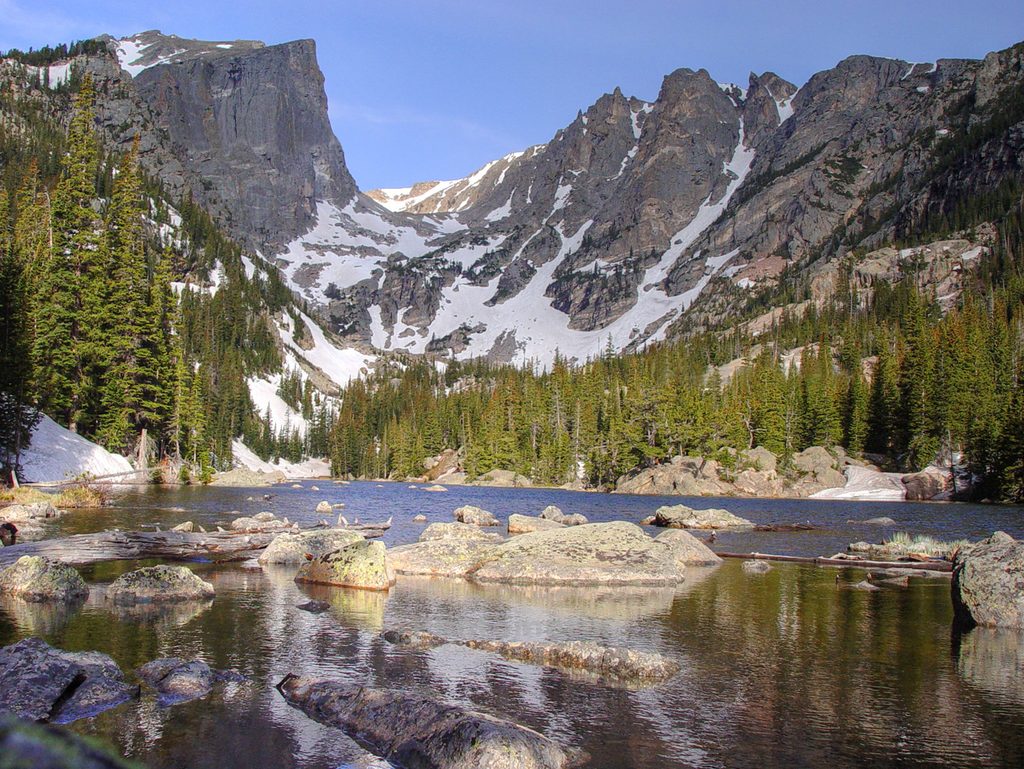
Easy · 2.2 mi away
Moderate · 2.2 mi away

Parkwolf Tour Guide
