
Place · 0.2 mi away
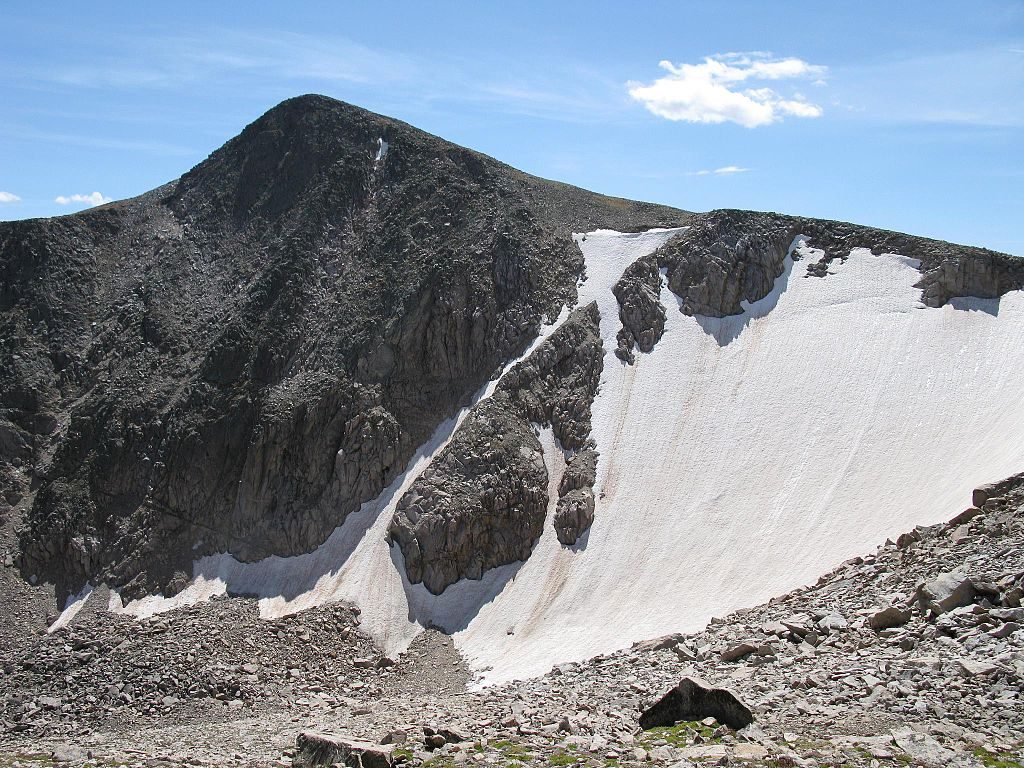
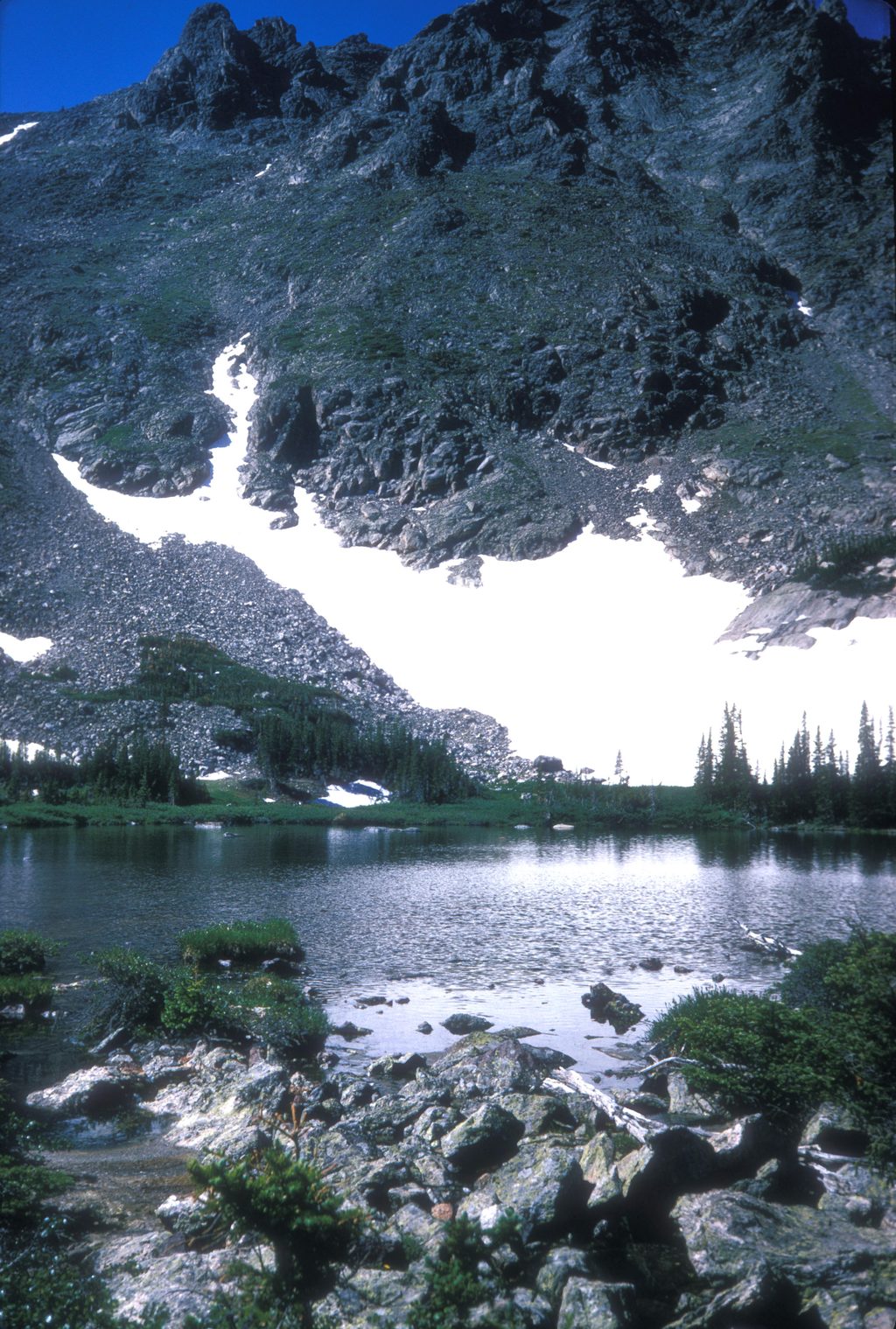
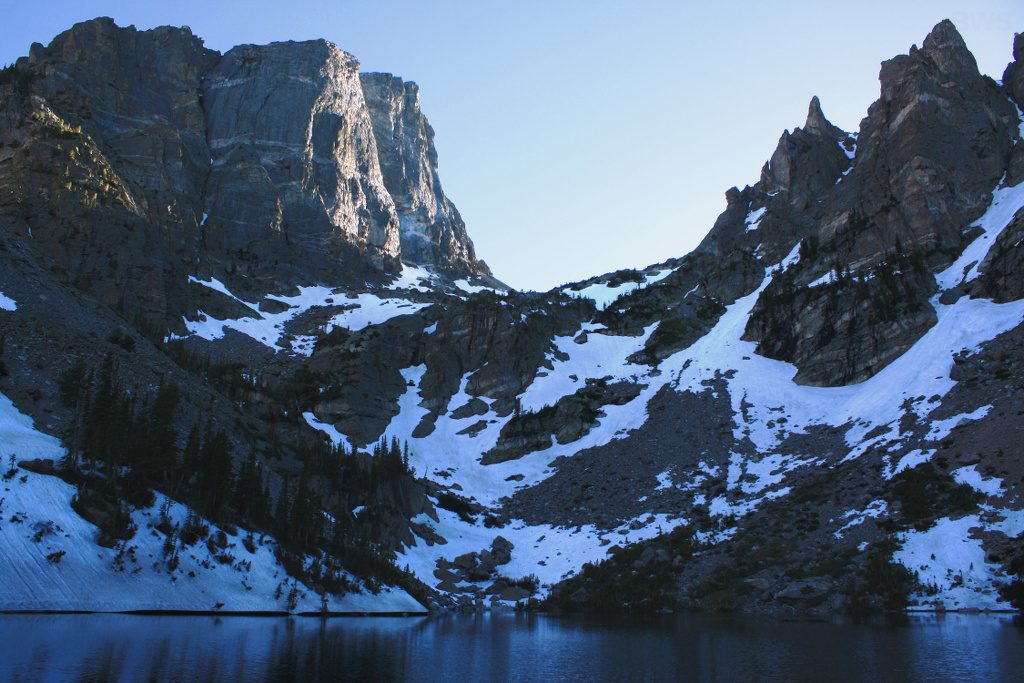
Tyndall Glacier clings high in Tyndall Gorge on the park’s east side—one of the small, remnant ice features that give this alpine landscape its drama. It’s a Little Ice Age leftover that’s been shrinking, with park scientists warning of pronounced declines in seasonal snow and likely loss of the park’s glaciers by late century as the climate warms.
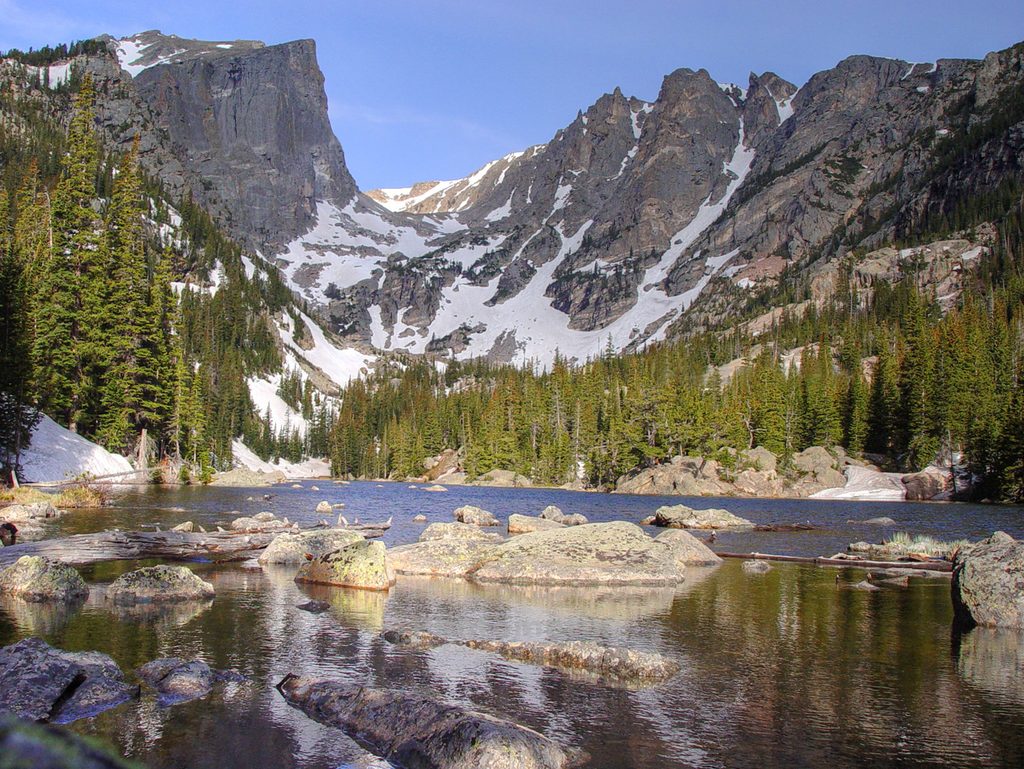
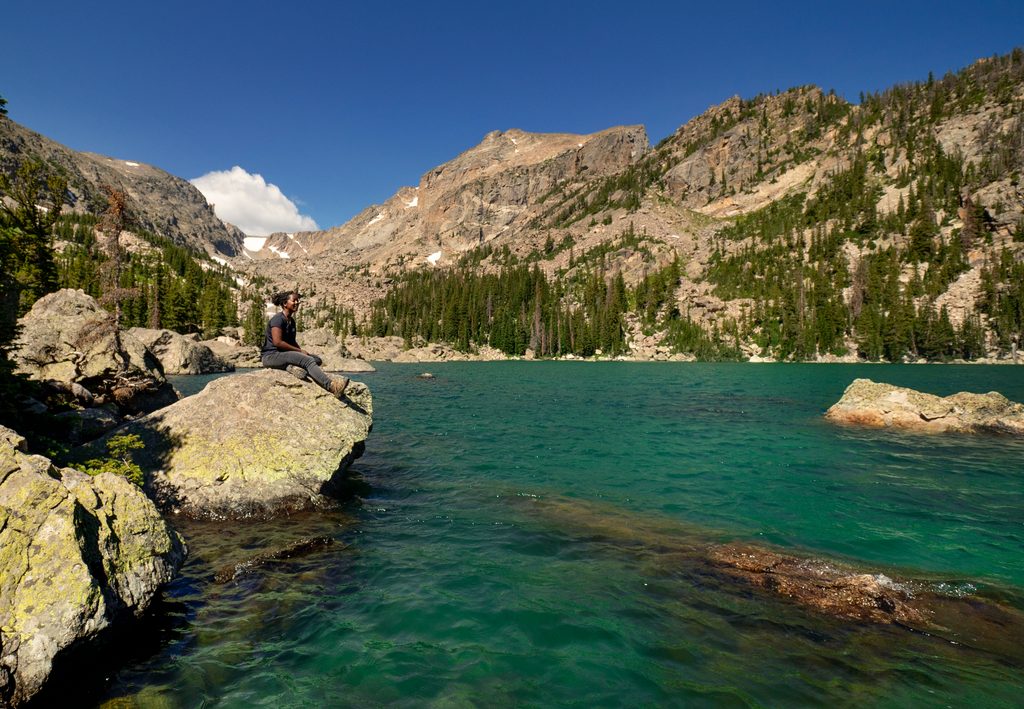
From the end of the popular Nymph–Dream–Emerald Lakes hike, you’re looking straight into Tyndall Gorge at the glacier tucked beneath Hallett Peak and Flattop. Strong hikers and peak-baggers also glimpse it from above on those summits. Expect stark rock walls, a hanging snow/ice apron, and classic high-alpine scenery.
For most visitors, this is a visual prize at the head of the Emerald Lake basin—no special gear needed if you’re just viewing from the trail. For experienced parties, Tyndall is a late‑spring ski mountaineering and snow climb objective when coverage is good. Think sustained steep snow, early starts for firm conditions, and variable spring surface textures.
These small glaciers and perennial snowfields survive in shaded cirques carved by much larger Pleistocene ice. They persist where topography traps snow and slows melt. Ongoing monitoring documents their retreat and seasonal variability, underscoring how sensitive these features are to warming temperatures and shifting snowfall patterns.
There’s no dedicated “Tyndall Glacier trailhead.” Start from Bear Lake Trailhead and follow the well-loved route past Nymph, Dream, and Emerald Lakes for the best viewpoints. Bear Lake parking fills early; plan an early arrival or use the park shuttle as a backup. A timed-entry permit system is in effect in peak season. If you want a nearby base, Glacier Basin Campground sits along the Bear Lake Road corridor and operates by reservation.
Snow and glacier conditions change quickly with weather and season. If you venture onto snow, bring and know how to use a helmet, ice axe, crampons (or ski crampons), and avalanche gear in winter–spring. Expect rockfall near melt-out and moats at the margins. Protect fragile tundra by traveling on durable surfaces—snow or rock—wherever possible.
Place · 0.2 mi away
Place · 0.4 mi away
Place · 1 mi away
Place · 1.1 mi away
Moderate · 2.3 mi away
Challenging · 2.3 mi away
Easy · 2.3 mi away
Moderate · 2.3 mi away

Parkwolf Tour Guide
