
Place · 0.2 mi away
Challenging
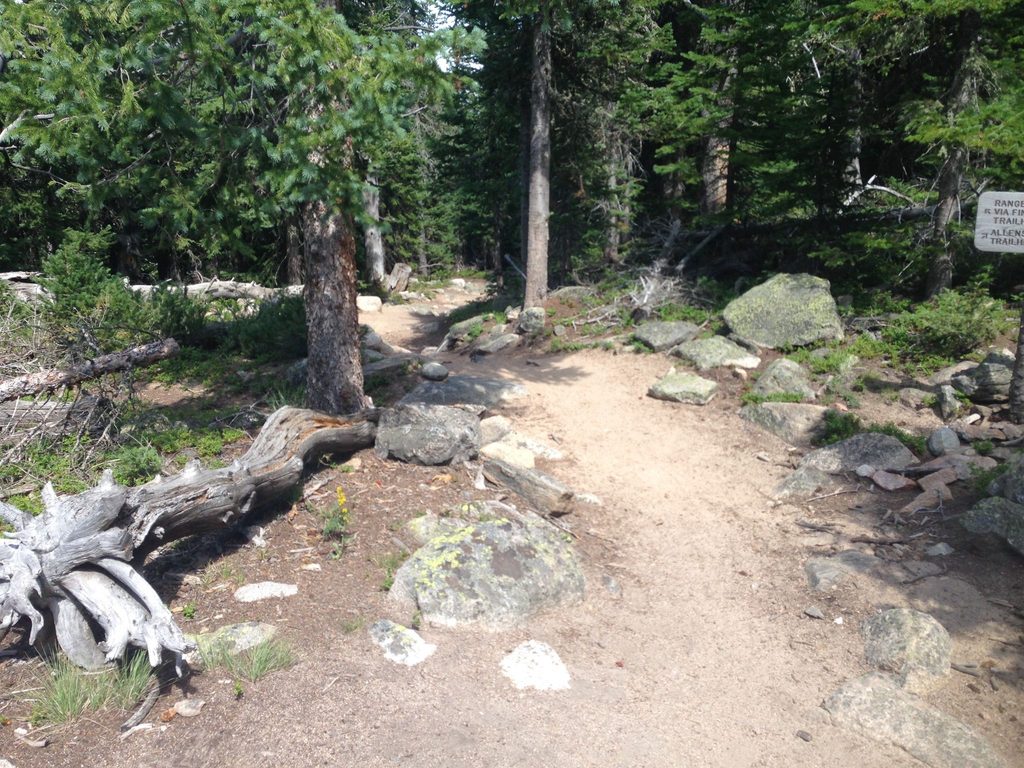
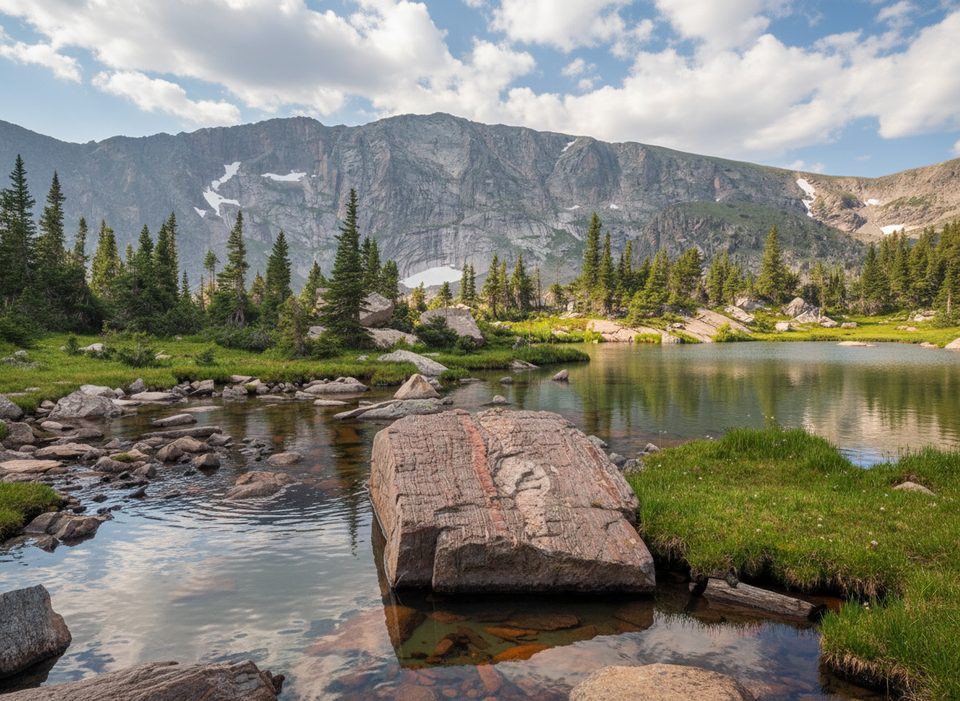
This is a long, woodsy out-and-back to two serene lakes in the Wild Basin corner of the park. From the Finch Lake Trailhead, expect about 12.3 miles total with a steady climb and a steeper finish to reach the more remote Pear Lake. The reward: crowd-thinning miles, creek crossings, summer wildflowers, and a dramatic cirque beneath Copeland Mountain.
Most hikers start at the Finch Lake Trailhead off Wild Basin Road. It’s a well-signed path that climbs early, undulates toward Finch Lake, then tackles a steeper ascent up the Cony Creek drainage to Pear Lake. Plan on 6–7 hours for most hikers. An alternate start from Allenspark trims it to roughly 11.3 miles round-trip, but parking there is extremely limited in a neighborhood—use only the signed spaces and never block driveways.
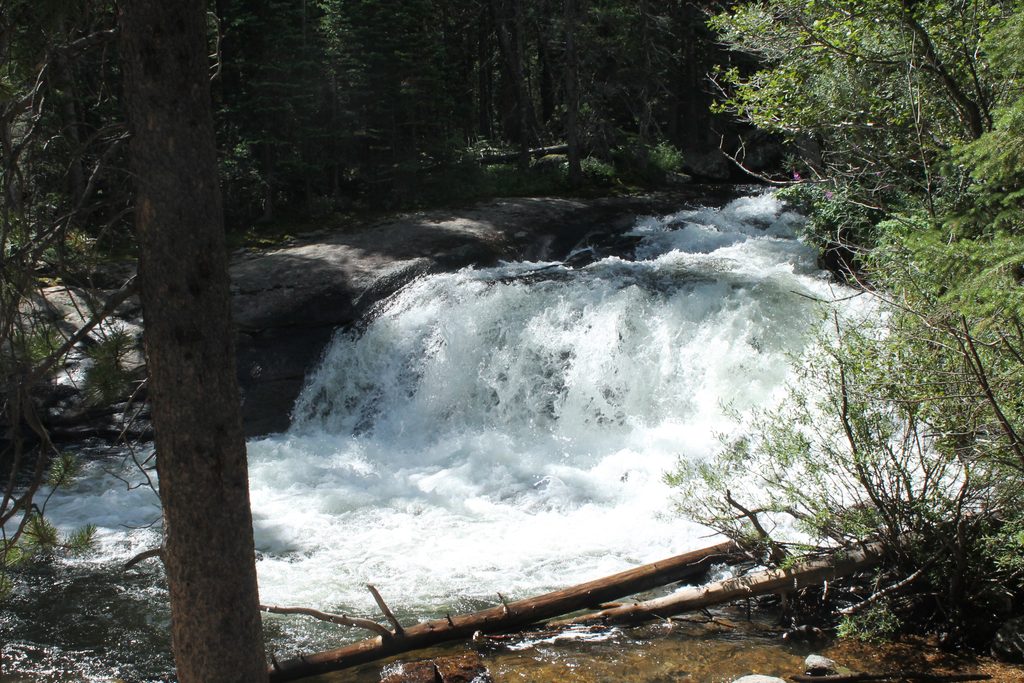
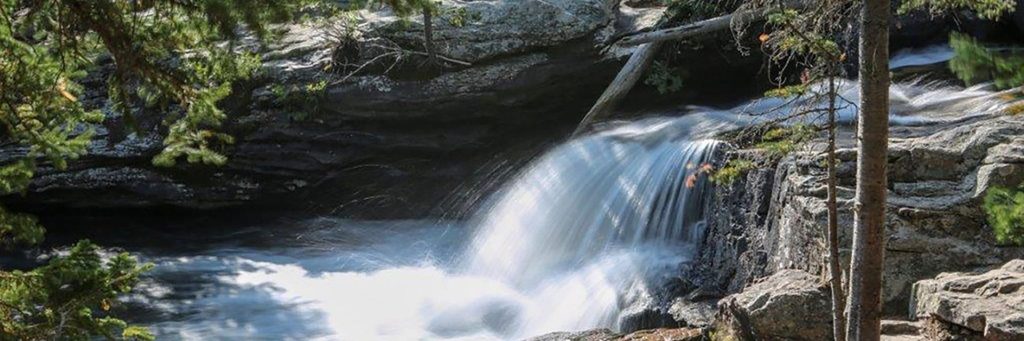
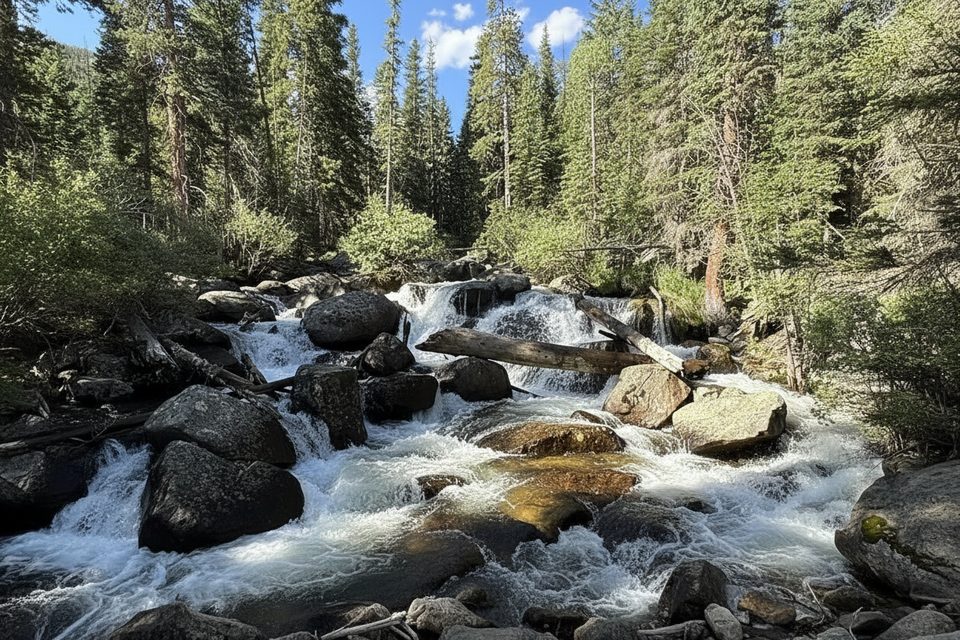
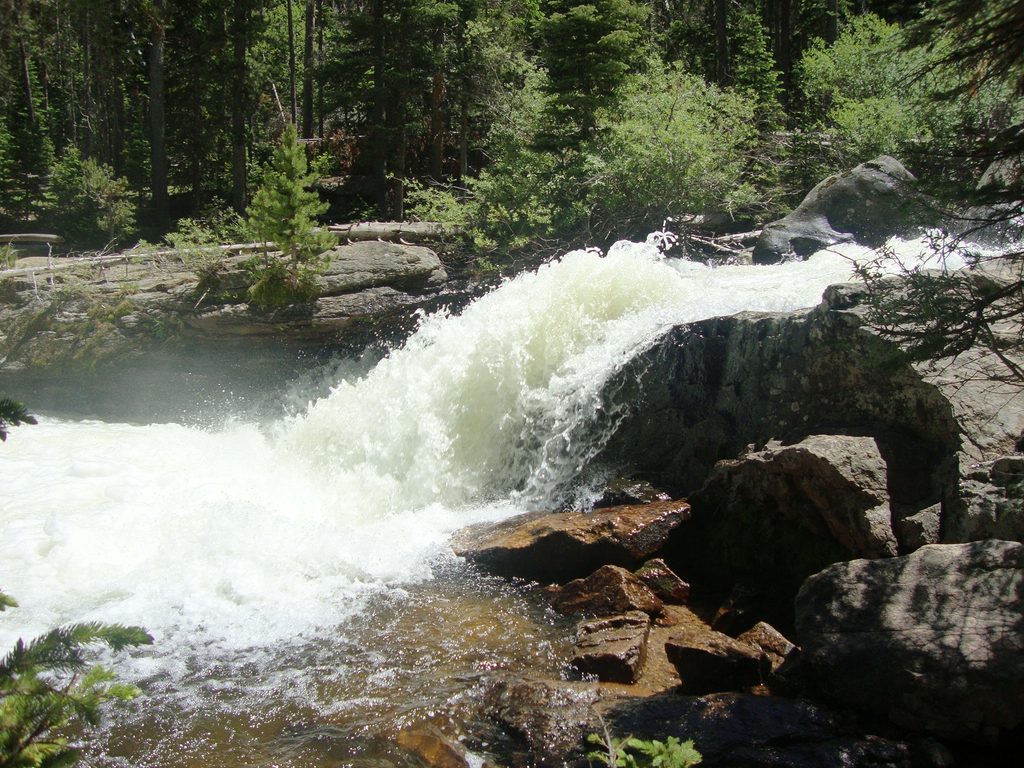
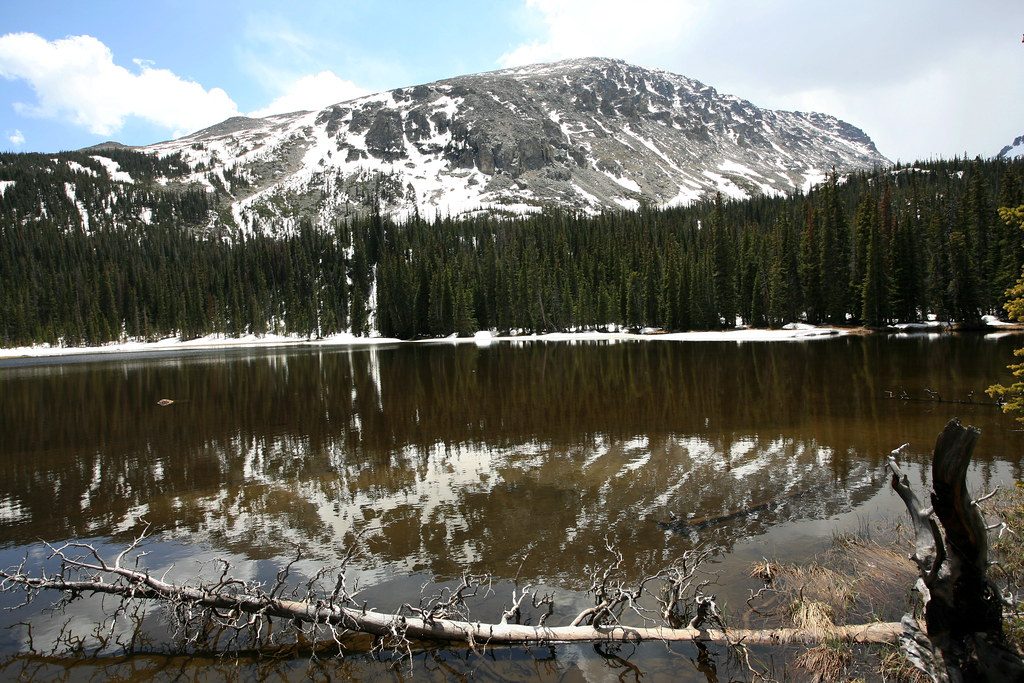
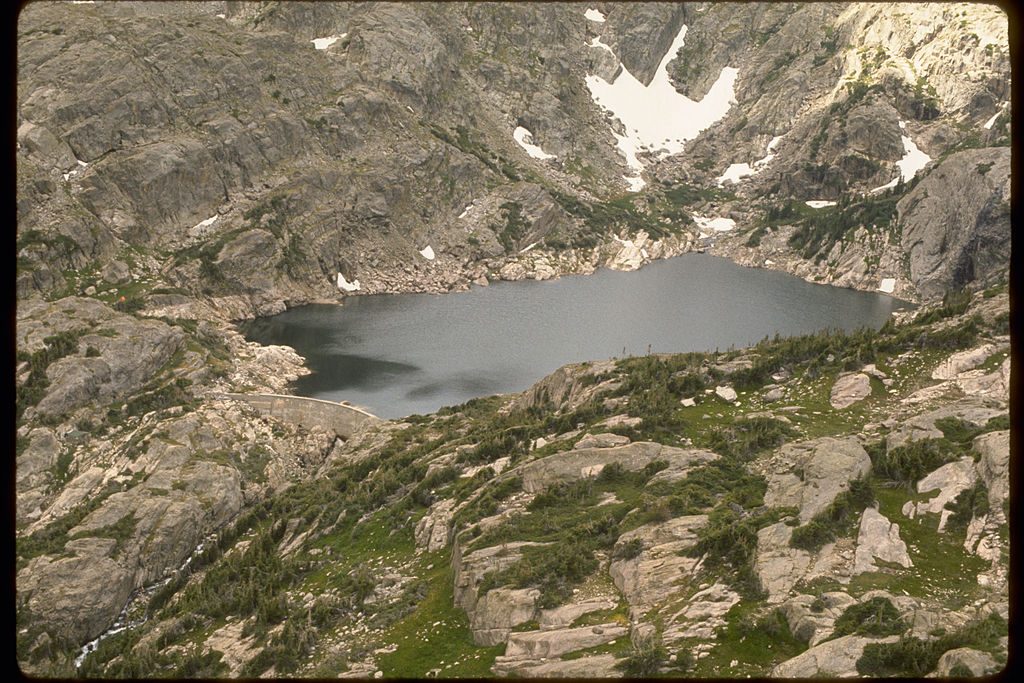
The trail spends long stretches in dense forest with intermittent openings—expect glimpses of the high peaks and a quieter vibe than the park’s marquee lake hikes. Finch Lake is ringed by shady forest and boulders; the best vantage is often from its east shore. Beyond Finch, the trail steepens, crosses Pear Creek, and pops into Pear Lake’s rugged basin where the walls of Copeland and neighbors frame a classic alpine scene. In season, look for wildflower corridors and listen for cascading water near bridges and crossings.
This day is intermediate-to-difficult due to both distance and elevation gain. Snow and ice can linger into early summer near Pear Lake; downed trees appear at times after storms. Bugs are common around Finch Lake, and hikers have reported leeches near the water’s edge—treat any water you collect. It’s not recommended as a casual winter hike; traction or snowshoes and backcountry experience may be necessary in cold months. Navigation is straightforward overall, but there are enough junctions that inattentive hikers can wander—pay attention to signs.
Late June through September typically offers the best window, with lingering early-summer snow possible near Pear. Start early for cooler temps, easier parking, and calmer winds at the lakes. Weekdays see fewer people. Morning light is kind to both lakes; afternoons often bring wind at Pear Lake and potential thunderstorms. Check current park access rules—timed entry may be required during the day in peak season.
There’s one designated backcountry site near Pear Lake (no campfires; bear-resistant canister required April 1–October 31). Permits are required, and water must be treated. If you’re extending beyond Pear Lake, know that trails to the Hutcheson and Cony basins are unmaintained and more rugged—go only with appropriate skills and preparation.
Primary start is the Finch Lake Trailhead via Wild Basin Road (off CO 7); 2WD is fine. Alternate Allenspark start has extremely limited neighborhood parking—use only signed spaces and never block driveways. In peak season, timed-entry rules may apply.
Steep grades and long mileage; snow/ice can linger near Pear Lake—carry seasonal traction. Bugs (and occasional leeches at Finch) are reported. Multiple junctions—pay attention to signs. Not recommended as a casual winter hike; follow bear safety and treat all water.
Place · 0.2 mi away
Place · 0.4 mi away
Place · 0.4 mi away
Place · 0.4 mi away
Challenging · 0 mi away
Moderate · 0.2 mi away
Moderate · 0.2 mi away
Challenging · 0.2 mi away

Parkwolf Tour Guide
