
Place · 0.6 mi away
Challenging
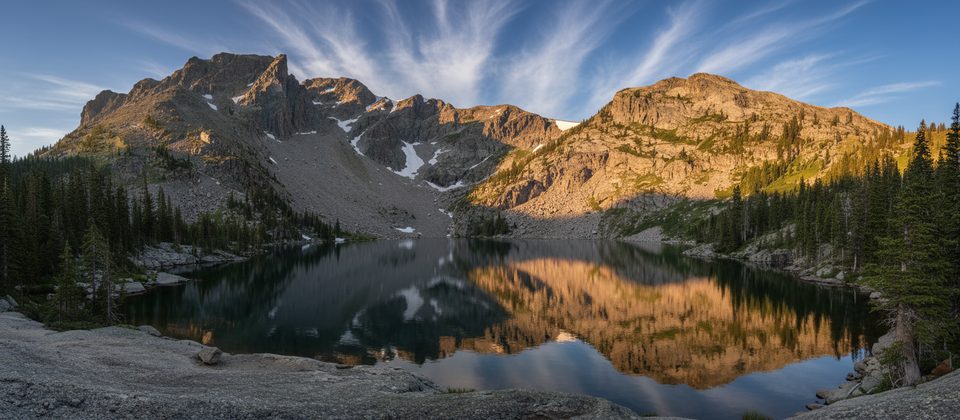
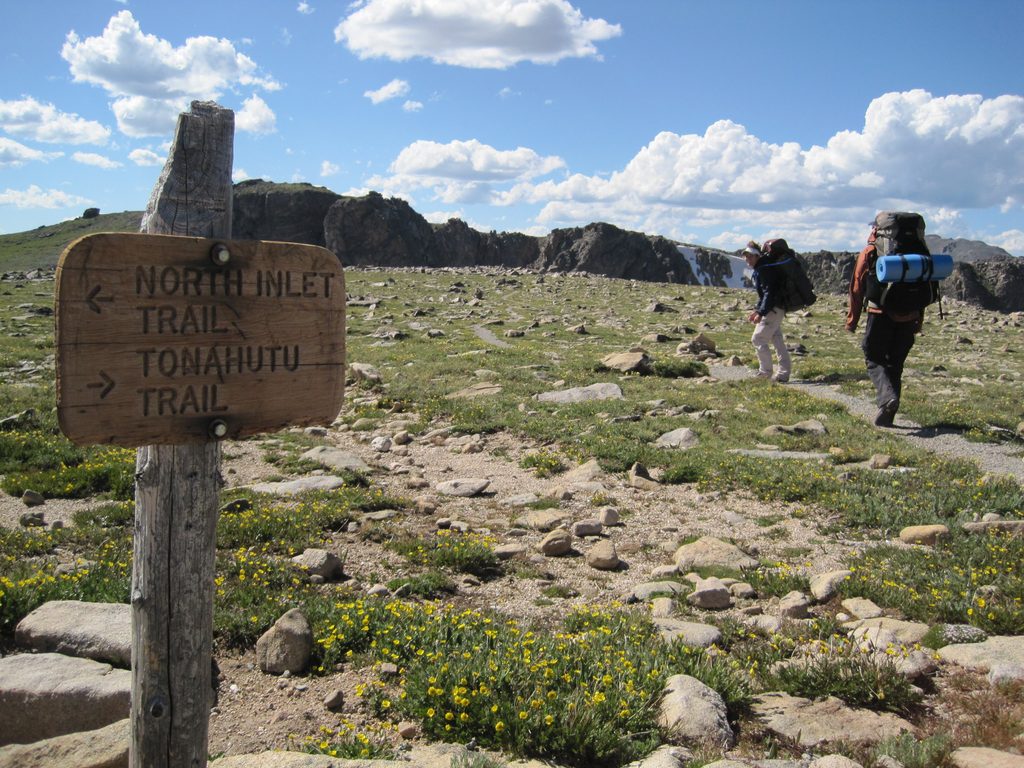
This is a big day out on Rocky Mountain National Park’s quieter west side: roughly 20.7 miles round-trip with about 3,435 feet of total gain. Most hikers start at the North Inlet Trailhead near Grand Lake and follow the North Inlet corridor to Lake Nokoni and then on to Lake Nanita. It’s a strenuous outing as a day hike and a classic 1–3 night backpack for those who prefer to linger.
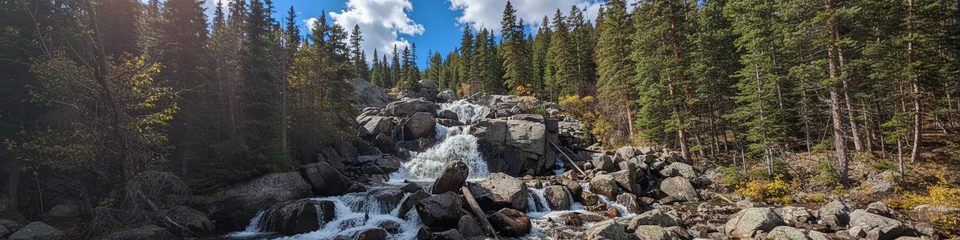
The first miles roll gently through Summerland Park meadows along North Inlet Creek, then past scenic stops like Cascade Falls, Big Pool, and North Inlet Falls. After the North Inlet Junction, the grade steepens as you climb toward Lake Nokoni (10,773'). From Nokoni, expect a short but stout 300-foot rise over a rocky shoulder to reach Lake Nanita. The trail is generally well defined, but just beyond Nokoni there are social paths—pay attention to stay on the main route. Expect some rocky sections to side features and occasional downed trees you can step over.
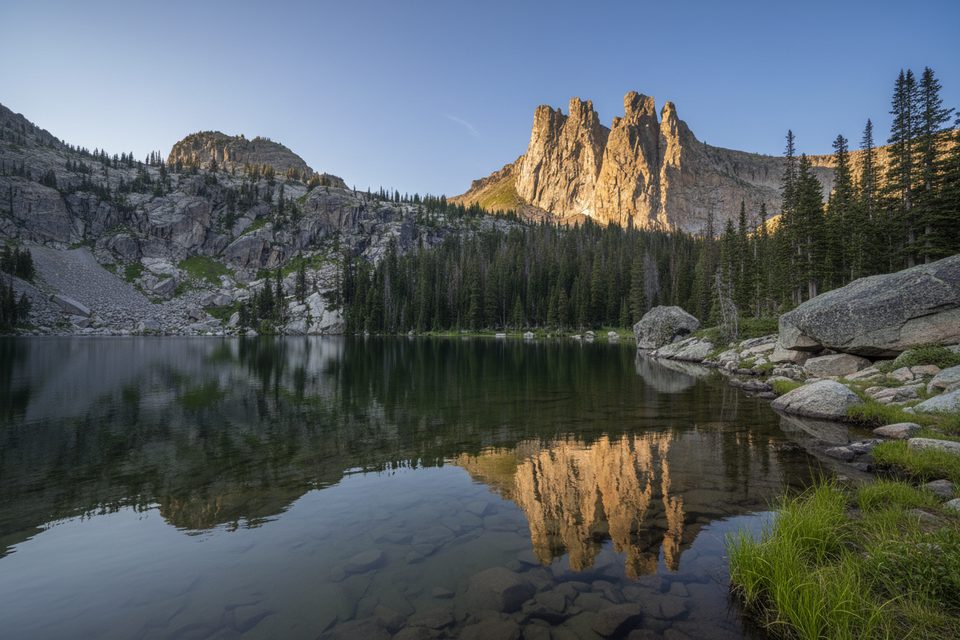
This valley is a glacial showpiece. Nokoni and Nanita sit in a hanging valley carved by tributary ice that didn’t cut as deeply as the main glacier, which plowed down from cirques between peaks like McHenrys, Mt. Alice, and Andrews. Watch for ice-polished rock and the frothy energy of the North Inlet Gorge—classic fingerprints of moving ice and meltwater. Hikers often find Nokoni the more classically picturesque scene, with blue water and a mountain backdrop, while Nanita feels wilder and more exposed, tucked under the rugged ridges of Ptarmigan country.
Lower North Inlet traveled through the 2020 burn; it’s stark but recovering, with new growth and open views—and much less shade. Higher up, you’ll transition back into healthier forest and subalpine meadows. Wildlife is a real draw here: moose are frequently seen, along with deer, marmots, pikas chattering in the talus near the Nokoni–Nanita rise, and the occasional garter snake. In late summer, keep an eye out for wild raspberries along the corridor.
Mid to late summer (late July through September) usually offers the cleanest go, with lingering early-season snow and ice most likely above Nokoni into July. Start early to beat afternoon thunderstorms and to snag parking, and consider weekday starts for more solitude. Morning light is lovely across the meadows and on the falls; the high basins photograph well by late morning before convection builds.
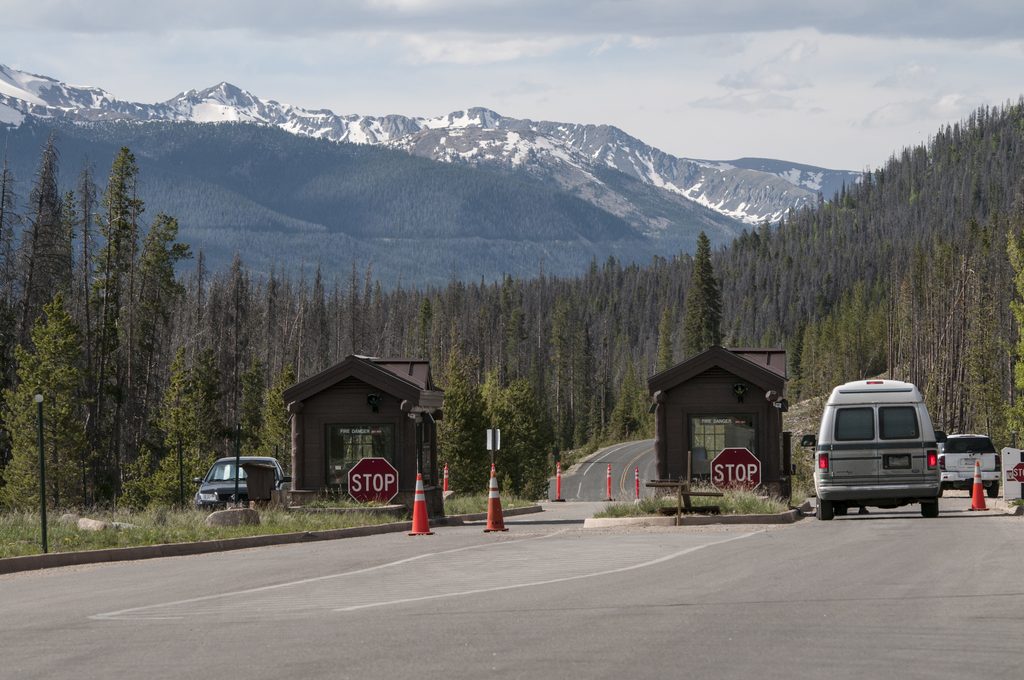
Parking is at the North Inlet Trailhead just outside Grand Lake. The first lot is small and can fill quickly; if it’s full, cross the one-way bridge to a larger lot. This corridor has numerous designated backcountry campsites (e.g., Summerland, Twinberry, Grouseberry, Porcupine, North Inlet Junction, Pine Marten). Overnight trips require a backcountry permit, and approved bear canisters are mandatory—bring your own. During peak season, daytime entry may require a timed-entry reservation if you’re arriving mid-morning; plan your timing accordingly.
The burn scar means hot, exposed hiking early—carry sun protection and ample water capacity. Thunderstorms are common; be below treeline before early afternoon. The climb from Nokoni to Nanita can hold snow and ice into July; traction and snow travel skills may be necessary in early season. Cell service is unreliable—download maps. Use caution near waterfalls and wet rock. Note that fishing is prohibited at Lake Nanita; catch-and-release is allowed in the creek below.
It’s a long, committing day. If you want the flavor without the full push, Cascade Falls and Big Pool make excellent, shorter out-and-backs. For strong hikers and backpackers, though, the twin-lakes payoff is worth every step.
Park at North Inlet Trailhead near Grand Lake. The first small lot fills early; if full, cross the one-way bridge to the larger lot. Arrive early, especially on weekends and holidays.
Long, strenuous day with exposure in burn scar, frequent afternoon thunderstorms, and lingering snow/ice above Lake Nokoni into July; navigation can be confusing past Nokoni due to social trails. Moose are common—give them space. Fishing is prohibited at Lake Nanita.
Place · 0.6 mi away
Place · 1.2 mi away
Place · 1.2 mi away
Place · 1.2 mi away
Challenging · 0 mi away
Moderate · 0 mi away
Challenging · 0 mi away
Challenging · 0.1 mi away

Parkwolf Tour Guide
