
Place · 0.6 mi away
Challenging
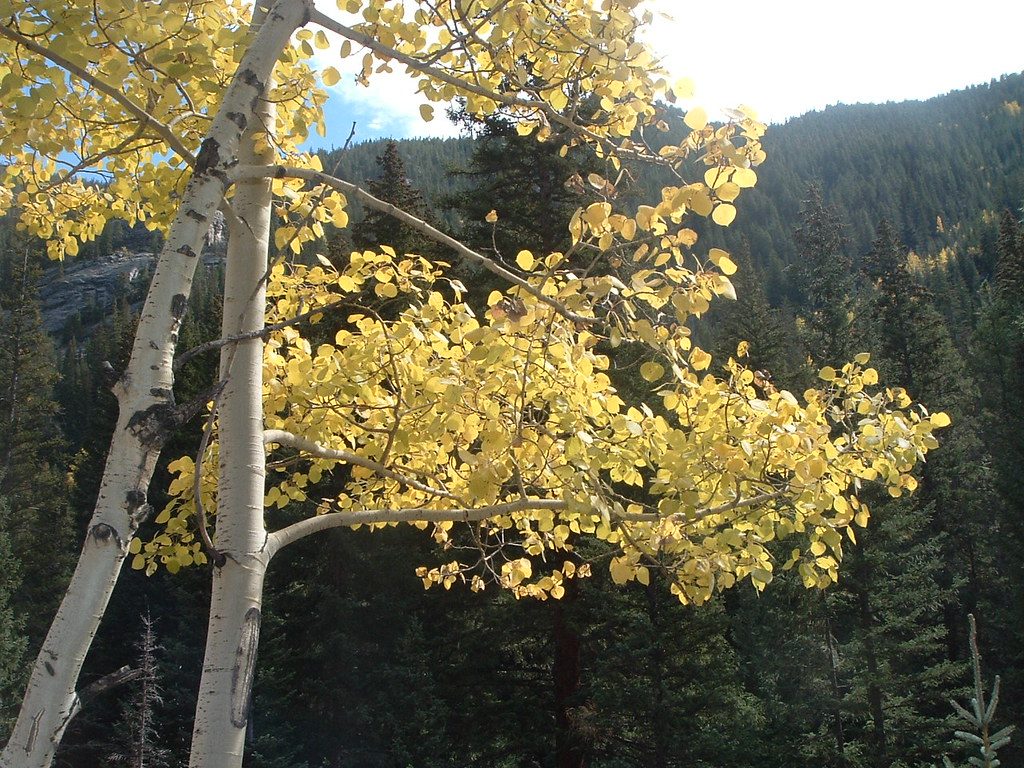
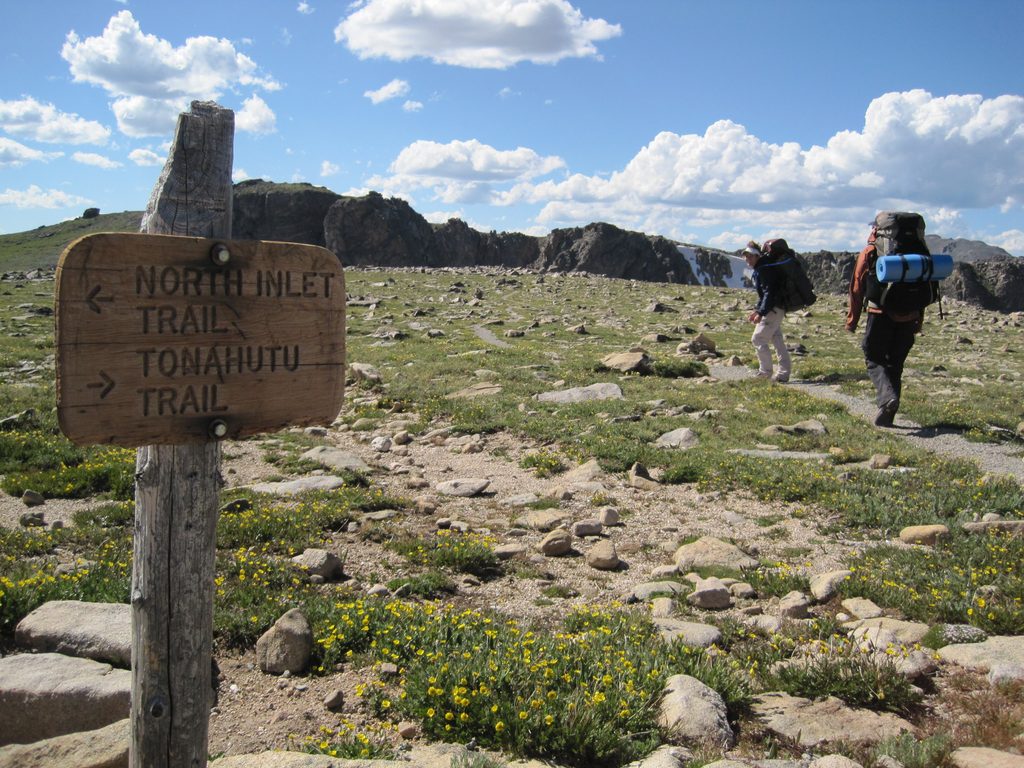
The North Inlet Trail delivers classic west-side variety: broad river meadows where moose often browse, shady forest, lively waterfalls, and a stout finish to high alpine lakes. Most hikers aim for Lake Nokoni as the turnaround, making this a long but rewarding push. Expect a gentle start, then a real climb late in the day.
Length for the popular objective to Lake Nokoni is about 19 miles total (out-and-back) with roughly 2,900 feet of cumulative gain. Strong day hikers typically need 8–10 hours; many backpack it to savor the lakes and nearby Lake Nanita. The trail starts around 8,540 feet, so it’s a good acclimation route early on, with the steeper work stacked near the end.
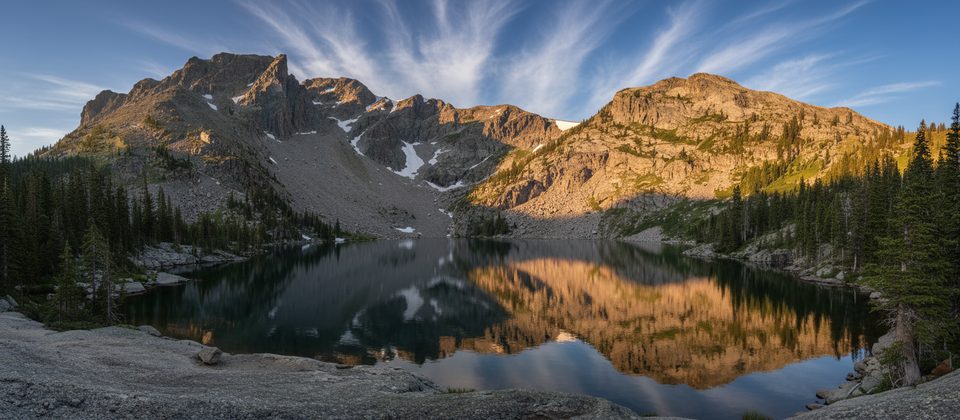
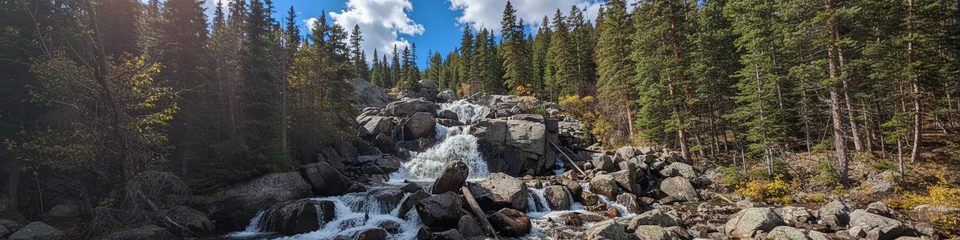
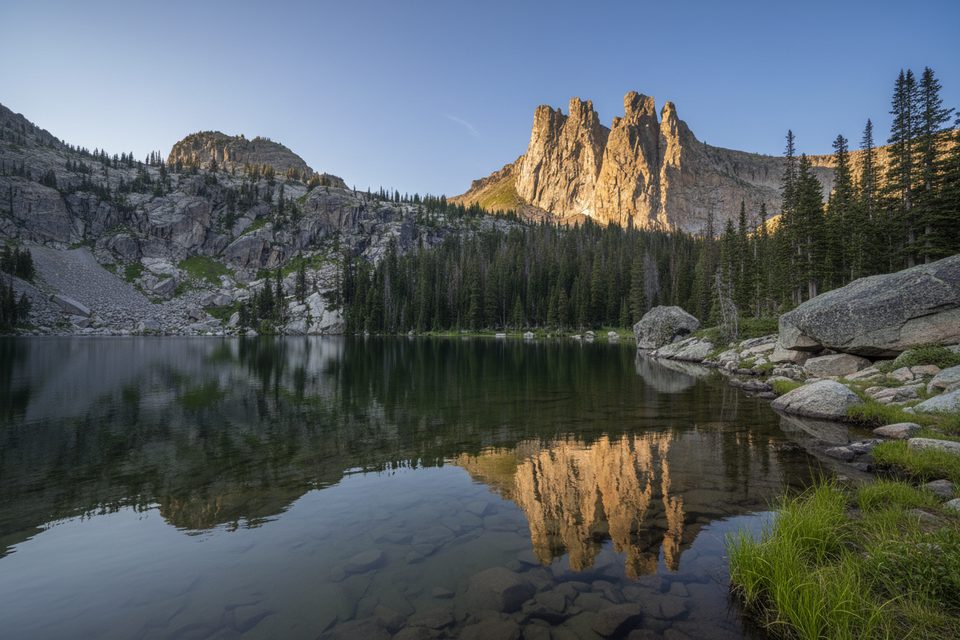
This valley is a U-shaped glacial corridor: meadows along the North Inlet River give way to forest, waterfalls, and cirques ringed by big peaks near the Divide. You’ll pass Cascade Falls, the serene Big Pool area, and then climb toward crystal-clear high lakes. Parts of the lower miles were affected by the 2020 fire, which means more sun exposure and evolving trail conditions—but also expanded valley views. Stock also uses this corridor, so expect some churned tread and yield accordingly.
Moose are commonly seen in the first miles; hikers also report deer and the occasional pine marten. Cutthroat trout fin the river and lakes—bring a filter and you’ll have frequent water access along the way.
Best window for the upper lakes is typically July through September. Early summer can hold snow above treeline; traction may be needed if you’re pushing high. Plan alpine travel early to dodge routine afternoon thunderstorms and maximize calm light on the lakes. Weekends see more traffic to Cascade Falls; an early weekday start helps with parking and crowding at the viewpoints.
Day hiking typically needs only standard park entry. For any overnight, a wilderness camping permit is required, and you must use designated sites (options along this corridor include spots like North Inlet Junction and others). Bear-resistant canisters are required for overnights from April 1–October 31. Campfires are prohibited along this route—bring a stove. Pets are not allowed on park trails.
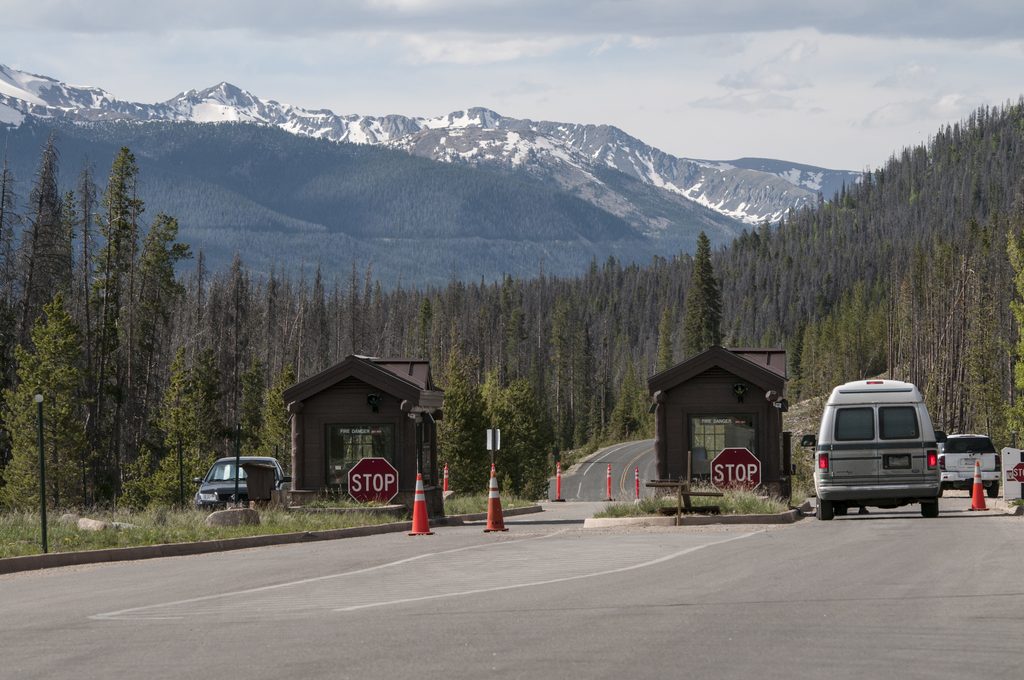
Access the North Inlet Trailhead from Grand Lake via West Portal Road and a short gravel spur; parking is limited and can fill early. Expect a kiosk and simple facilities. Some stretches are sun-exposed due to burn scars; pack a brimmed hat and sunscreen. Cell service is unreliable—download maps before you go. Start early for weather, moose viewing, and to give yourself time for the steeper final miles.
If you want the views without the commitment, make Cascade Falls your half-day. If you’re eyeing both Nokoni and Nanita, split it with an overnight near North Inlet Junction to enjoy the lakes in golden hours without racing the clock.
Small lot at North Inlet Trailhead near Grand Lake via West Portal Road and a short gravel spur; arrive early. Limited spaces with overflow along the access road; kiosk on-site.
Afternoon thunderstorms above treeline; early-season snow/ice on upper miles; sun exposure through 2020 burn areas; short narrow exposure near Cascade Falls; limited cell service—download maps; stock traffic; bear canisters required for overnights Apr 1–Oct 31.
Place · 0.6 mi away
Place · 1.2 mi away
Place · 1.2 mi away
Place · 1.2 mi away
Challenging · 0 mi away
Moderate · 0 mi away
Challenging · 0 mi away
Challenging · 0.1 mi away

Parkwolf Tour Guide
