
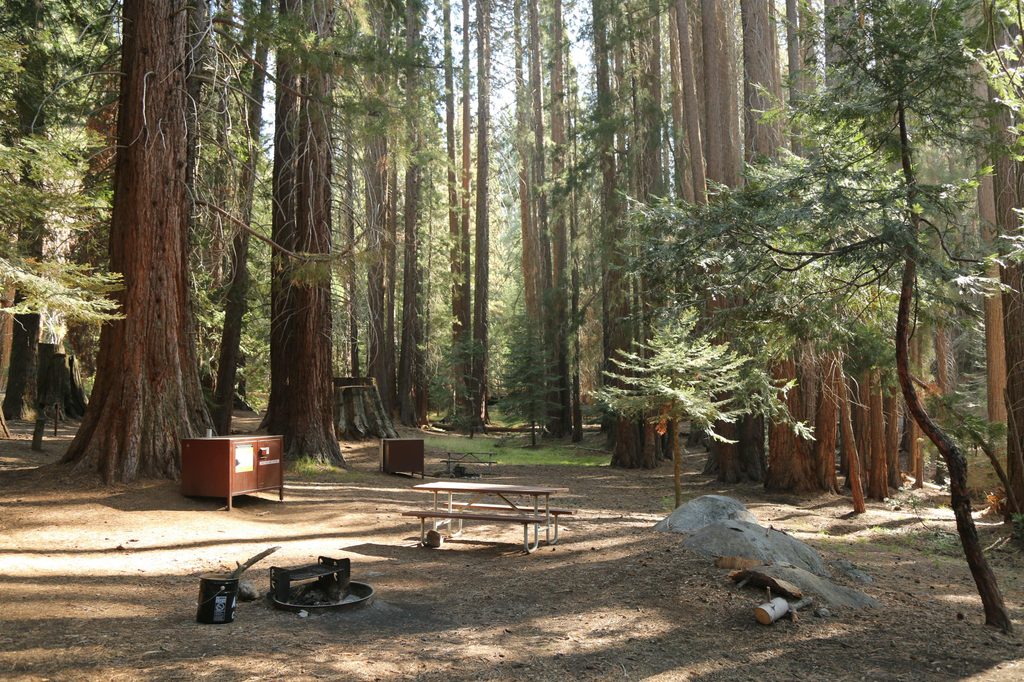
Place · 0.7 mi away
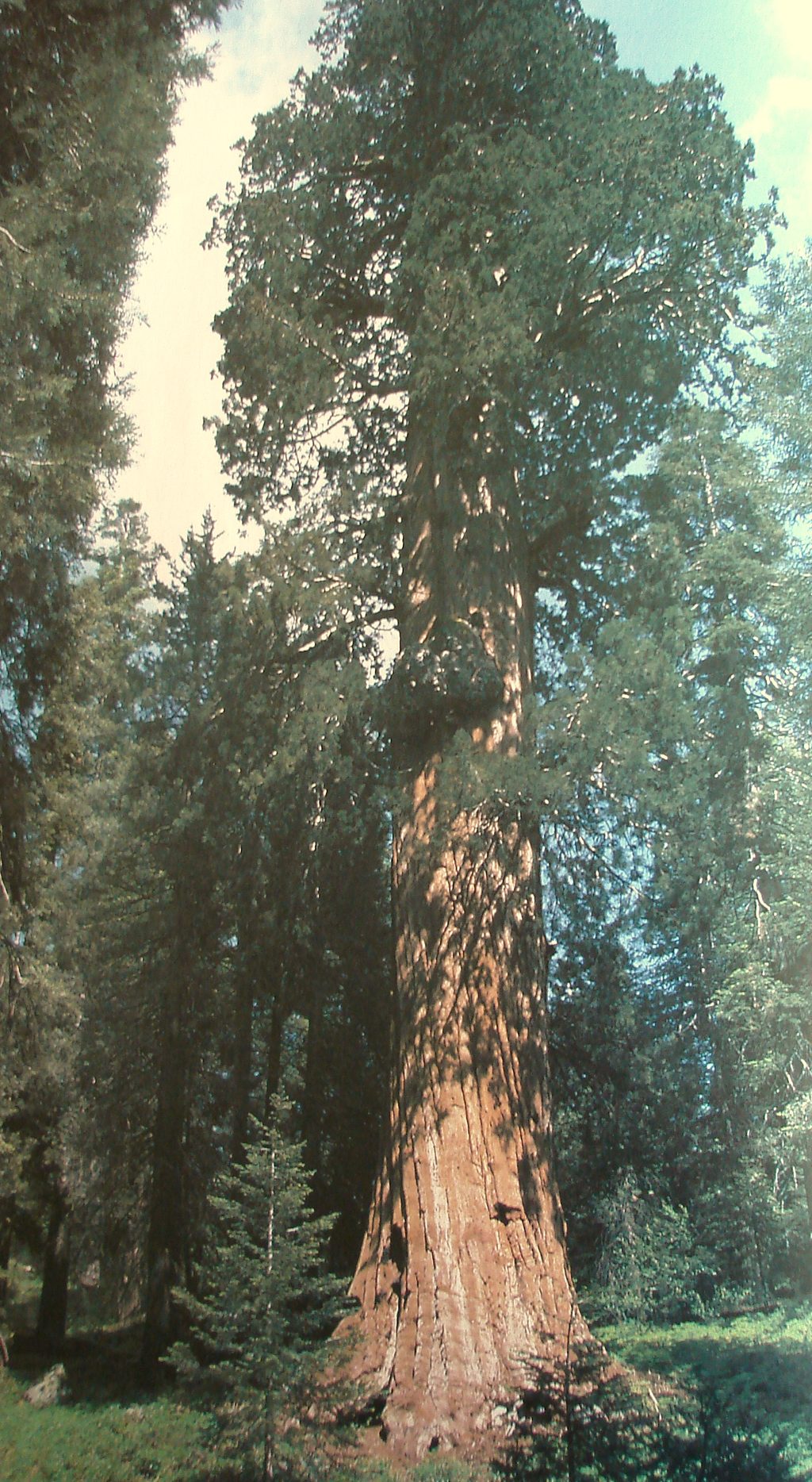
Atwell Grove (often called Atwell Mill Grove) is the Mineral King district’s signature stand of giant sequoias, set around 6,900 feet on a steep, forested slope. It feels wilder and more open than the park’s marquee groves, with stately, columnar trunks rising from a sparse understory and pockets of ferns. If you’re chasing big trees without big crowds, this is a great bet.
You reach the grove via Mineral King Road, about 19–20 miles from the CA-198 junction. The road is steep, narrow, and one-lane in places—budget extra time and use pullouts. Mineral King typically opens late spring and closes in winter; practical visiting season is late spring through early fall. The grove is accessed from the Atwell Mill Campground area.
Beyond the previously logged patch around the campground, the grove quickly transitions to scenic old growth. Expect a mix of open, cathedral-like sequoia stands and sections with fire scars and standing snags. Notable trees here include the Diamond Tree (the grove’s largest), Above Diamond, the Dean Tree (among the largest known), the Arm Tree (home to an exceptionally wide limb), and the cavernous Tunnel Tree.
Black bears are commonly seen—store food properly at all times. Marmots in Mineral King are notorious for chewing hoses and wiring under parked cars; protect your undercarriage if you’ll be leaving the vehicle for long hikes, especially in late spring and early summer. In warm months, gnats and mosquitoes can be pesky from late morning to dusk.
Atwell Mill operated here in the late 1800s before the area was added to the park. Today, the grove is a living study in sequoia ecology: frequent, low-intensity fires once cleared competing vegetation and exposed mineral soil—key for sequoia regeneration. Without periodic fire, reproduction drops. Also, don’t judge by size alone—small sequoias can be surprisingly old, and size–age relationships vary a lot from place to place.
Aim for early morning or late afternoon when low-angle light makes the sequoia bark glow and temperatures are friendlier on exposed trail sections. Weekdays are quieter. Late spring through early fall is the realistic window, tied to Mineral King Road’s opening; expect more bugs in midsummer.
Place · 0.7 mi away
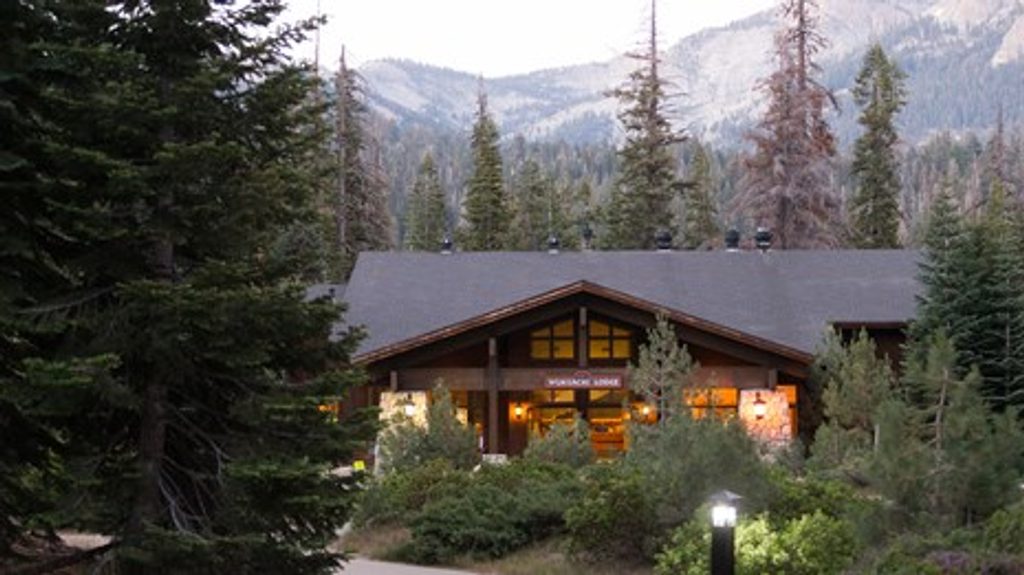
Place · 1.9 mi away
Place · 3.8 mi away
Place · 4 mi away
Challenging · 3.8 mi away
Challenging · 4.7 mi away
Challenging · 4.7 mi away
Challenging · 4.7 mi away

Parkwolf Tour Guide
