
Place · 0 mi away
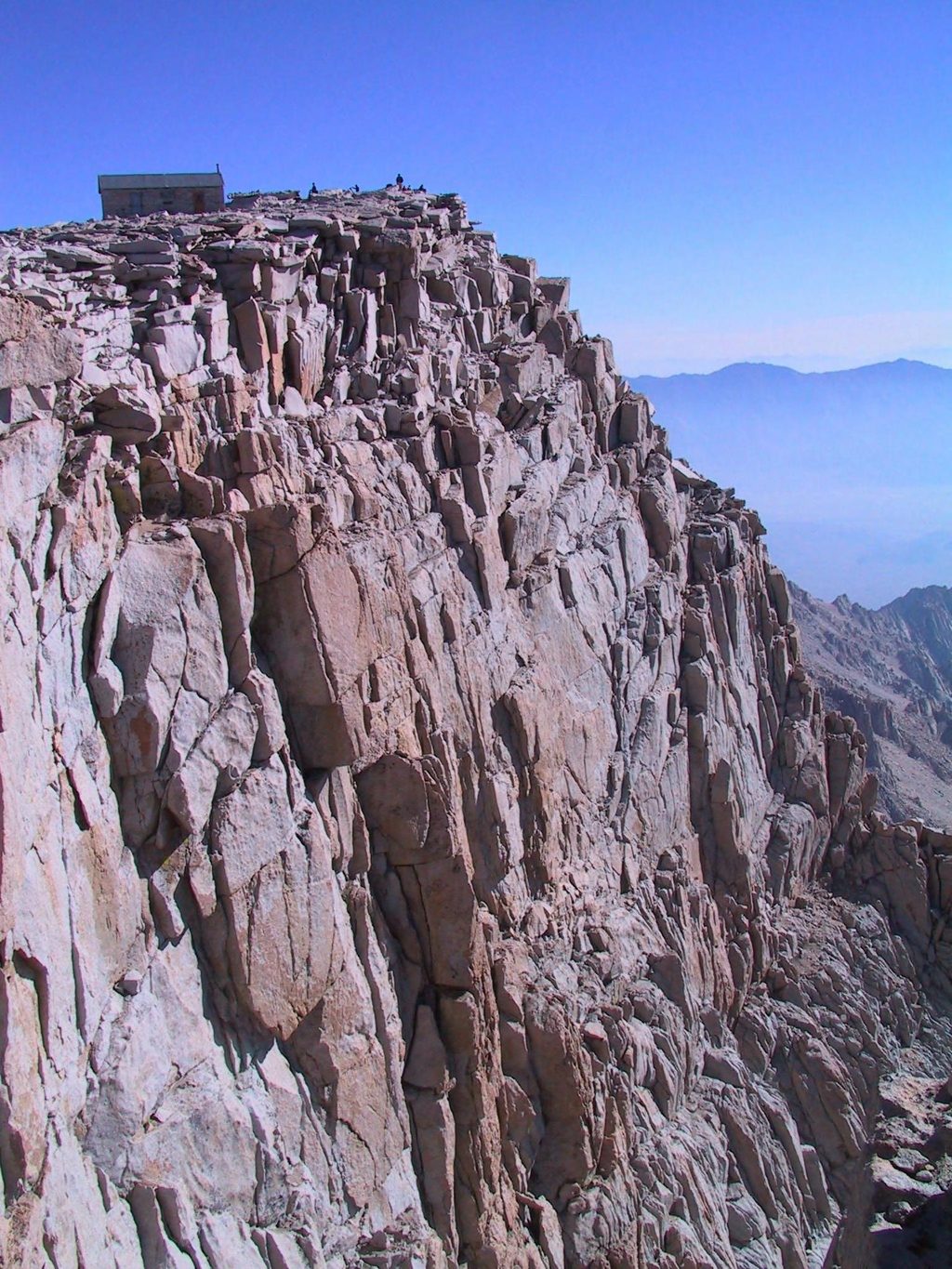
Perched right on the summit of Mount Whitney (14,505 ft), the Smithsonian Institution Shelter is the stone-and-steel “summit hut” you see in classic Whitney photos. It’s a tough-earned reward at the end of a long climb: a windbreak, a dose of history, and ridiculous views in every direction.
The building is a sturdy, concrete-mortared granite structure with a corrugated steel roof, built to shrug off brutal summit weather. It has three rooms: two were designed for scientific work and remain locked, while one room is open for public refuge from wind and cold. There are no services here—no staff, no water, no toilets—so arrive self-sufficient and pack out all waste (bring and use a WAG bag). Expect thin air and gusty conditions even on fair days.
Scientists targeted Whitney’s high, dry, crystal-clear air for early solar-radiation and planetary studies. After trail improvements in the early 1900s, a Smithsonian/Lick Observatory team finalized plans and, in August 1909, completed this summit shelter to support observations (including a Mars opposition campaign). Later parties continued atmospheric work from the hut. The structure you step into today is largely unchanged from that era.
Lightning is the big hazard on Whitney’s exposed crest. A fatal strike on the summit in 1904 remains a cautionary tale. Even though the hut has a lightning-diffusion system, it is not a safe place to wait out a thunderstorm—leave the summit immediately if weather starts building, your hair rises, or you hear buzzing. Also plan for altitude: hydrate, pace yourself, and know the signs of AMS.
Most hikers reach the hut via the Mount Whitney Trail from Whitney Portal on the east side. It’s a strenuous, high-altitude trek with major elevation gain and long mileage. Expect strong winds at the top; the public room offers a brief windbreak, but space is limited.
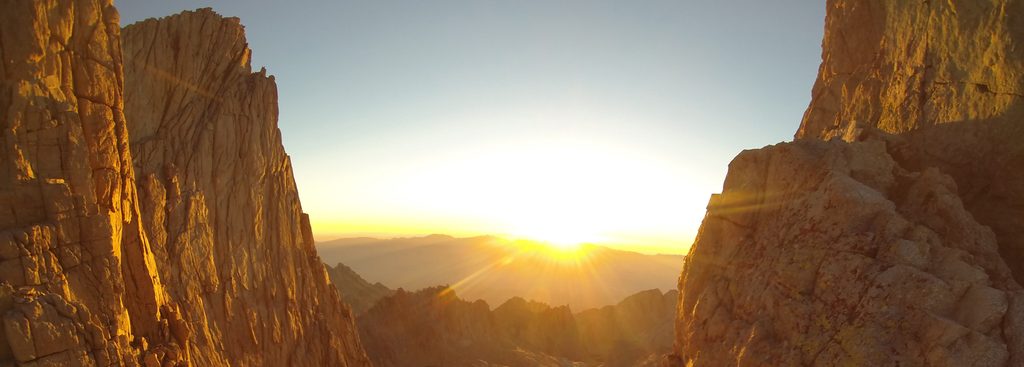
Aim for a pre-dawn or early-morning summit on a clear forecast, then be headed down before typical afternoon convection. Calm, cold mornings can yield the best light and the widest horizons. Peak weekends see more summit traffic; at sunrise it’s common for hikers to duck inside briefly to escape the wind.
Place · 0 mi away
Place · 1.3 mi away
Place · 1.3 mi away
Place · 3.2 mi away
Challenging · 3 mi away
Challenging · 4 mi away
Challenging · 19 mi away
Challenging · 19 mi away

Parkwolf Tour Guide
