
Place · 0.1 mi away
Challenging
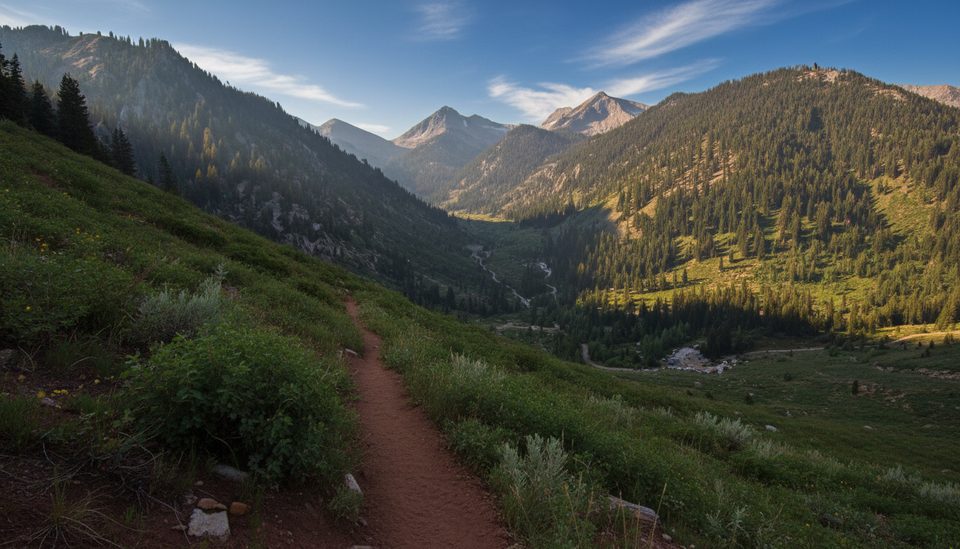
The Hump Trail is the steeper, more-forested branch of the Lakes Trail, used to reach Sequoia’s alpine jewels—Heather, Emerald, and Pear Lakes—and as the safer winter alternative to the cliffy Watchtower route. Expect a workout and big Sierra granite scenery once you break out near the lakes. If you’re after vistas without exposure, this is your lane.
To Pear Lake via the Lakes and Hump route is about 11.9 miles round trip with roughly 3,080 feet of elevation gain, typically taking around 6.5–7 hours for fit hikers. The grade bites early and often, especially above Heather Lake. Feeling ambitious? Continuing beyond Pear to Moose Lake turns the day into roughly 16.4 miles and ~4,800 feet of gain, with off-trail slabs and light scrambling.
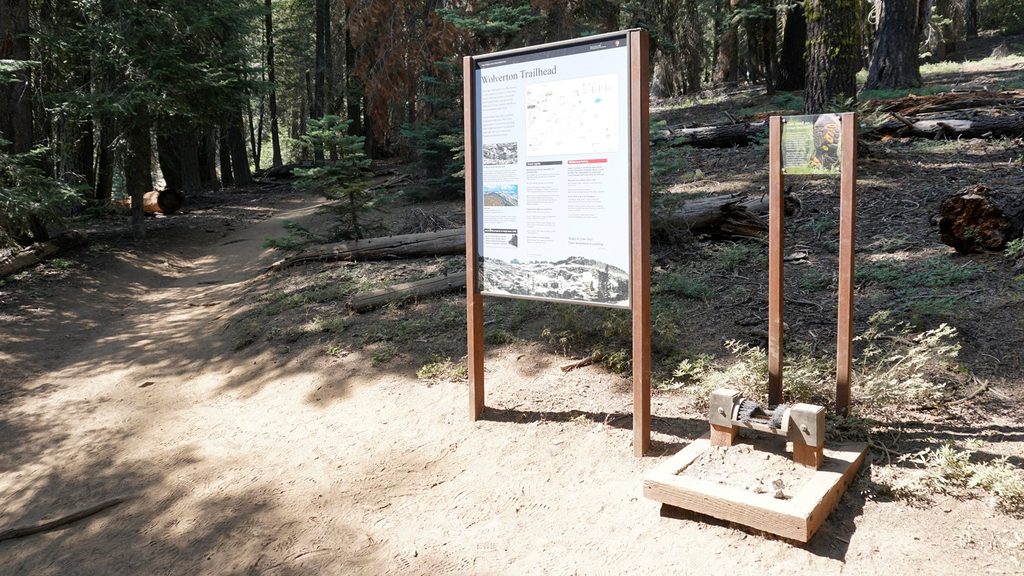
Start at the Lakes Trailhead in the Wolverton parking lot (restrooms and bear boxes). The trail climbs steadily through forest to Heather Lake, then passes Aster and Emerald before reaching Pear Lake. The main path is well-marked to Pear. Beyond Pear toward Moose Lake, you’ll leave designated trail and navigate open granite—plan accordingly.
In winter and shoulder seasons, the Hump is the recommended line when the Watchtower holds ice. Expect packed snow or ice; microspikes are often helpful, and snowshoes can be necessary beyond Heather as you near 9,000+ feet. Start early in late spring to avoid mushy snow and wet loose issues. Summer brings strong sun on exposed slabs and, yes, notoriously heavy mosquitoes—particularly mid-summer. Marmots love salty gear; don’t leave packs or pole handles unattended. Bears are around; store food properly. Altitude (trailhead ~7,000+ ft up to ~9,000–10,000 ft) can slow the pace.
Download an offline map—cell service is unreliable. The line to Pear is straightforward; the Moose Lake extension requires off-trail navigation and some scrambling. Established wilderness camps exist near Emerald and at Pear; expect bear-proof storage and toilets at Pear. Overnight trips require a wilderness permit. In winter travel, yield to downhill users and smooth out any deep postholes to reduce hazards for others.
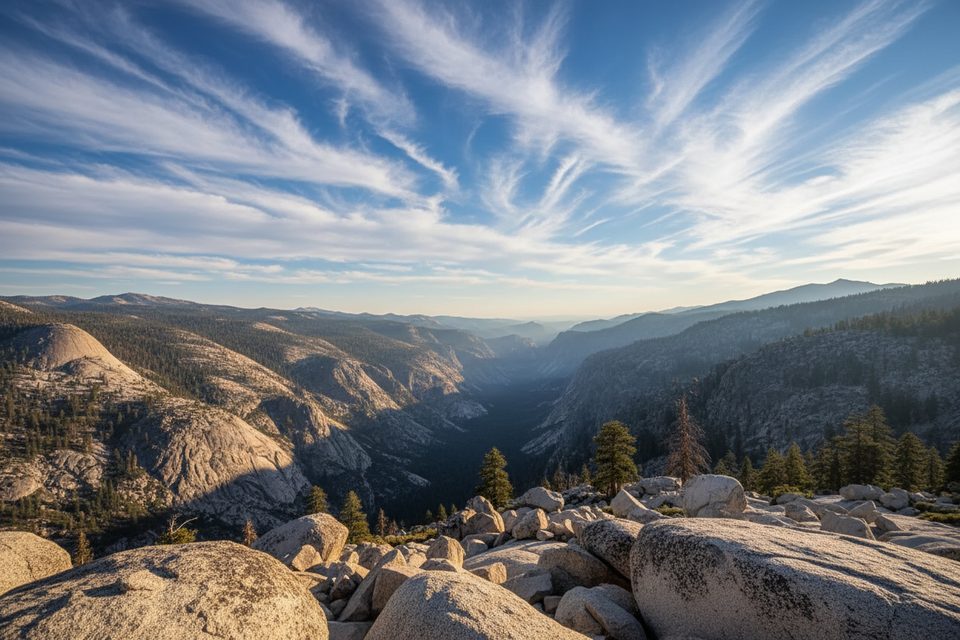
This route showcases classic Sierra Nevada granite shaped by glaciers—cirques, overdeepened basins, and broad slabs leading toward the Tablelands, with the Great Western Divide on the skyline. Wildlife is part of the experience: keep an eye out for marmots near the lakes and be bear-aware at all times.
Late summer into early fall tends to have fewer mosquitoes and snow hazards. For winter ski or snowshoe missions to Pear, the Hump is the go-to, but start early and bring traction appropriate to conditions. Weekdays see fewer people; morning light is soft on the lakes and helps beat afternoon heat and storms.
Watchtower offers dramatic cliffside views when safe; the Hump trades that exposure for steadier forested climbing and better winter reliability. If you only do one in icy seasons, choose the Hump. If conditions are dry and you want the drama, consider ascending Watchtower and descending Hump.
Park at Wolverton parking lot for the Lakes Trailhead; restrooms and bear boxes available.
Steep grades, altitude, and strong sun; heavy mosquitoes in mid-summer. In winter/shoulder seasons expect ice or snow—microspikes or snowshoes may be needed. The Watchtower can be hazardous in cold conditions; the Hump is the safer alternative. Beyond Pear Lake, navigation to Moose Lake is off-trail with slab travel and light scrambling. Marmots chew salty gear; bears require strict food storage. Limited cell service—download maps.
Place · 0.1 mi away
Place · 0.1 mi away
Place · 0.5 mi away
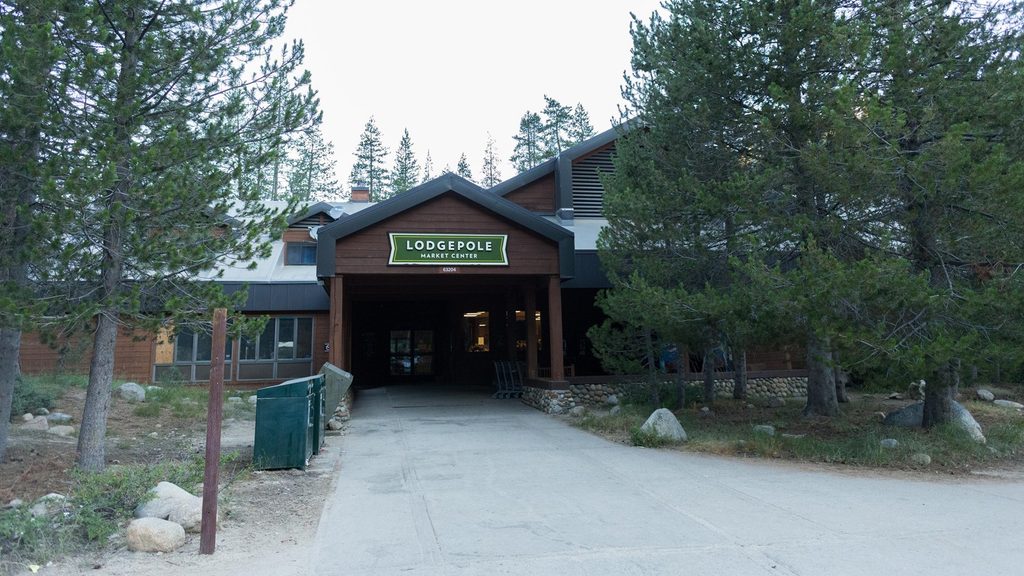
Place · 0.5 mi away
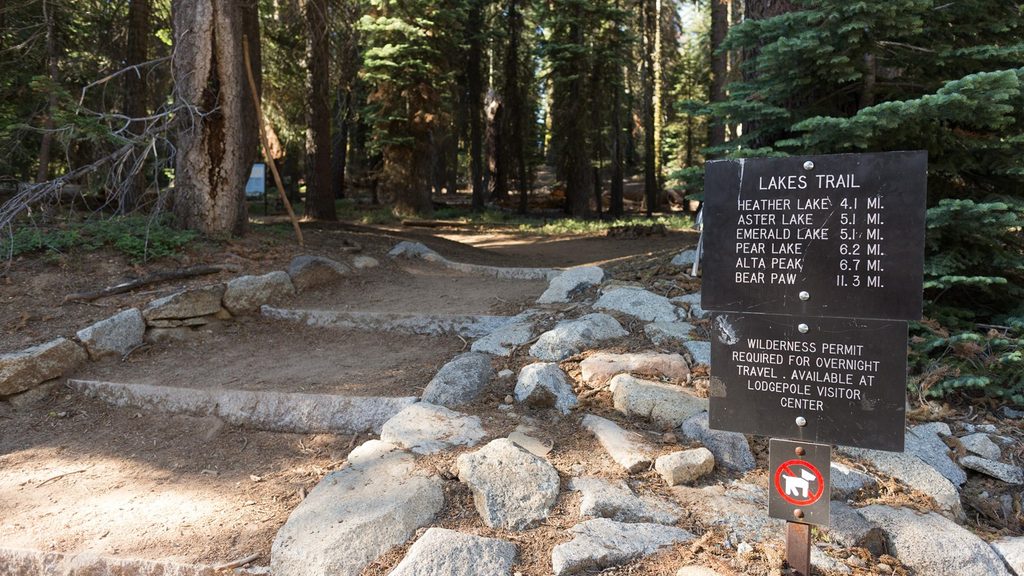
Challenging · 0 mi away
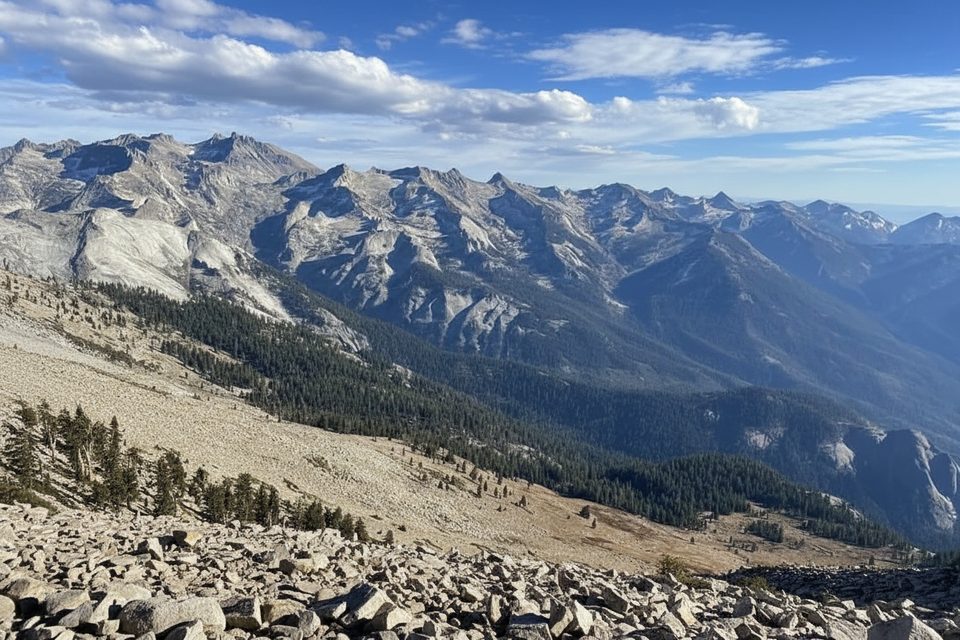
Challenging · 0.1 mi away
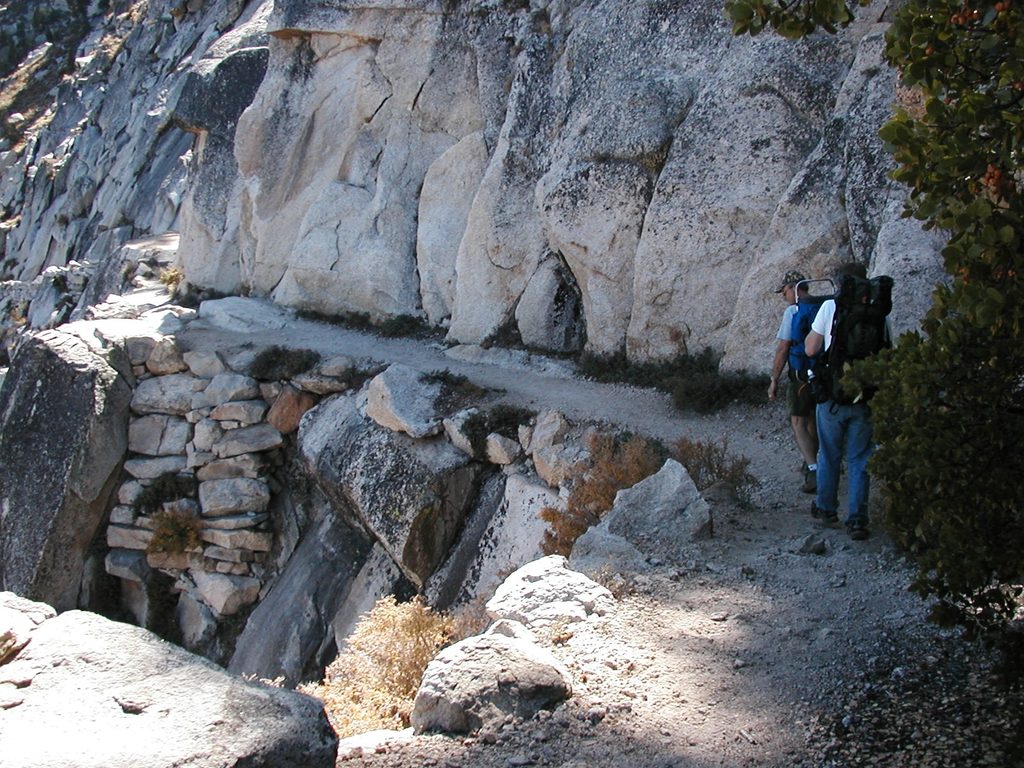
Moderate · 0.1 mi away
Challenging · 0.1 mi away

Parkwolf Tour Guide
