Overview
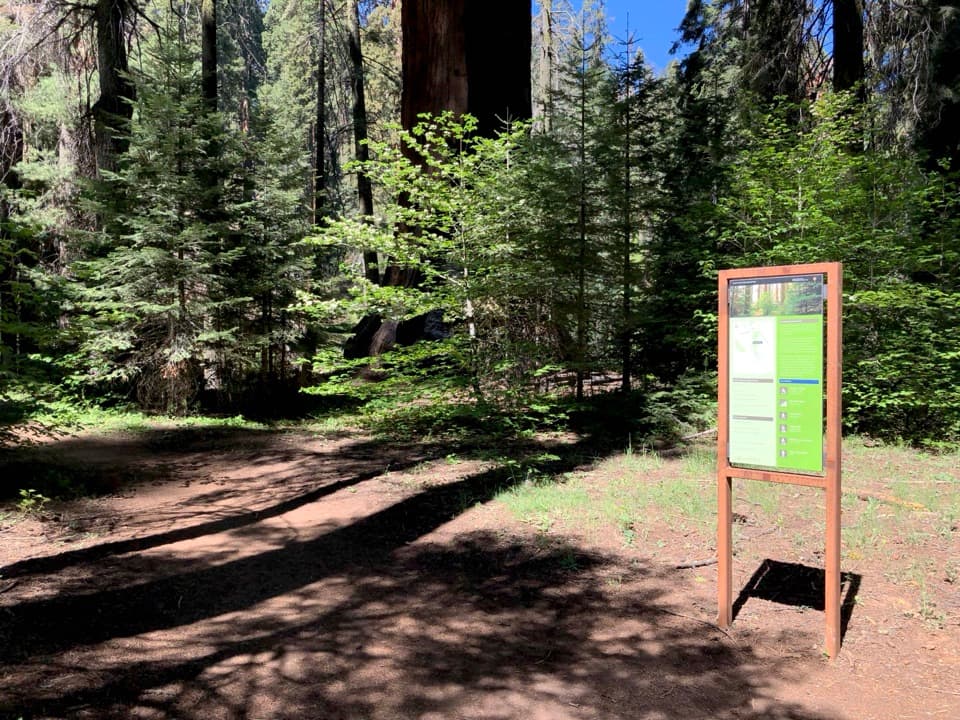
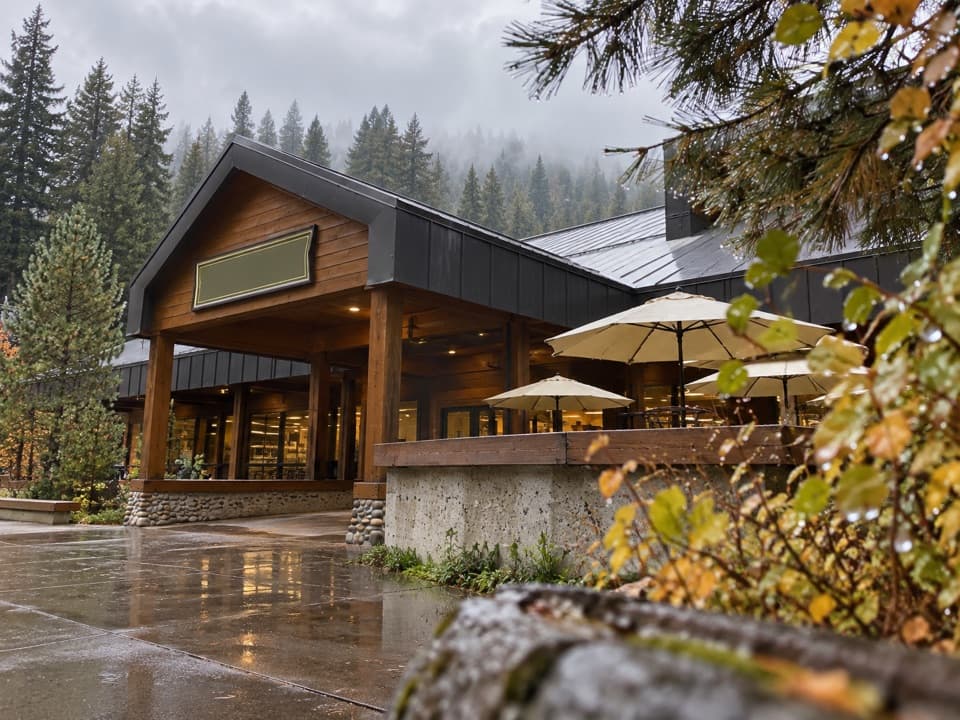
Perched at 6,700 feet in Lodgepole Village, this is the park’s nerve center for planning a great day in the Giant Forest area. After a 2023 overhaul, the exhibits are fresh, engaging, and actually make you want to linger—especially if you’re curious about how the park’s ecosystems knit together from foothills to alpine.
What You’ll Find
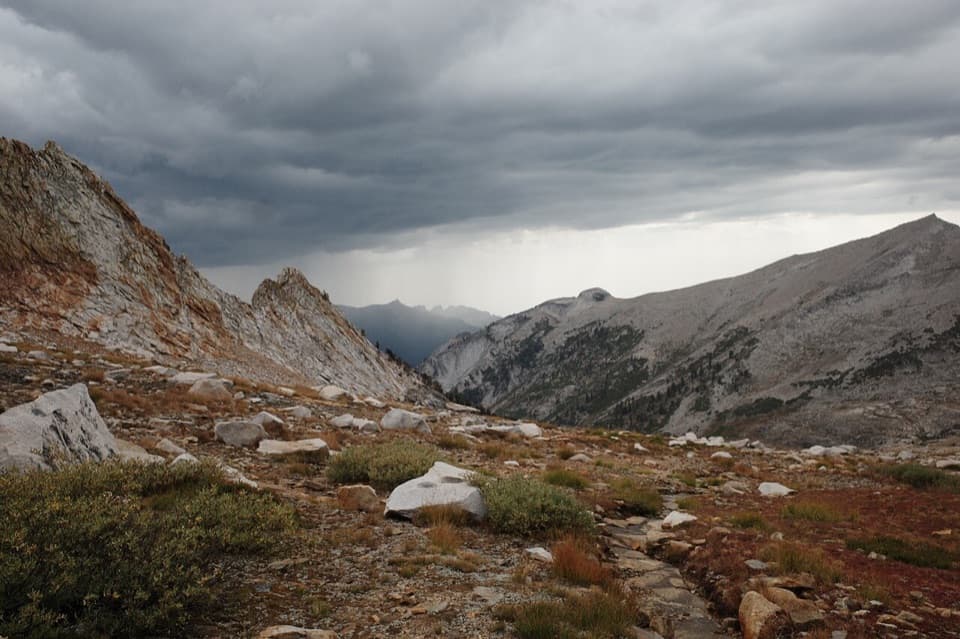
- Brand-new exhibits and short films that unpack the park’s landscapes, wildlife, and human stories. The standout is the Soundscapes gallery, where motion‑triggered audio drops you into different elevation zones—from birds and pika to the eerie acoustics of Crystal Cave.
- Rangers who can help with routes, conditions, and insider tips, plus maps and brochures.
- Wilderness permits are issued here, making it an easy one‑stop before hitting the backcountry.
- A Sequoia Parks Conservancy store for books, maps, and souvenirs.
- Practical essentials: flush restrooms (around the side), drinking fountains with a bottle filler, and WiFi.
- Seasonal extras: in summer, Crystal Cave tour tickets are sold here (when the cave is operating), and you may find bear canisters for rent or sale and basic first aid support.
Getting Around
Parking across the Giant Forest area fills early in peak season. Treat the visitor center as your base: park once and use the free summer shuttle to reach hot spots like the General Sherman Tree and Moro Rock. Roads are winding; if you’re prone to motion sickness, the shuttle can be a sanity saver.
Nearby Pairings
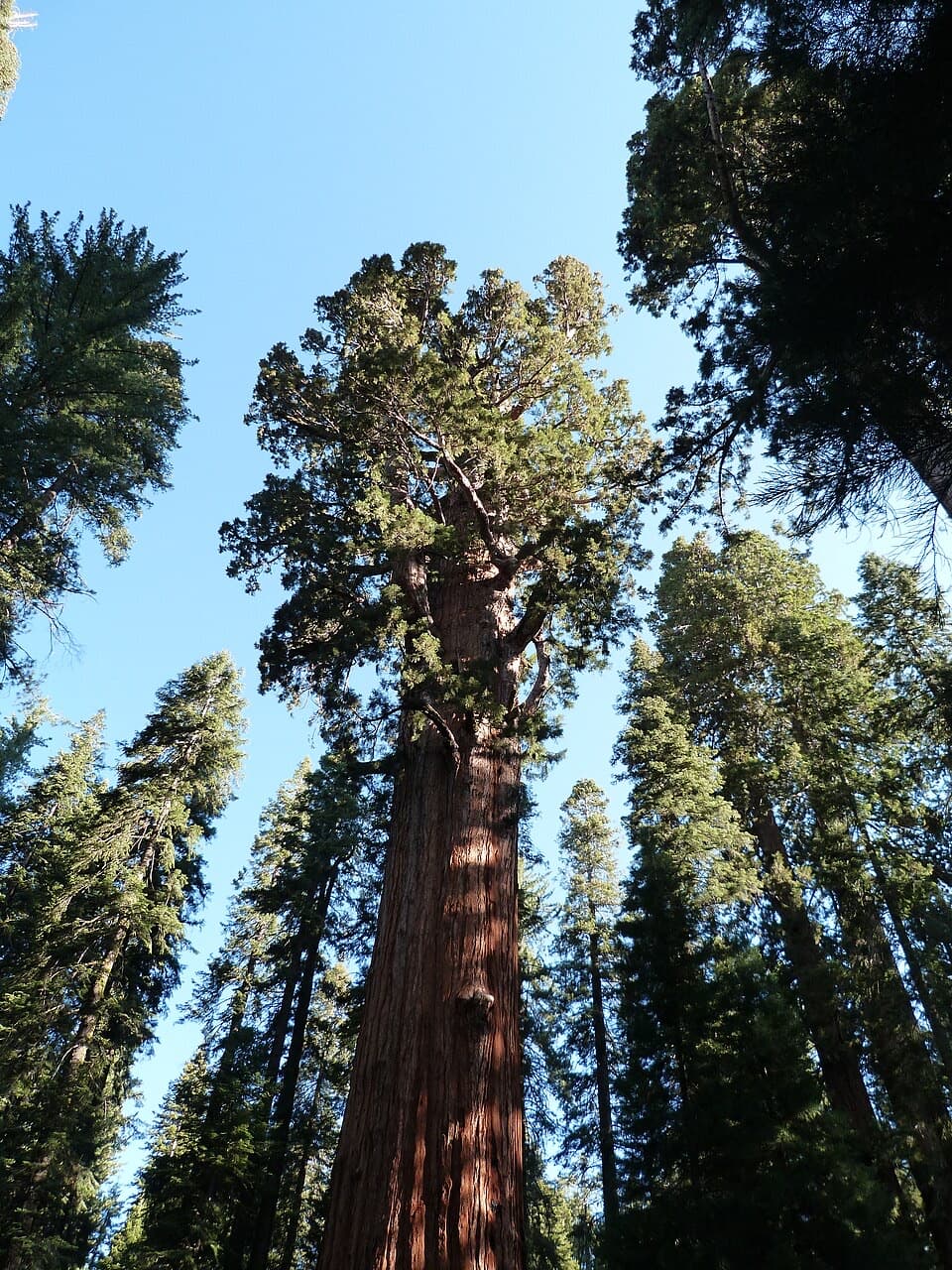
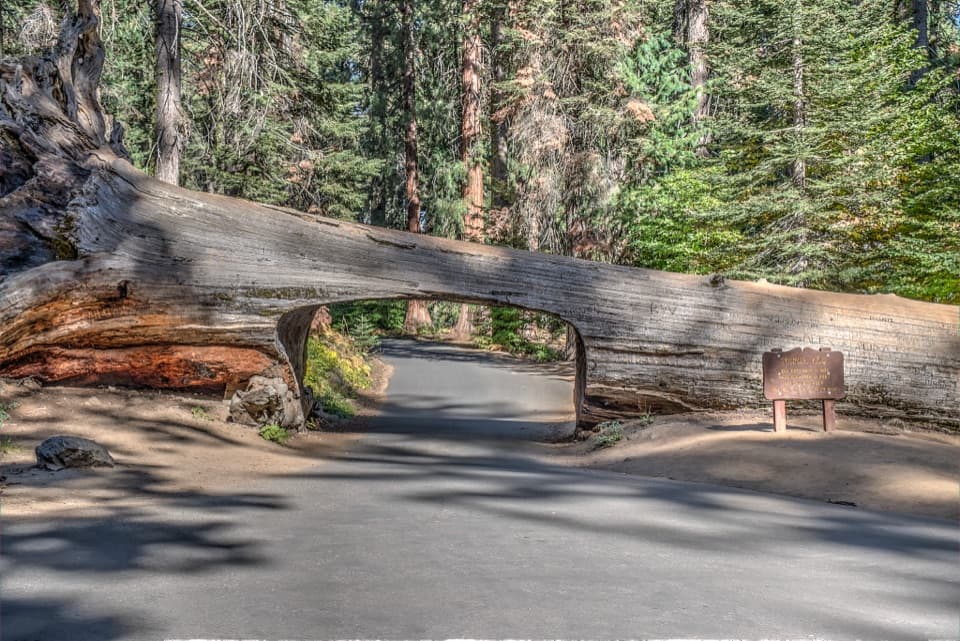
This is the launchpad for the park’s headliners. Pair your stop with the General Sherman Tree and Congress Trail, Moro Rock, Big Trees Trail, the Giant Forest Museum, and the drive‑through Tunnel Log. You can easily string together a classic Sequoia day from here.
Wildlife
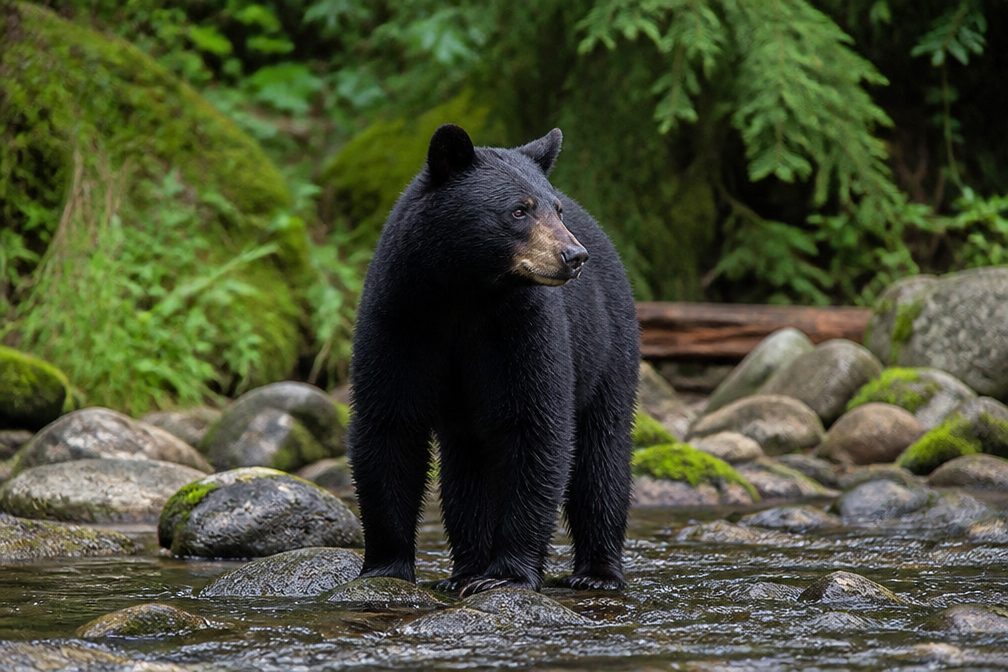
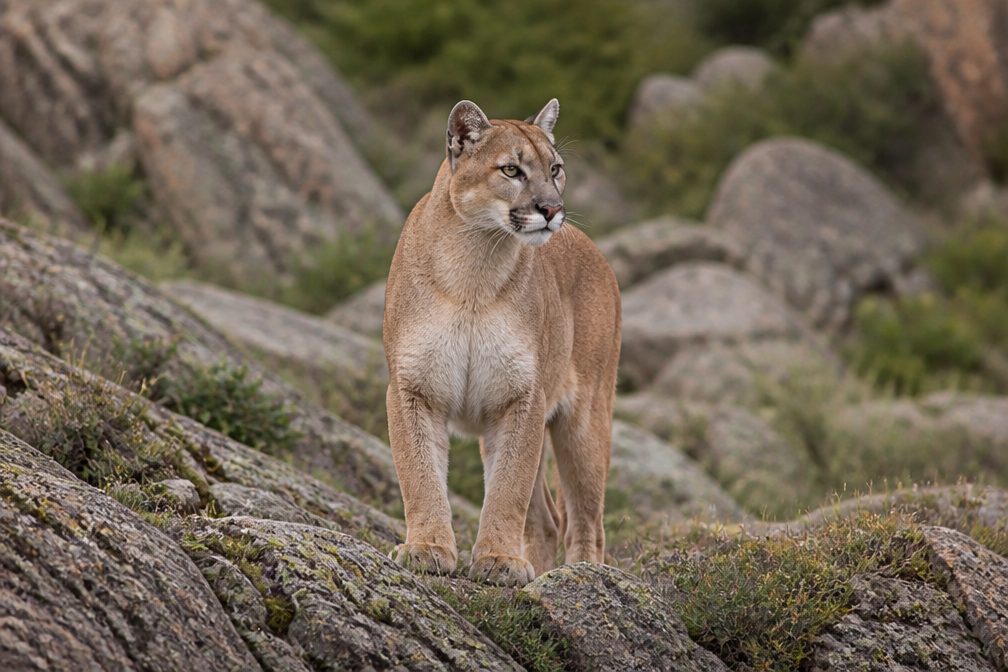
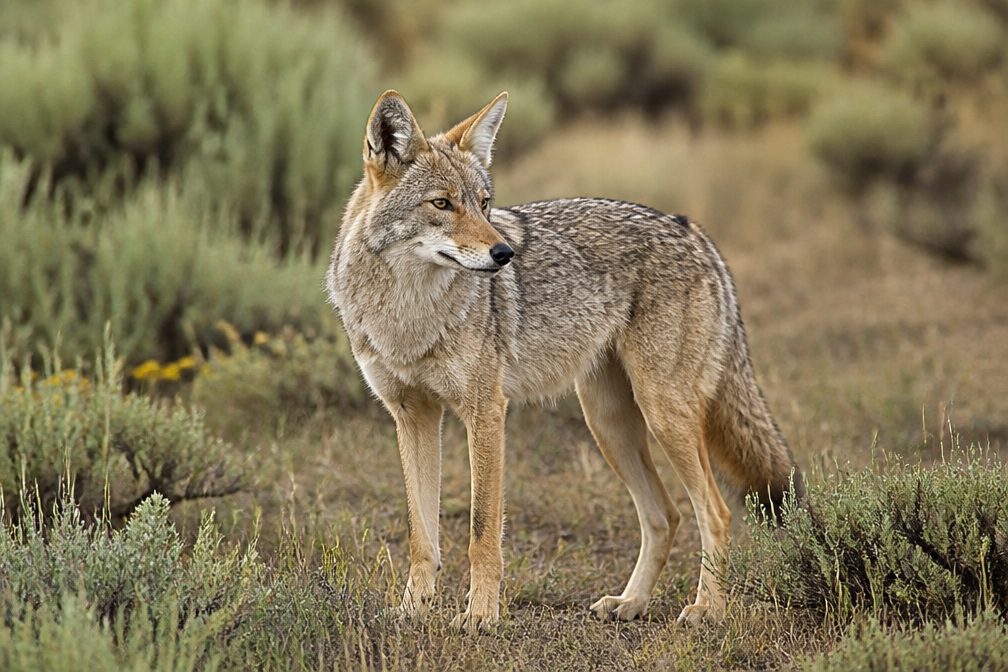
Around Lodgepole (especially near the campground), visitors often spot deer and chipmunks. Inside, the exhibits do a great job highlighting the animals you might hear or see across elevation zones—even if you don’t catch them in the wild that day.
How Much Time to Budget
Anything from a 5‑minute map grab to a deep‑dive hour or two if you watch the films and work through the exhibits.
Best Time to Visit
- Summer is prime: aim for morning openings to beat crowds and snag parking, or late afternoon for a quieter pass through the exhibits.
- Operations are typically summer‑focused; winter openings can be limited to select days and may change with snow or air quality. Always check current hours before you drive up.
- For photos, morning light filters nicely through the surrounding forest and the interior lighting makes exhibit photography straightforward any time of day.