Place · 0.2 mi away

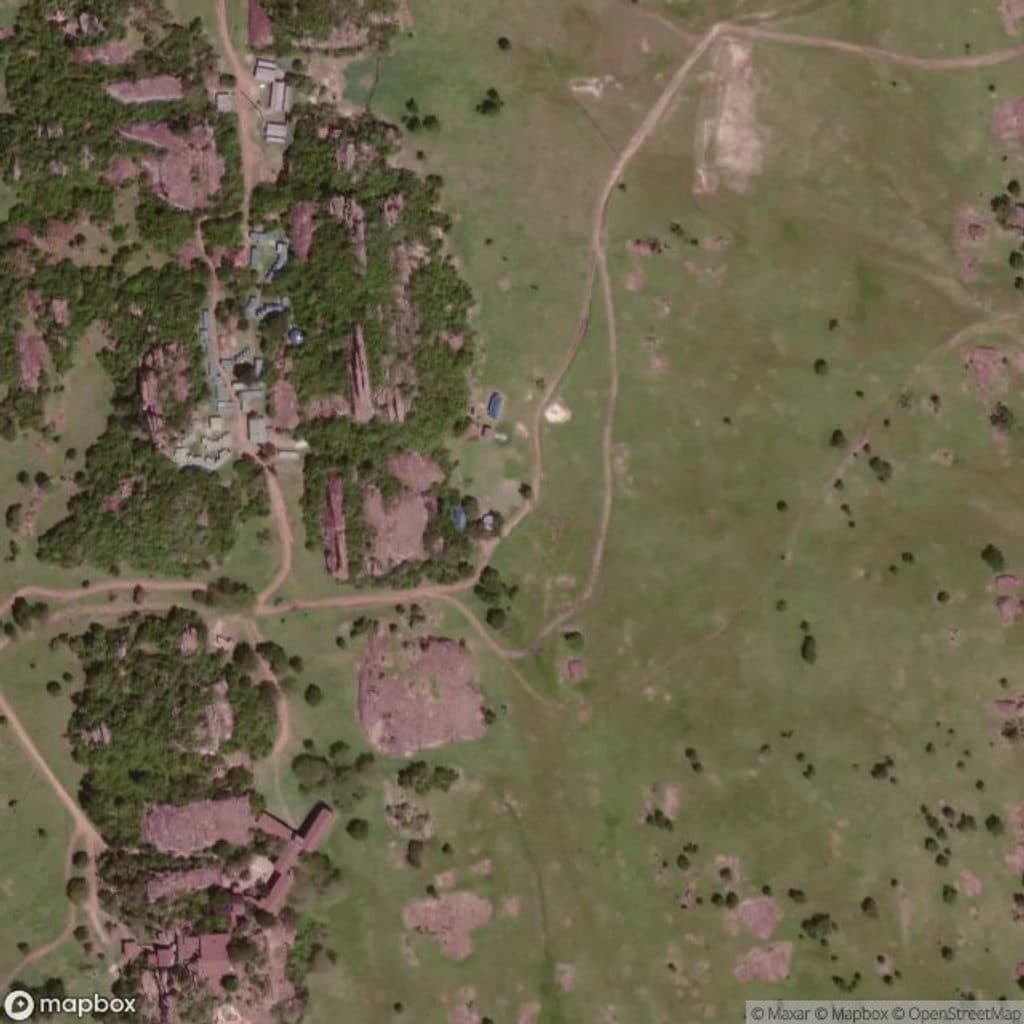
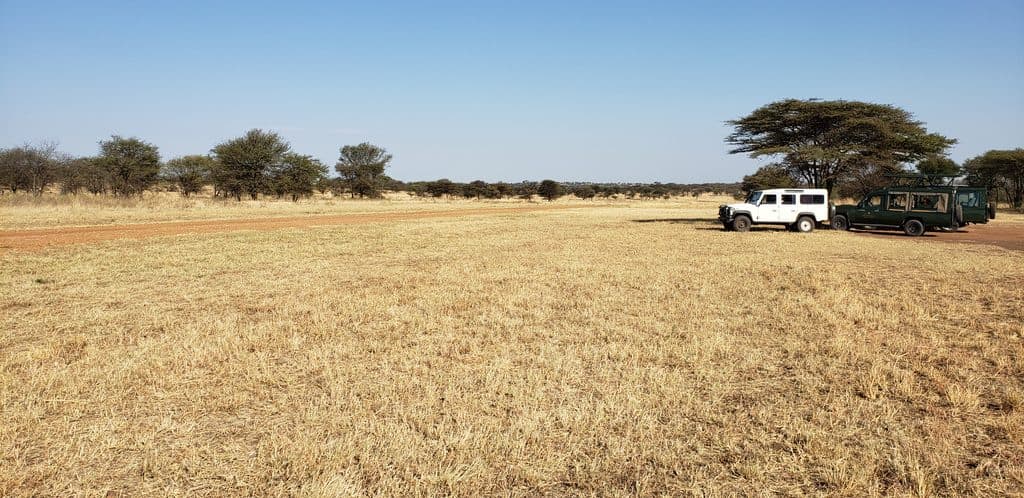
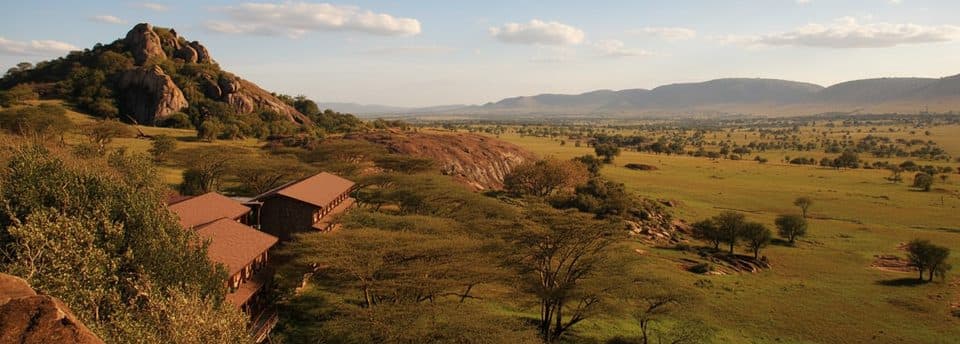
Lobo Hill is the granite backbone of the northern Serengeti’s Lobo Valley—a kopje-studded ridge that feels wild and wonderfully old-school. You come here for wide skies, sweeping views, and the kind of quiet that lets you hear distant baboons and the wind over tawny grass.
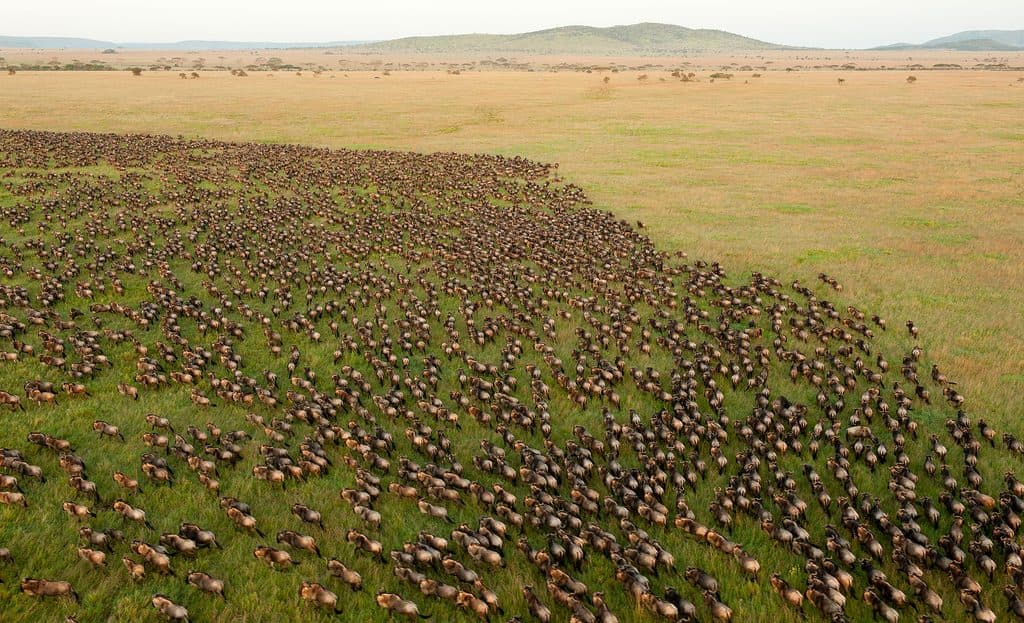
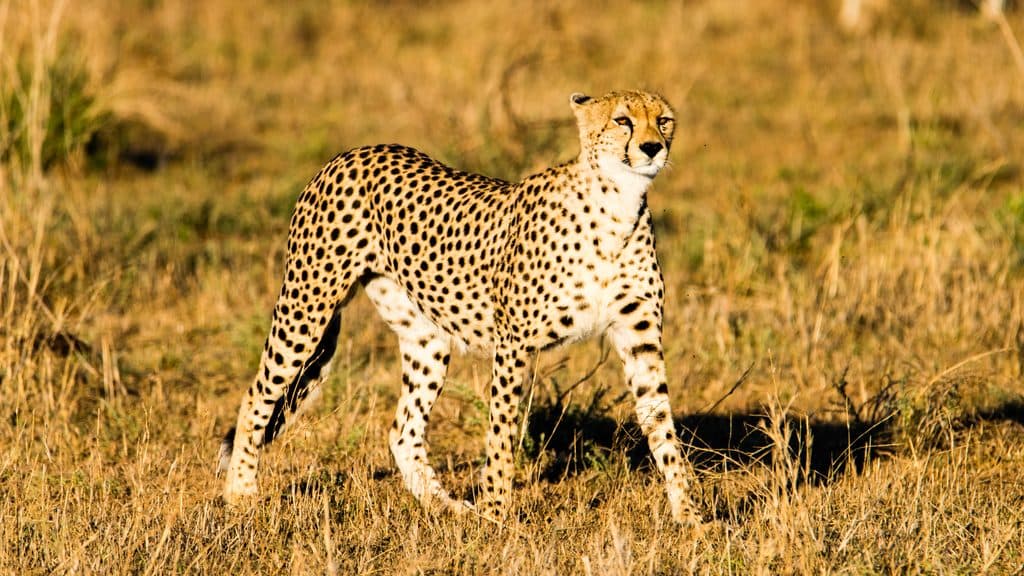
This is big‑cat country. Lions loaf on warm boulders by day, leopards skulk along tree-lined springs, and cheetahs work the open grass for Thomson’s gazelles. Resident game is strong year‑round—buffalo, elephant, giraffe, baboons, vervet monkeys, hyrax, impala, topi, hartebeest, warthog, dik‑dik—and when the Great Migration sweeps through, zebras and wildebeest join the show.
Think ancient granite—kopjes estimated in the millions of years—punctuating a mosaic of hills, woodlands, and plains. Permanent water (Bololgedi and Gaboti Rivers plus Lobo Springs) keeps wildlife here even in the dry months, with Lobo Hill flanking the valley’s eastern side for big, cinematic vantage points.
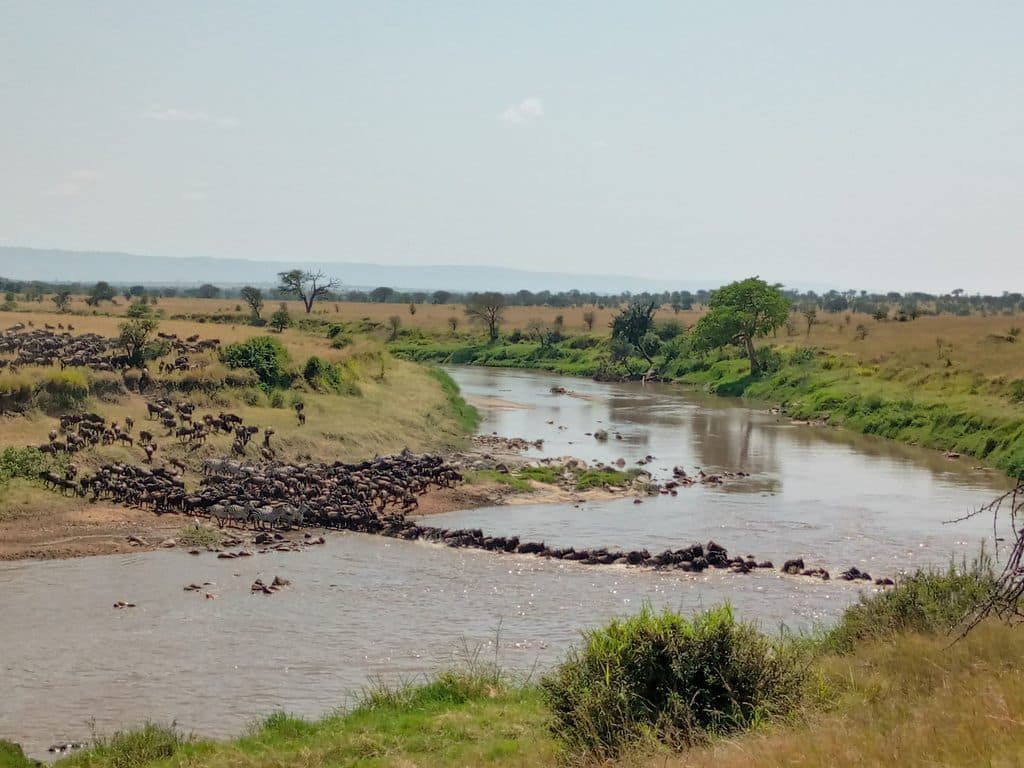
You can find predators and resident game any month, but Lobo really shines in the dry season. Northbound migration elements often show in August–September; southbound herds typically push through October–November. Early mornings deliver the best sightings and softest light; sunset from the kopjes is lovely if you’re nearby.
Versus the busier central plains, Lobo’s roads are quiet. That solitude ups your chances of unrushed sightings—lions on rocks, leopards near springs—without a convoy of vehicles.
There are no services on Lobo Hill itself. Nearby, Lobo Wildlife Lodge (built into the kopje) offers rooms, meals, a pool with huge views, limited cell coverage, and generator‑timed power/hot water. The Lobo public campsite has basic ablutions with flushing toilets and cold showers. Plan your day around these hubs for restroom and meal stops.
If you prioritize predators and a wilder, less crowded feel, Lobo Hill is absolutely worth building into your route—especially from August to November when migration energy spikes.