Namiri Plains Camp

Remote big‑cat hotspot with luxe tents and standout guiding
Namiri Plains Camp, Serengeti National Park
InsideSerengeti National Park

Overview

Tucked into the remote eastern grasslands, Namiri Plains is where you come for predators and quiet. It’s purpose‑built for long, unhurried game viewing—think big skies, few vehicles, and guides who live for the perfect sighting.

Why It’s Special

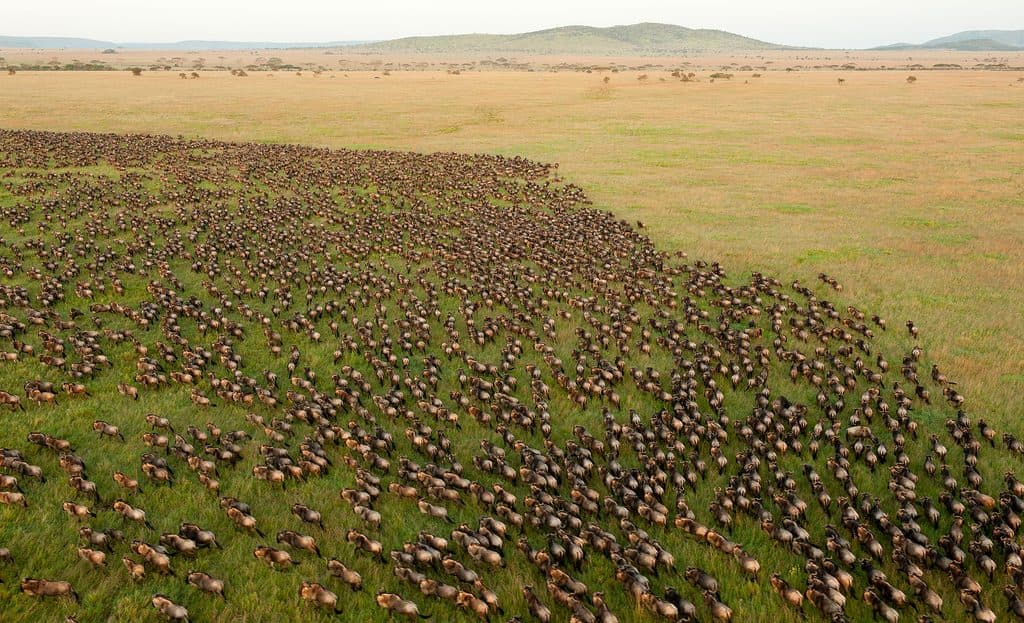
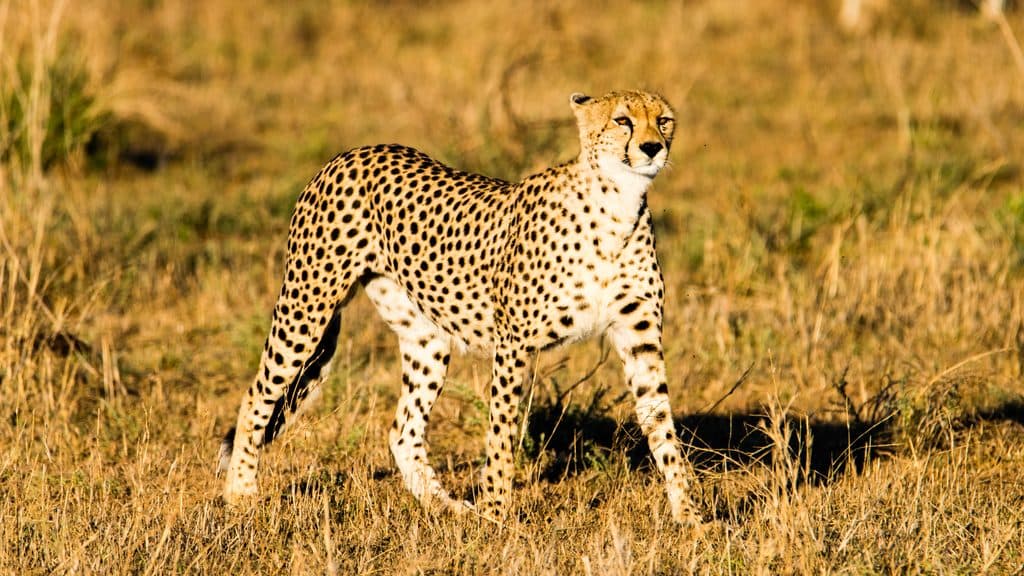
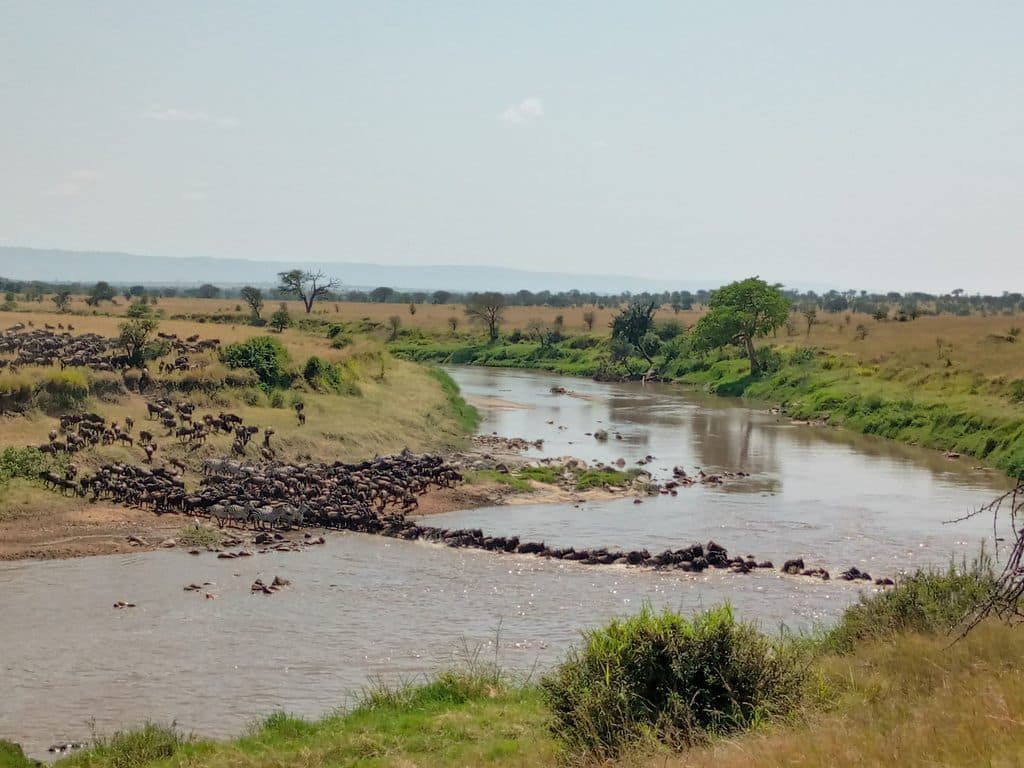
This is bona fide big‑cat country. Lions and cheetahs are seen with impressive regularity, leopards show up often, and the surrounding plains hold all the classic Serengeti game. Smaller cats like serval and caracal also feature. When conditions line up, the Great Migration can pass through in late October–early November, and on longer drives you can reach the herds through about May.

Wildlife & Activities

  • Twice‑daily game drives in open 4x4s, with the option to book a photographer‑configured vehicle.
  • Guided walking safaris (June 1–February 15; pre‑book; minimum age 12) for a ground‑level look at tracks, birds, and the park’s subtler rhythms.
  • Hot‑air ballooning for that sunrise aerial perspective.

Rooms & Amenities

Eleven handsome tented suites blend stone and canvas, each with a deck for armchair wildlife viewing and an outdoor standalone bathtub. You’ve got en‑suite bathrooms with hot water and flushing toilets, Wi‑Fi, battery charging, and thoughtful touches throughout. The camp runs on solar with a backup generator. In the main area: lounge, dining, bar, curio shop, spa, and a pool with a deck. For extra privacy, two Retreats add dedicated chef, host, guide, and vehicle.

Best Time to Visit

  • June–September: Prime, dry conditions and superb cat viewing. Many travelers chase the Migration up north then, so the eastern plains stay relatively quiet.
  • October–January: Resident game shines; migratory birds arrive; expect some afternoon showers. Migration herds often pass late October/early November.
  • February–May: February is great for photography; long rains begin in March. Roads can be challenging but crowds thin and rates drop.


Getting There & Logistics

Most guests fly to Seronera and drive in—plan on a scenic transfer that effectively becomes a game drive. The camp can pack picnics for long outings. There’s no public gas station here, and self‑drive parking isn’t advertised; coordinate in advance if you plan to bring a vehicle.

Value Notes

Rates are seasonal and typically include full board, house drinks, laundry, scheduled game drives, walking (when available), and transfers to/from Seronera. Exclusions usually cover park fees and spa treatments.

Photography Tips

Ask ahead for the photo‑configured vehicle, bring rain covers in the green season, and be ready on arrival—the transfer to camp often produces first‑day sightings.

Pros

  • Consistently excellent big‑cat sightings with minimal vehicle traffic
  • Stylish tented suites with outdoor tubs, pool, spa, and Wi‑Fi
  • Walking and photographic safaris, plus optional hot‑air ballooning

Cons

  • Remote location with long transfers; self‑drive logistics require pre‑arrangement
  • Pricey, and March–May rains can make roads muddy and slow

Tips

  • Pre‑book walking safaris (June 1–Feb 15; minimum age 12).
  • Ask for the photographer‑configured vehicle if images are a priority.
  • Book spa treatments ahead; popular slots fill quickly.
  • Green season brings moody skies and fewer visitors—pack rain covers.
  • The Seronera transfer often doubles as a game drive—keep cameras ready.
The Parkwolf tour guide sitting on a phone mounted in a car

Parkwolf Tour Guide

Like a tour guide in your car.

Save the places you found around Serengeti, then let Parkwolf guide the drive between them.Download Parkwolf on the App Store