Soit Le Motonyi

Remote cheetah stronghold with big cats and kopje-dotted plains
Soit Le Motonyi, Serengeti National Park
InsideSerengeti National Park

Overview

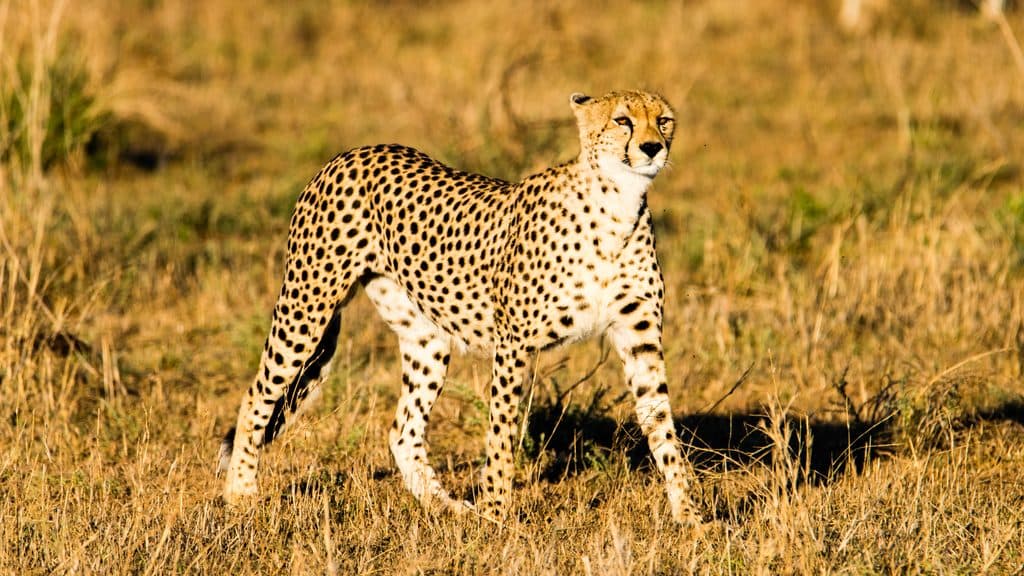
Set in the central‑eastern Serengeti, Soit Le Motonyi is the quiet corner people whisper about. It was closed for roughly two decades to safeguard a cheetah breeding ground and later reopened to a limited number of visitors—so you get big‑cat action without the big‑crowd chaos.

Why it’s special

This is bona fide big‑cat country. Long‑running studies have documented over 200 individual lions across the eastern grasslands since the 1960s, and cheetah research estimates 50–80 adults in and around Soit Le Motonyi. Leopards and servals show up too, with hyena clans patrolling the short‑grass plains. If you dream of watching predators work the open country, this area over‑delivers.

The landscape

Short‑grass plains roll into acacia woodlands, punctuated by dramatic granite kopjes—classic cat hangouts and hunting lookouts. The underground Ngare Nanyuki River feeds permanent water pockets, keeping wildlife around even when other places dry out.

Wildlife calendar

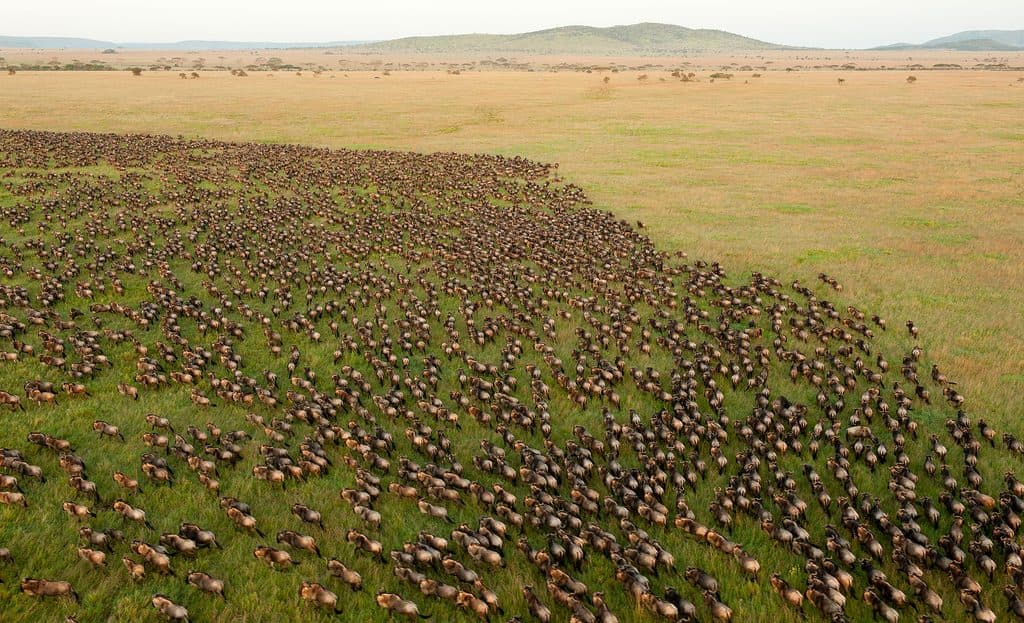
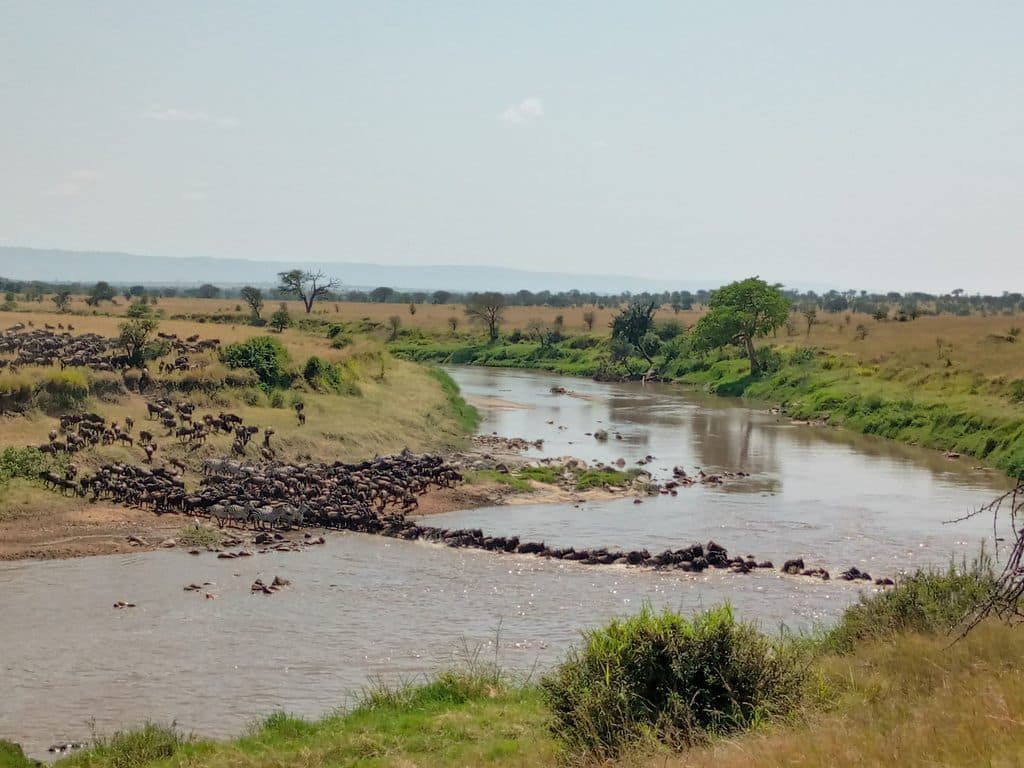
The Great Migration sweeps through here on two passes: typically November–January as herds push south toward Ndutu, then again in April–May on their northbound return toward the Mara. Outside those windows, resident predators and grazers—elephants, giraffe, zebra, waterbuck, steenbok, warthog, and more—keep drives lively, with excellent birding to boot.

What to expect on a visit

Think unhurried, immersive game drives far from the busiest circuits. Camps in or near the area include Namiri Plains and Mawe Tented Camp; animals wander right through these unfenced camps, so you’re sleeping in the middle of the action. Balloon flights are also offered by operators based here.

On‑the‑ground realities

Facilities are sparse. You’ll rely on your camp’s bathroom and designated rest stops at gates, airstrips, and picnic sites; many use long‑drop/pit toilets, and bush stops are normal when far from facilities. There aren’t public parking lots out on the plains—your guide positions the vehicle at sightings and legal pull‑offs.

Best time to visit

For migration herds, target November–January and April–May. If predators are your priority, the permanent water pockets make this a solid bet year‑round. It’s generally less crowded than the park’s headline areas, which is part of the appeal.

Pros

  • Arguably the Serengeti’s best cheetah viewing after decades of protection
  • Remote, quiet plains with kopjes and year‑round water pockets that draw game

Cons

  • Very remote with limited facilities; expect few formal restroom stops
  • Access is via guided game drives from a handful of local camps

Tips

  • If the Great Migration is your goal, aim for Nov–Jan or Apr–May.
  • Carry tissues and sanitizer; many field stops use pit or long‑drop toilets.
  • Use bathrooms at gates, airstrips, and picnic sites whenever you can.
  • Ask your operator about a portable loo for long days far from facilities.
  • Base yourself at nearby camps like Namiri Plains or Mawe to maximize time on the plains.
The Parkwolf tour guide sitting on a phone mounted in a car

Parkwolf Tour Guide

Like a tour guide in your car.

Save the places you found around Serengeti, then let Parkwolf guide the drive between them.Download Parkwolf on the App Store