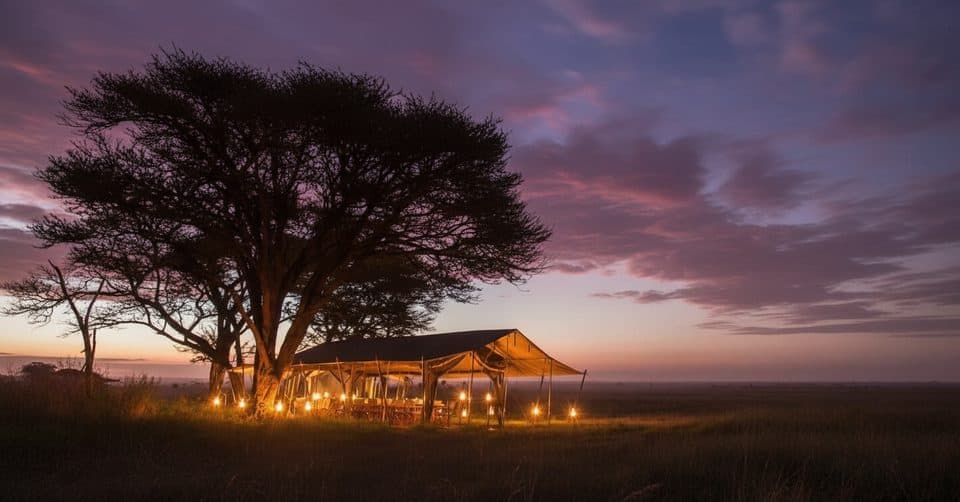
Nomad Serengeti Safari Camp

Tiny mobile camp that chases the Great Migration in style
Nomad Serengeti Safari Camp, Serengeti National Park
InsideSerengeti National Park

Overview

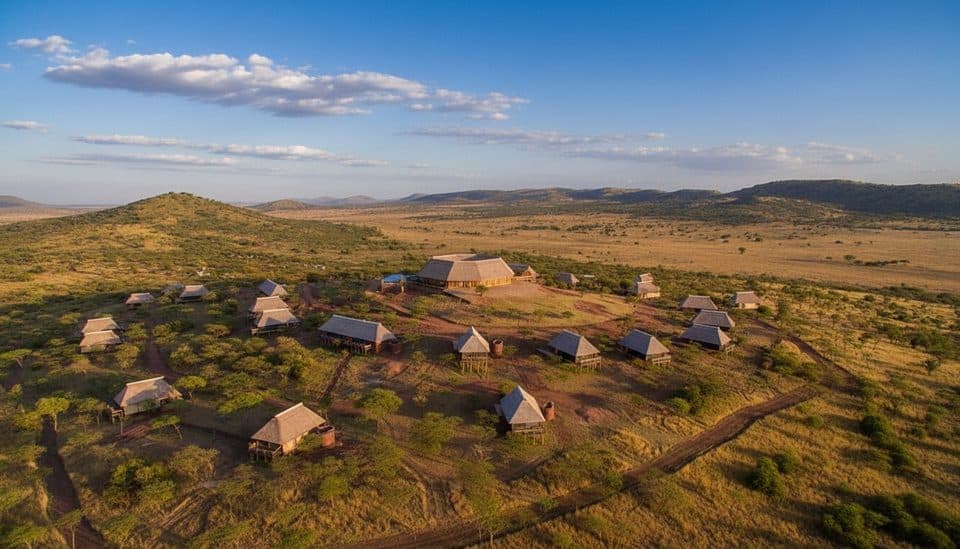
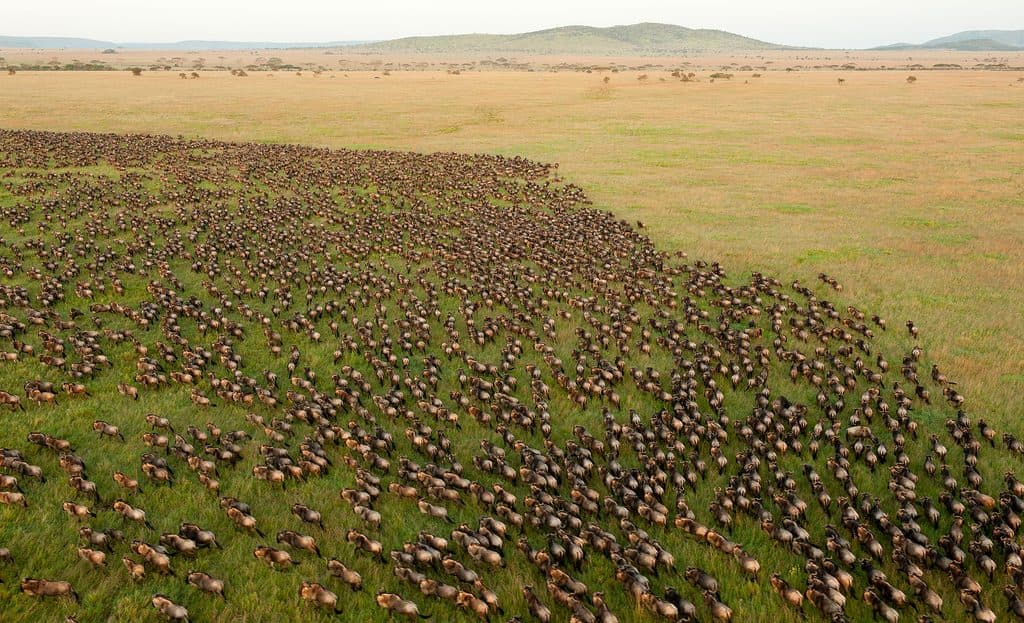
A classic mobile tented camp that follows the wildebeest herds, Nomad Serengeti Safari Camp keeps you close to the action—calving on the southern plains, river crossings up north, and plenty in between. It’s purposely small and low‑impact, trading resort frills for superb guiding, warm service, and that deep‑in‑the‑bush feel guests rave about.

Camp vibe & amenities

Six Meru‑style tents (including a family setup) balance comfort with a light footprint. Expect en‑suite bucket showers with hot water on request and eco‑flush toilets, comfortable beds, and a private sitting area to soak up the views. The open‑sided lounge/bar, indoor–outdoor dining, firepit for sundowners, and a small library round out camp life. Children 8+ are welcome.

Where it moves (typical pattern)

  • Dec–Apr: Southern plains/Lake Ndutu for grazing and the famed calving season.
  • May: Moru area (central Serengeti).
  • Jun–Jul: Western Corridor/Grumeti as the herds push north.
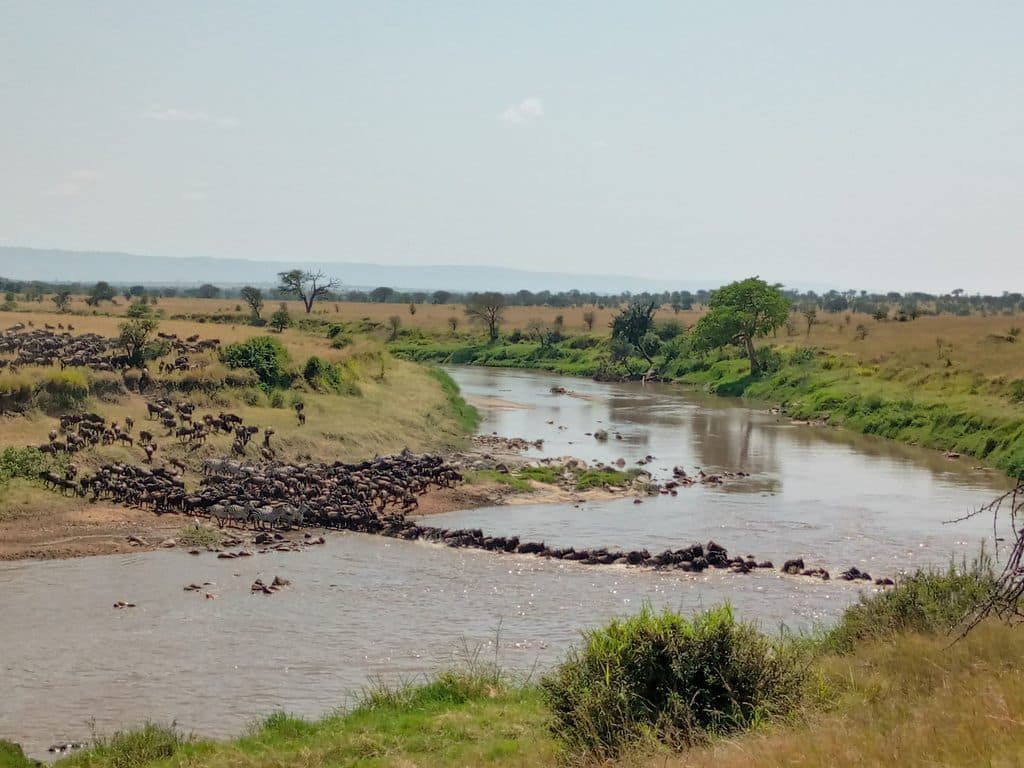
  • Jul–Oct: Northern Serengeti (Kogatende) for Mara River drama.
  • Nov: Back toward Moru as the herds loop south.

Exact sites vary year to year to stay with wildlife.

Activities

  • Daily game drives in shared or private 4x4s with seasoned naturalist guides.
  • Bush walks where/when permitted.
  • Optional hot‑air ballooning (extra cost) with a bush breakfast.
  • Stargazing outings to learn constellations and navigation.

Wildlife expectations

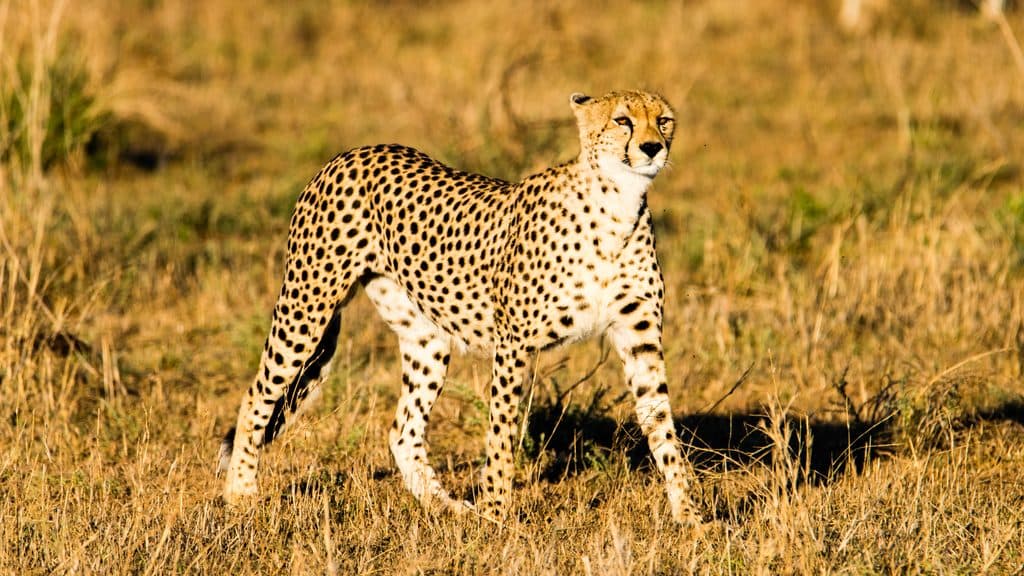
Recent trip reports call out consistently strong big‑game viewing: high chances for lion and elephant; near‑certain for wildebeest, zebra, and giraffe; good odds for leopard; cheetah seen regularly but less frequently. As always, sightings hinge on month and location.

Best time to visit

  • Calving spectacle: late Feb–early Mar on the short‑grass plains.
  • River crossings: aim for late Jul–Sep up north.
  • Fewer people and moody skies: the green season (late Nov–May).

Because the camp moves to match the herds, aligning your dates with its position is key.

Practicalities

The nearest airstrip depends on the camp’s current location. Safe, purified drinking water is provided (avoid tap water). Typical bush‑flight luggage limits are around 15 kg per person in soft‑sided bags. If you like intimate camps and don’t mind bucket showers, this is a standout choice; if you want permanent‑lodge extras like a pool or spa, look elsewhere.

Pros

  • Moves with the Great Migration for front‑row wildlife viewing
  • Expert guiding with shared or private game drives
  • Only six tents (plus a family tent) for an intimate feel

Cons

  • Bucket showers instead of fully plumbed bathrooms
  • Camp location shifts; logistics and activities vary by season

Tips

  • Confirm the camp’s exact location for your dates to match the migration.
  • Internal bush flights typically allow 15 kg per person in soft‑sided bags.
  • Hot‑air ballooning costs extra—reserve ahead if it’s a must‑do.
  • Safe drinking water is provided; avoid tap water.
  • For fewer crowds and dramatic skies, consider the green season.
The Parkwolf tour guide sitting on a phone mounted in a car

Parkwolf Tour Guide

Like a tour guide in your car.

Save the places you found around Serengeti, then let Parkwolf guide the drive between them.Download Parkwolf on the App Store