Olakira Migration Camp

Mobile stargazing camp that follows the Great Migration
Olakira Migration Camp, Serengeti National Park
InsideSerengeti National Park

Overview

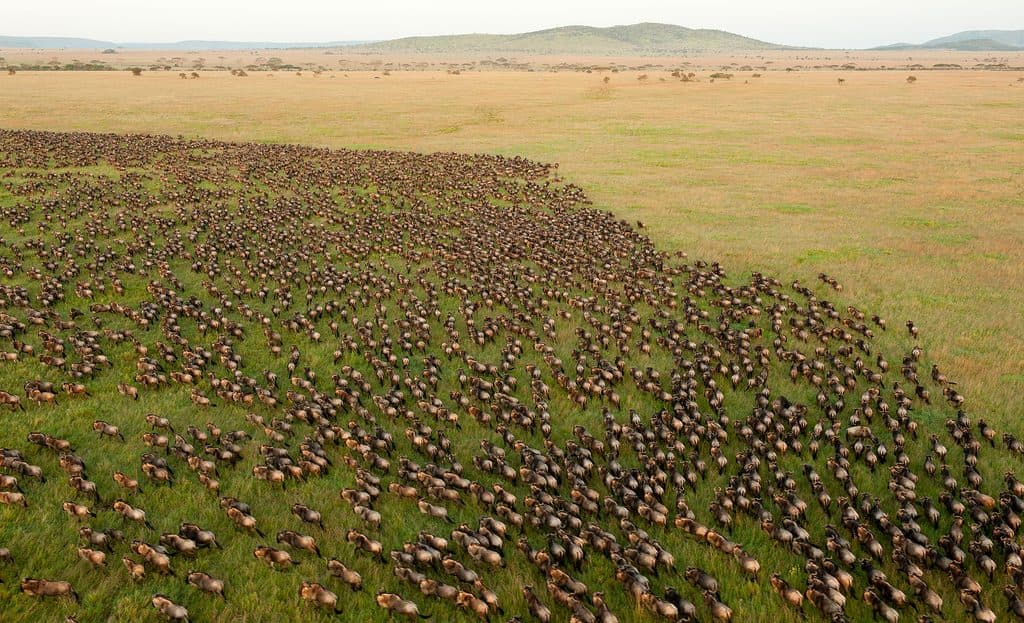
Olakira is a semi‑permanent, high‑comfort tented camp that literally follows the Great Migration. It sets you up where the action is—either beside the Mara River in the north or on the southern plains near Ndutu—without sacrificing creature comforts.

Where it moves and when

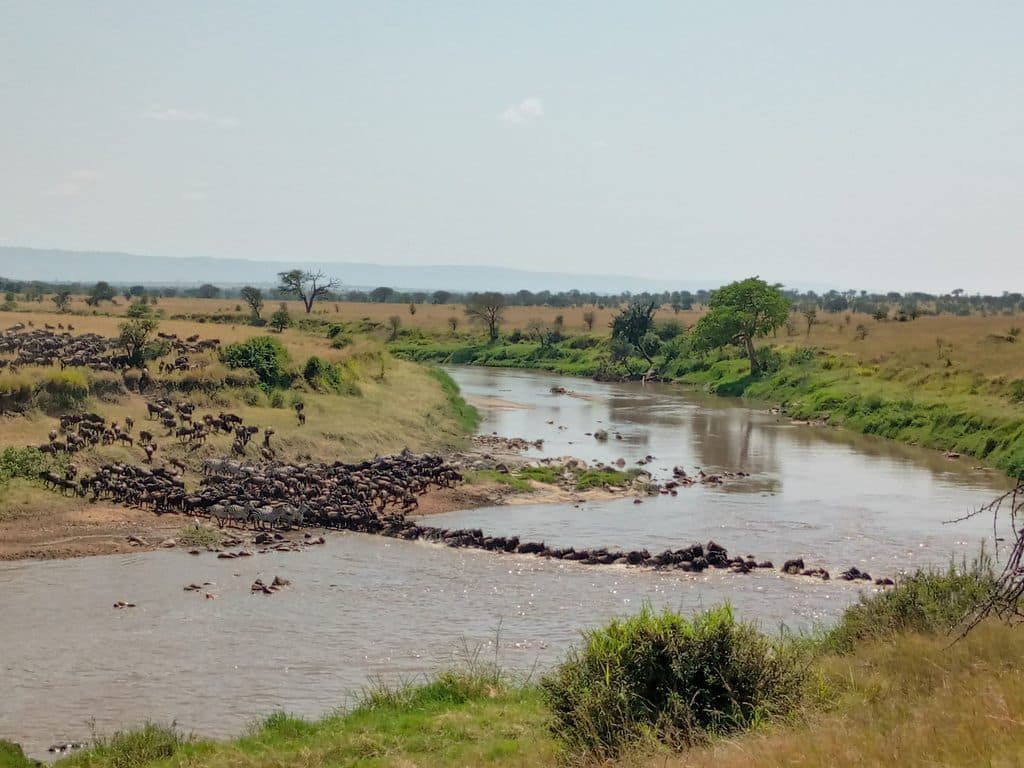
  • June–November: Northern Serengeti, close to the Mara River and classic wildebeest crossing points, with peak crossings typically around August–October.
  • December–March: Southern Serengeti/Ndutu area for the calving season and sweeping plains game.
  • Closed: April, May, and November.

What you’ll see

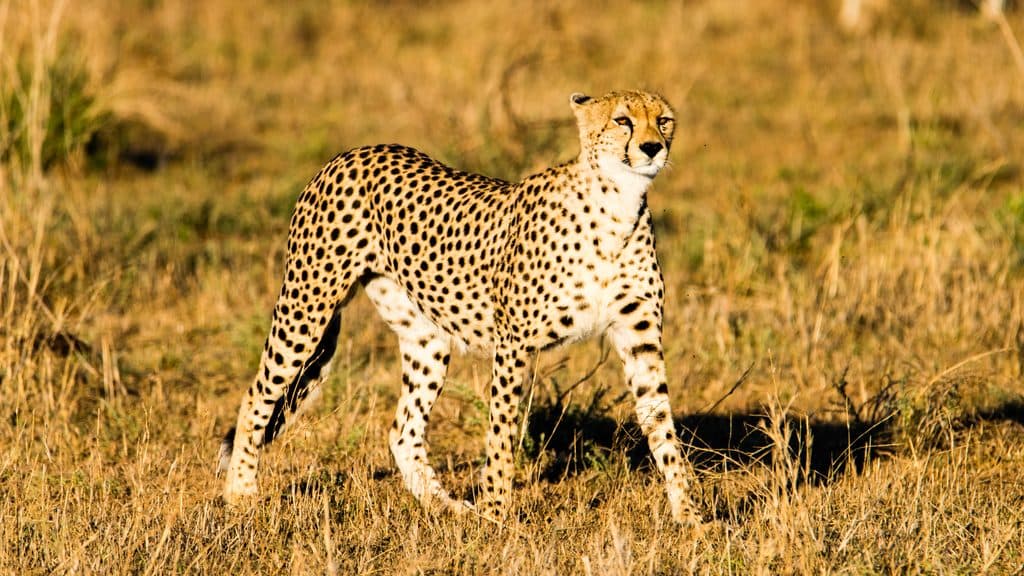
Expect big, reliable plains game—wildebeest, zebra, and giraffe—plus very strong odds for lions and spotted hyena, with regular elephant, buffalo, hippo, and good chances for leopard and cheetah. Ultra‑rare species are possible but never guaranteed. A 3–4 night stay meaningfully boosts sightings.

Camp life and comforts

You’ll sleep in spacious, stylish safari tents with en‑suite bathrooms (twin basins, flushing toilet, and plumbed hot‑water shower). A signature touch: beds can be rolled into a mesh‑enclosed “stargazing” extension so you can drift off under the night sky. Communal lounge and dining tents encourage a friendly, campfire‑and‑sundowners vibe; private dining can be arranged. Power is 24‑hour solar with charging points; Wi‑Fi is available in main areas.

Activities

The rhythm is classic safari: early‑morning and late‑afternoon 4x4 game drives (or full‑day outings with packed lunches). Bush breakfasts and sundowners are easily arranged; private guiding and photographic vehicles are options. Hot‑air ballooning can be organized when conditions and location allow.

Getting there

Olakira positions near key seasonal airstrips: in the north, Kogatende is around a 45‑minute drive; in the south, Ndutu Airstrip is roughly 20 minutes away. Expect a remote setting—not much in the way of “transit,” which is part of the appeal.

Best time to visit

Time your stay to your goals. For dramatic river crossings, target late dry season when the camp is by the Mara River (roughly August–October). For teeming herds and infant wildlife, aim for December–March around Ndutu. Light is best at dawn and late afternoon; plan pre‑dawn departures for predators. Note seasonal pricing: Low season runs December 1–19; High season is December 20–February 28; the camp is closed April, May, and November.


Pros

  • Moves with the herds for front‑row Great Migration viewing
  • Unique mesh‑enclosed stargazing beds for sleeping under the stars

Cons

  • Pricey, especially in peak season; optional extras can add up
  • Seasonal and closed in April, May, and November—confirm location before booking

Tips

  • Confirm whether the camp will be in the north (Mara River) or south (Ndutu) for your exact dates.
  • Ask for pre‑dawn departures if predators and active behavior are your priority.
  • Photographers: a 100–400mm (or 200–400mm) plus a beanbag works well in open vehicles.
  • Pack layers for cold mornings and warm middays; use soft duffels (about 15–20 kg on bush flights).
  • Hot‑air balloon slots are limited—request them at booking if it’s a must‑do.
The Parkwolf tour guide sitting on a phone mounted in a car

Parkwolf Tour Guide

Like a tour guide in your car.

Save the places you found around Serengeti, then let Parkwolf guide the drive between them.Download Parkwolf on the App Store