Best time to visit
Any day works; here, time of day matters more than day of week. Aim for golden hours for both activity and photography. Midday heat tends to flatten movement, so use that window for transit or lunch and return for the evening run.

Sight · Serengeti National Park
Compact spring-fed valley that pulls in predators and prey
Overview
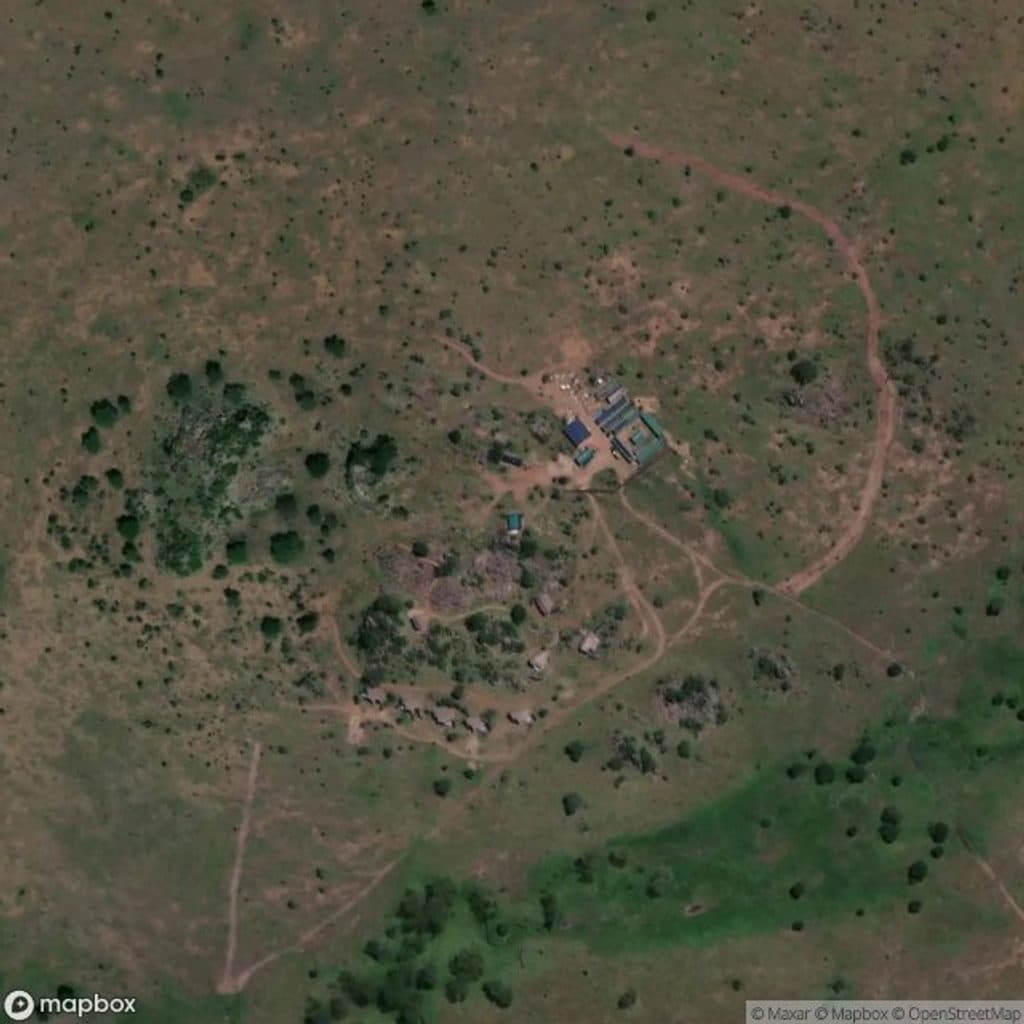
Turner Springs is a compact spring-fed valley in the central Serengeti near Seronera that guides favor on game drives. It concentrates water, shade, and cover in one spot—catnip for both predators and plains game—so sightings can feel effortless when the rest of the plains look empty.
Map
Local know-how
Be on site at first light and again near dusk for peak activity.
Circle kopje edges and scan shaded boulders for lions; check tree canopies for leopards.
In the dry season (June–October), linger—water draws everything in.
No public restrooms or picnic facilities are noted here; plan stops elsewhere.
Make two passes the same day—early and late—to catch different behaviors.
Plan your stop
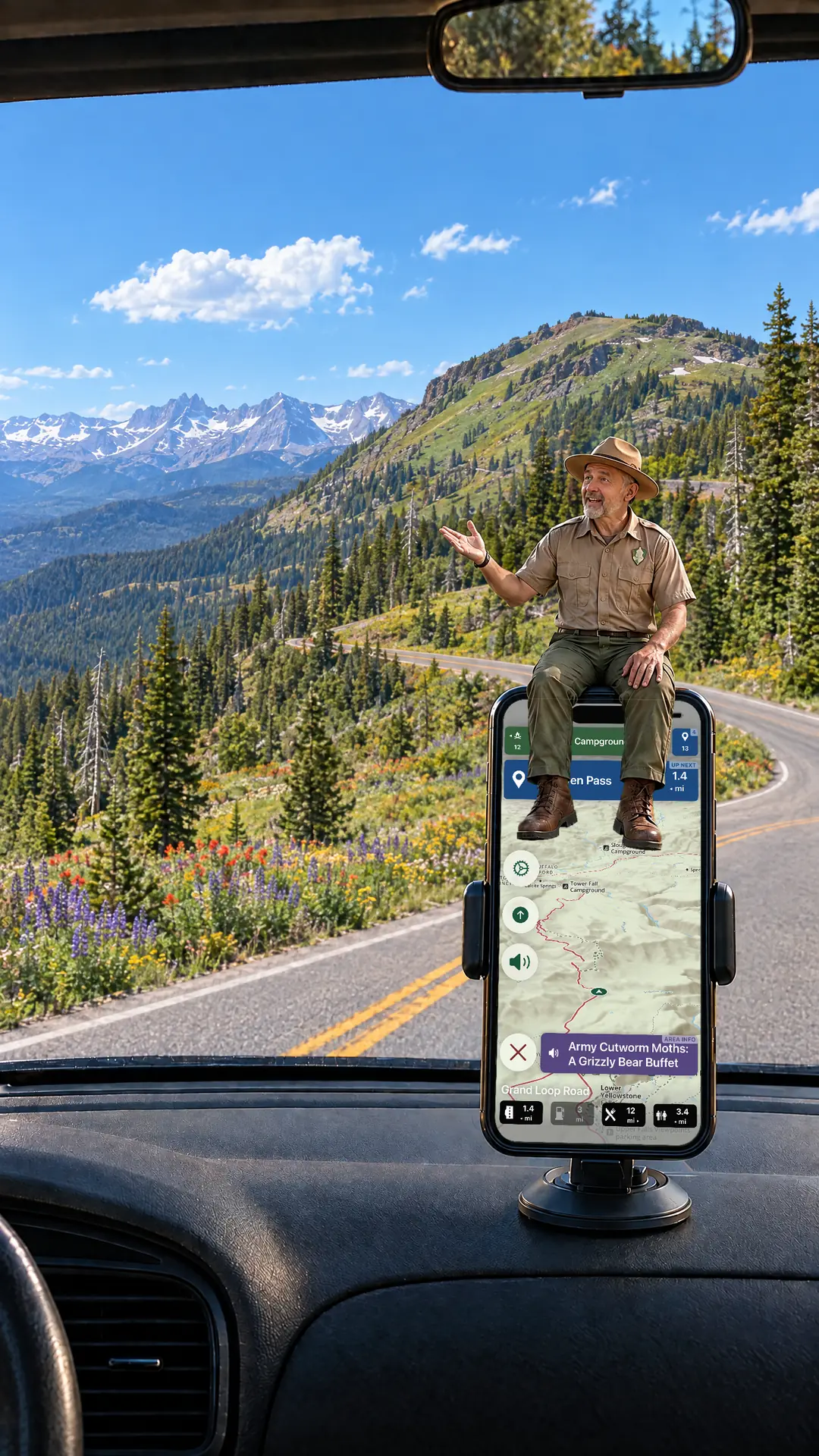
The highest, rockiest slopes around here are a summer buffet for grizzly bears.
Serengeti Tour Guide
Parkwolf is a GPS audio tour guide for Serengeti National Park. As you drive, it chimes in with what’s ahead: hidden gems, upcoming stops, history, geology, and wildlife, right through your car’s speakers.
See the Serengeti audio tourRecorded for this place
Turner Springs: A Wildlife Magnet“You're coming up on Turner Springs, an area that safari guides really favor because it's a natural wildlife hub. The spring provides a reliable water source, drawing in everything from giraffes to big buffalo herds.”
Plays as you drive up to Turner Springs in the Parkwolf Serengeti Tour Guide.
More stories near here in the app
“Fantastic app with many points of information… It’s great to just turn on while you’re driving and it gives you an audio tour of the national Park. We love it!!!!”


Guide
The Serengeti sits on the East African Rift’s volcanic plateau. Ash-derived soils and ancient granite outcrops (kopjes) shape the central plains. Kopjes trap moisture, offer shade and high ground, and springs/seeps keep a trickle of water even as seasonal streams dry. Put those together and you get a dependable dry‑season water point where animals naturally gather.
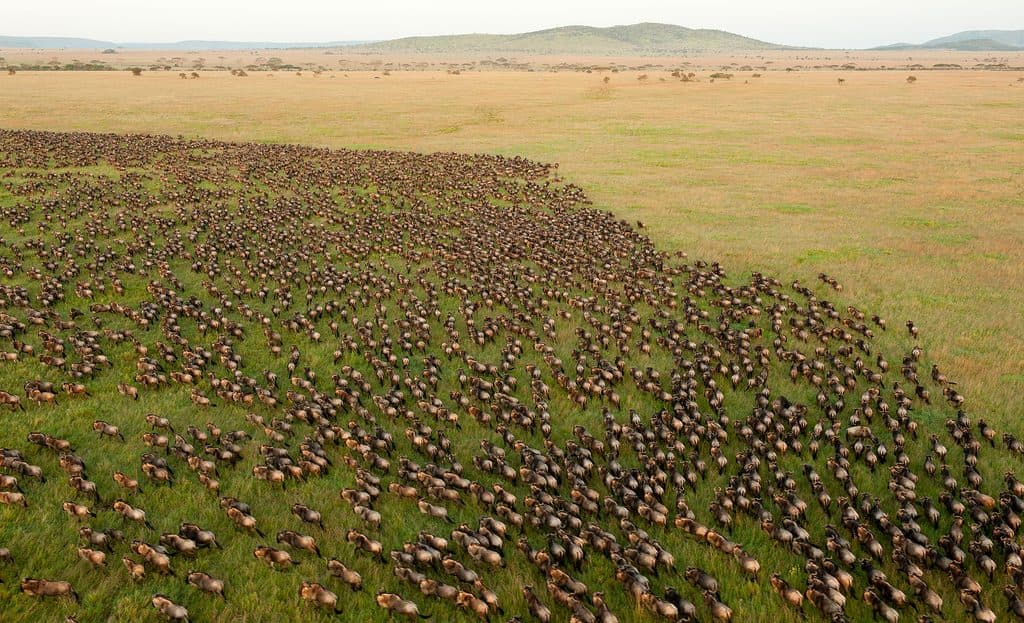
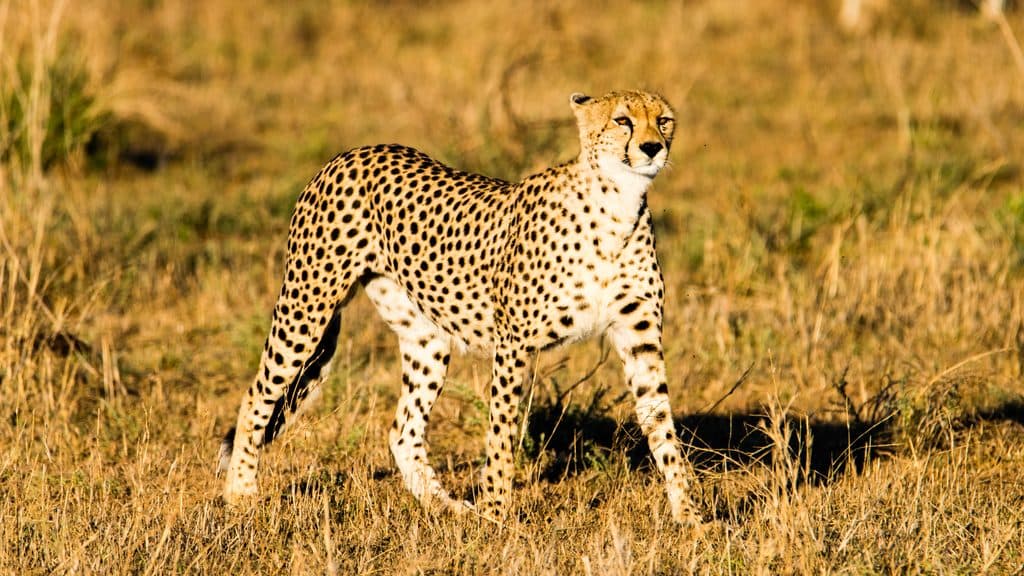
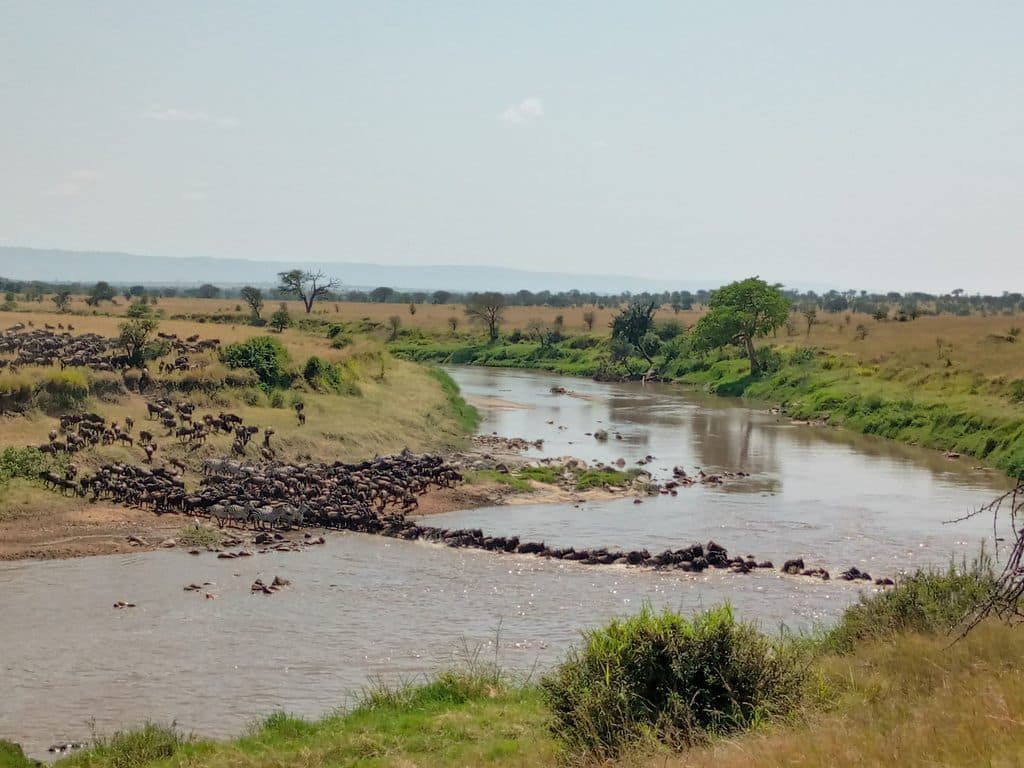
Expect year‑round resident herbivores—buffalo, giraffe, impala, topi, hartebeest, and gazelles—cycling through to drink. The kopjes and drainage trees are classic big‑cat habitat: lions loaf on warm boulders, leopards favor the riverine canopies, and cheetahs work the surrounding open flats. When the migration swings nearby, zebra and wildebeest pulses add extra energy to the scene.
Time your passes for first light to mid‑morning and again late afternoon to dusk. Loop the kopje edges slowly, glass the shaded boulders for lions, and scan sausage tree and acacia crowns for leopard tails. Give it two looks in a day—early and late—to catch different behaviors.
The sources don’t list any public amenities here—no designated toilets, picnic tables, or official parking noted—so plan breaks at marked picnic sites elsewhere. Treat Turner Springs as a wildlife stop, not a place to linger outside the vehicle.
Wildlife
 645 sightingsLionMost seen around 6 AMSighting map
 234 sightingsLeopardMost seen around 6 PMSighting map
 273 sightingsCheetahMost seen around 7 AMSighting map
 542 sightingsElephantMost seen around 5 PMSighting map
 132 sightingsCape BuffaloMost seen around 7 AMSighting map
 190 sightingsWildebeestMost seen around 5 PMSighting map
Sighting maps show where each species has been reported across Serengeti. Wildlife moves, so no sighting is guaranteed.
Keep exploring
Parkwolf’s Serengeti ranking

The audio tour guide for the drive, plus offline maps, trails, and wildlife heatmaps for when the signal drops.