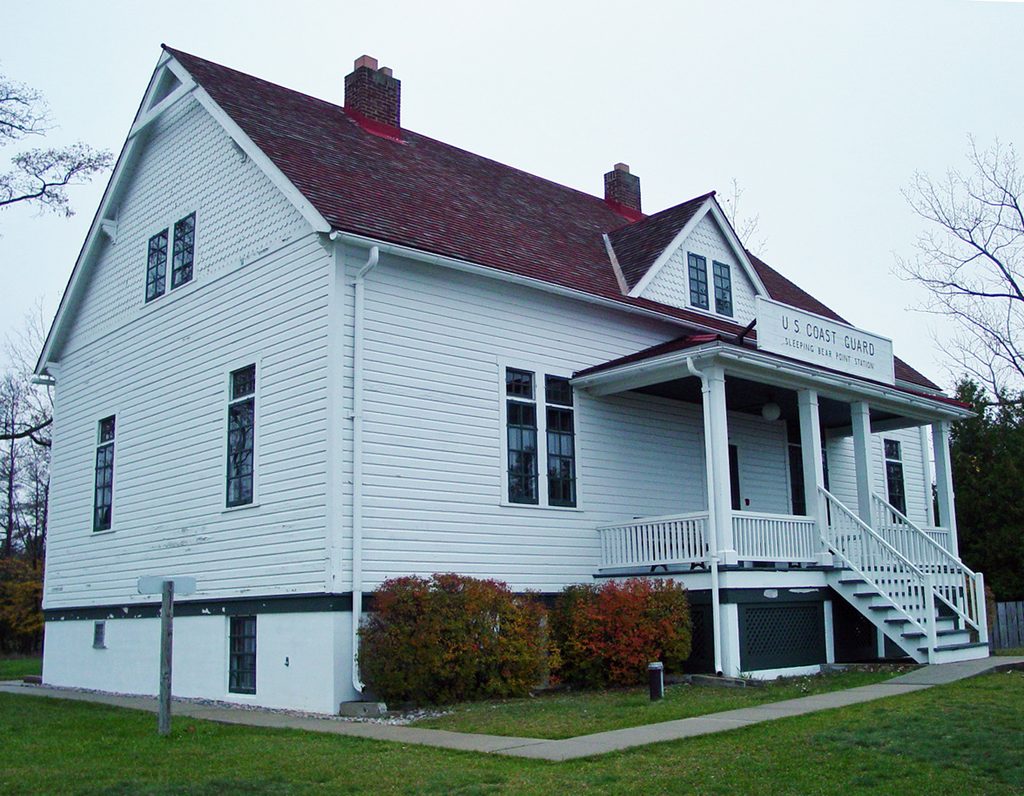
Sleeping Bear Point Coast Guard Station Maritime Museum

Authentic 1901 life-saving station with Great Lakes rescue stories
Sleeping Bear Point Coast Guard Station Maritime Museum, Sleeping Bear Dunes National Lakeshore
InsideSleeping Bear Dunes National Lakeshore

Overview

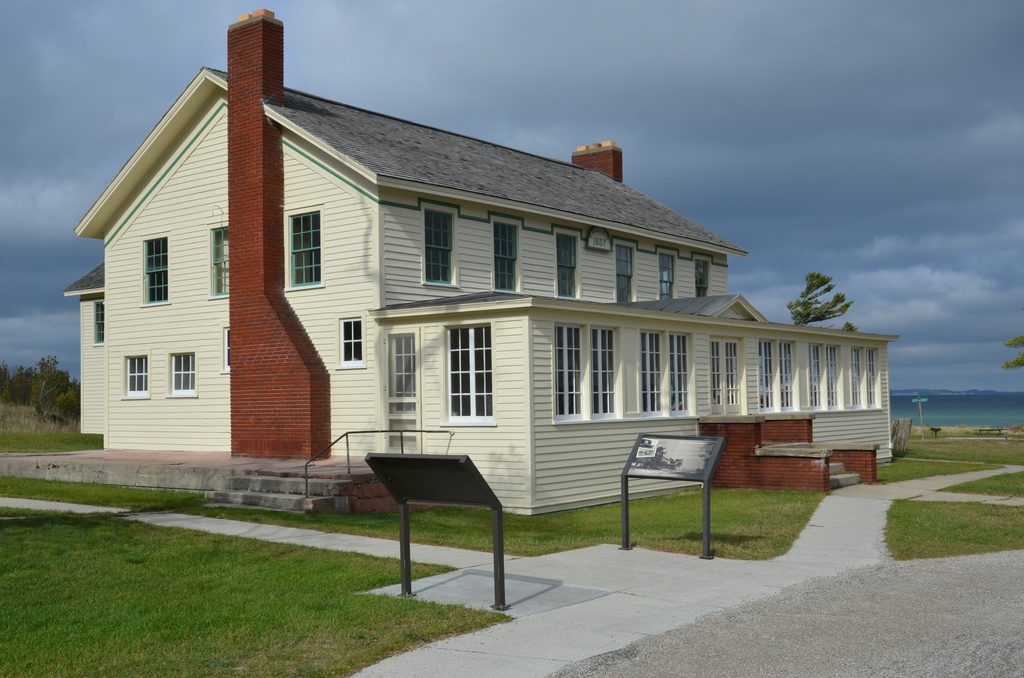
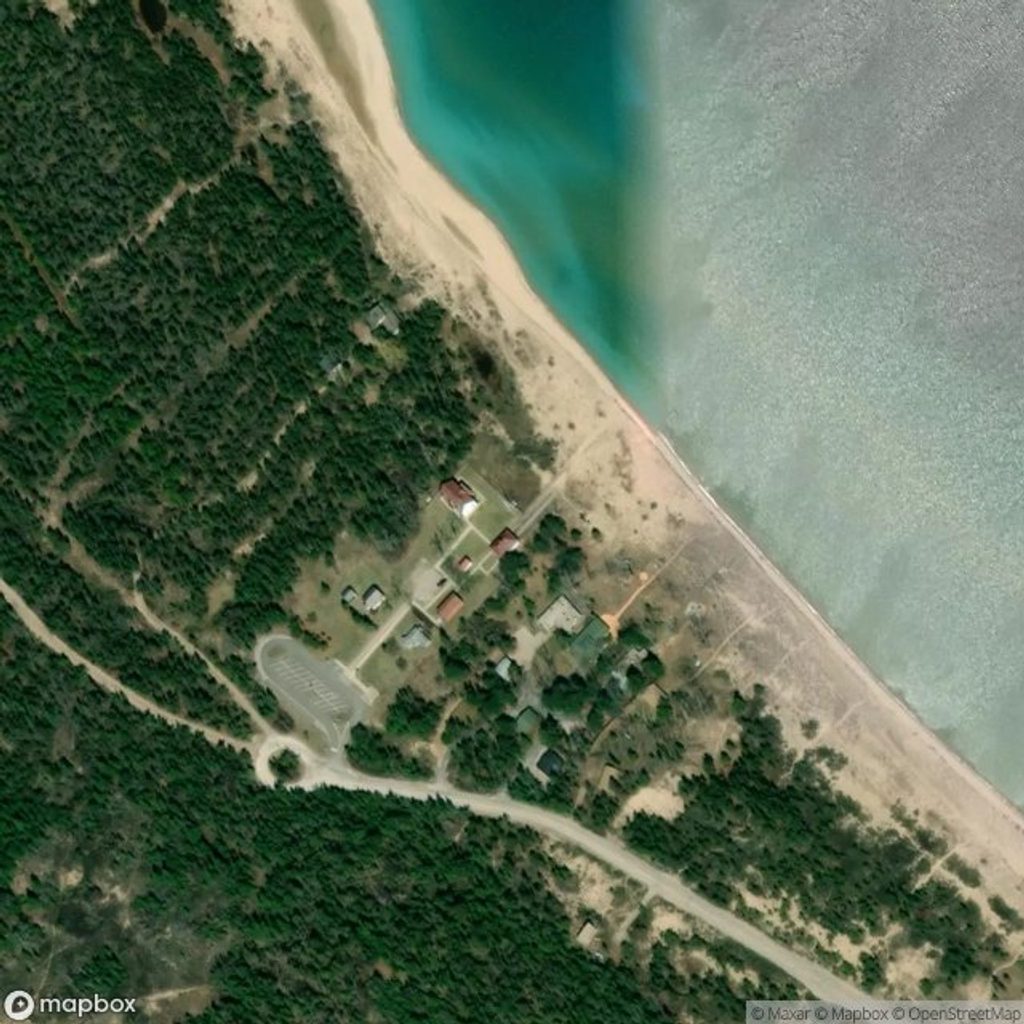
Tucked just west of Glen Haven, this restored 1901 U.S. Life‑Saving/Coast Guard station brings Great Lakes rescue history to life in the dunes. It’s compact, atmospheric, and easy to pair with a lakeside stroll—one of those stops that quietly becomes a trip highlight if you like stories of grit and ingenuity.

What You'll See

  • Exhibits on the U.S. Life‑Saving Service, the transition to the Coast Guard, and shipping on the Manitou Passage.
  • The adjacent boathouse with early 1900s rescue gear and boats.
  • Period‑furnished rooms that feel like crews just stepped out, plus interpretive panels outside.
  • A second‑floor “steamer wheelhouse” room set up for a panoramic feel over the lake.

History Snapshot

Built in 1901, the original station sat on an exposed point notorious for wind and waves—perfect for rescues, rough for buildings. As dunes advanced, the complex was moved to its current site. Operations ended in 1938; later the property joined the National Park Service and was restored as a museum interpreting the Life‑Saving Service’s evolution into today’s Coast Guard.

Setting & Geology

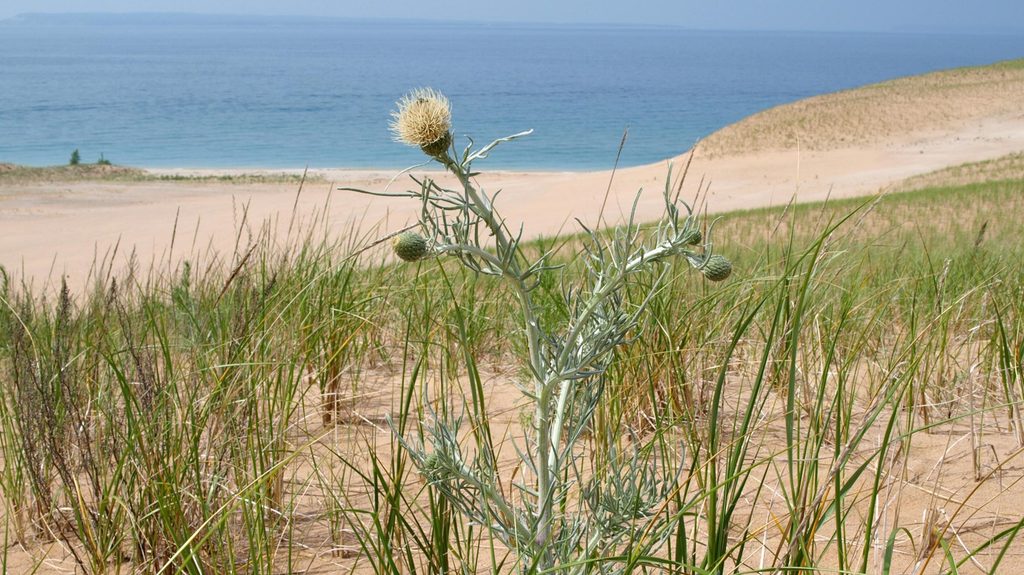
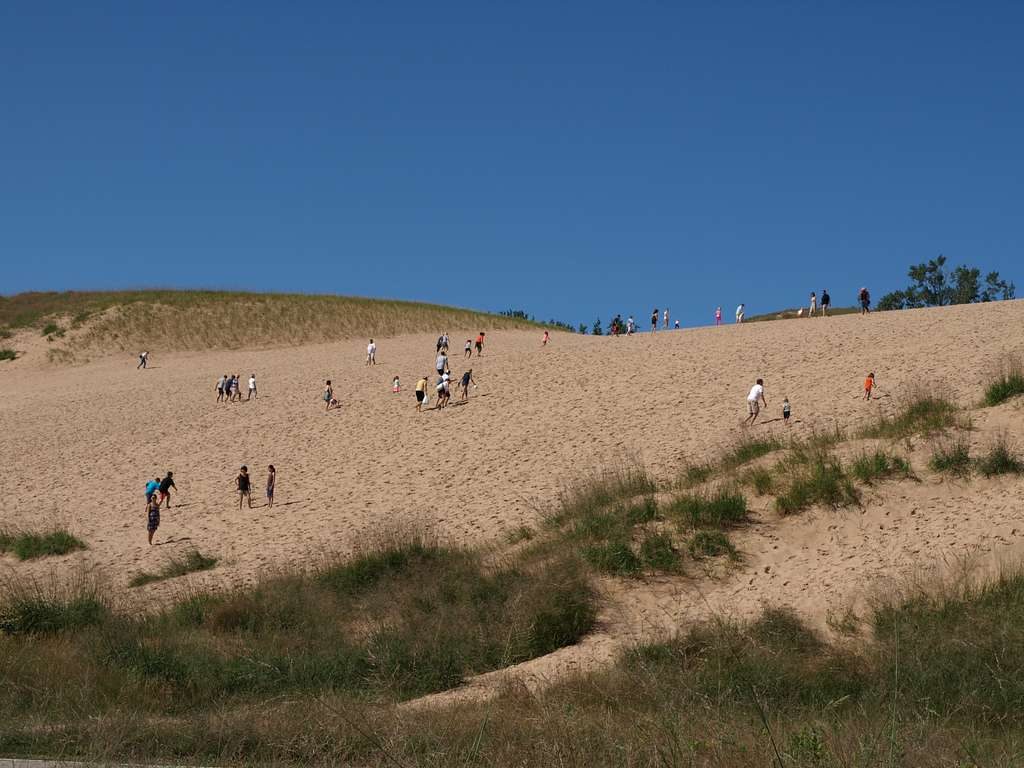
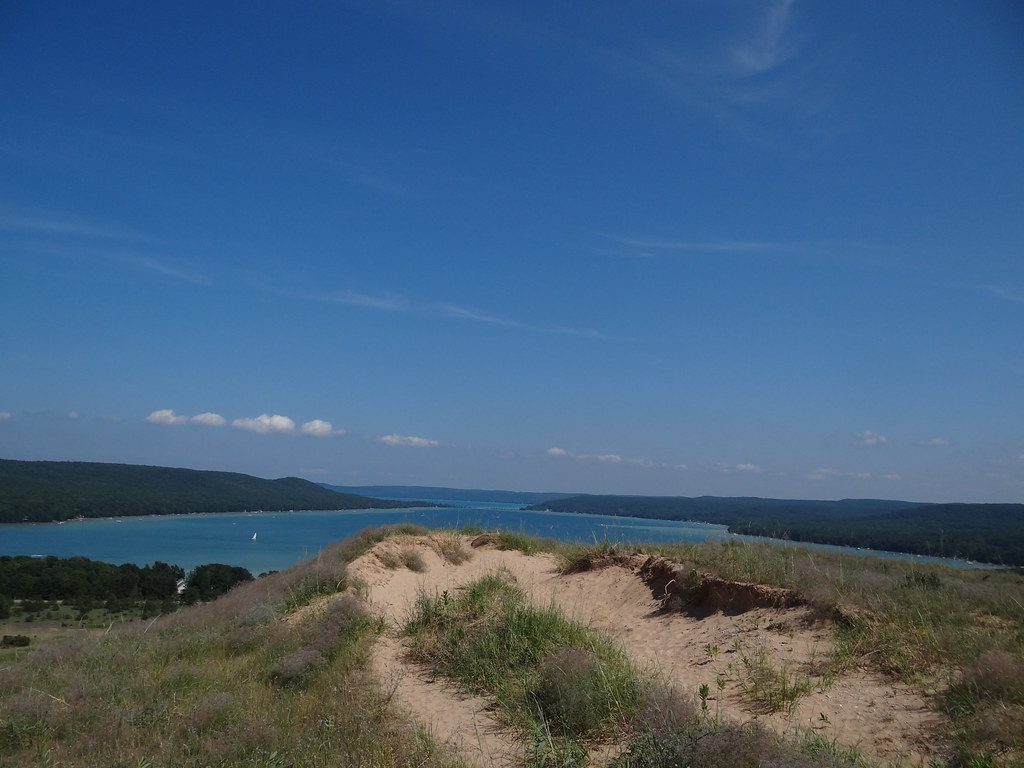
You’re on the edge of a living dune field. The station’s relocation tells the story: wind‑driven sand can swallow structures over time. Lakeshore views and the nearby beach underscore why this passage demanded vigilant rescue crews.

Wildlife

While this is a history stop, keep an eye out for shorebirds and waterfowl cruising the shoreline; the open sands and nearshore waters can be active, especially mornings and evenings.

Practicalities

  • On‑site parking and restrooms are available.
  • Pets aren’t allowed on the museum grounds.
  • Expect simple, historic buildings—no climate control—so it can feel toasty on hot days.

Tips for Visiting

  • Check seasonal hours (typically Memorial Day–Labor Day) and plan around the 5 pm closing.
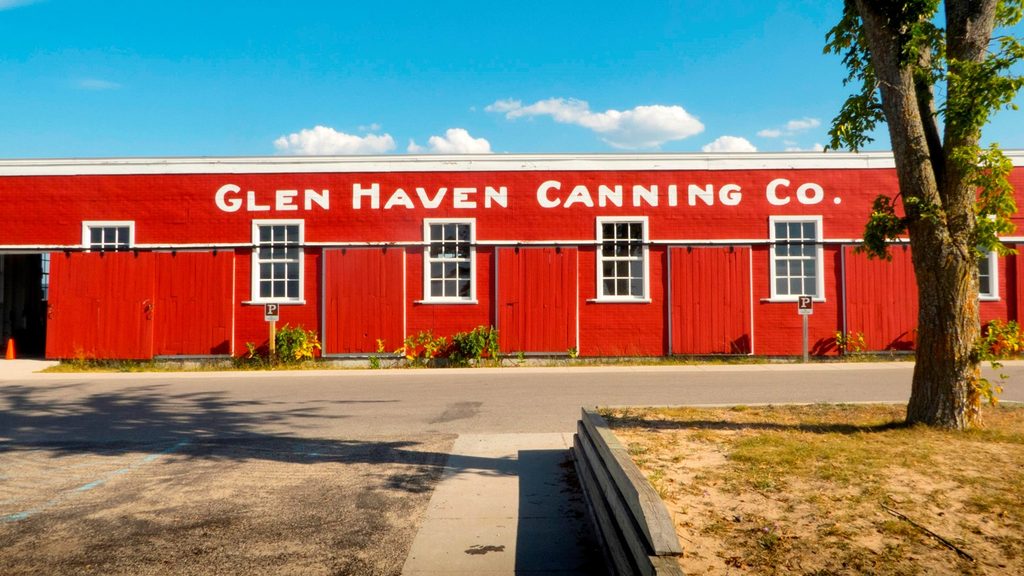
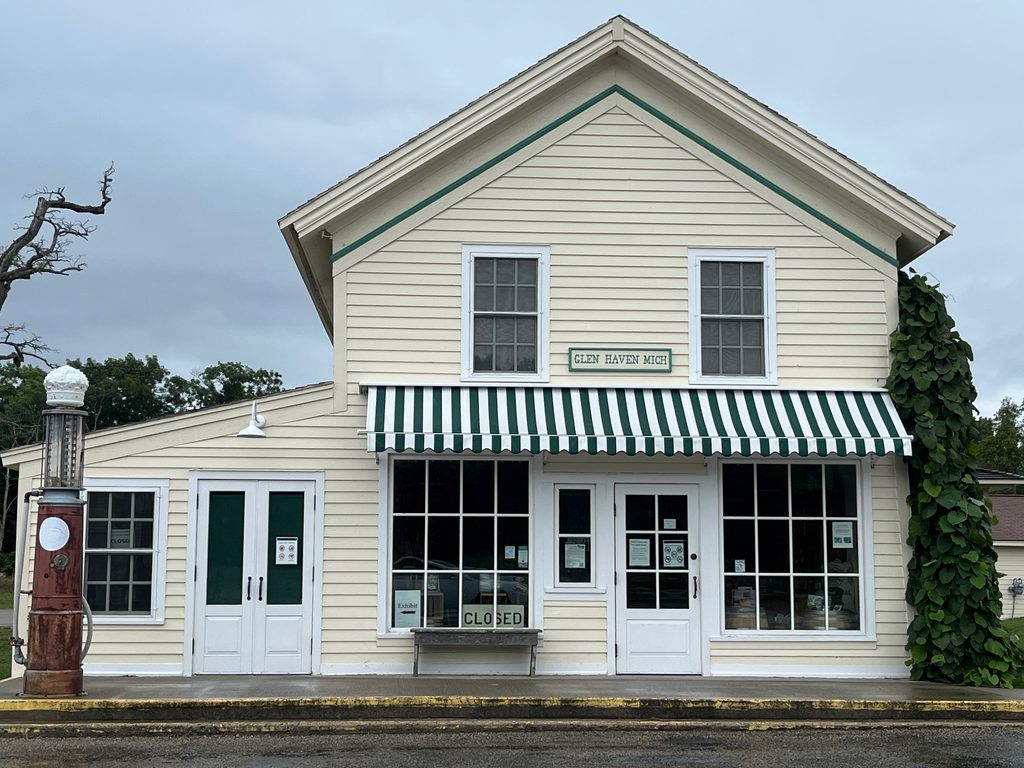
  • Pair it with the nearby Glen Haven historic sites or a beach break right after the museum.
  • Bring water, sun protection, and a camera for lake and dune views.
  • Arriving by bike or foot via the area paths makes for an easy, car‑free visit.
  • In the off‑season the grounds may be open even if buildings are closed—still a nice wander.

Best Time to Visit

Midweek late morning or early afternoon fits the museum’s 11–5 schedule and avoids weekend pinch points. For photos, step outside near golden hour for softer light on the dunes and lake. Off‑season is quiet and scenic, but expect building closures.

Pros

  • Authentic 1901 U.S. Life-Saving/Coast Guard station restored with period gear
  • Engaging exhibits and boathouse showcasing early rescue equipment

Cons

  • Seasonal and limited hours
  • Can be warm inside in midsummer due to lack of A/C

Tips

  • Verify seasonal hours; the museum typically closes at 5 pm.
  • Combine your stop with the nearby Glen Haven historic sites and beach.
  • Bring water and sun protection—these historic buildings can run warm.
  • Plan to explore the boathouse; it’s where the rescue gear really shines.
  • If visiting off-season, expect closed buildings but open grounds for a quiet stroll.
The Parkwolf tour guide sitting on a phone mounted in a car

Parkwolf Tour Guide

Like a tour guide in your car.

Save the places you found around Sleeping Bear Dunes, then let Parkwolf guide the drive between them.Download Parkwolf on the App Store