
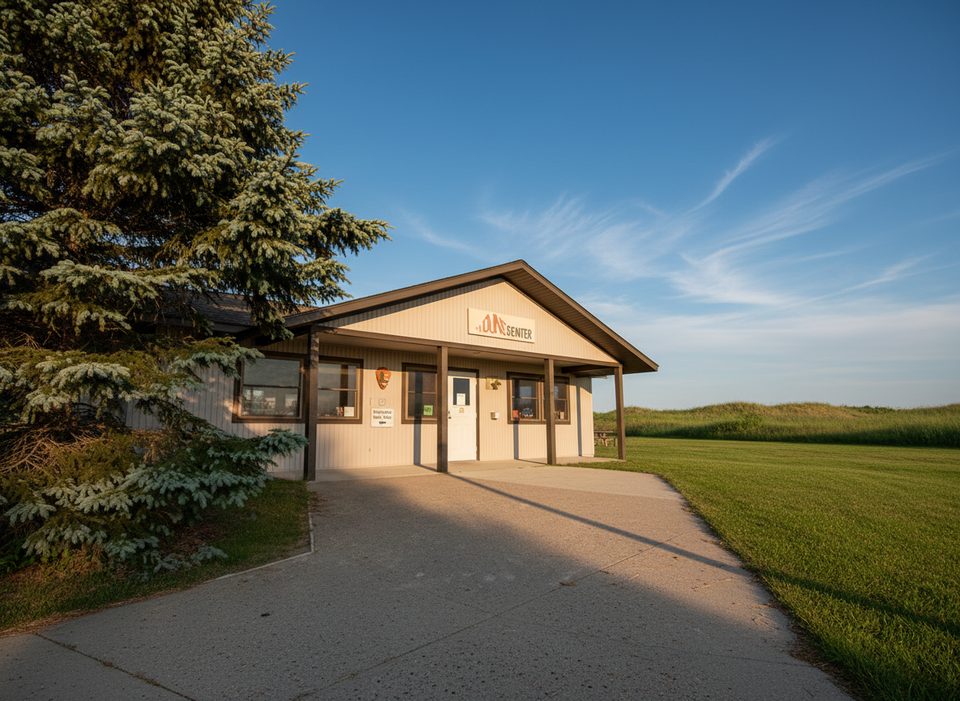
Place · 0.1 mi away
Challenging
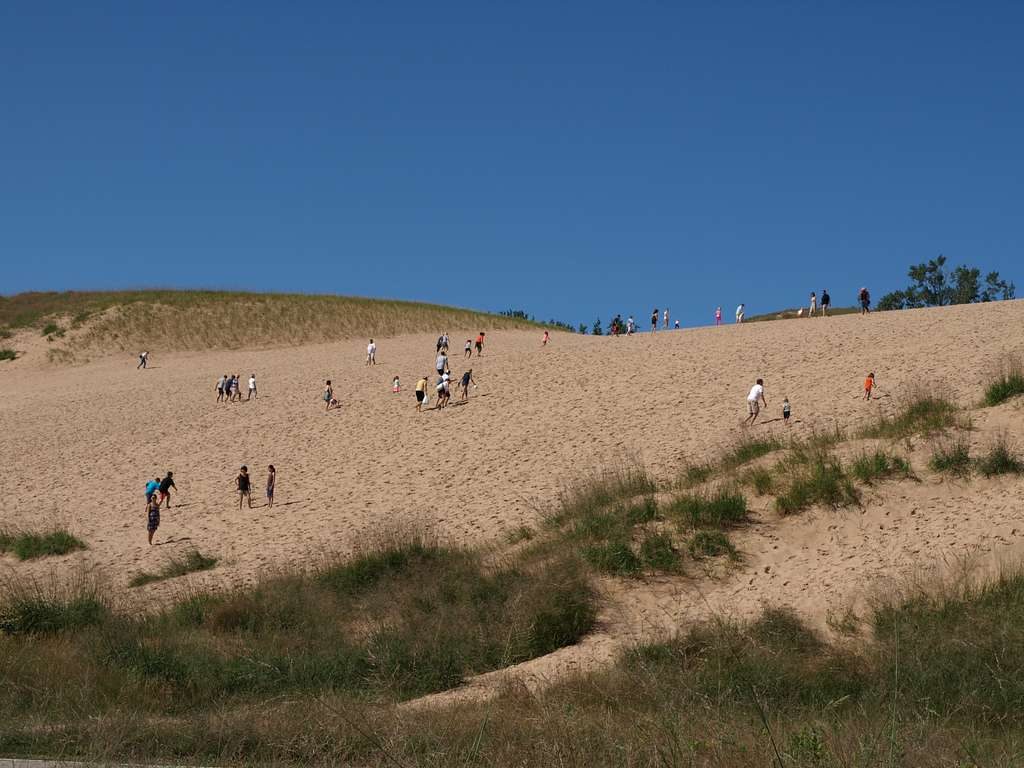
This is the park’s signature cross‑dune trek: an out‑and‑back march from the Dune Climb across rolling, open sand to the Lake Michigan shoreline. It’s roughly 3.5 miles round trip (about 1.75 miles each way), and it feels longer because nearly every step is in soft sand. Plan on 2–4 hours depending on fitness, heat, wind, and how long you linger by the lake.
Big‑sky dune country from start to finish—undulating sand hills, sparse dune grass, occasional stunted trees, and widening views toward Glen Lake and, eventually, the blue expanse of Lake Michigan. The payoff is a sweeping bluff‑top view and, if you choose to descend, access to the lakeshore. Just remember: the climb back up from the beach is a calf‑burner.
The route is fully exposed and marked by blue‑tipped posts—follow them, especially if visibility drops. In fog or haze, everything can look the same out here. Expect constant ups and downs over multiple dune ridges with no shade and no water once you leave the parking area.
Make no mistake: this hike is strenuous. Deep, loose sand, sun exposure, wind off the lake, and the cumulative elevation changes add up. If you like a physical challenge with a unique setting and huge views, it’s a must. If you’re after an easy viewpoint, skip the sand marathon and drive the Pierce Stocking Scenic Drive to the Lake Michigan and Sleeping Bear overlooks instead.
Late spring through early fall is prime. Summer delivers warm water and big skies, but the sun and heat are intense midday—go early morning or near sunset for better temps and golden light. Spring and fall bring cooler air and fewer people, but winds off the lake can be sharp. Winter is possible for prepared hikers, but expect harsh wind and potentially tricky visibility; plan conservatively.
Park at the Dune Climb/Dune Center lot on M‑109; the trail starts up the big sand slope from the lot.
Fully exposed, with intense sun and wind; no water or shade. Follow blue‑tipped posts—fog can make the dunes disorienting. If you descend to the lake, be ready for a very steep, strenuous climb back.
Place · 0.1 mi away
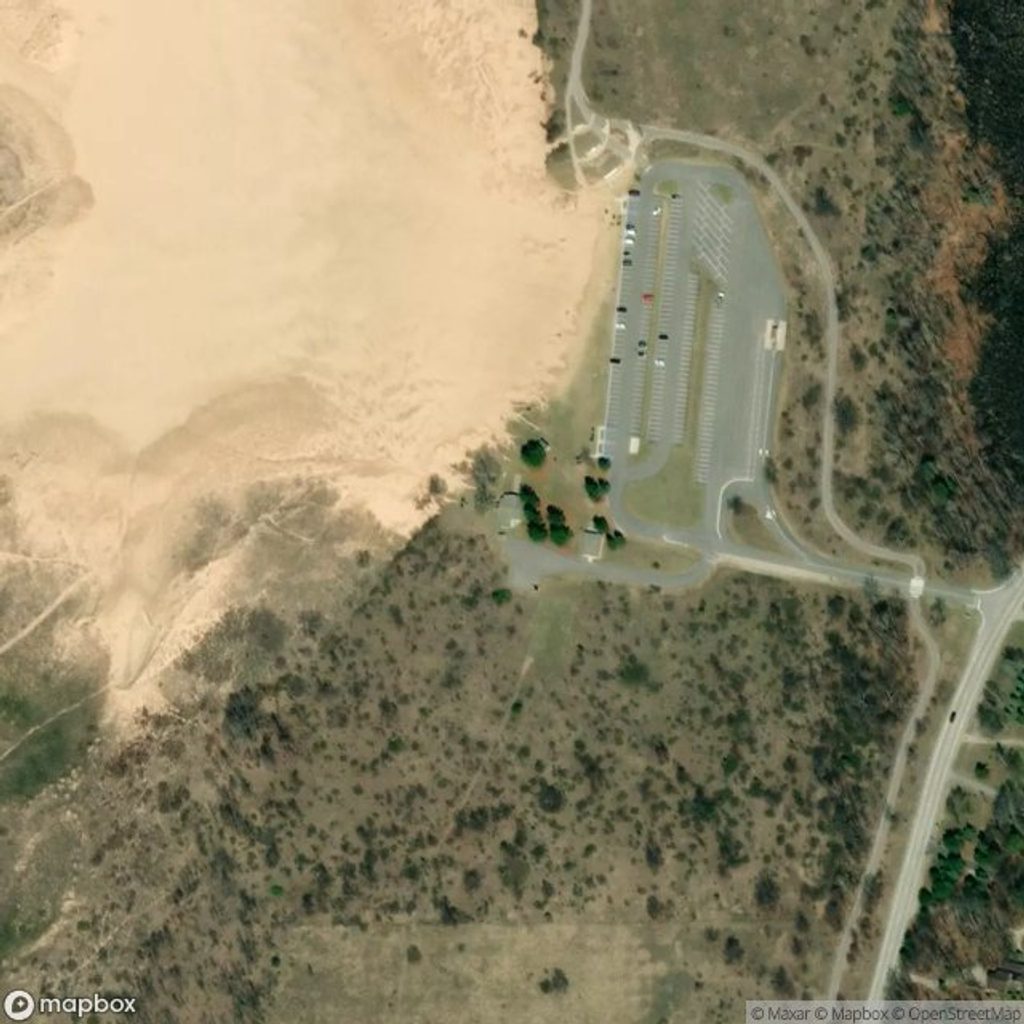
Place · 0.1 mi away
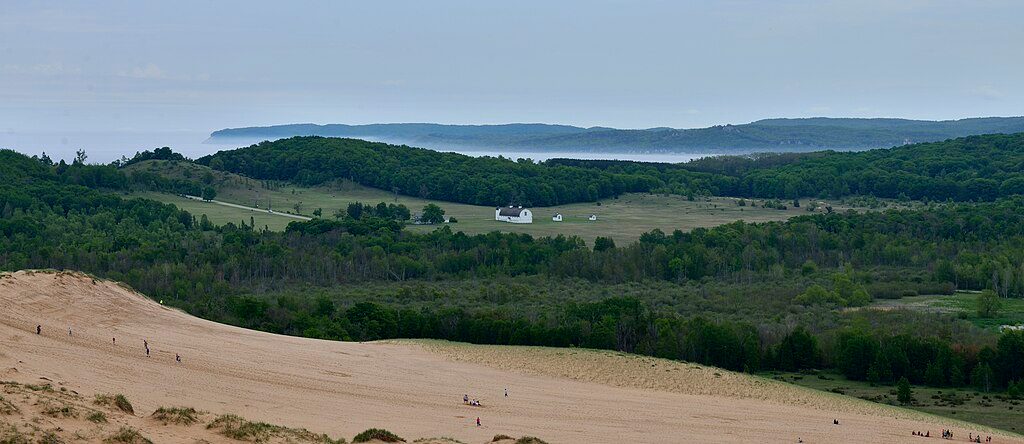
Place · 0.1 mi away
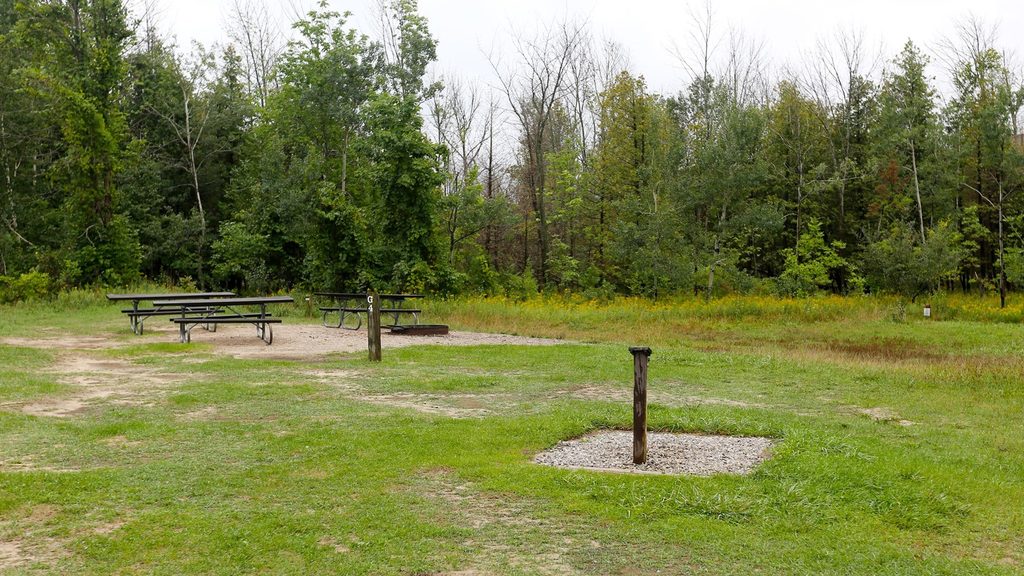
Place · 0.6 mi away
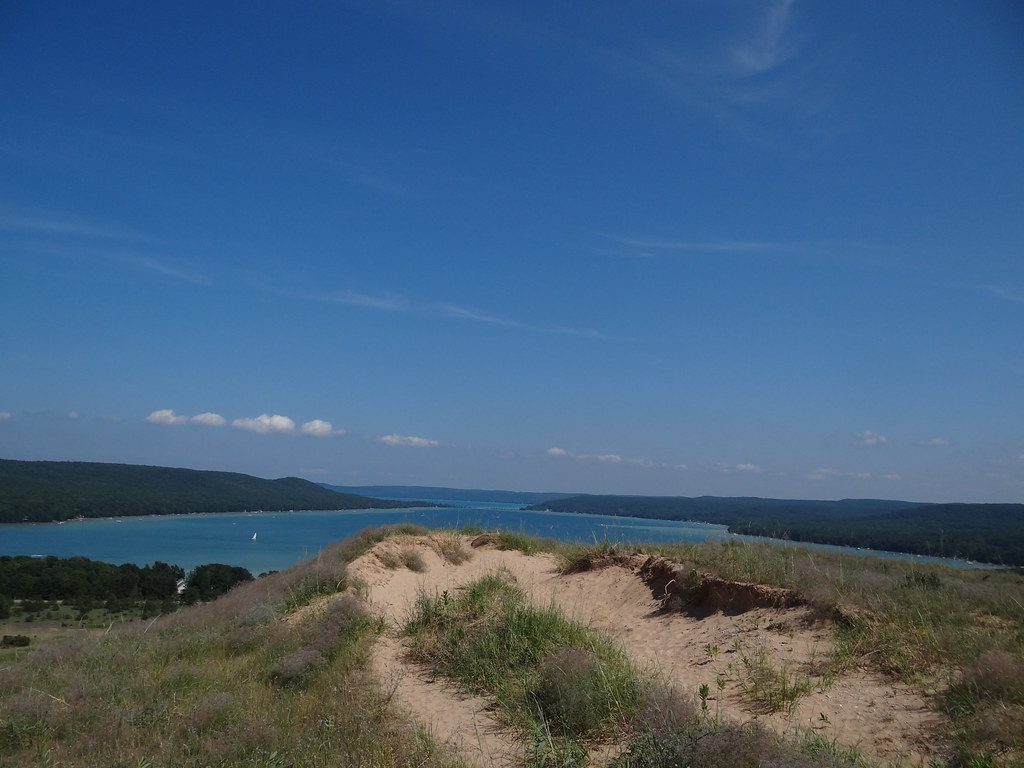
Moderate · 0.8 mi away
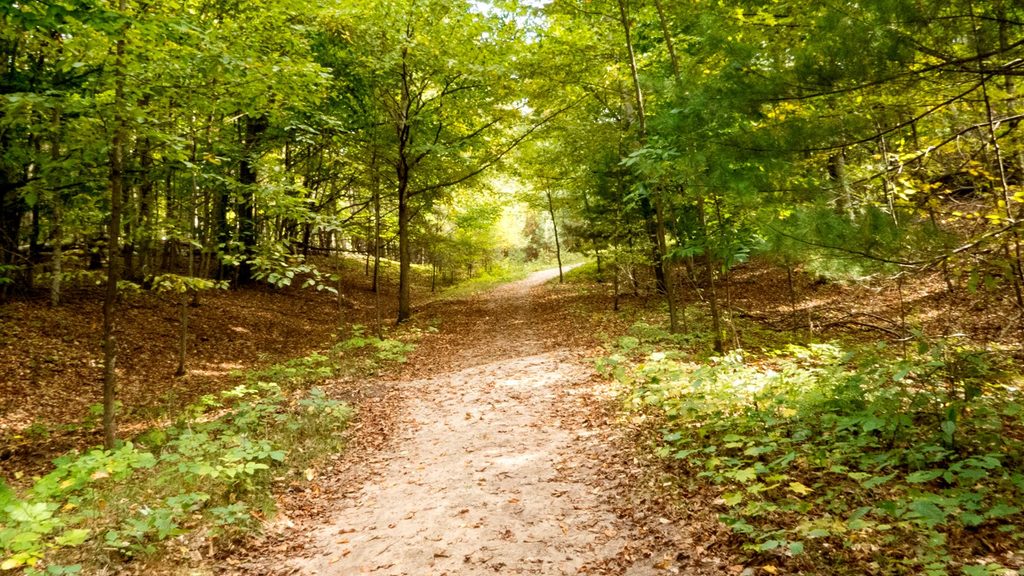
Moderate · 1.1 mi away
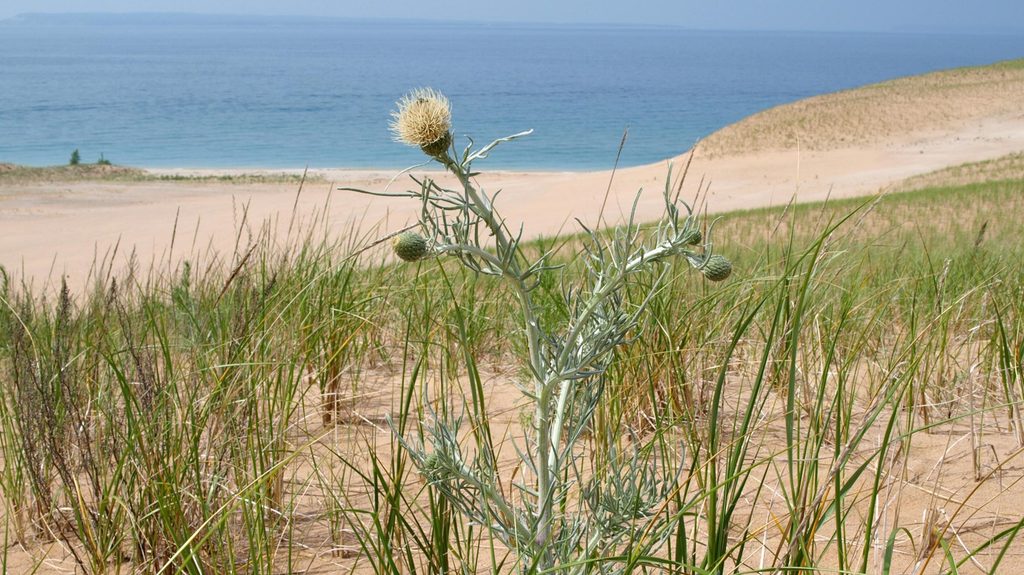
Challenging · 1.9 mi away
Moderate · 2 mi away

Parkwolf Tour Guide
