
Place · 0 mi away
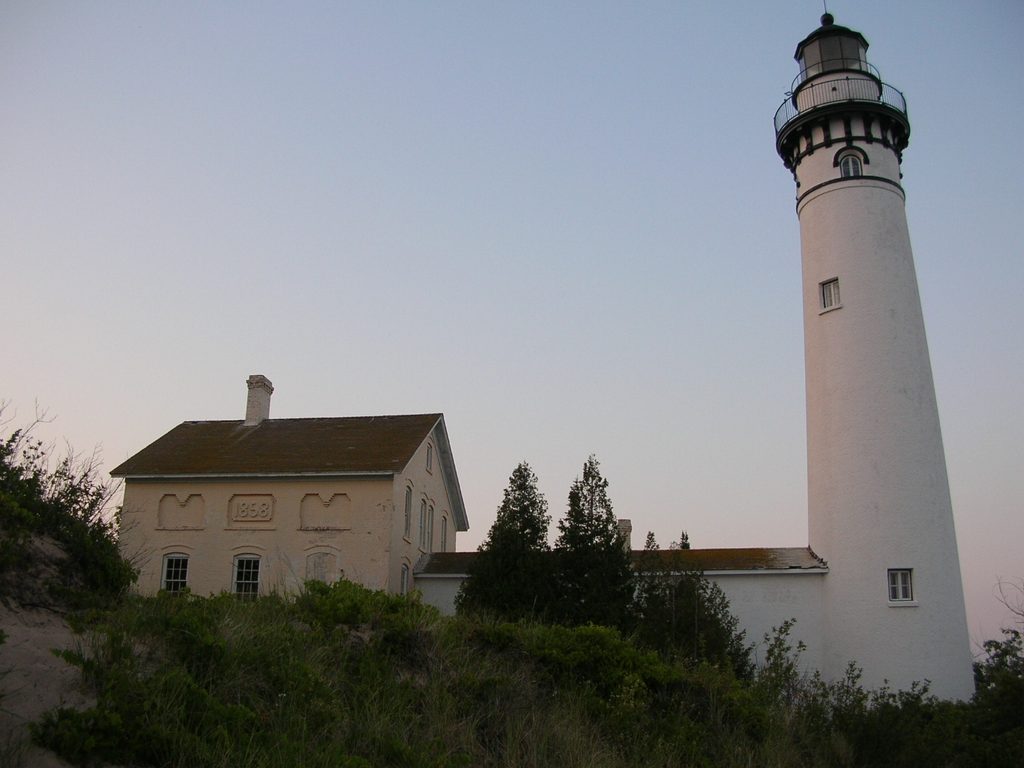
Set on the southeast shore of South Manitou Island, this white, conical, 104‑foot brick lighthouse is the island’s signature landmark and a prime reason to make the trip. It guarded the only deep, natural harbor between the Manitou Passage and Chicago, a lifeline for storm‑tossed ships and wood‑hungry steamers. Today it anchors a historic district with the Life‑Saving Station and other buildings, and it’s one of the island’s most rewarding stops for views and history.
You’ll reach South Manitou by ferry from Leland, then hike well‑marked trails from the dock to the lighthouse. Services are minimal: there are modern restrooms and potable water at the dock, but only rustic vault toilets near the lighthouse. There are no restaurants, stores, or vehicles on the island, and campgrounds are elsewhere—not at the lighthouse.
This light marked the Great Lakes’ rare deep harbor and served as a critical refuge and refueling point. The current 1871–72 tower replaced earlier versions (the first went up in 1839) and originally used a third‑order Fresnel lens with a fixed white light. The station is listed on the National Register of Historic Places and recognized as a Michigan State Historic Site.
The island’s location along migration routes means you may spot migratory songbirds, gulls, and waterfowl around the shore, with forest mammals inland. Bring binoculars—scenery and birding both reward the effort.
Aim for fair‑weather days during the ferry and tour season; that’s when the tower and museum are accessible. The island feels quieter than mainland stops, and clear conditions maximize the sweeping views from the top.
If you’re up for a ferry ride and a hike with minimal amenities, the payoff is big: top‑tier views, a compelling maritime story, and a peaceful, remote atmosphere away from mainland crowds.
Place · 0 mi away
Place · 0 mi away
Place · 1.3 mi away
Place · 2.1 mi away

Easy · 1.2 mi away

Challenging · 7.3 mi away
Moderate · 8.6 mi away
Moderate · 8.7 mi away

Parkwolf Tour Guide
