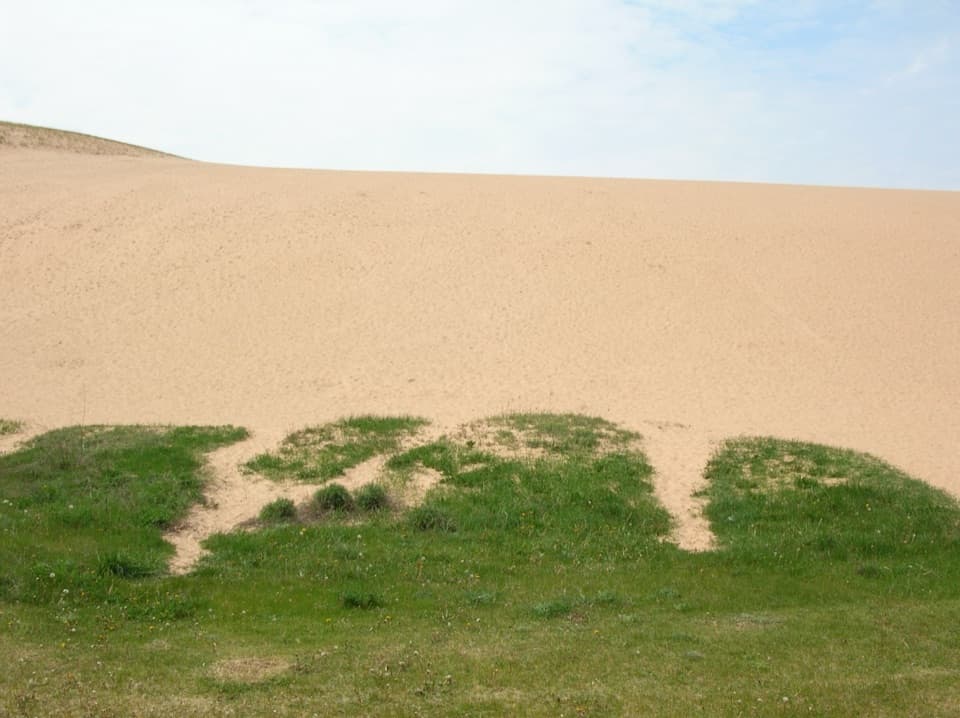
Dune Climb

Iconic sand wall and launchpad for a strenuous dune-to-lake trek
Dune Climb, Sleeping Bear Dunes National Lakeshore
InsideSleeping Bear Dunes National Lakeshore

Overview

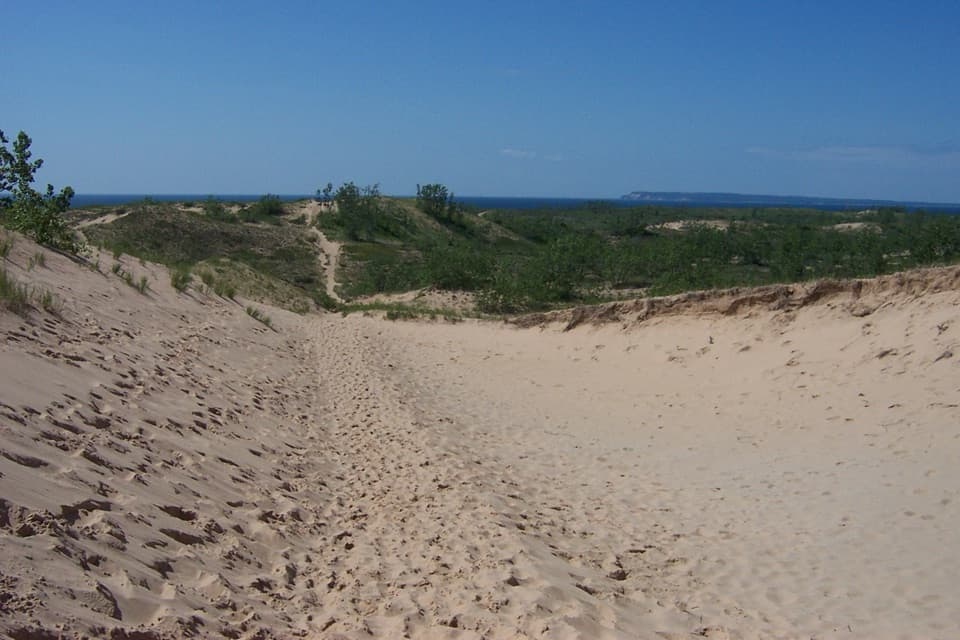
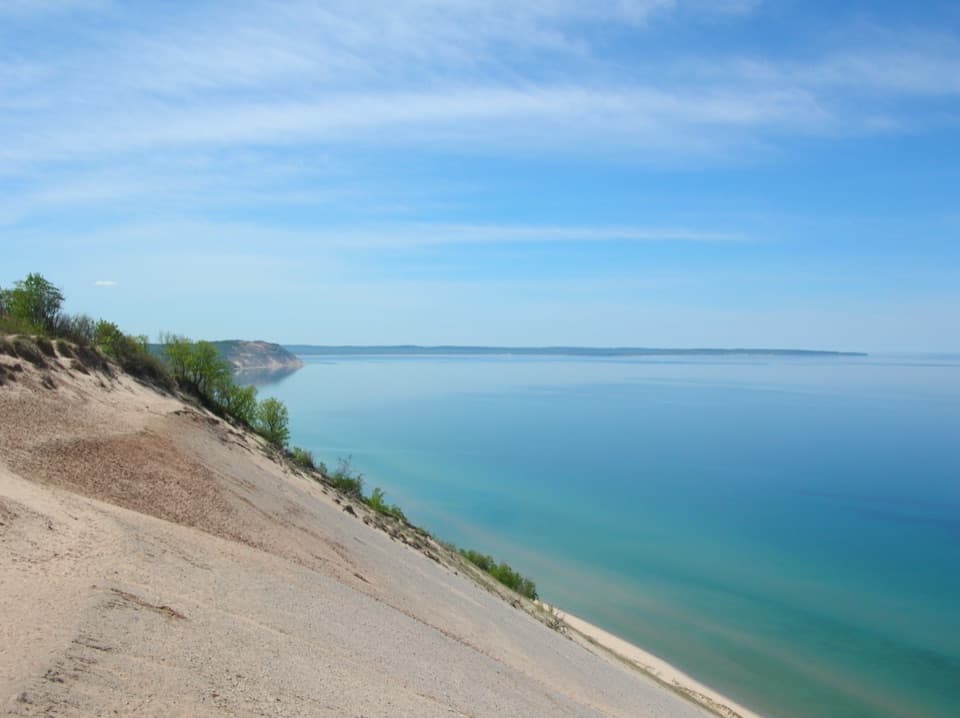
If you’re going to do one quintessential thing here, make it the Dune Climb. It’s a huge, gleaming wall of sand that doubles as the start of a demanding cross-dune trek. Kids love sprinting down it; grown-ups get their workout going up.

The Climb and Route

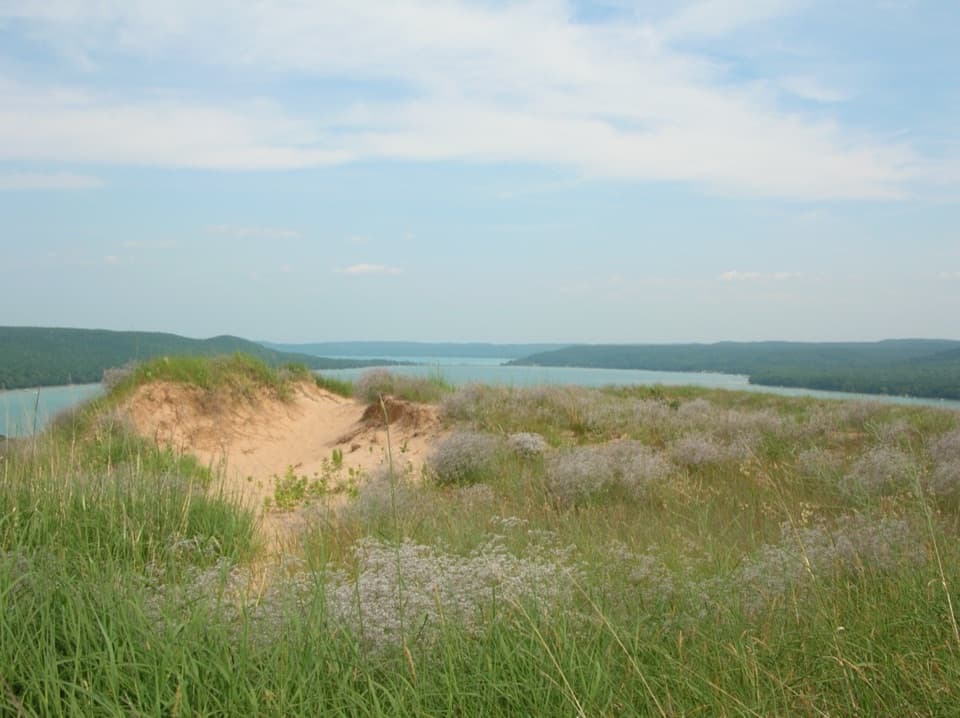
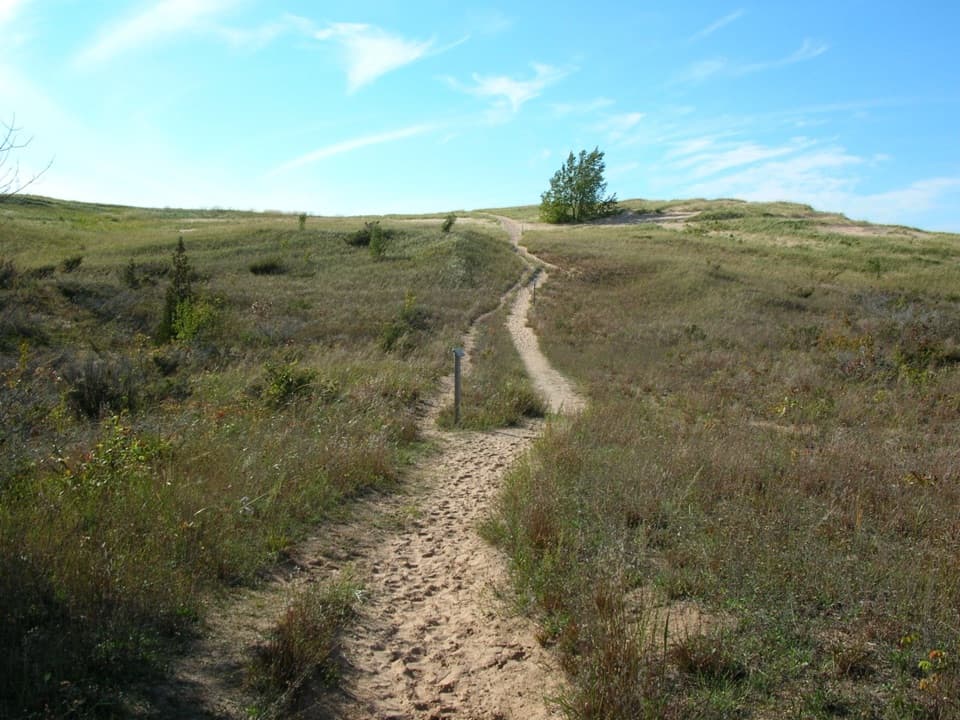
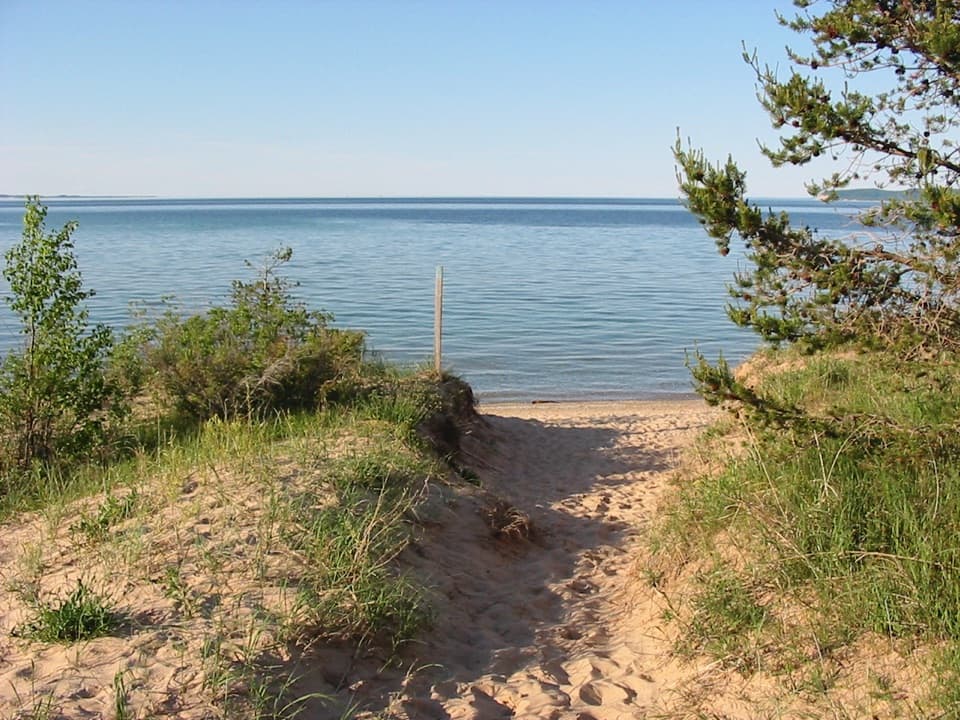
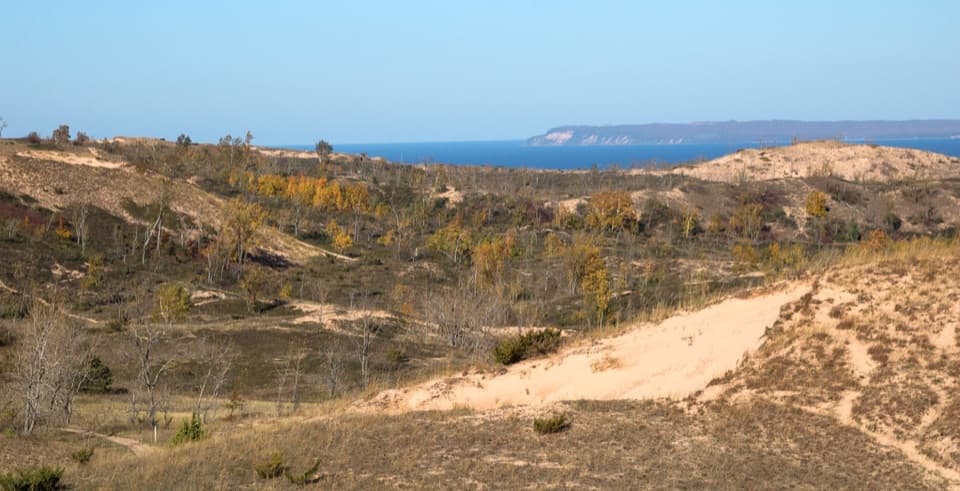
The steepest, hardest bit is right at the start. Beyond that, the route undulates over multiple dunes with stretches of softer, flatter sand. From the base, it’s about 1.75 miles one way to Lake Michigan (roughly 3.5 miles round trip). You’ll get your first peek of the lake around the half‑mile mark, but don’t be fooled—there’s still a long way to go with more ups and downs.

What Makes It Unique

This is an active, migrating dune that advances roughly 2–4 feet per year toward the parking area. The sand didn’t come from the beach—it blew down from higher dunes on the Sleeping Bear Plateau. There was even a measuring stick at the north end that’s now buried under advancing sand.

What You’ll See

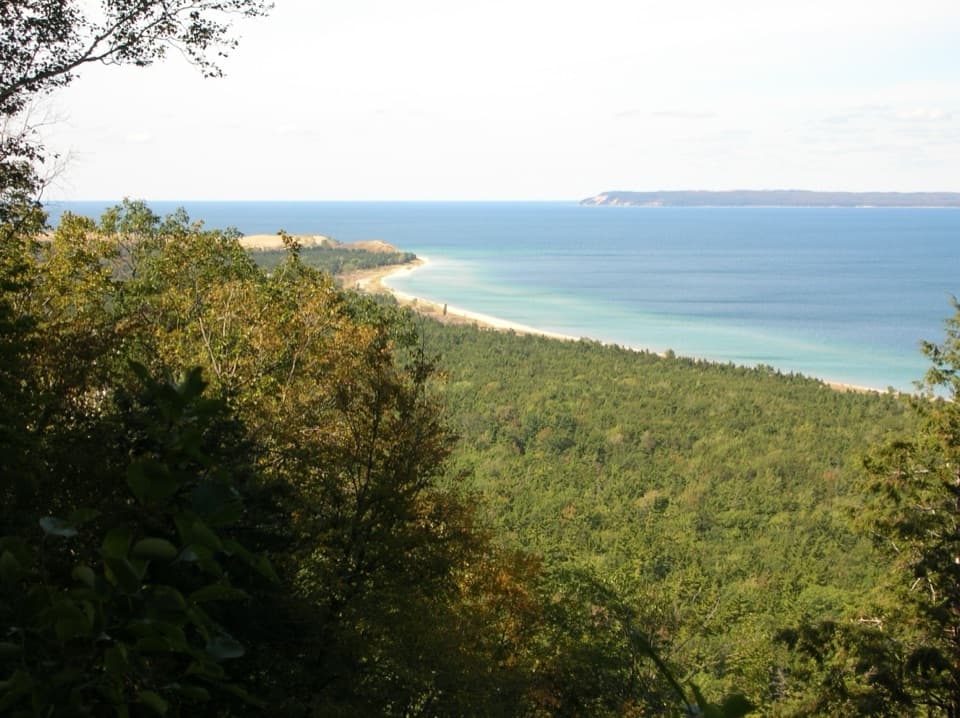
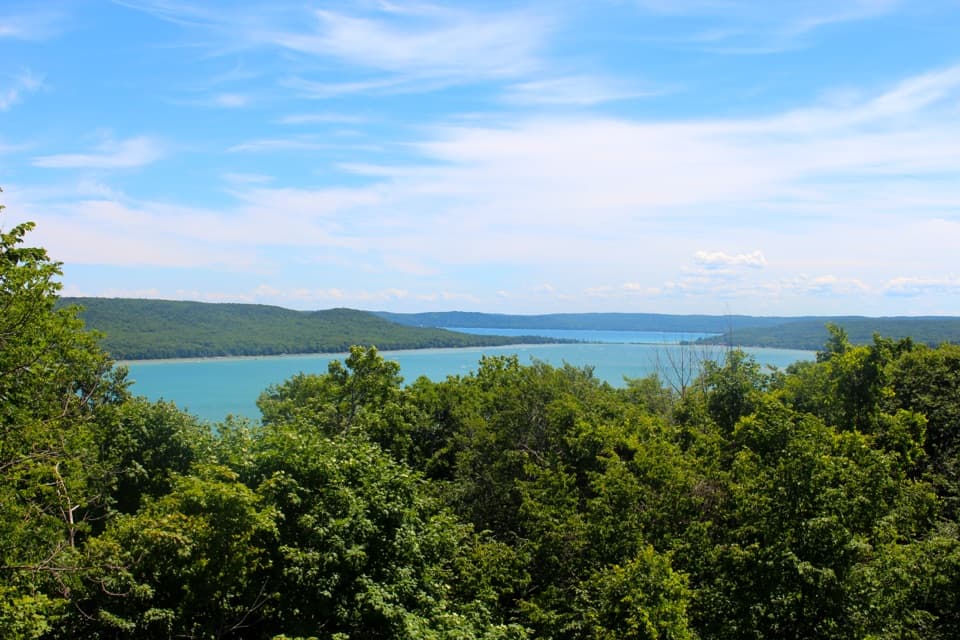
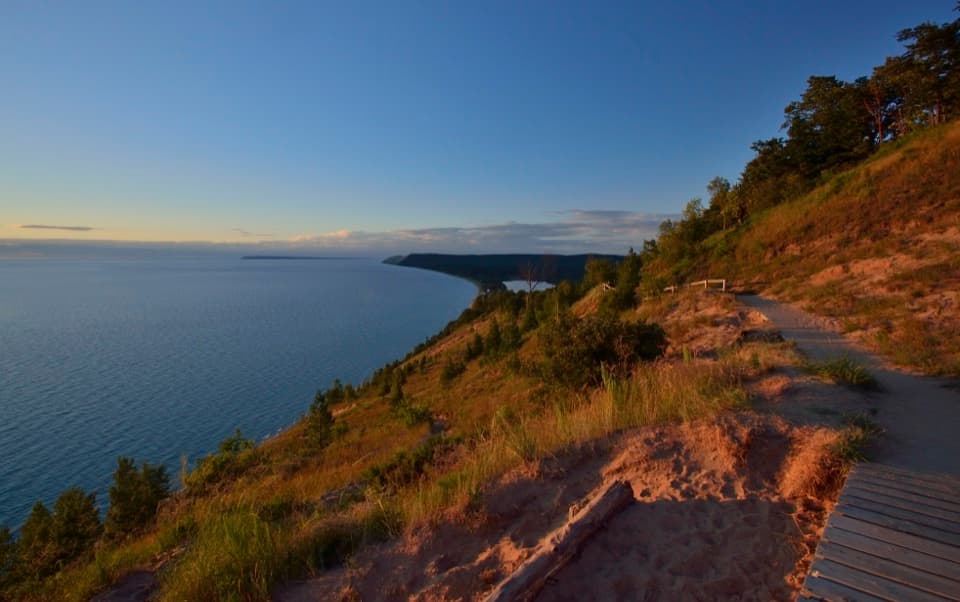
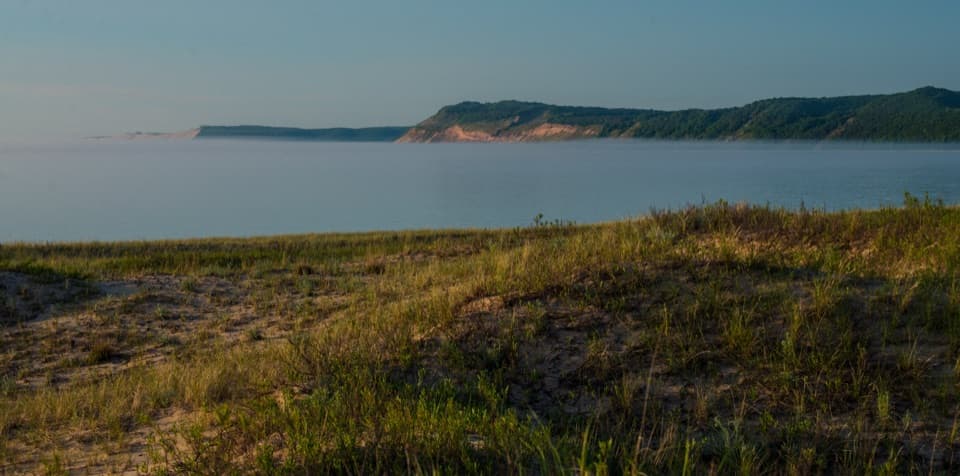
Expect panoramic dune-scape views with glimpses of the surrounding plateau and, farther out, Lake Michigan. If you make it to the water, there are historic shipwrecks about a quarter mile north and south of where the route hits the beach.

Facilities and On‑Site Experience

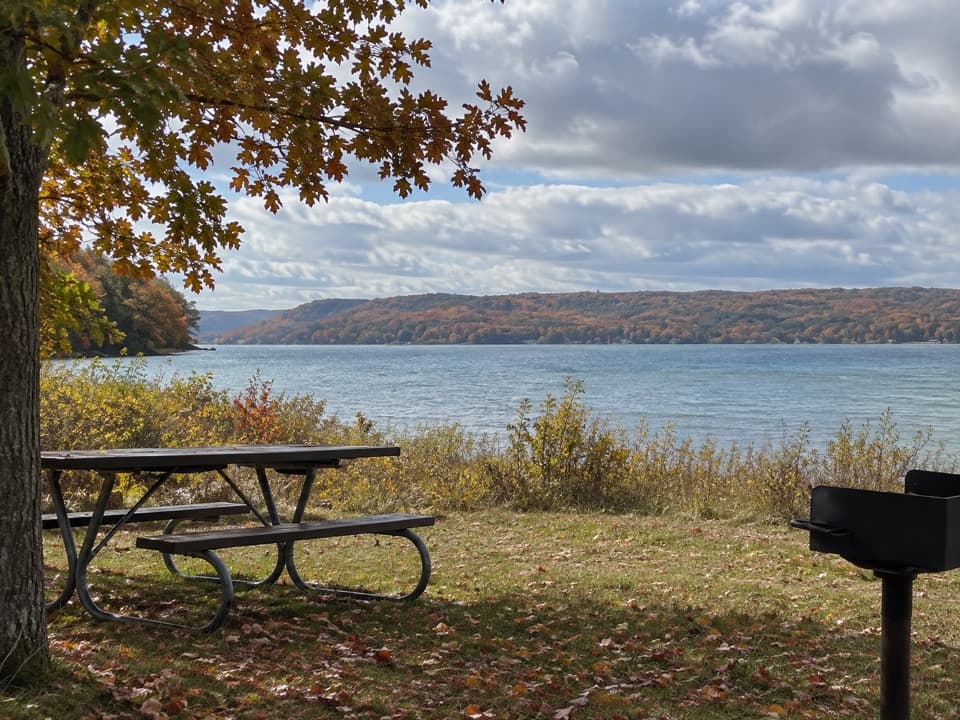
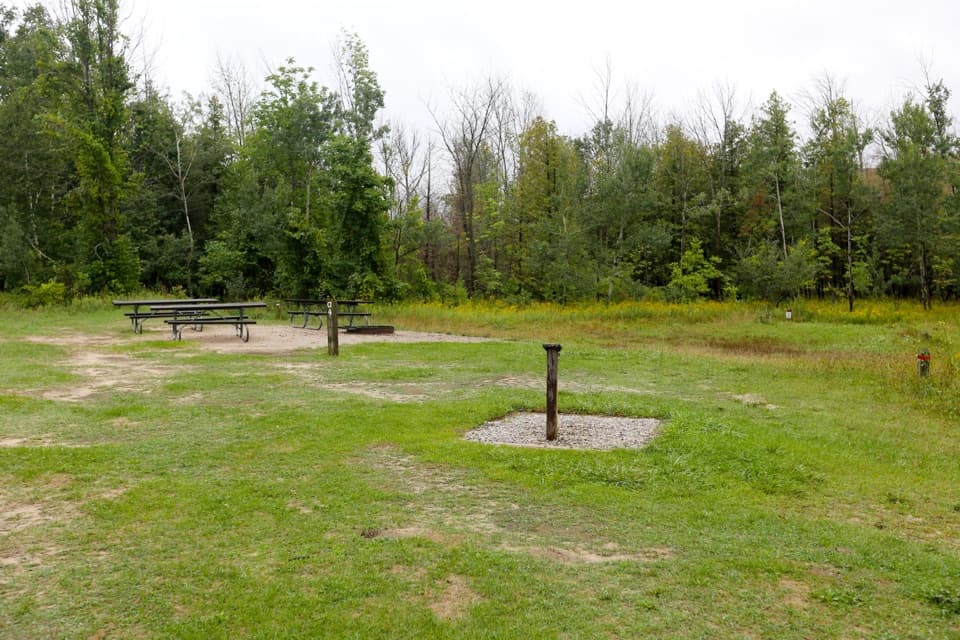
There’s a large paved parking lot at the base, with modern restrooms and drinking water. You’ll also find picnic tables and a small park store/bookstore at the Dune Center.

Safety and Preparation

This is the park’s most strenuous hike because you’re moving through steep, soft sand with no shade. Summer sand gets extremely hot, and there are occasional thorny plants underfoot. Bring plenty of water, sunscreen, a hat, and real footwear. Plan more time than you think—you’ll move slower than on a typical trail.

Best Time to Visit

Because the climb and route are fully exposed and summer sand heats up fast, cooler parts of the day are more comfortable. It’s the park’s most popular spot, so off-peak hours help with crowds too. In winter, sledding is allowed when snow is present between marked posts.

Pros

  • Iconic, active sand dune with big views and a choose-your-own-length outing
  • Facilities right at the base: parking, restrooms, and water

Cons

  • Steep, soft sand and full sun make it tougher than it looks
  • Very popular, so expect crowds and a busy lot at peak times
  • Lake Michigan is 1.75 miles one way; many underestimate the effort

Tips

  • Wear shoes—summer sand gets scorching and some dune plants are prickly.
  • Carry more water than you think; there’s no shade once you start climbing.
  • You’ll see Lake Michigan around 0.5 miles in—decide there if you’ll commit to the full crossing.
  • If you reach the beach, look for shipwrecks about 1/4 mile north and south.
  • In winter, sled only between marked posts when snow is present.
The Parkwolf tour guide sitting on a phone mounted in a car

Parkwolf Tour Guide

Like a tour guide in your car.

Save the places you found around Sleeping Bear Dunes, then let Parkwolf guide the drive between them.Download Parkwolf on the App Store