
Place · 1 mi away
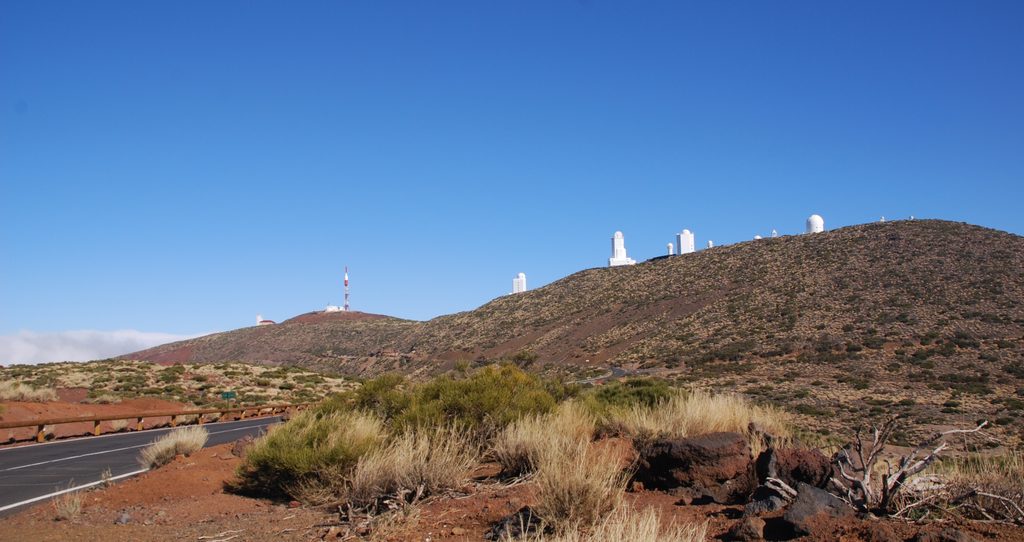
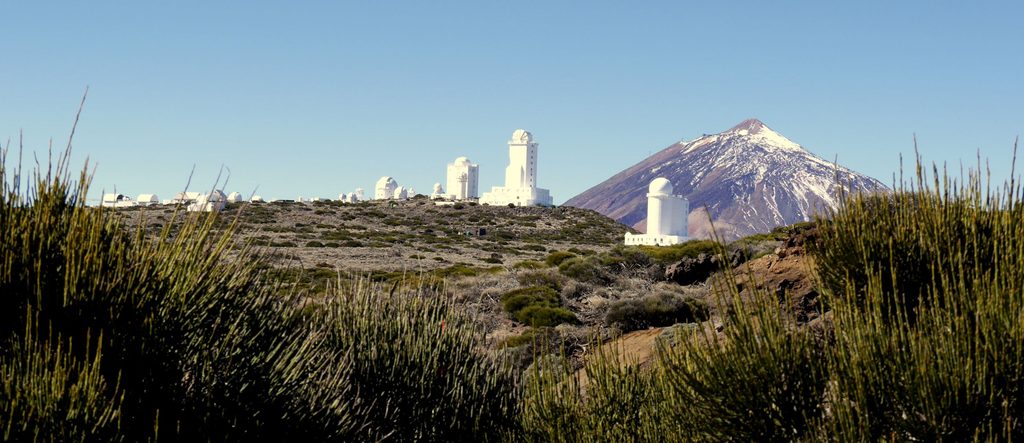
Perched at about 2,390 m on the Izaña ridge, Teide Observatory is the Canary Islands’ hub for solar astronomy. This is where helioseismology took off in 1979 and where work with leading instruments like the 1.5 m GREGOR solar telescope continues. Research here has notched headliners such as the first confirmed brown dwarf (Teide 1) and pioneering exoplanet transit studies. Expect intense sun, a dry breeze, and those classic above-the-clouds views.
A sprawling campus of white domes and instrument towers dedicated mainly to the Sun. Signature facilities include GREGOR and other European solar telescopes, plus night-time and robotic instruments and experiments that probe everything from infrared skies to the cosmic microwave background. It’s a working scientific site first, with a small visitors’ center used during educational visits.
Public access is via organized educational visits only, booked in advance. The observatory also holds occasional Open Days with two‑hour tours guided by astronomers. Due to weather and logistics, visits are typically suspended from December to March. Plan to arrive at least 30 minutes early, bring a photo ID and your reservation, and stay with your group at all times.
You’re at high altitude with lower oxygen and very low humidity. Bring water or juice, strong sun protection (hat, sunglasses, sunscreen), and wear comfortable shoes with warm layers—temperatures can swing quickly, and some buildings are kept cool. Services are minimal for visitors (no public food or water sales), restrooms are available but usually only before the tour begins, and the nearest hospital is roughly 1.5 hours away.
For safety and to protect the site and park environment: no smoking, no littering, no eating outside designated areas, and do not leave established paths. Follow your guide’s instructions closely.
Target the main visiting season outside winter—tours are generally suspended December–March. Expect high sunshine levels most of the year; summer averages are mild at this elevation but the sun is intense. In winter, light frosts are possible.
Teide Observatory at Izaña (astronomy) is distinct from the Teide Peak Observatory and the Izaña Atmospheric Observatory (atmosphere and radiation research). If you’re booking, make sure you’ve selected the astronomy site at Izaña.
Place · 1 mi away
Place · 1.3 mi away
Place · 1.7 mi away
Place · 1.7 mi away
Easy · 3.6 mi away
Challenging · 6.2 mi away
Challenging · 7.2 mi away
Moderate · 7.2 mi away

Parkwolf Tour Guide
