
Place · 0.6 mi away
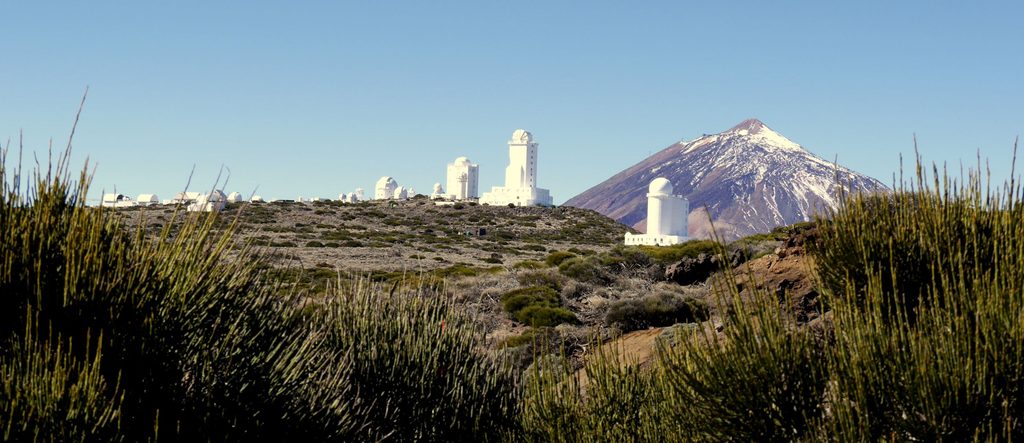
Perched at about 2,390 m on the Izaña ridge, Teide Observatory is a working research hub that opens its doors for guided daytime visits. It’s a world‑class site—one of the planet’s premier locations for astronomy—so think science first, scenery second. Tours are structured and timely, and you’re here to learn what happens behind those gleaming domes.
Public tours generally run during the day (roughly 10:00–16:30). Book ahead—small groups and language‑specific tours sell out. For photography, midday glare can be intense, but the high‑altitude light makes the domes pop against the volcanic landscape. If you want night skies, pair your day visit with a separate stargazing outing elsewhere in the park.
If you’re even mildly curious about how astronomers actually do the work, this is a standout stop—well organized, informative, and unique. If your priority is pure volcanic scenery, you might prefer focusing on iconic rock formations and viewpoints and skipping the science lesson.
Place · 0.6 mi away
Place · 1 mi away
Place · 2.6 mi away
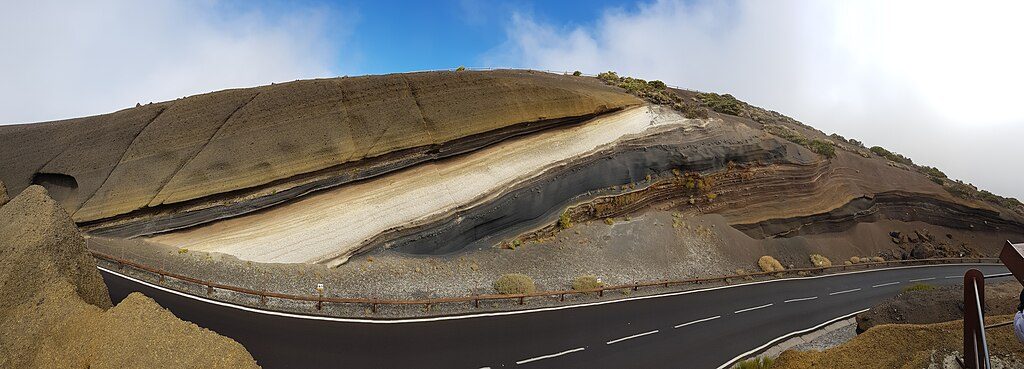
Place · 2.6 mi away
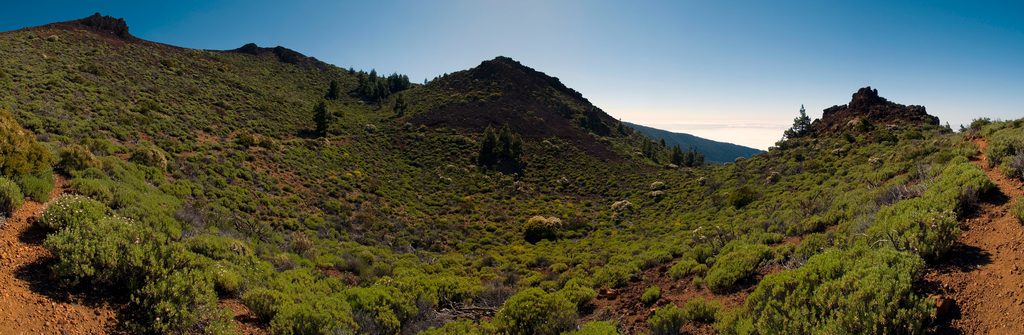
Easy · 3 mi away
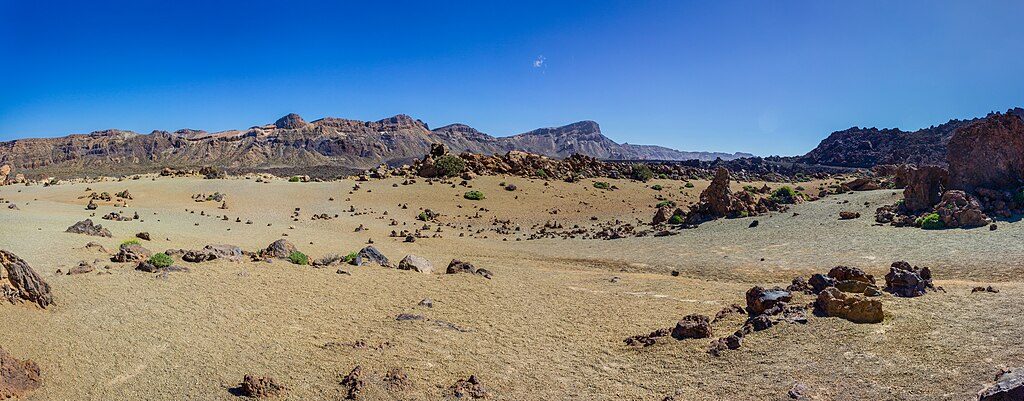
Challenging · 5.3 mi away
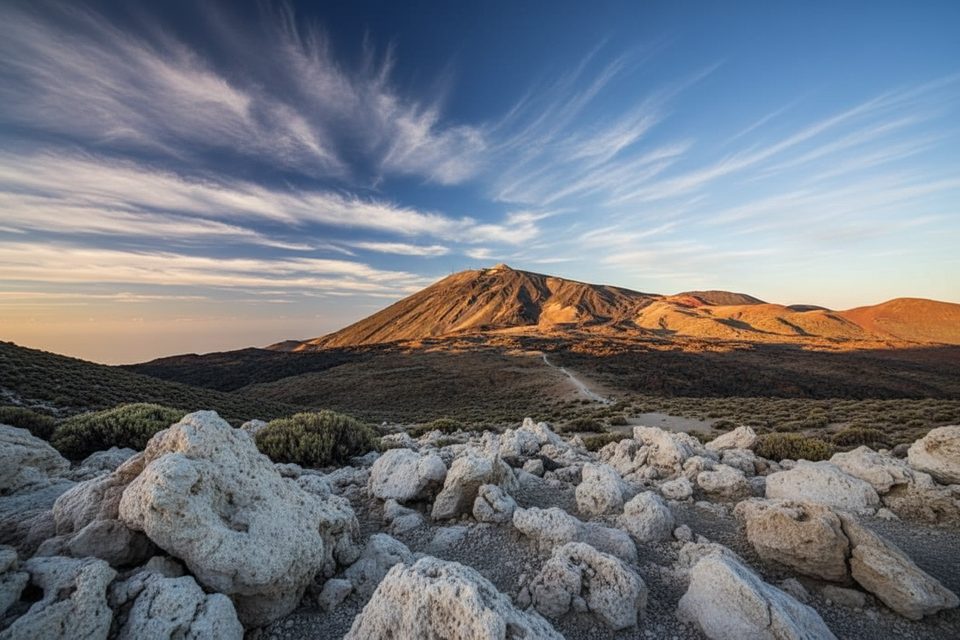
Challenging · 6.3 mi away
Moderate · 6.3 mi away

Parkwolf Tour Guide
