
Place · 0 mi away
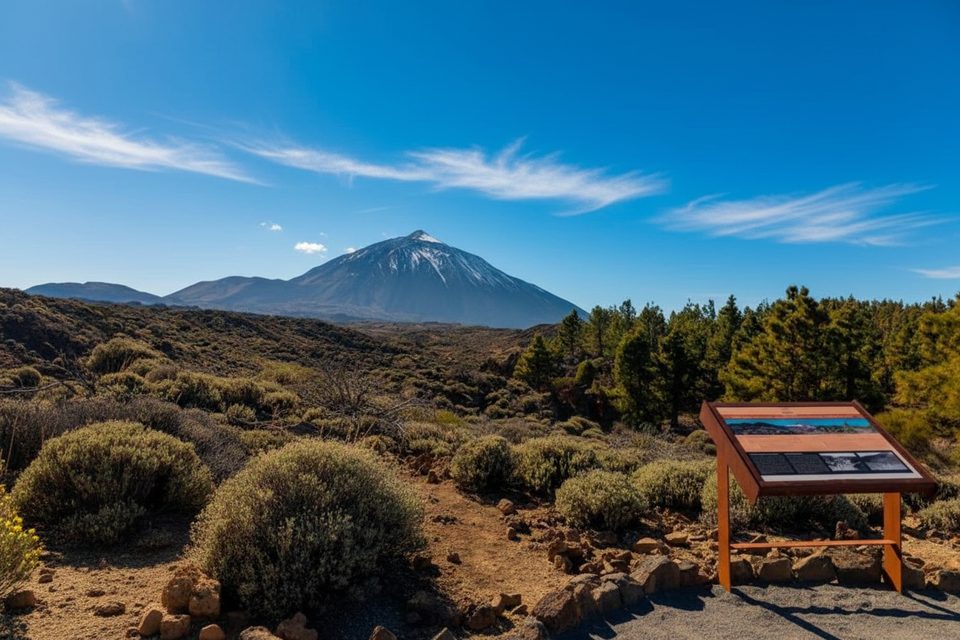
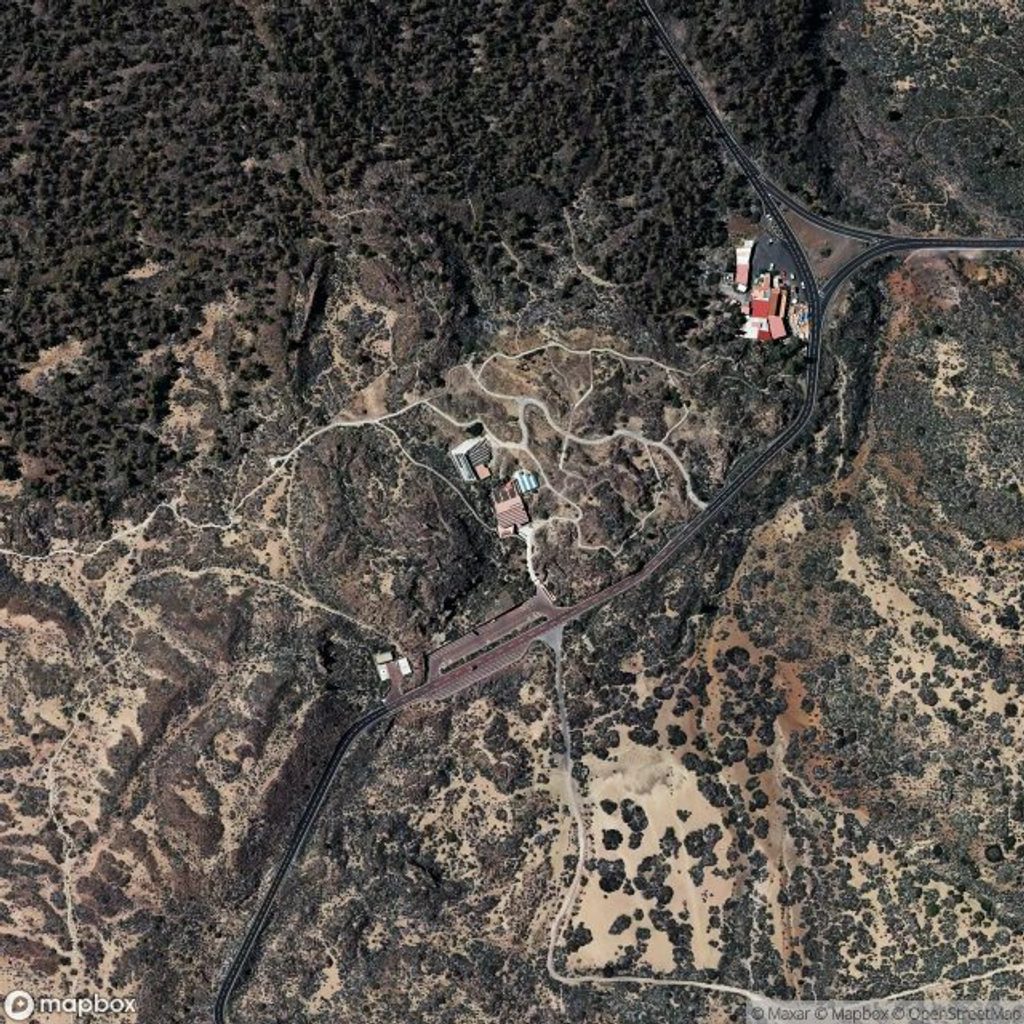
This 4‑hectare garden beside the El Portillo Visitor Center is the easiest way to meet the high‑mountain flora that makes this landscape so unusual. Opened in 2003 and free to enter, it brings the volcanic ecosystems to you—no big hike required.
Beds are arranged by real habitats you’ll encounter around the caldera: pumice fields, malpaís (lava flows), retama scrub, rupicolous (cliff) niches, and more. Expect heavy hitters like Teide broom, codeso, Teide daisy and wallflower, summit scabious, pajonera grass, blue and red tajinaste, Canary pine, and—at the highest reaches of the park—the elusive Teide violet represented here. Clear interpretive panels explain the clever adaptations: compact shapes to dodge wind, hairy or waxy leaves to save water, and prolific flowering to beat harsh odds.
This isn’t just a pretty walk. The garden underpins conservation with labs, germination chambers, and a seed/gene bank that helps safeguard threatened species and supports reintroduction work. It’s a smart primer before you explore trails elsewhere.
You’ll almost certainly spot Tenerife lizards basking on the rocks. Birders get regular cameos from Atlantic canaries and Tenerife blue chaffinches, with kestrels cruising overhead.
Trails are wide, mostly flat, and dotted with benches and viewpoints, making this a low‑effort, high‑reward stop. Admission is free and the garden is open year‑round. Restrooms, a small shop, and the geology exhibits and film are in the adjacent Visitor Center. If the center is closed, you can still access the garden via the gate at the entrance. Parking is small but free.
Located on the TF‑21 (north side of the park) next to the El Portillo Visitor Center. Driving is simplest. Public bus service exists but can be limited; one line reportedly does not operate on Saturdays—check schedules before relying on it.
April–June is peak bloom and the most colorful window. For gentler light and nicer photos, aim for early morning or late afternoon. Outside spring, come for textures, forms, and the views toward the caldera—less flashy, still rewarding.
Place · 0 mi away
Place · 0.7 mi away
Place · 2.8 mi away
Place · 3 mi away
Easy · 0.5 mi away
Challenging · 3 mi away
Challenging · 3.9 mi away
Moderate · 3.9 mi away

Parkwolf Tour Guide
