Minas de San José

Pale pumice dunes and a quick, photogenic loop
Minas de San José, Teide National Park
InsideTeide National Park

Overview

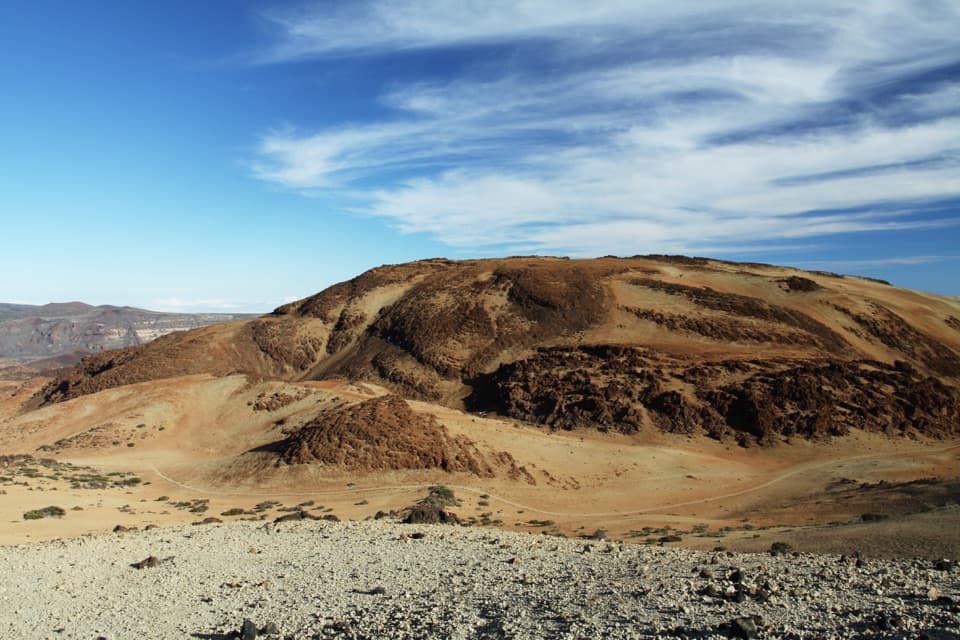
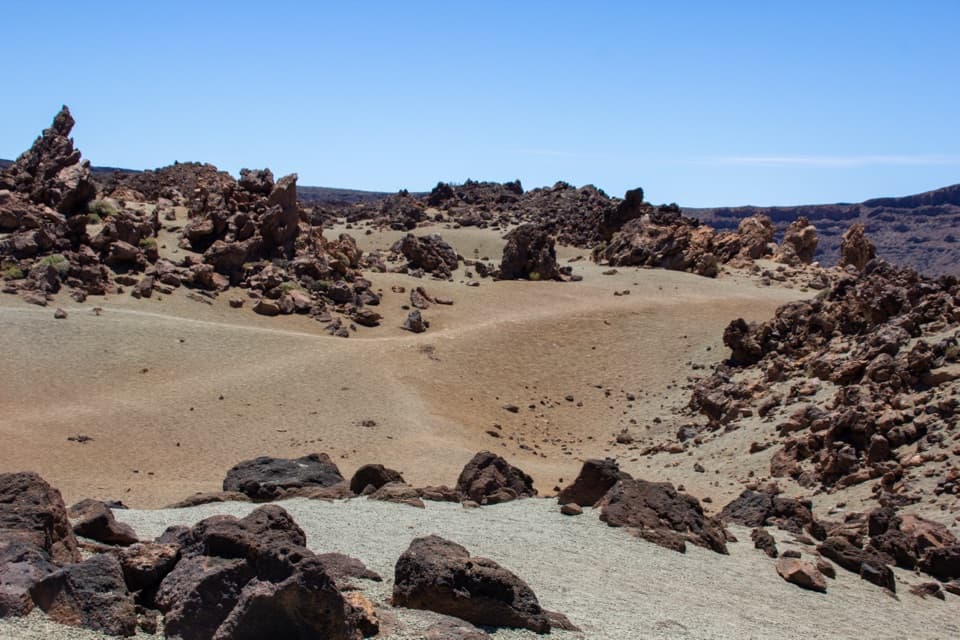
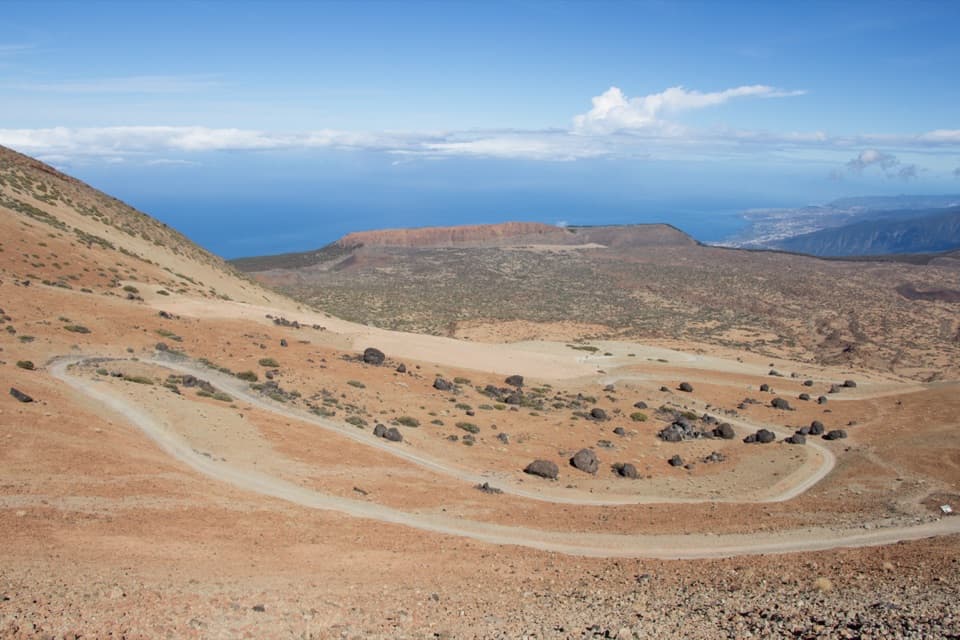
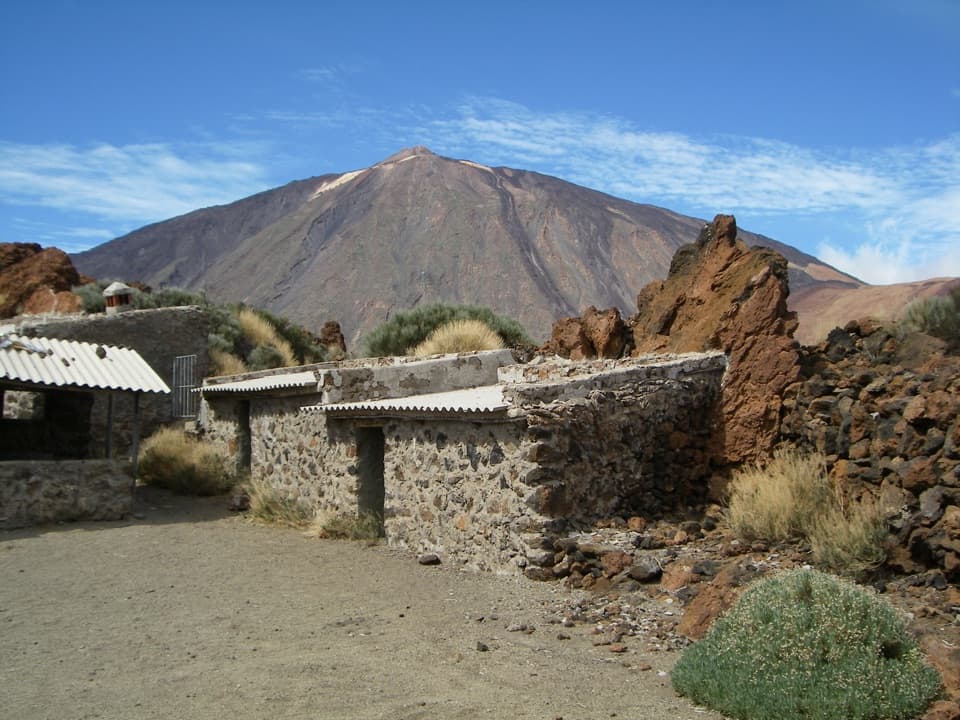
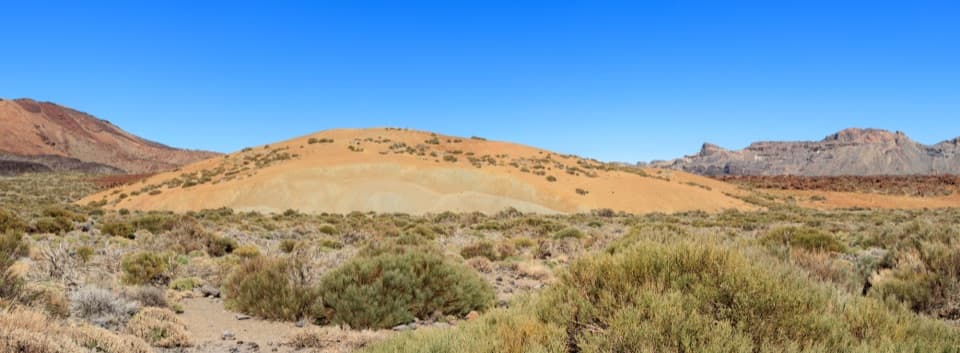
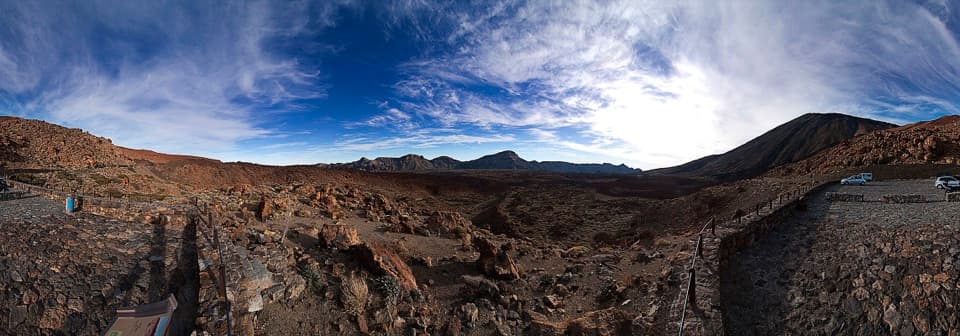
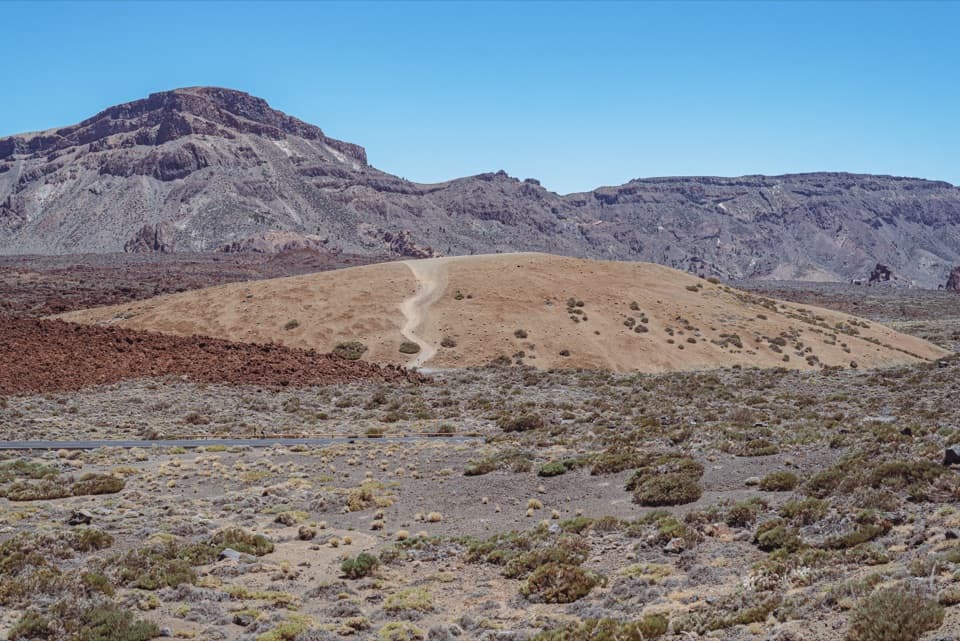
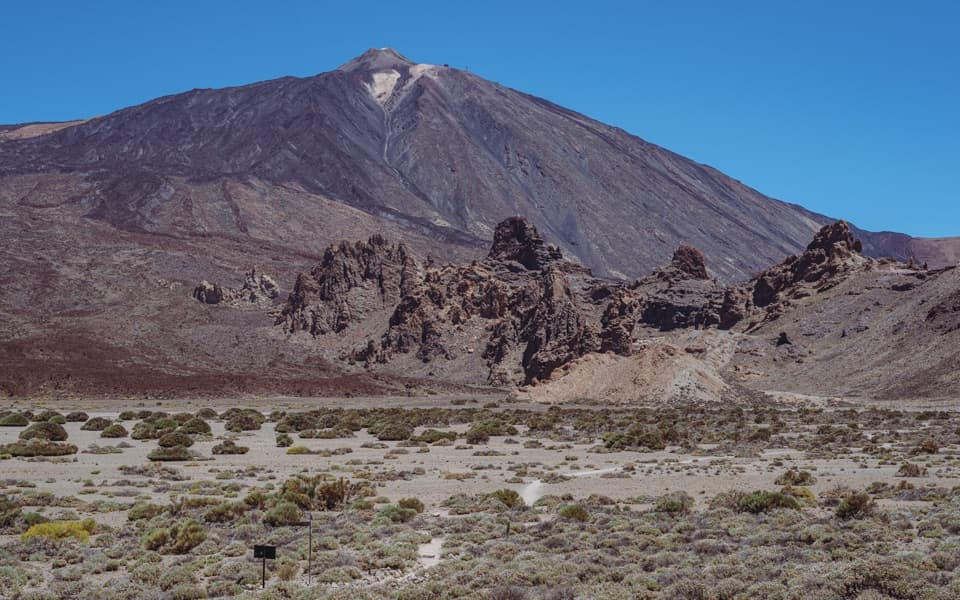
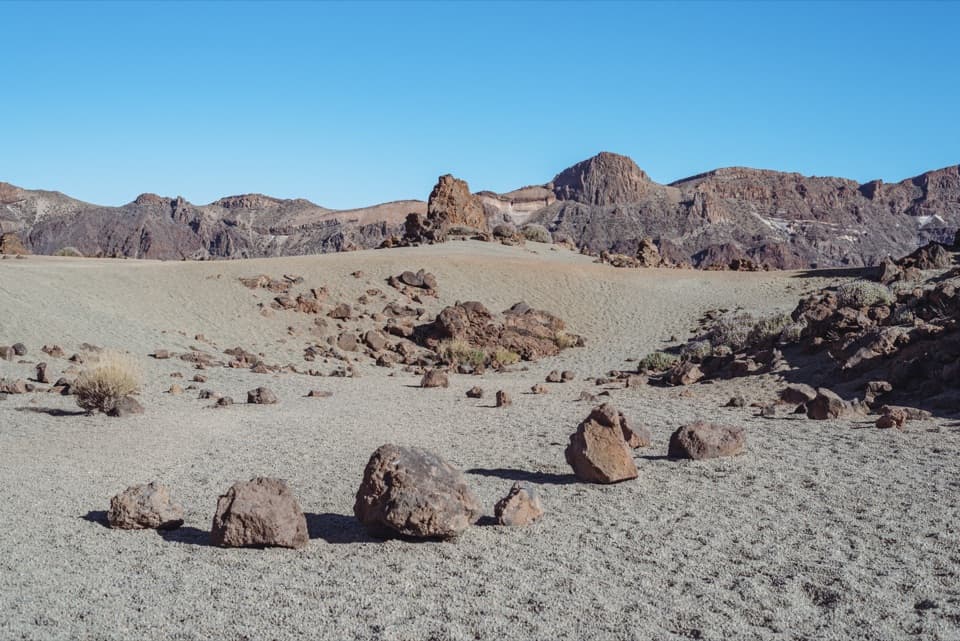
Minas de San José is the park’s pale, windswept counterpoint to Teide’s dark lava—an open expanse of pumice, tuff and ash shaped into dunes and ribs by relentless wind. It’s an easy stop along the TF‑21, and it feels downright extraterrestrial (no surprise filmmakers love it).

What You’ll See

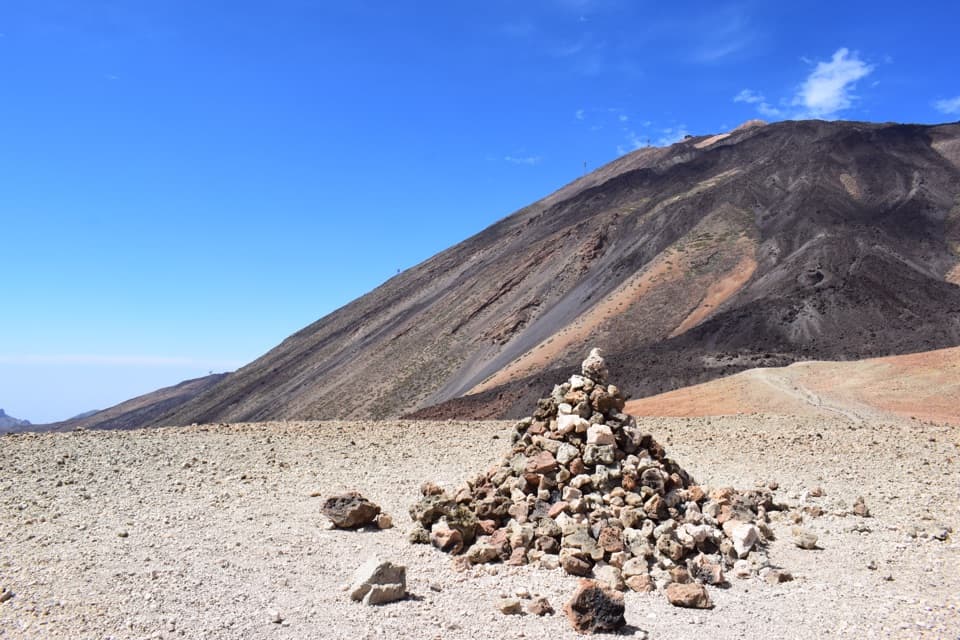
Expect a palette of whites, ochres and golds set against black lava fields, with delicate ridges and soft slopes created by differential erosion. Changing light transforms the scene—early and late in the day the textures pop and the colors warm up beautifully.

Getting There & Logistics

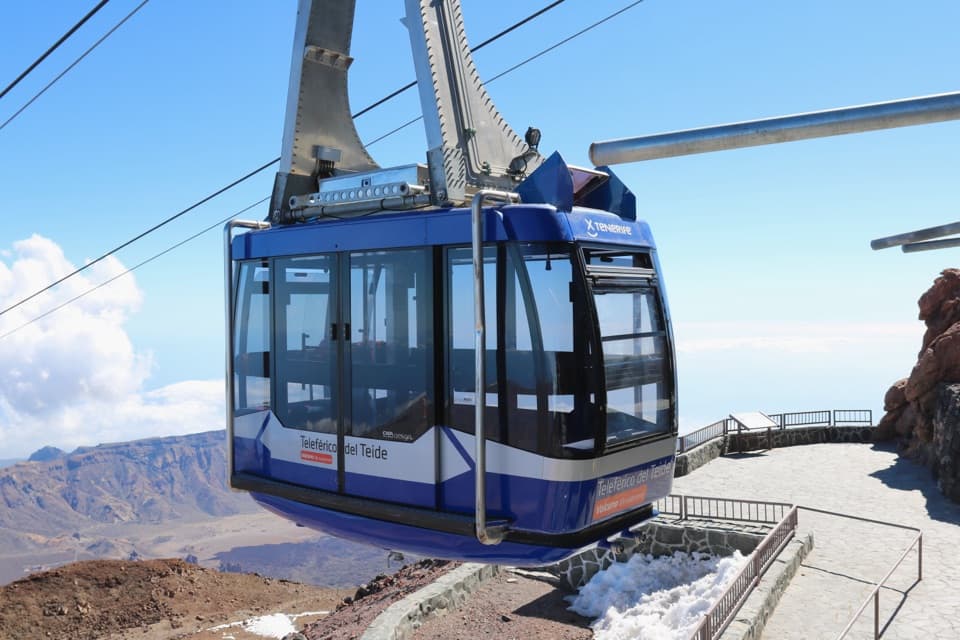
You’ll find it on the TF‑21 between La Orotava and Vilaflor, about an hour’s drive from Santa Cruz de Tenerife. Parking is via medium‑size roadside pullouts that can fill quickly around mid‑day. There are no services or shade—bring plenty of water, sun protection, and a wind layer. Public buses run but on limited schedules, so check times if you’re not driving. Nearest facilities with toilets, food, and information are at the Cañada Blanca/Parador area, the Teleférico base station, and the El Portillo Visitor Center.

Trails

A short interpretive loop (plan 30–45 minutes) starts right here—well signed, family‑friendly for steady walkers, and dotted with information panels. Longer options connect from this spot: Route 30 (Los Valles) starts at San José Mine, and Route 39 (Montaña Blanca/Cable Car) can finish here. Stay on marked paths and leave rocks where they are.

Why It’s Special

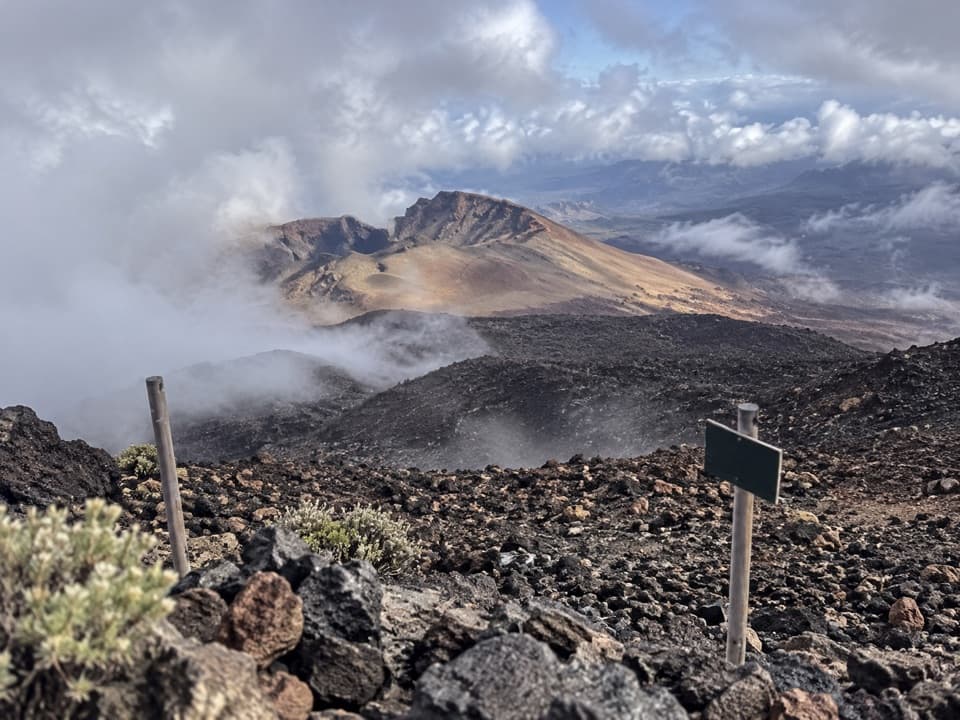
This is a textbook window into Teide’s explosive phases and the erosional forces that keep reshaping the landscape. Constant wind subtly redraws edges and surfaces over time, so it’s never quite the same twice. The area’s “other planet” vibe has made it a filming location (think Clash of the Titans and various sci‑fi projects).

Flora & Fauna

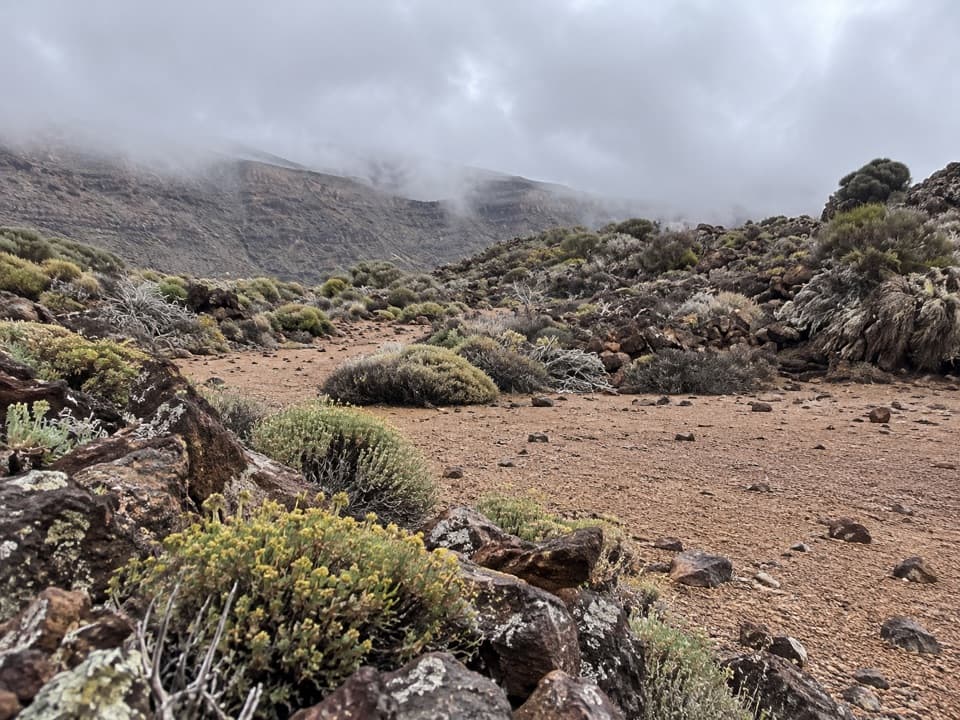
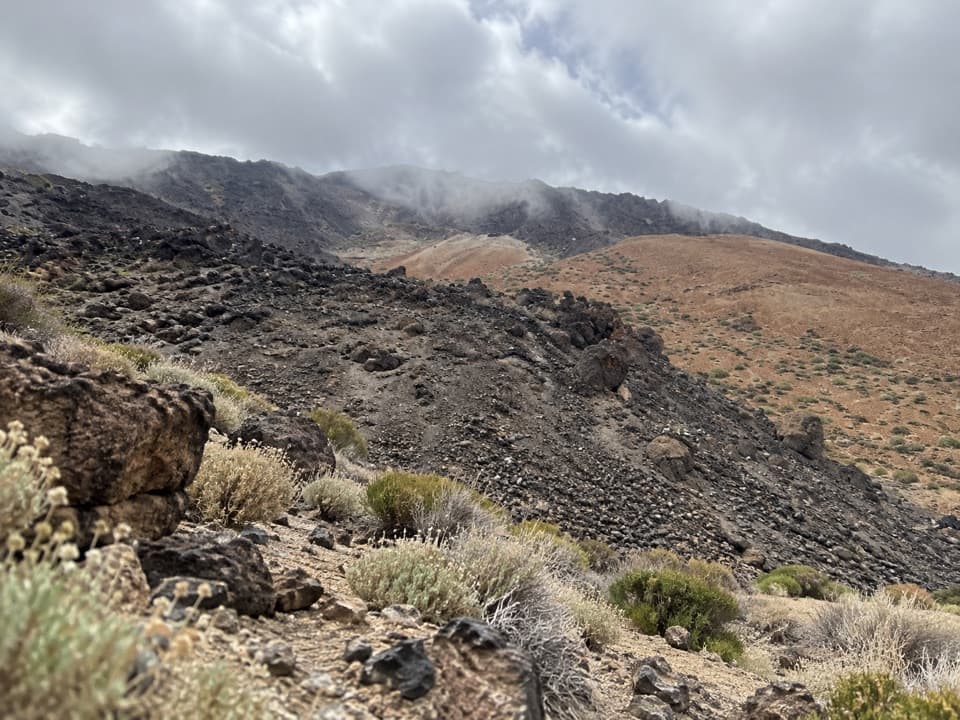
Along the trail edges you may spot hardy high‑altitude plants like the Teide wallflower and pajonera grass, with endemic insects buzzing when the air warms. Birdlife is modest but keep an eye out for endemics such as the Teide blue chaffinch. Wildlife activity picks up outside the harsh midday window.

Best Time to Visit

  • Light: Sunrise and the last two hours before sunset deliver the most sculpted shadows and color.
  • Crowds/Parking: Aim before 9:00 a.m. or after 5:00 p.m. for easier parking.
  • Seasons: Spring and autumn are the sweet spot for temperatures and clarity. Summer brings intense sun—avoid the central hours. Winter can dust higher zones with snow.

Permits & Add‑Ons

No permit is needed for Minas de San José itself. Permits apply only to the final summit path of Teide. Easy add‑ons nearby include Montaña Blanca, the Cable Car base area, Llano de Ucanca, La Fortaleza viewpoints, and Pico Viejo viewpoints.

Pros

  • Otherworldly pale pumice dunes and sculpted ridges perfect for photos
  • Short, clearly marked interpretive loop with info panels

Cons

  • No shade or services on site, including restrooms
  • Parking pullouts fill up mid‑day

Tips

  • Arrive before 9 a.m. or after 5 p.m. to snag a parking spot.
  • Wear closed shoes—the volcanic gravel (picon) can be slippery.
  • Carry water, sun protection, and a wind layer; there’s zero shade.
  • Use restrooms at El Portillo, the Teleférico base, or Cañada Blanca before you stop.
  • If taking the bus, check schedules in advance; service is limited at dawn and dusk.
The Parkwolf tour guide sitting on a phone mounted in a car

Parkwolf Tour Guide

Like a tour guide in your car.

Save the places you found around Teide, then let Parkwolf guide the drive between them.Download Parkwolf on the App Store