
Place · 0 mi away
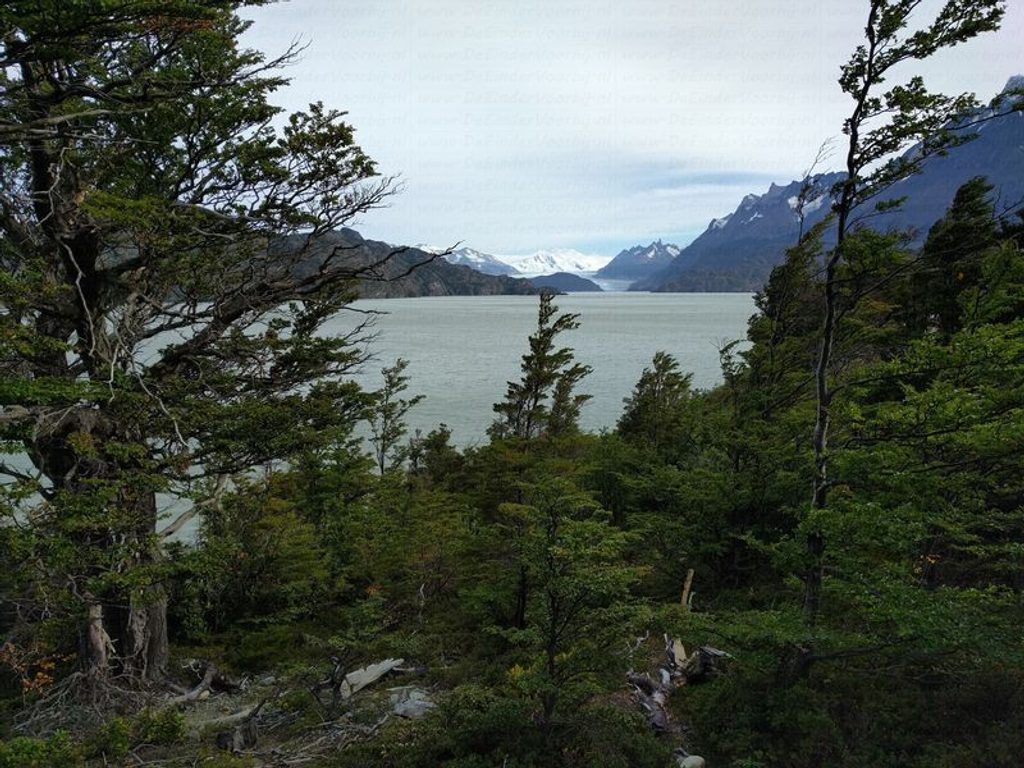
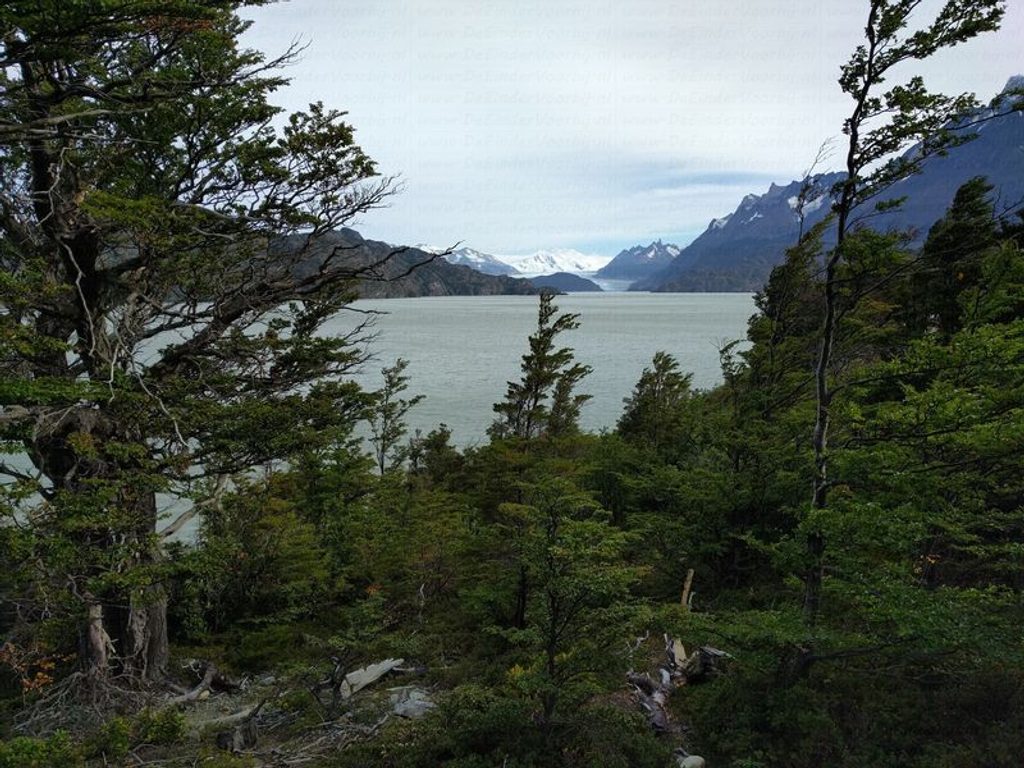
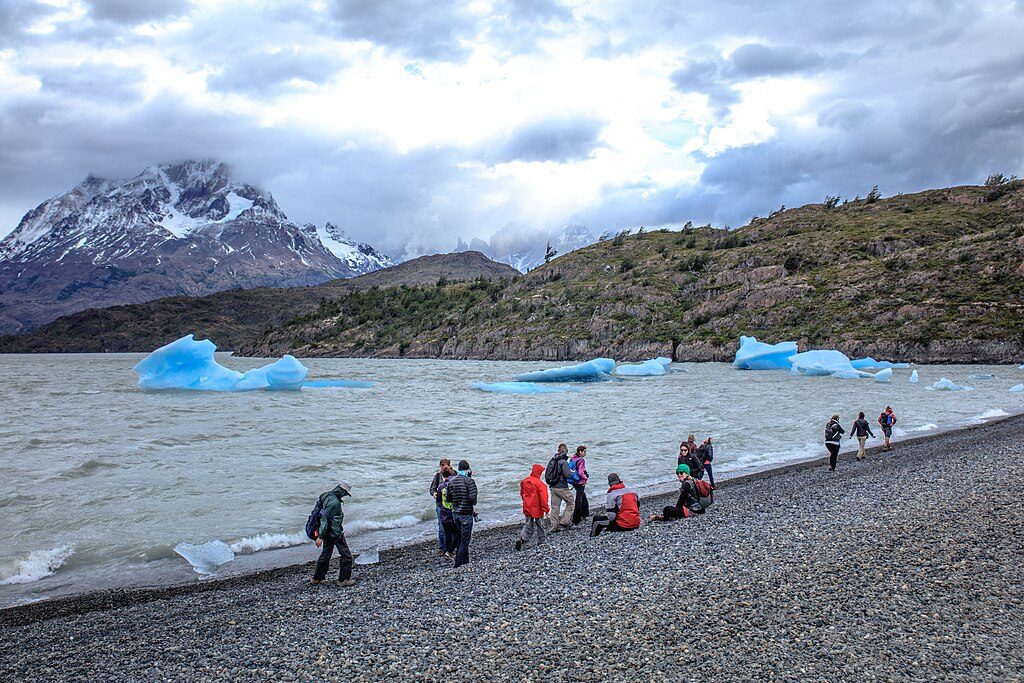
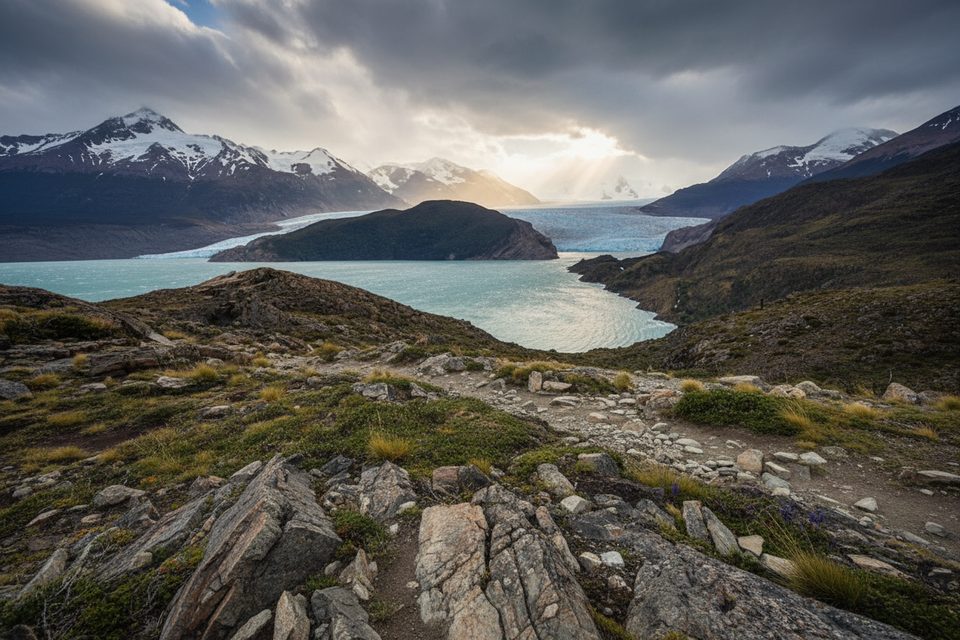
This is the classic beach-and-isthmus stroll from the Grey sector to a small rocky islet with big horizons: Grey Glacier straight ahead, Paine Grande and the Olguín range off to the side, and blue icebergs marooned along the shore. It’s an easy, family‑friendly outing that delivers a lot of scenery for minimal effort.
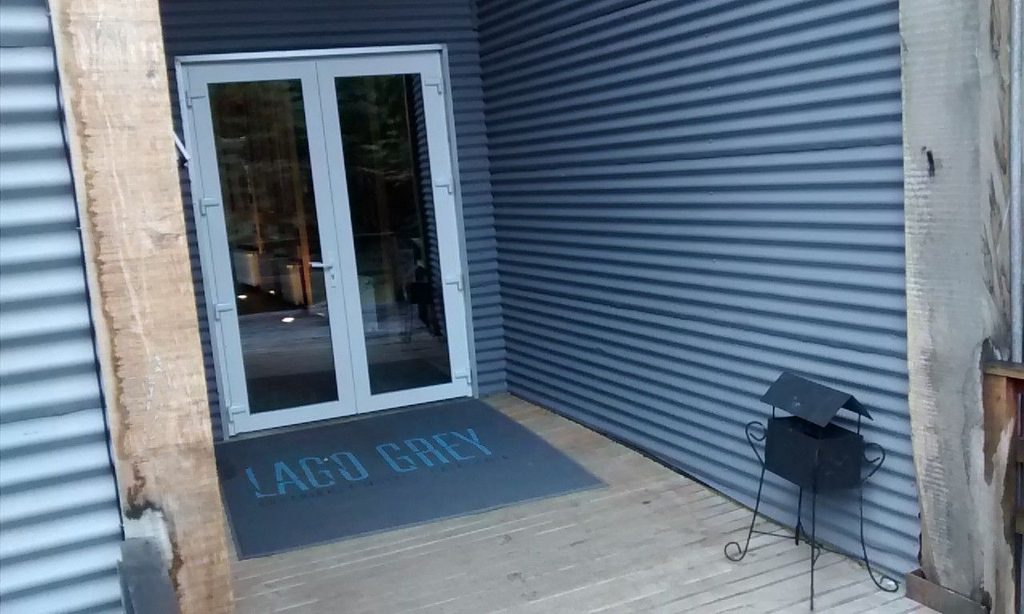
Start from the Guardería/parking by Hotel Lago Grey, cross the small hanging footbridge over the Pingo River, then follow the pebble shore of Lago Grey. The narrow, natural causeway (a low strip of glacial debris) links the beach to the islet viewpoint. Plan about 2.9 miles/4.6 km round‑trip and 1–1.5 hours at an easy pace.
If you’re booked on the Grey III navigation, check in at the hotel one hour before departure, then walk 30–45 minutes down the beach to the embarkation zone. Patagonian winds can force schedule changes, so keep your itinerary flexible.
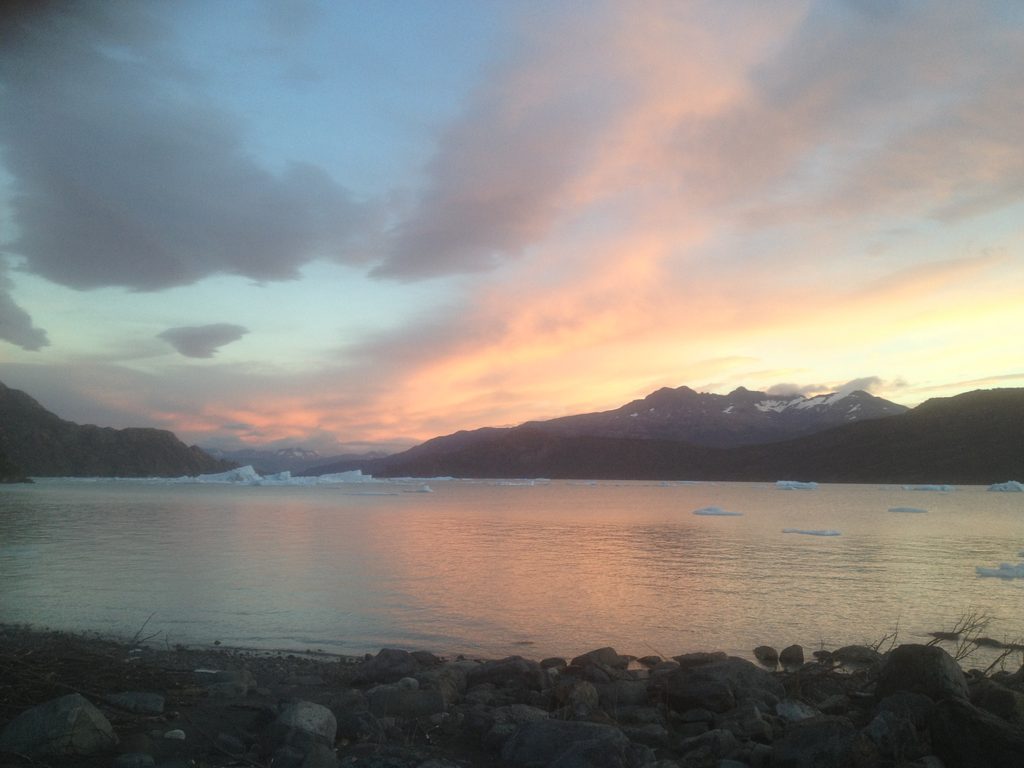
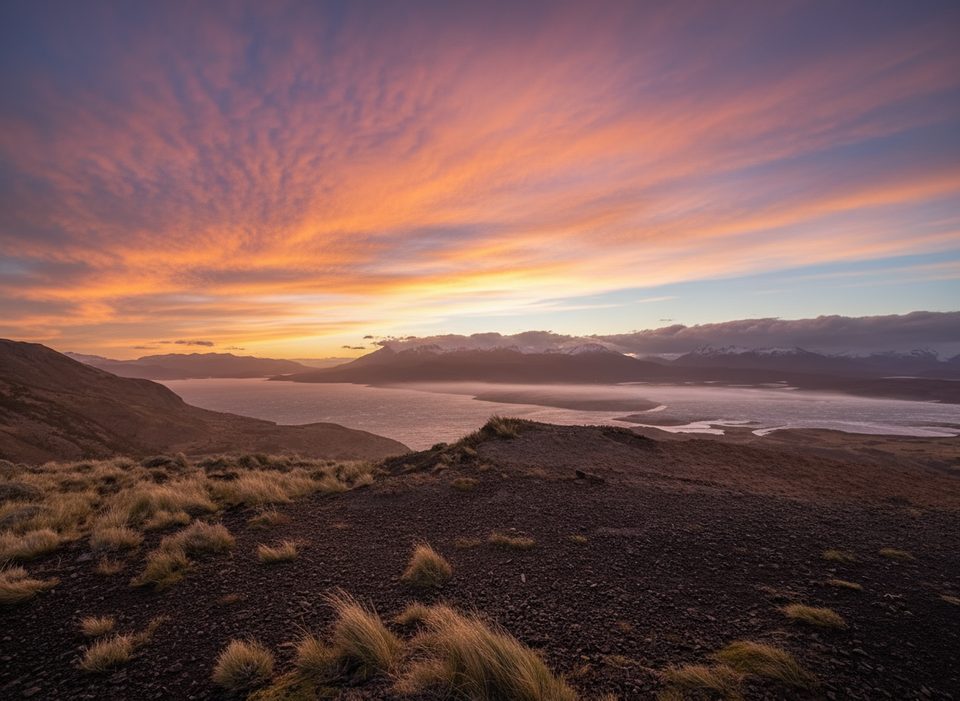
Expect sweeping views of a major outlet of the Southern Patagonian Ice Field, with a parade of drift ice and iceberg fragments along the shore. From the islet, you’ll frame Grey Glacier with surrounding peaks—great for panoramas and moody, long‑lens shots of ice and clouds.
Look up for Andean condors and other raptors riding the ridgelines. Around the lakeshore and nearby rivers, watch for waterbirds (including torrent ducks). In the Nothofagus forest behind the beach you may hear Magellanic woodpeckers. Foxes are regulars; pumas and huemul occur in the region but are seldom seen on this busy shoreline.
Lago Grey’s distinct color comes from fine “rock flour” ground by the glacier and held in suspension. The walk crosses a morainic isthmus—sediments left by former ice margins—which sits low enough that storm surge or high water can overtop it.
There are no facilities on the peninsula itself. Use the park toilets at Guardería Grey or the restrooms near the hotel before you start. Do not climb onto or approach floating ice—rollovers happen suddenly. When lake levels rise, rangers may close access to the beach/isthmus; check conditions with CONAF or your lodging.
Go early or late for softer light and fewer people; winds usually peak mid‑day. Plan your outing within posted hours (typically 8 am–6 pm). Photographers get the most texture and contrast when side‑light hits the glacier and ice.
Place · 0 mi away
Place · 0 mi away
Place · 0.8 mi away
Place · 0.8 mi away
Easy · 1.1 mi away
Moderate · 1.1 mi away
Challenging · 2.8 mi away
Challenging · 7.5 mi away

Parkwolf Tour Guide
