
Place · 0.7 mi away
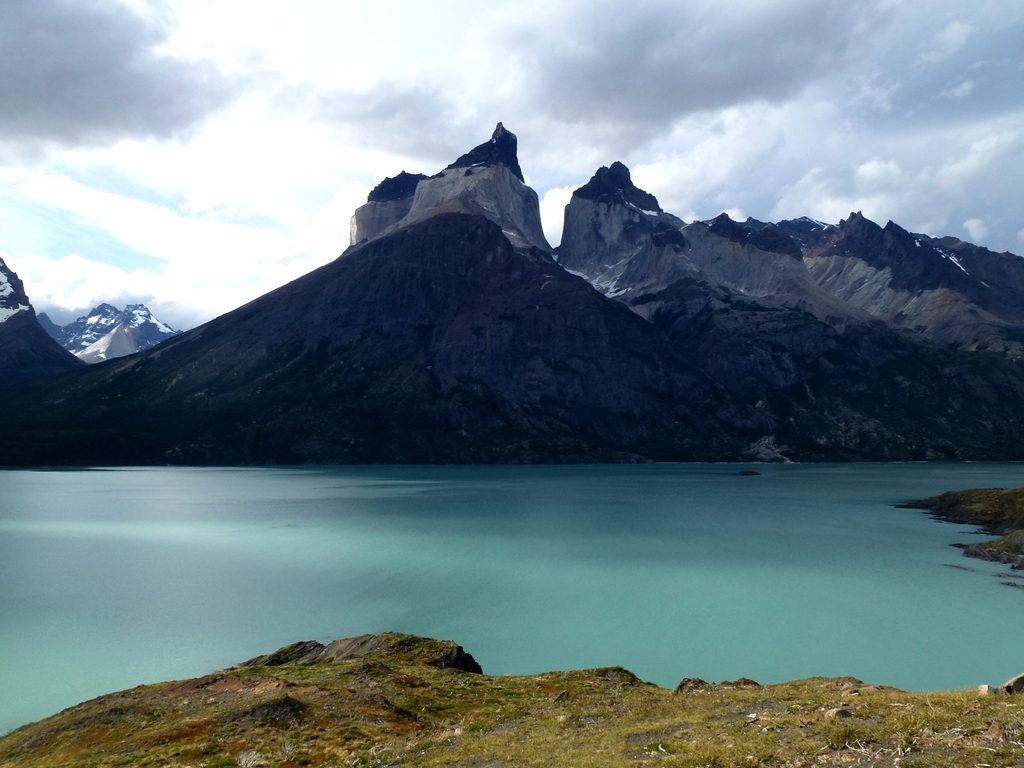
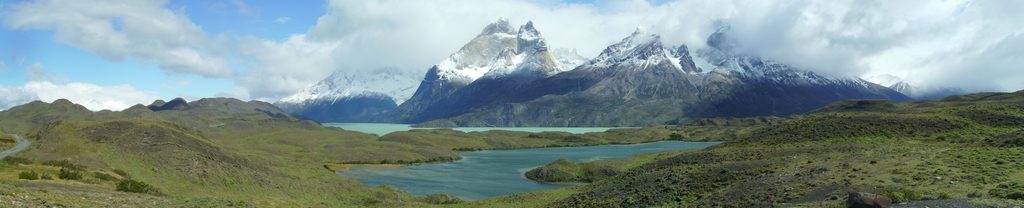
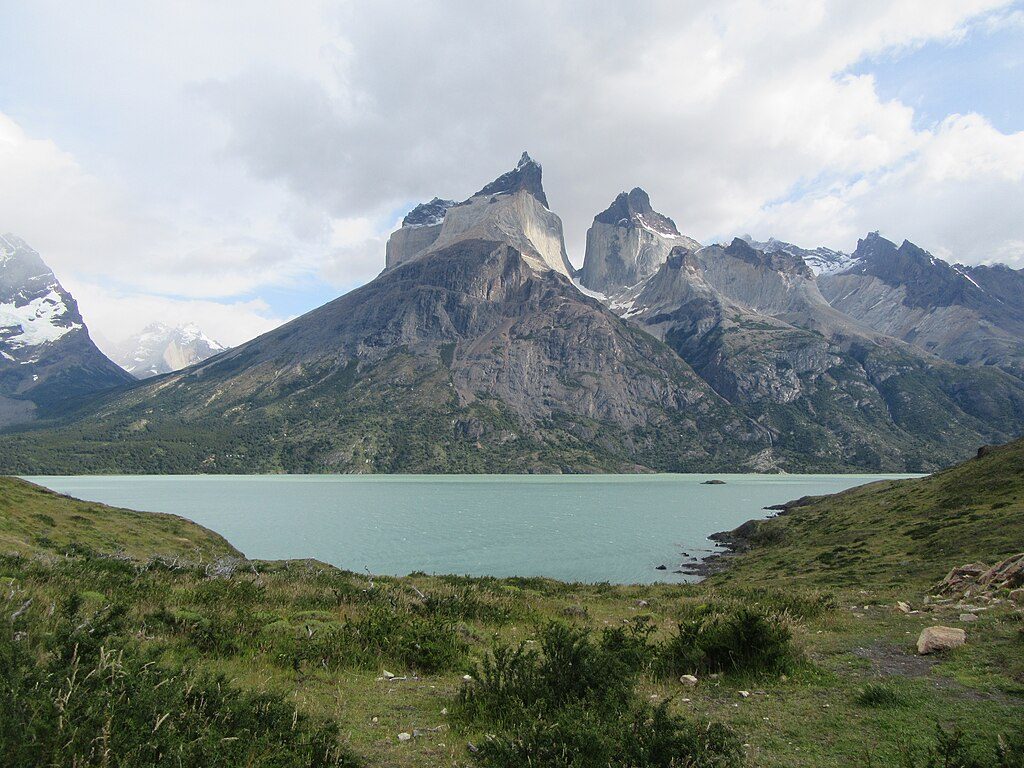
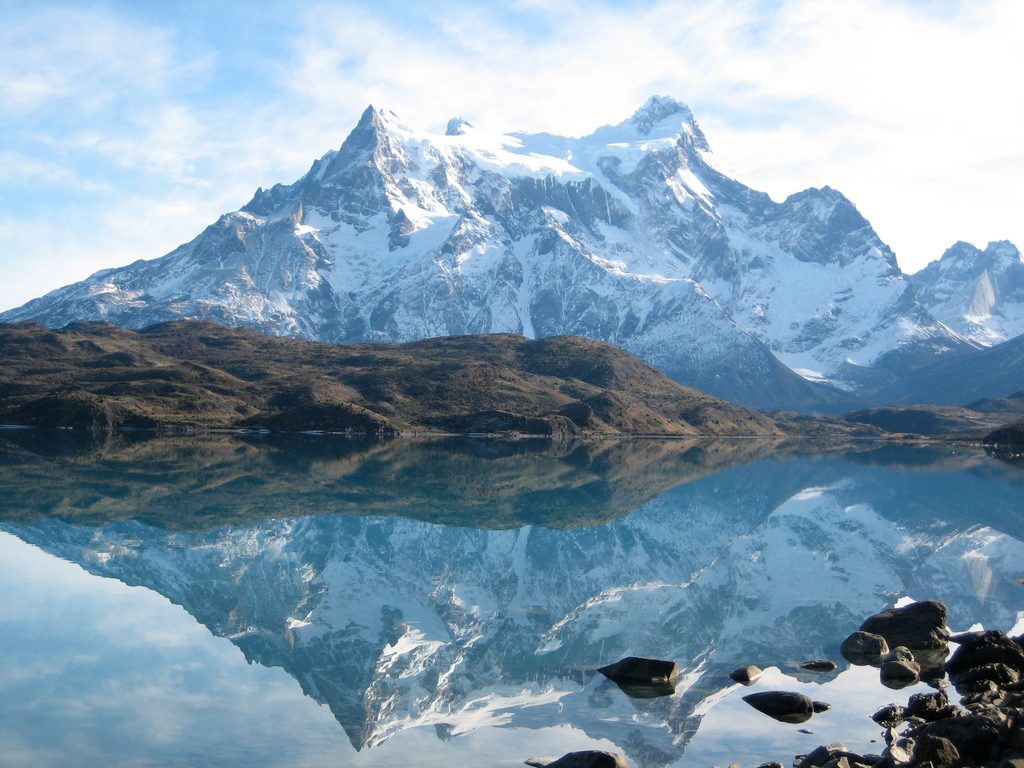
Lago Nordenskjöld is the park’s photogenic, turquoise centerpiece—glacially fed water tinted by suspended “rock flour”—set right under the dramatic Cuernos del Paine. Named for explorer Otto Nordenskjöld, the lake spreads to roughly 28 square kilometers and drains west via the thunderous Salto Grande toward Lake Pehoé.
Expect guanacos on the steppe and condors riding thermals; waterfowl frequent the coves. The broader park is known for a high puma density—admire from distance and follow ranger guidance. Birders occasionally spot black‑necked swans, flamingos, and eagles near the lake.
Glacial erosion exposed younger granitic intrusions against older sedimentary layers, which is why the Cuernos show dark “caps” atop lighter granite. “Paine” itself comes from the Aonikenk word for “blue,” a nod to the area’s signature hues.
Hike sections of the W Trek along the north shore for low‑angle panoramas. Established areas nearby offer camping and horseback riding. The lake allows navigation and kayaking, but the notorious Patagonian wind makes conditions highly variable—choose calm windows.
Parking is straightforward at the Mirador Nordenskjöld pullout and at the busy Salto Grande/Pudeto sector. Don’t count on toilets right at the viewpoint; use facilities at Pudeto and the main park gates (Laguna Amarga, Sarmiento, Río Serrano). Mountain/trail areas may only have basic toilets—pack out trash and stick to marked paths.
Morning light often paints the Cuernos best; sunrise and sunset are prime. For the falls area, stabilize your setup (wind shields, sturdy tripod or a beanbag) if you’re working long exposures.
Year‑round access. For softer light and fewer harsh shadows, aim for early morning or late afternoon; sunrise/sunset deliver the richest color. On windy days, look for leeward coves or rock shelves that can offer brief reflection windows.
This UNESCO Biosphere Reserve has seen multiple human‑caused fires (notably 1985, 2005, 2011–2012). Vegetation—calafate, senecios, mata negra/barrosa, and steppe grasses—continues to recover in places. No open flames, and keep drones grounded unless explicitly authorized.
Place · 0.7 mi away
Place · 1.1 mi away
Place · 2.1 mi away
Place · 2.8 mi away
Challenging · 6.1 mi away
Moderate · 6.1 mi away
Challenging · 6.1 mi away
Challenging · 6.1 mi away

Parkwolf Tour Guide
