
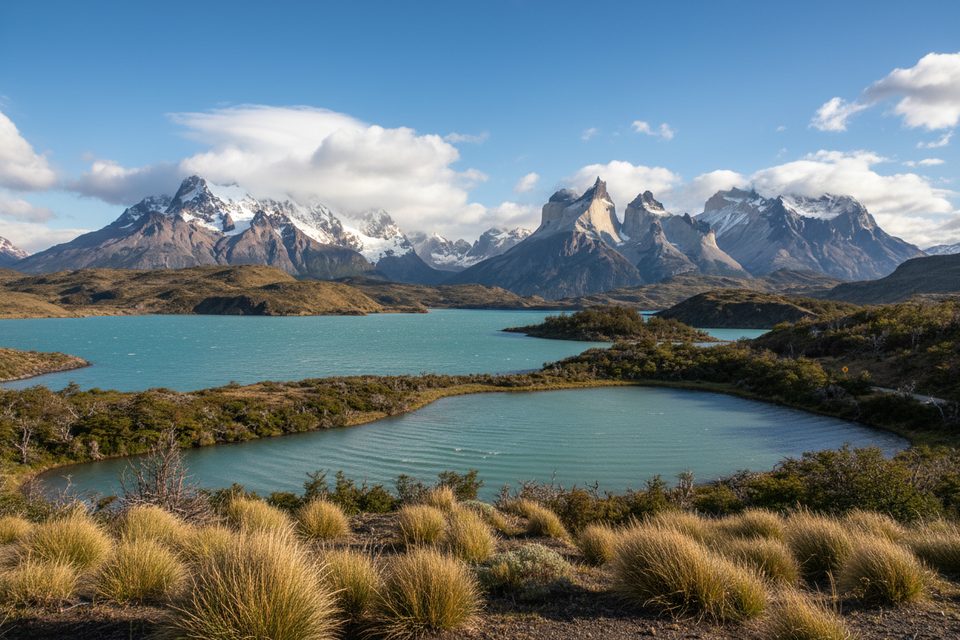
Place · 1 mi away
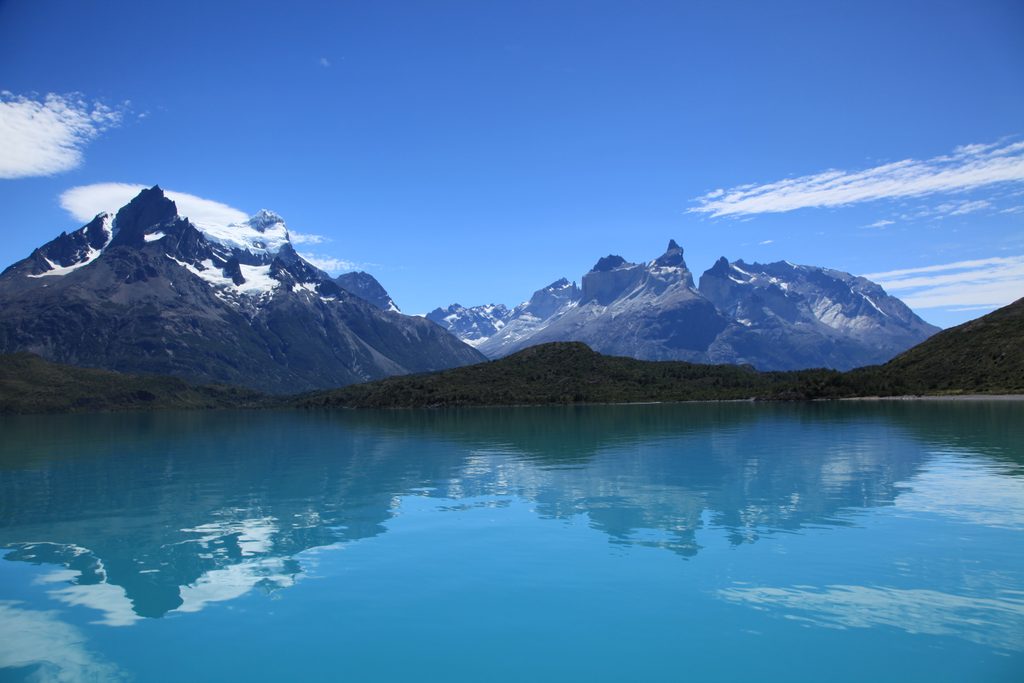
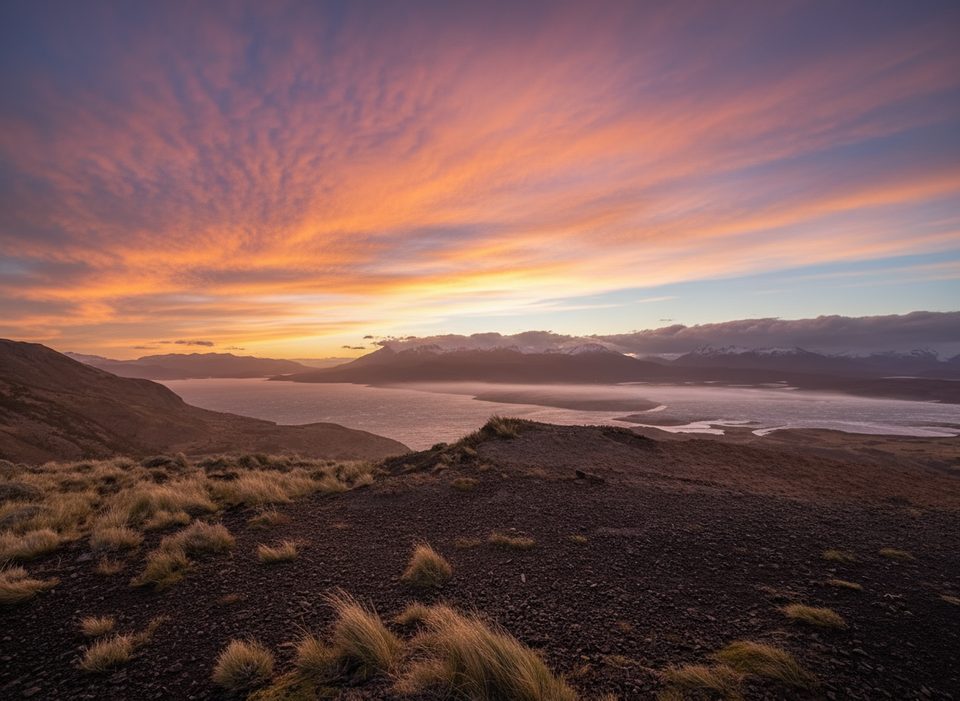
Lago Pehoé is the park’s quintessential turquoise lake, its vivid color coming from fine “rock flour” suspended in glacial meltwater. The Paine River tumbles over Salto Grande into Pehoé, then pours out via Salto Chico toward Lago del Toro—so you get big-mountain drama and dynamic water all in one place. The jagged Cuernos and the broader Paine Massif rise right above the shoreline, giving that pale‑granite meets dark‑sedimentary contrast that defines this corner of Patagonia. The broader area sits within a UNESCO Biosphere Reserve, with rich ecosystems clustered around the lake margins.
Expect condors and other raptors riding thermals near ridgelines, plus guanacos and abundant birdlife along open steppe and shore zones. The park is renowned for pumas, though sightings remain uncommon without a specialist guide. Keep distance, never feed animals, and stick to established trails.
Around the south shore, Camping Pehoé offers a restaurant, a small store, paid Wi‑Fi, and bathrooms with hot showers. On Isla Notros, Hostería Pehoé serves full meals and has Wi‑Fi with knockout dining views. At Pudeto, you’ll find a simple cafeteria, public restrooms, and a free gravel lot commonly used by day‑trippers and trekkers. A catamaran runs between Pudeto and Paine Grande in about 30 minutes, giving easy access to lakeside trails and major treks. There’s a small parking area near the Mirador Cóndor start; if it’s full, use Pudeto.
Most visitors reach the lake area by car or bus via Puerto Natales. Driving offers the most flexibility for hopping between Pehoé, Salto Grande, Pudeto, and viewpoints. Fill up in Puerto Natales—there’s no fuel inside the park—and expect some gravel roads. Buses connect Punta Arenas → Puerto Natales → park stops like Pudeto and Camping Pehoé.
Patagonian wind rules the day here. Even on bluebird forecasts, gusts can yank hats and knock tripods. Near waterfalls and exposed ridges, spray and slick rock are common—sturdy footwear helps.
Place · 1 mi away
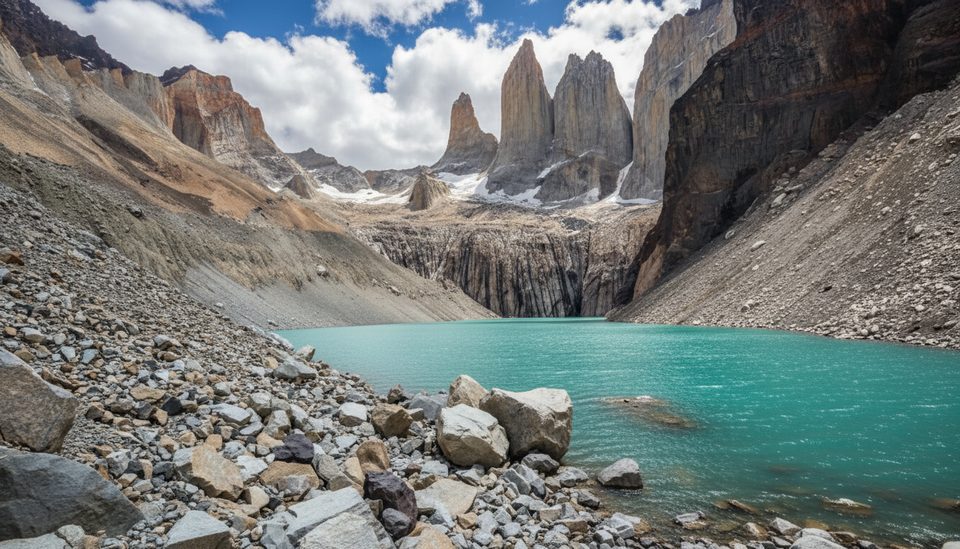
Place · 2.1 mi away
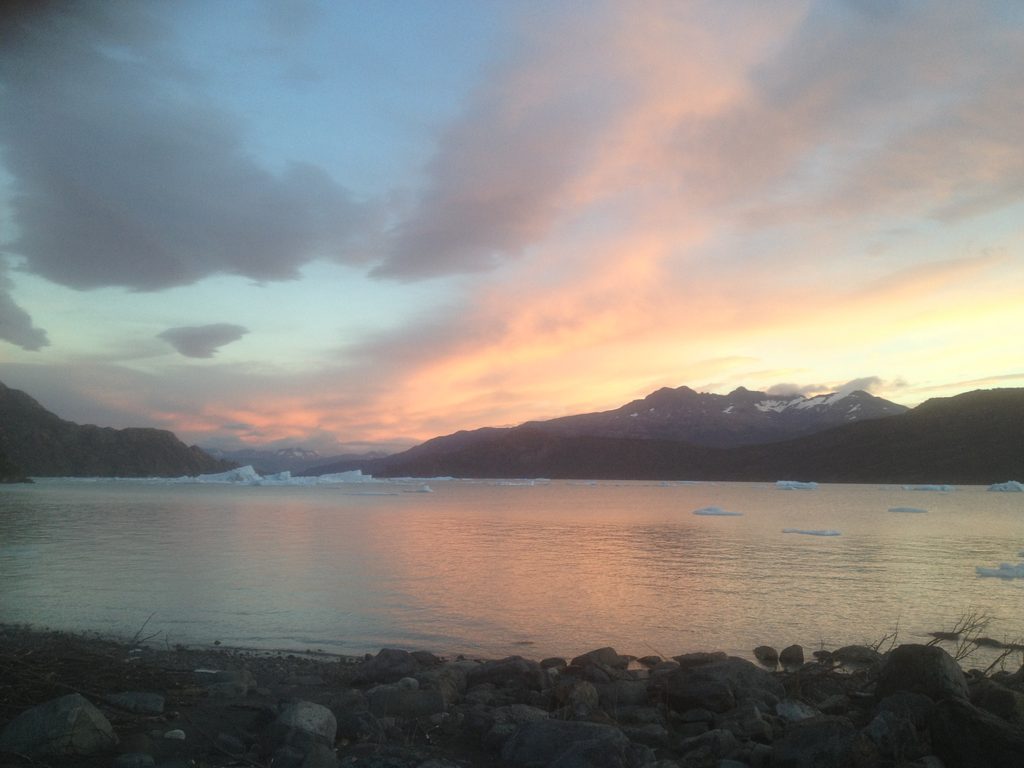
Place · 2.2 mi away
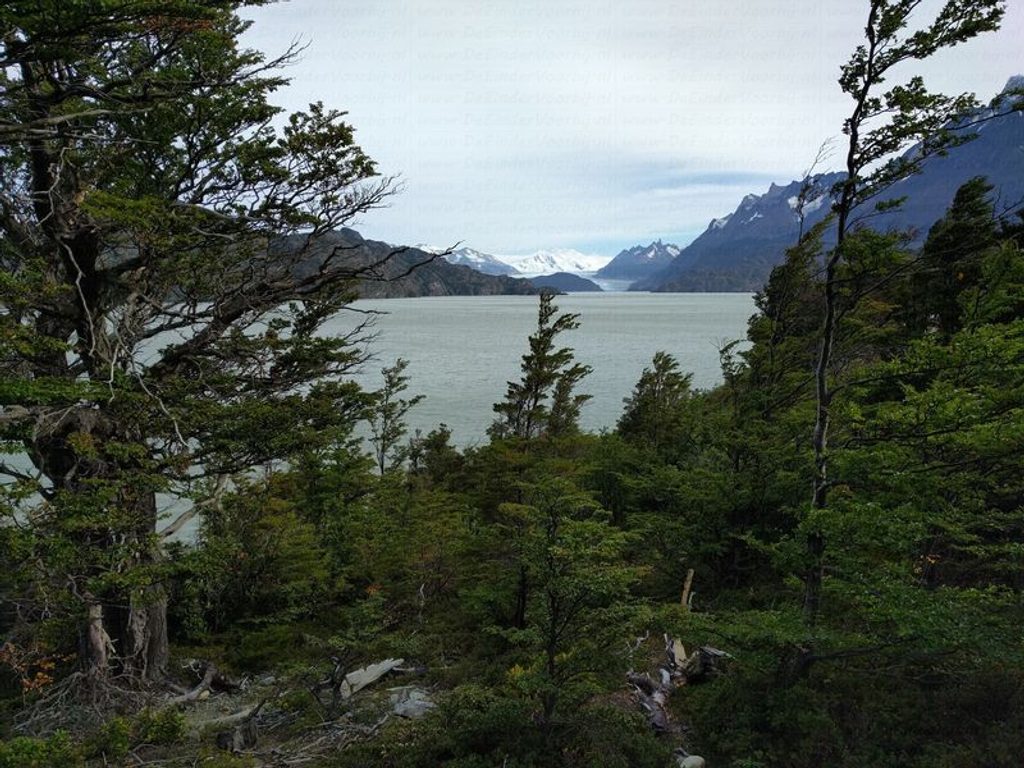
Place · 2.2 mi away
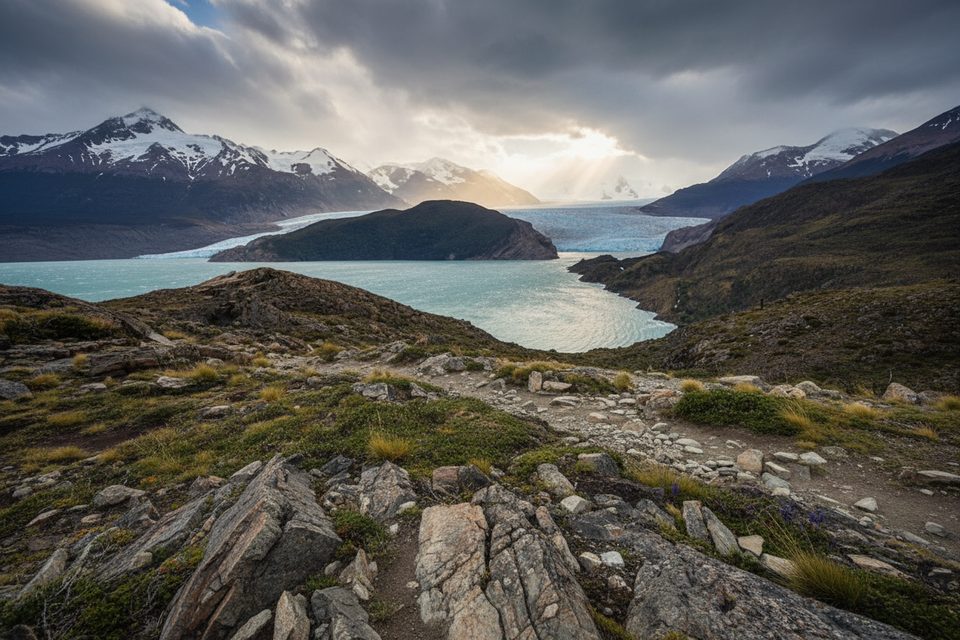
Challenging · 2.2 mi away
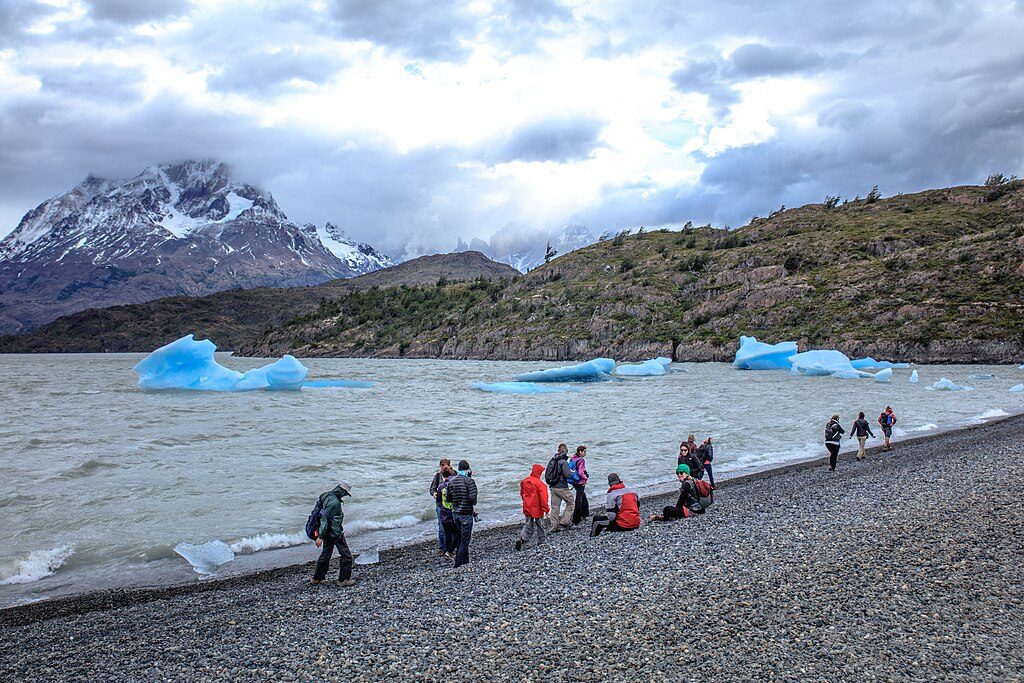
Easy · 3.2 mi away
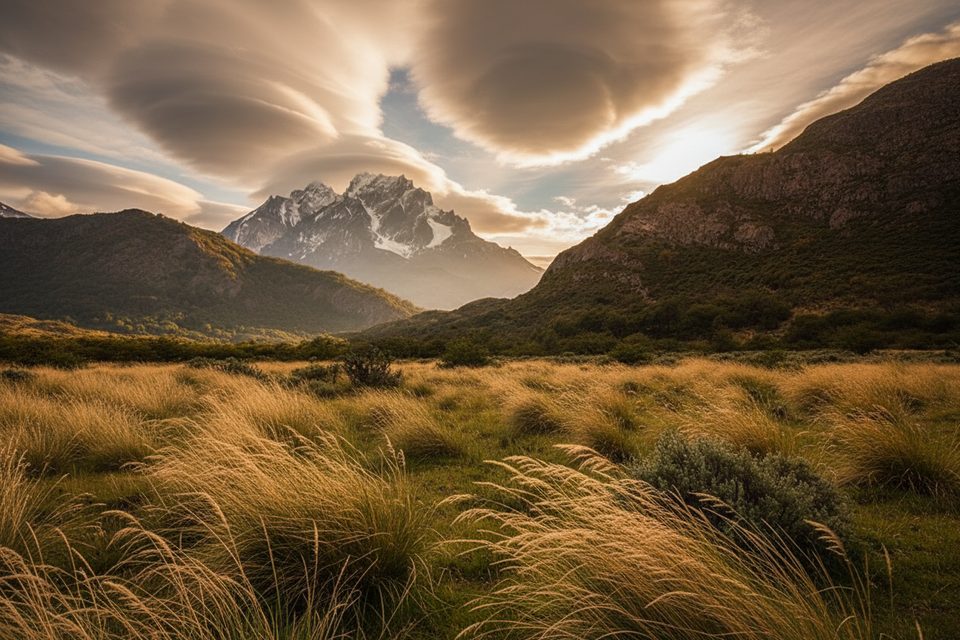
Moderate · 3.2 mi away
Challenging · 6.2 mi away

Parkwolf Tour Guide
