
Place · 0 mi away
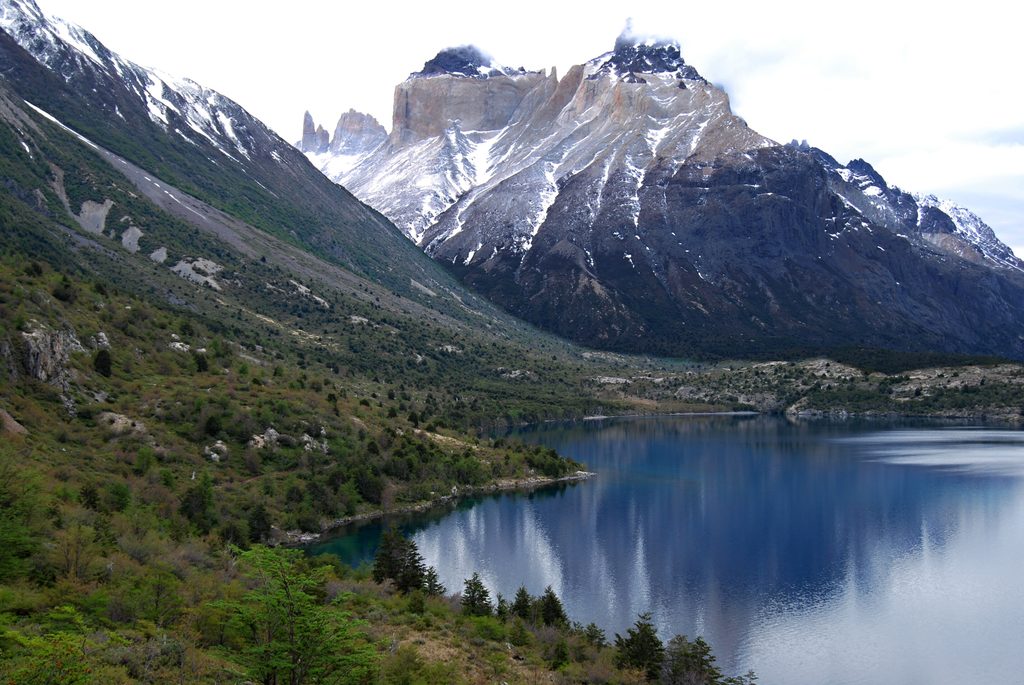
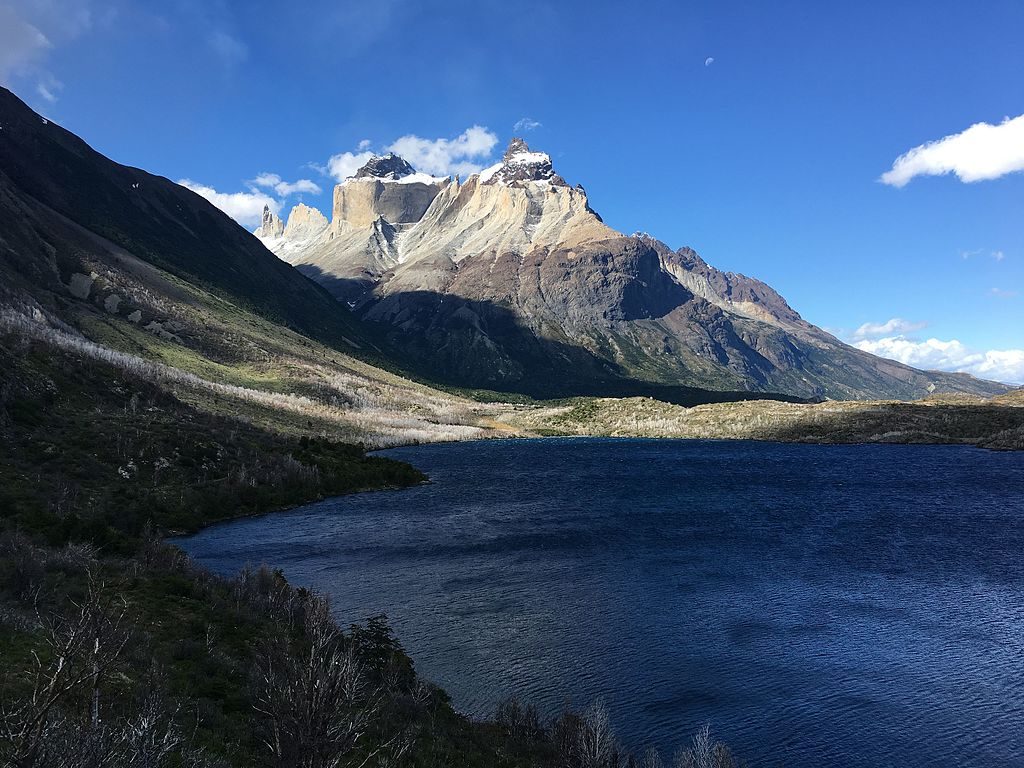
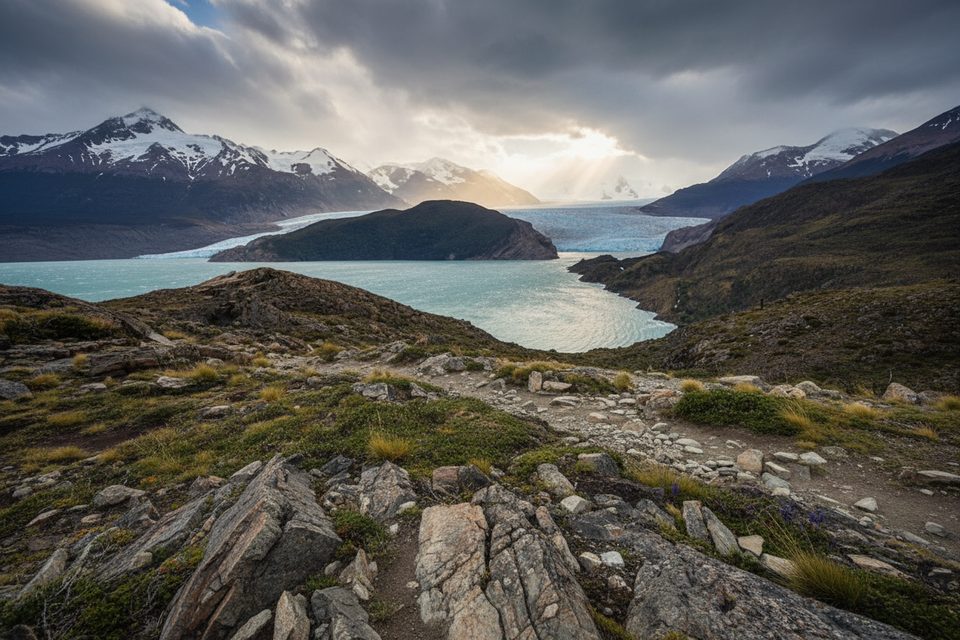
Lago Skottsberg is a vivid-blue lake tucked beneath Paine Grande and the Cuernos, a scenic waypoint on the W Trek segment heading toward the French Valley. It’s classic Patagonia: granite walls, change-on-a-dime weather, and wind that can shove you sideways.
Like many lakes here, Skottsberg’s turquoise hue comes from fine glacial “rock flour” suspended in the water. Those same glaciers and a Miocene-age granite intrusion shaped the Paine Massif’s dramatic towers and horns—catnip for geology lovers and photographers alike.
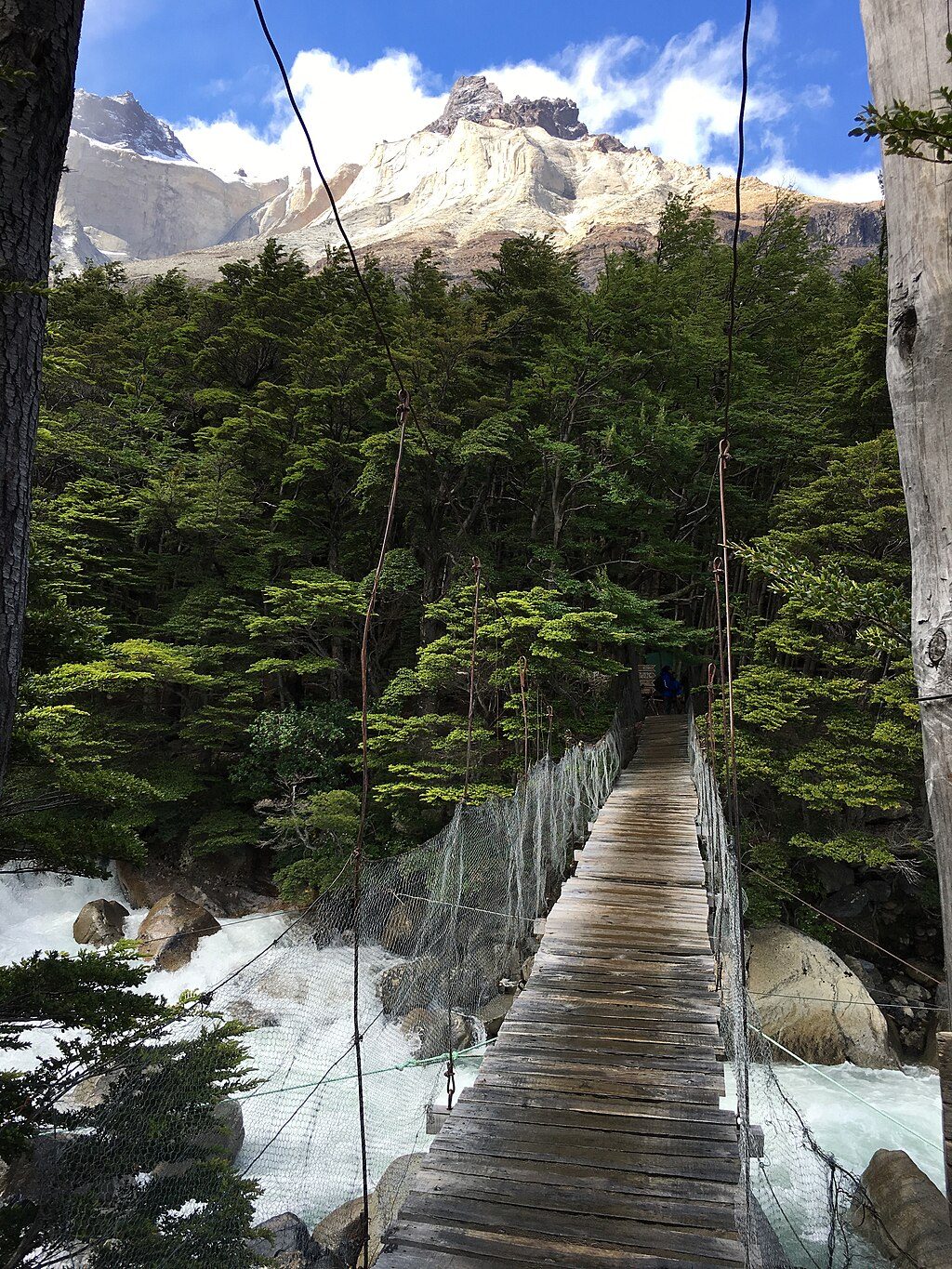
There’s no road or parking at the lake. Most hikers reach the area by taking the catamaran from Pudeto to Paine Grande, then follow the well-marked trail skirting Lago Skottsberg toward Campamento Italiano/Francés. Expect exposed sections, short steep rollers, and occasional narrow bridges or stream crossings.
On clear days you’ll frame Paine Grande and the Cuernos over gleaming water. Shrub-and-grass steppe around wind-battered points quickly gives way to pockets of beech forest in sheltered gullies. Birdlife works the ridgelines on windy days, and you can often spot waterfowl when the lake surface calms.
Weather is famously fickle. The windiest stretch is typically November–January; summer temps are cool, and winters are cold. Shoulder months (March–April) mean fewer people but more rain and slicker lakeside tread.
There are no toilets or services on the trail by the lake. Use facilities at nearby sites: Paine Grande has shared bathrooms, a small shop, and typically paid Wi‑Fi and charging; Francés offers services when operating; Italiano is basic when open. Cooking is allowed only in designated campsite shelters—never along the shore or trail.
Glacial streams are common and generally safe to drink from—refill often. Refugio minimarkets (notably at Paine Grande) can help top up supplies, but items sell out; carry backup meals. Don’t count on cell signal; some refugios offer paid Wi‑Fi.
A commonly reported day from Paine Grande to Campamento Italiano and back—hugging Lago Skottsberg—runs roughly 21 km/13 miles with about 940 m/3,000 ft of gain. It’s gorgeous but exposed; start early and budget time for wind delays.
Gusts near drop-offs are no joke—keep trekking poles handy, cinch hat and pack covers, and avoid the water’s edge in extreme winds. Weather can flip from sun to cold rain within an hour; carry layers, waterproofs, and gloves year-round. Open fires are strictly prohibited; use only designated cooking areas.
Place · 0 mi away
Place · 0.9 mi away
Place · 1.6 mi away
Place · 1.6 mi away
Challenging · 1.6 mi away
Easy · 5.5 mi away
Moderate · 5.5 mi away
Moderate · 5.7 mi away

Parkwolf Tour Guide
