Paine Falls

Roaring falls with big-mountain backdrops for minimal effort
Paine Falls, Torres del Paine National Park
InsideTorres del Paine National Park

Overview

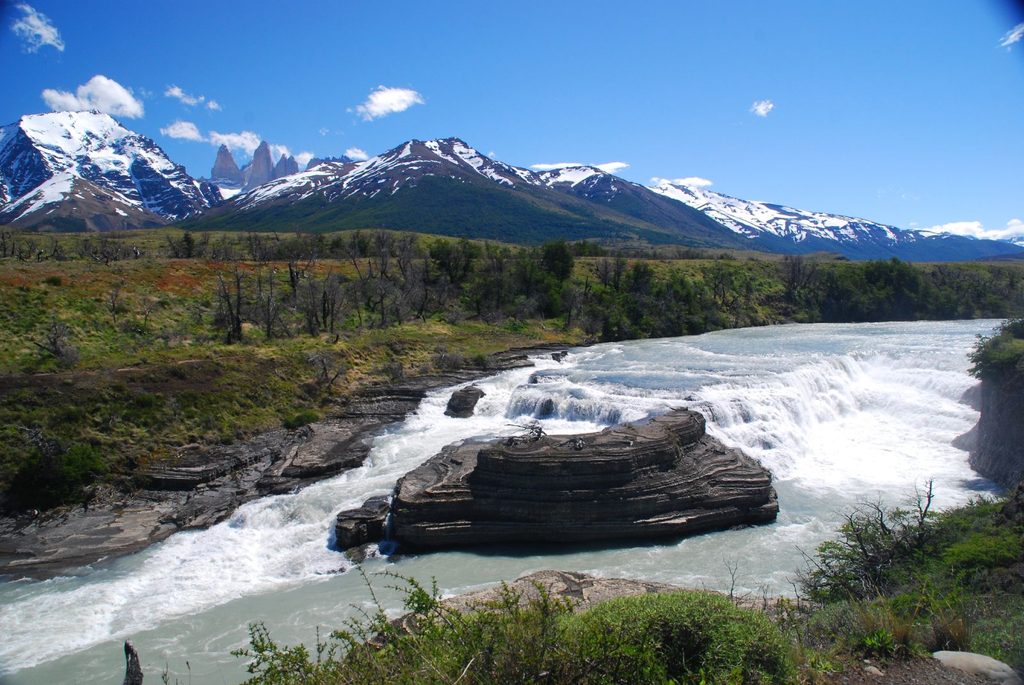
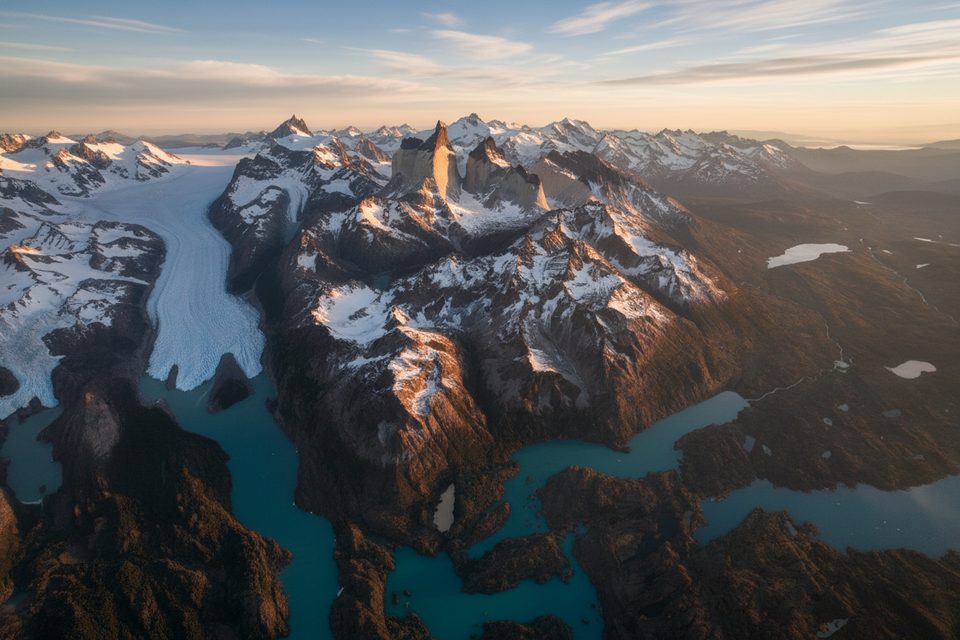
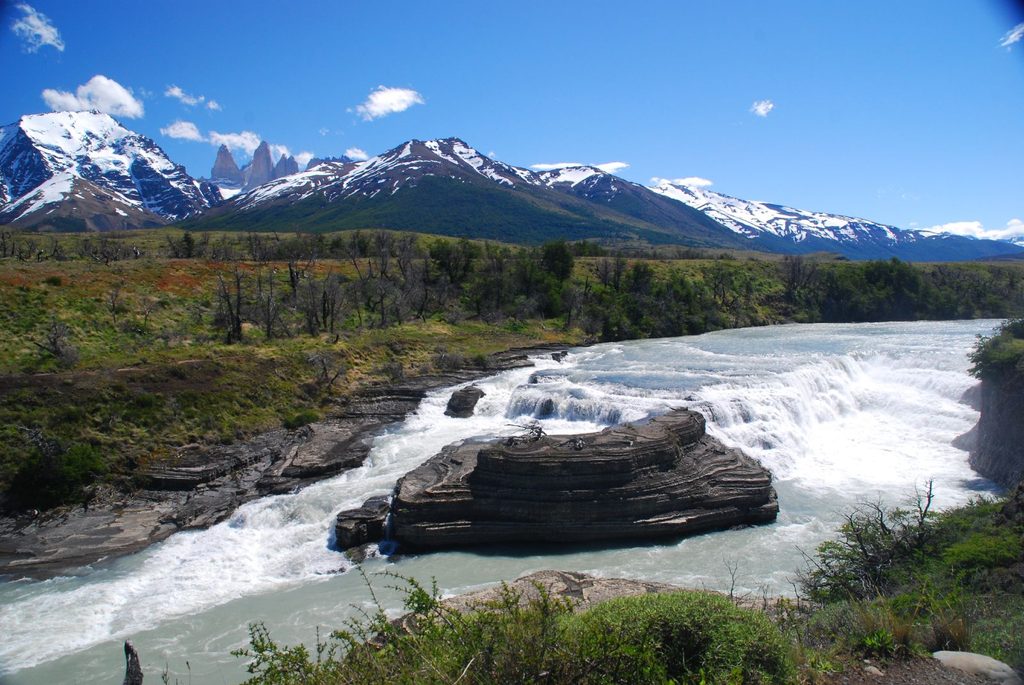
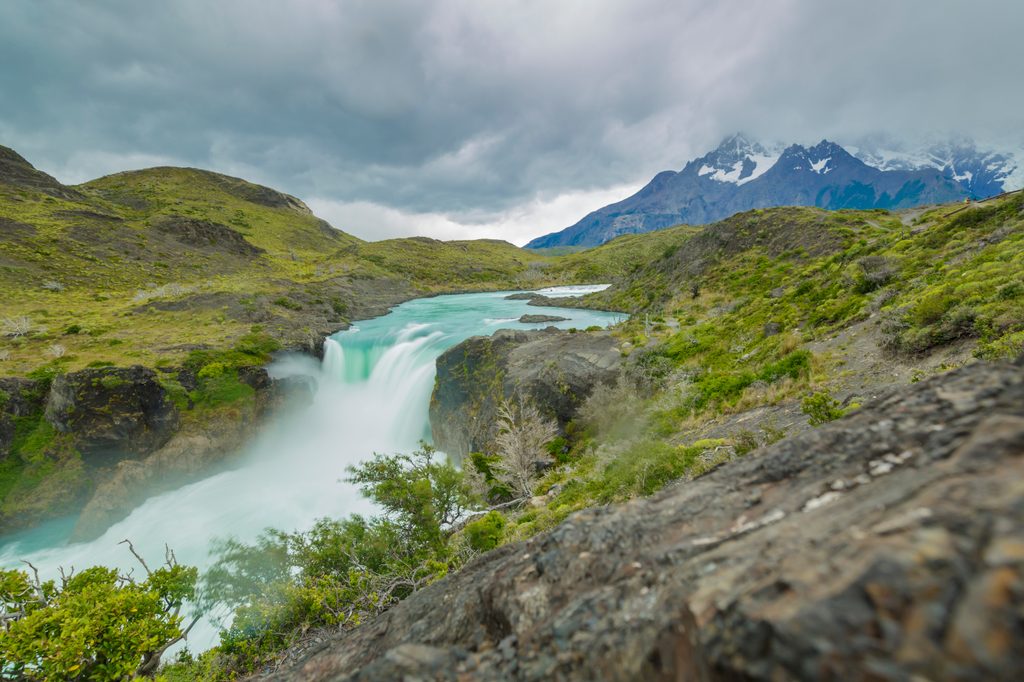
Locals call it Salto Grande, but many visitors know it as Paine Falls—a wide, roaring cascade where the Paine River squeezes between rugged rock and drops about 15 meters. It’s the park’s easiest high‑reward stop: turquoise water, thunder in your ears, and the Cuernos lined up behind it.

What You’ll See

Expect milky‑blue glacial water surging through a narrow gorge, spray drifting in the wind, and sweeping views of the Paine Massif. On clear days, the dark‑over‑light “striped” Cuernos steal the show beyond the falls.

Getting There & Facilities

Park at the main Pudeto lot by the catamaran dock/cafeteria and follow the signed, mostly flat path a few minutes to the viewpoint. Flush restrooms are next to the cafeteria. Wind is the wildcard here—secure hats, phones, and loose items and stay well back from edges.

Short Walks & Add‑Ons

  • Main viewpoint: a quick out‑and‑back on a wide path.
  • Mirador Los Cuernos add‑on: a well‑loved continuation of roughly 4–5 km round trip (plan 2–3 hours) for grand lake‑and‑horns panoramas.
  • Nearby option: Salto Chico—smaller but photogenic—sits a short walk from Explora Patagonia.

Why the Water Is So Blue (and the Mountains “Striped”)

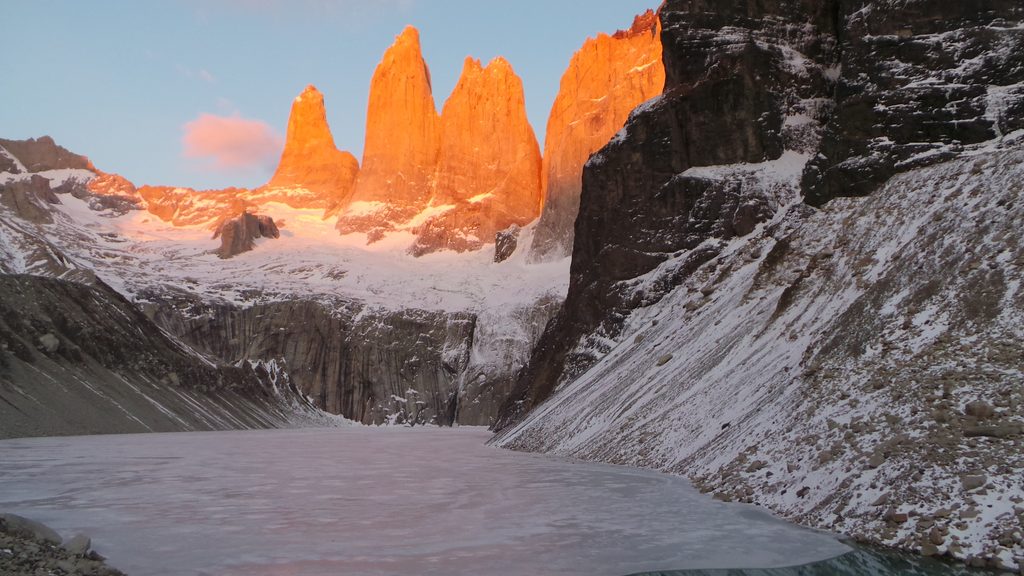
The river’s color comes from glacial rock flour—ultra‑fine sediment that scatters light into that electric turquoise. The Paine Massif mixes dark, older sedimentary layers with younger, pale igneous rock from a shallow magma intrusion; past glaciations carved it into today’s striking dark‑over‑light horns.

Wildlife

Scan the steppe for guanacos and look overhead for condors riding thermals. Waterfowl often bob in the calmer pools below the falls. Dawn and late afternoon are liveliest.

Best Time to Visit

  • Timing: Mornings are quieter before tour buses roll in; late afternoon offers warmer light but more people.
  • Weather: Winds typically build through the day—earlier is calmer and safer.
  • Photography: Soft morning light is kind; late‑day golden light flatters the Cuernos. Spray and gusts make tripods tricky—use a wide‑angle and a polarizer to cut glare.

Practical Notes

This stop fits effortlessly into any driving day in the park. Park entry is paid and best handled online in advance; cell service is sparse, so have confirmations saved offline.

Pros

  • Minute-long walk from parking to a thunderous waterfall
  • Vivid glacial‑blue water with dramatic Cuernos backdrops
  • Facilities and parking at Pudeto make this an easy stop

Cons

  • Often extremely windy; gusts can be dangerous
  • Gets busy with tour buses midday

Tips

  • Arrive before 10 am or after 4 pm to dodge bus crowds.
  • Bring a windproof shell and secure hats and phones—gusts here are no joke.
  • Continue to Mirador Los Cuernos if you have 2–3 hours for bigger views.
  • Use the Pudeto restrooms and cafeteria before or after the short walk.
  • Save park tickets offline after buying online; reception is unreliable.
The Parkwolf tour guide sitting on a phone mounted in a car

Parkwolf Tour Guide

Like a tour guide in your car.

Save the places you found around Torres del Paine, then let Parkwolf guide the drive between them.Download Parkwolf on the App Store