
Place · 7.6 mi away
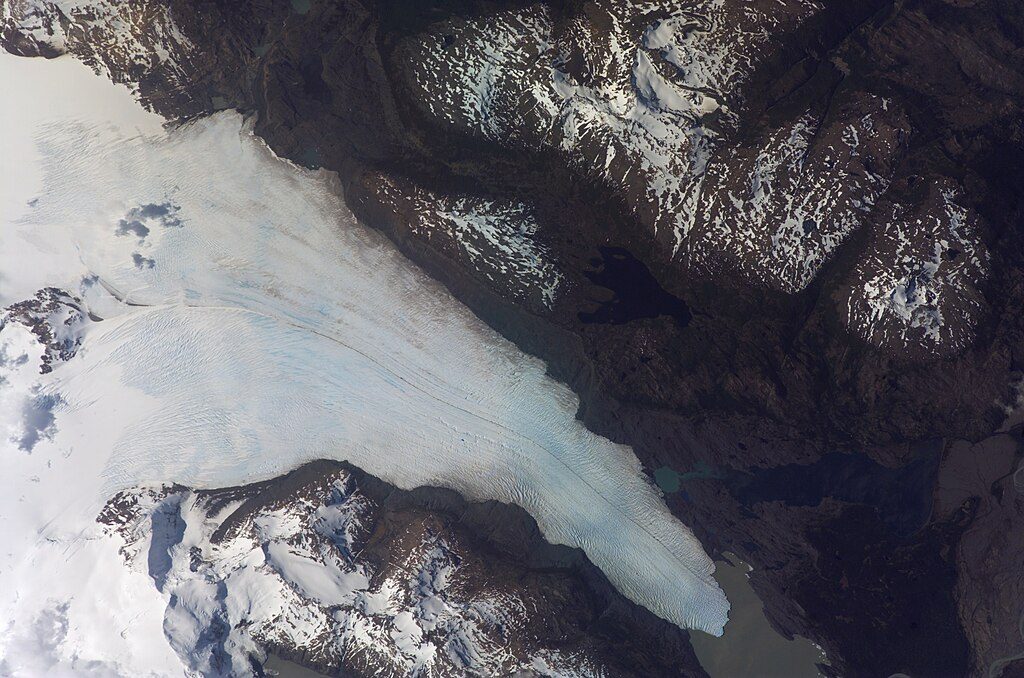
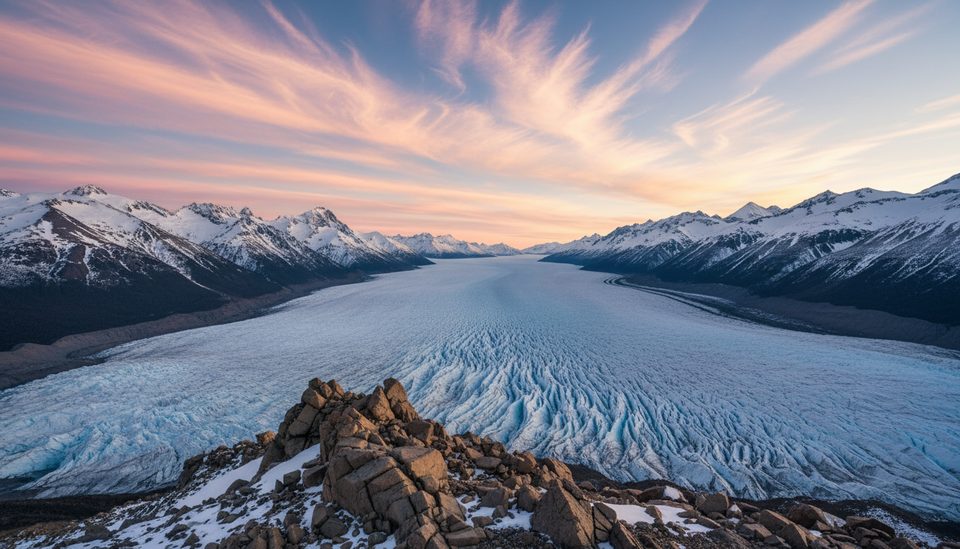
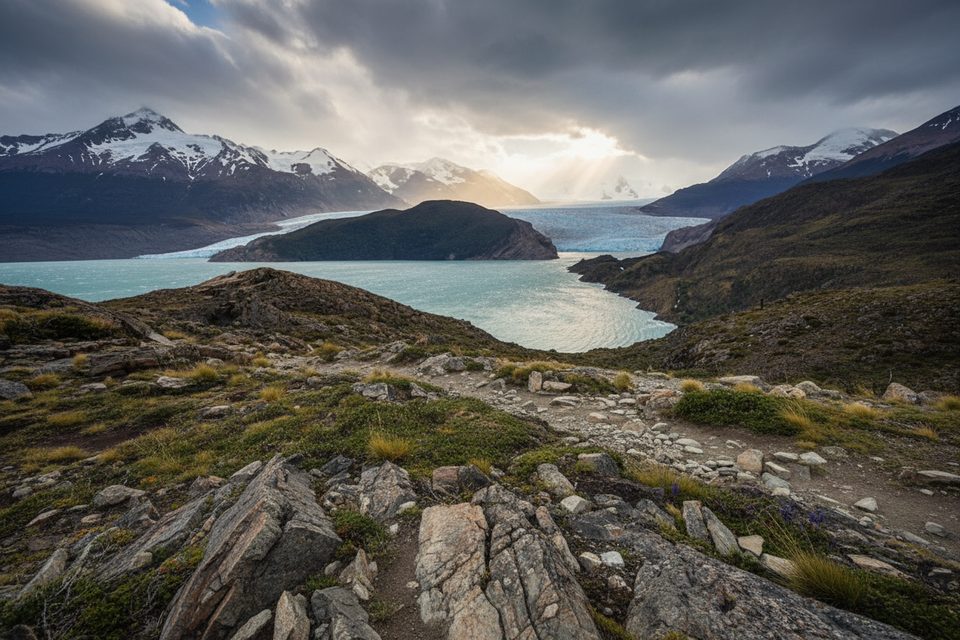
Also called Geike Glacier, Tyndall Glacier is a sprawling tongue of the Southern Patagonian Ice Field with its main calving front on Geikie Lake. Like its better‑known neighbor Grey, it has been retreating in recent years. The glacier is named after the Irish glaciologist John Tyndall.
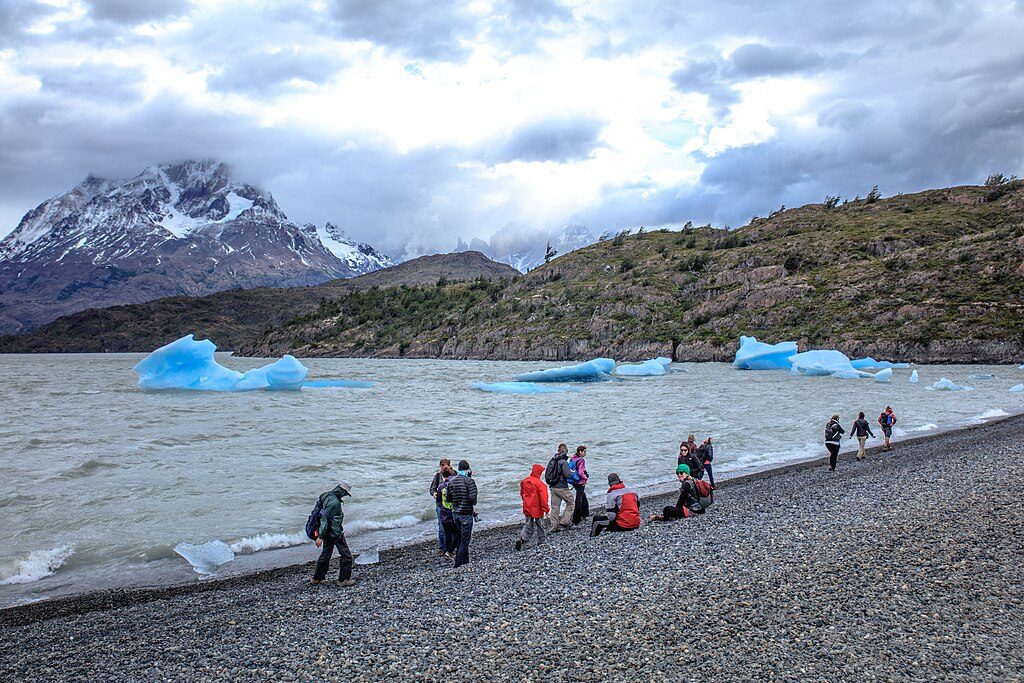
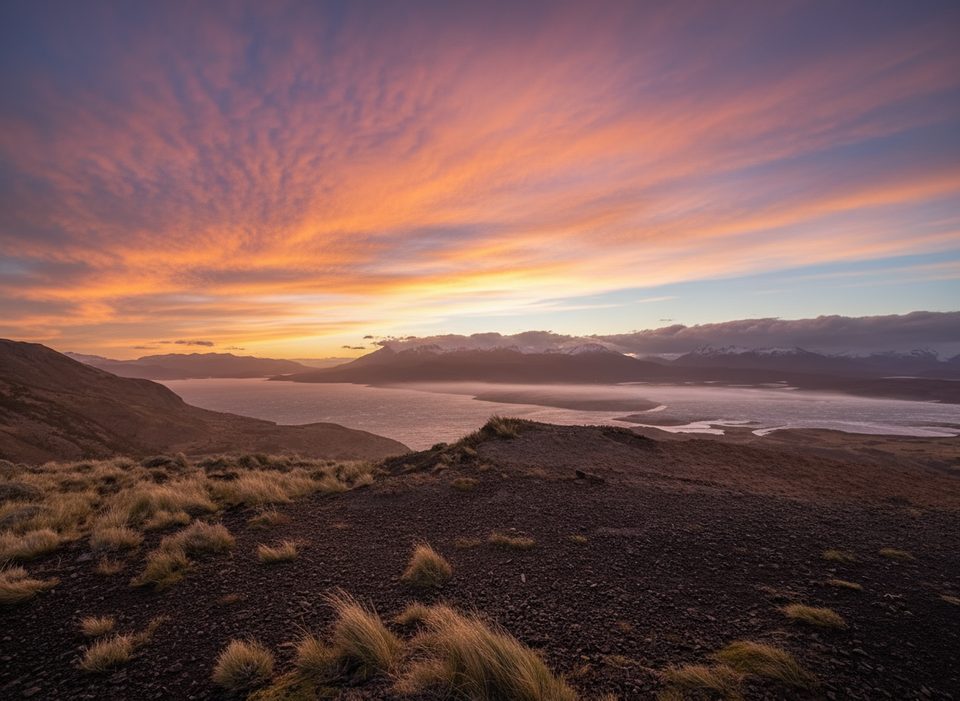
Expect a remote, unpeopled feel and big‑scale ice scenery: a broad glacier flowing into a lake dotted with bergy bits, backed by the dramatic geology that defines this corner of Patagonia. It’s less commonly visited than Grey, which is part of the appeal if you’re after solitude and raw landscapes.
There’s no drive‑up viewpoint, trailhead, parking lot, or restroom at Tyndall. Visitors typically reach it on multi‑day guided kayak expeditions via the Serrano and Tyndall rivers and lake, with wild camping en route. Some operators provide a portable toilet at the wild camp, while established camp nights in the Serrano sector offer toilets and hot showers. Outfitters commonly handle pickup in Puerto Natales and return to town by boat via Última Esperanza, so you don’t need to sort out a “Tyndall trailhead.”
Trips usually run roughly October–April. Patagonia’s famous wind and shifting ice conditions can change the day‑to‑day plan or limit where you can paddle, so flexibility is part of the experience. Crowds aren’t a factor here; remoteness is.
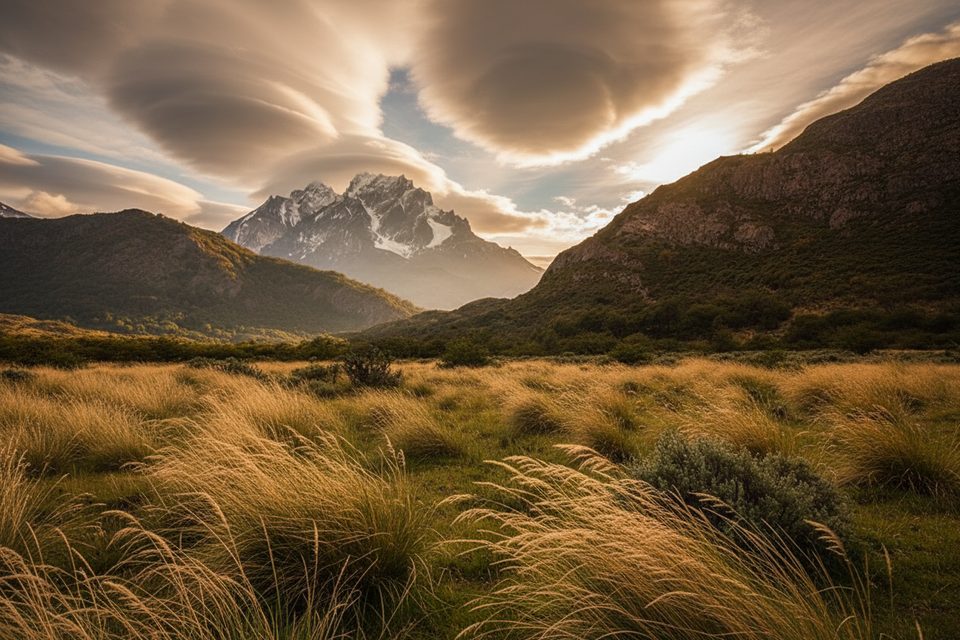
The surrounding massif showcases a Miocene granitic laccolith intruded into older dark sedimentary rocks—an internationally recognized geological heritage site. Past advances and slow deglaciation of the South Patagonian Ice Field sculpted the park’s U‑shaped valleys and moraines; today Tyndall continues to calve into Geikie Lake while undergoing long‑term retreat.
Torres del Paine is rich in wildlife, from guanacos and foxes to pumas and soaring Andean condors. While sightings vary, traveling the quieter Serrano–Tyndall corridor gives you a good chance to feel immersed in that wider ecosystem.
Aim for the October–April operating window for guided trips. Because this is a remote paddling objective without fixed viewpoints, the “best” time is when your guide can match conditions to safe paddling and lake access; expect plans to pivot with wind and ice. Weekday vs. weekend crowd differences are negligible here.
Place · 7.6 mi away
Place · 10.9 mi away
Place · 10.9 mi away
Place · 11.3 mi away
Easy · 10.9 mi away
Moderate · 10.9 mi away
Challenging · 14.8 mi away
Challenging · 15.2 mi away

Parkwolf Tour Guide
