
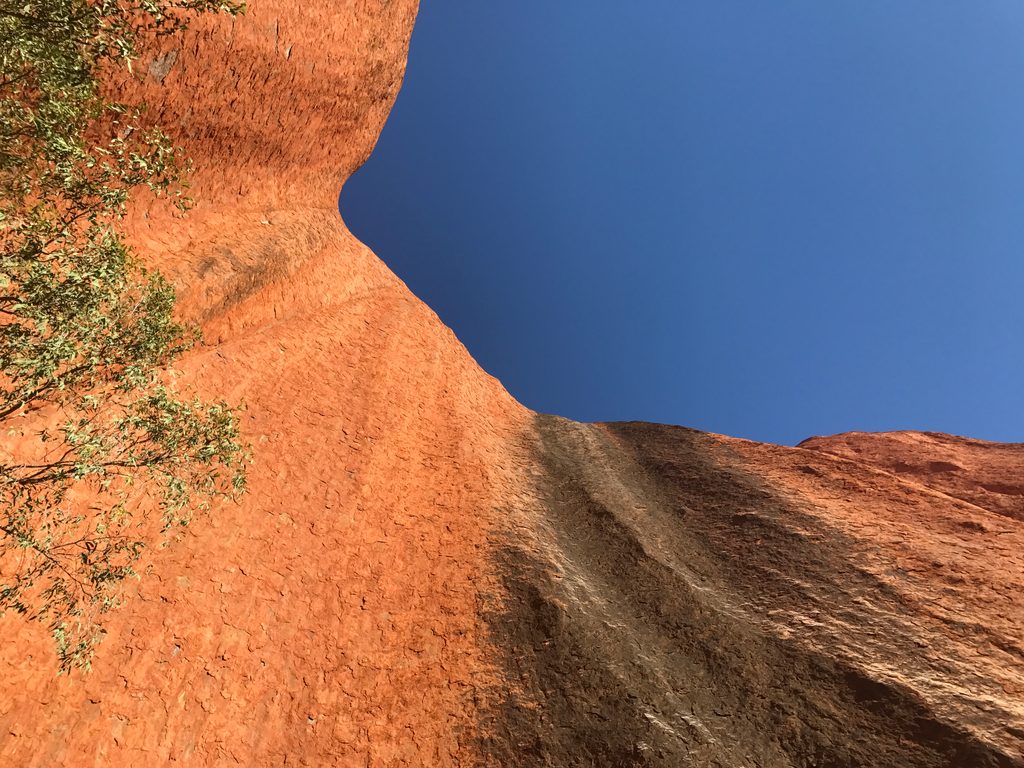
Place · 1.5 mi away
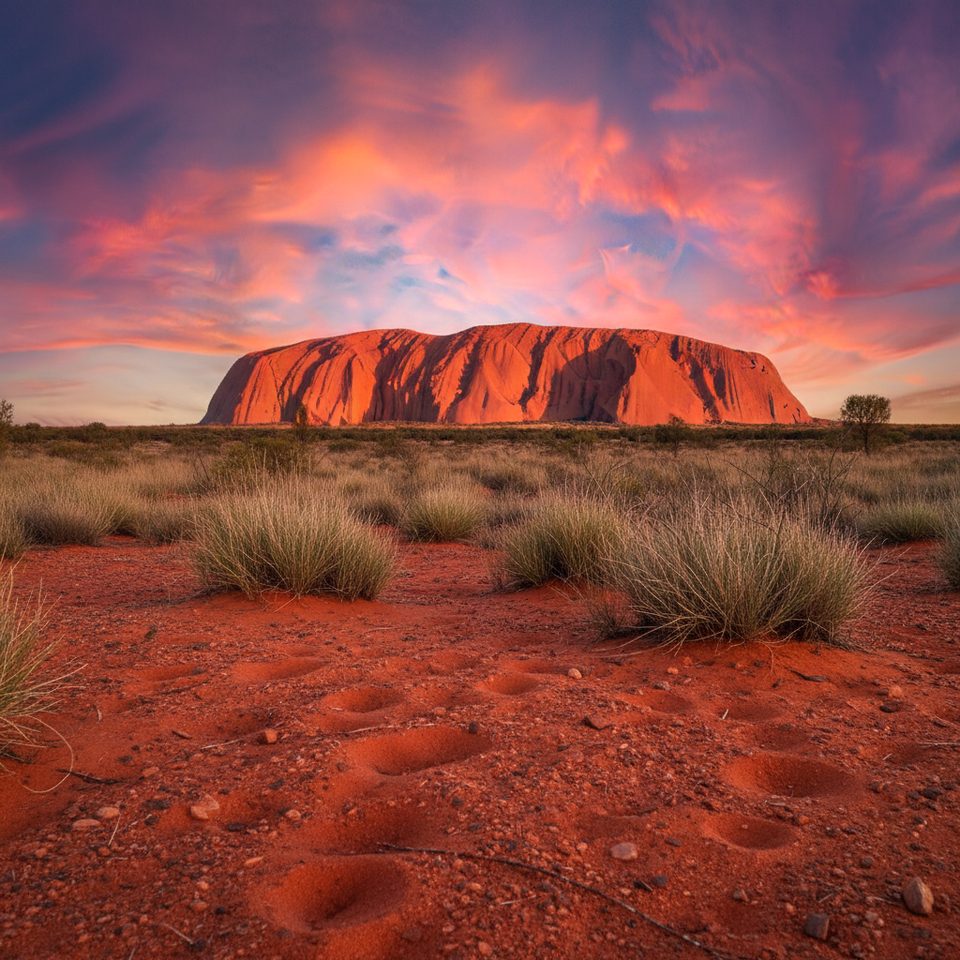
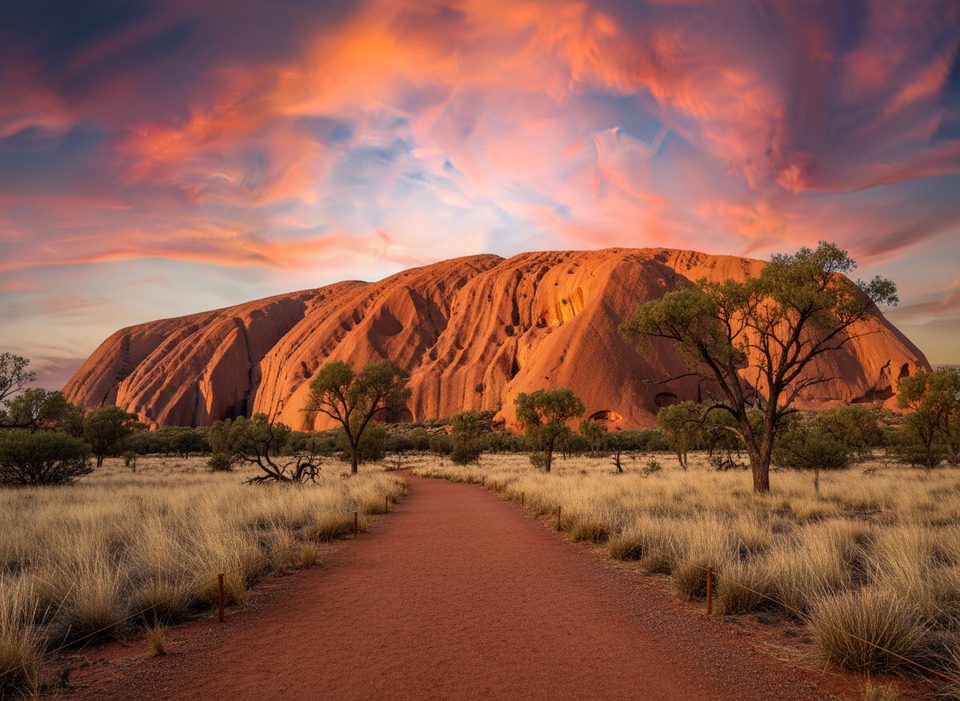
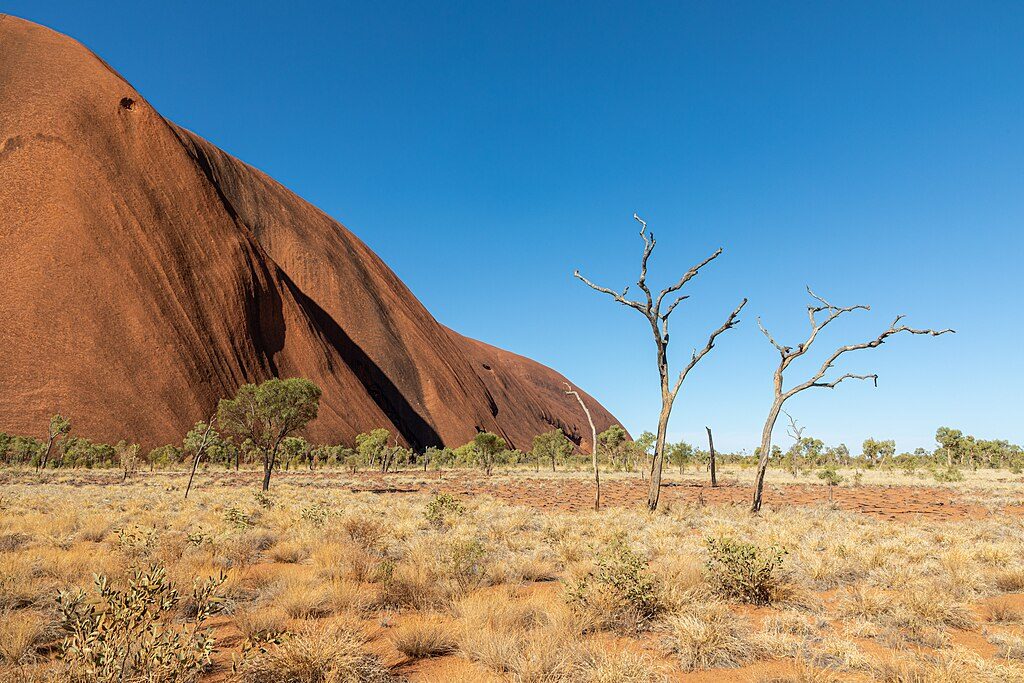
This is the park’s cars‑only sunset pullout: a long carpark with five viewing platforms and open sandy space that line up perfectly with Uluru. Buses use a separate area, so it stays relatively orderly even when it’s popular. The sun sets behind you, washing Uluru in pinks, orange and deep red; on some full‑moon evenings you can even watch the moon rise near the rock.
Expect the color show to keep improving after the sun dips—many visitors say the best hues appear in the 10–20 minutes after sunset. Views are unobstructed from most of the fence line, and there’s room to spread out if you arrive early.
Arrive 45–90 minutes before sunset to secure a front spot and enjoy the full progression into twilight. It’s liveliest during local school holidays, but there’s usually space the rest of the year. If you want elbow room, try this same area at dawn for a quiet silhouette and pastel skies.
Drive to the far end of the carpark and set up near the fence in the wide sandy area for the cleanest composition. Go wide and include Uluru as a whole out of respect for culturally sensitive features. Tripods are welcome; drones are not permitted anywhere in the park. Stay a little after sunset—the color deepens.
You need a Parks Pass to enter; buy it ahead and be ready to scan on each entry. Park hours vary by month (typically opening before sunrise and closing shortly after sunset). Roads are sealed and fine for 2WD. Mobile reception can be patchy. There are no facilities listed at this pullout—use restrooms elsewhere in the park before heading here. No camping in the park; services are in nearby Yulara.
Use the traditional names Uluru and Kata Tjuta, heed all signage, and stick to marked areas. Commercial or public photography requires a permit.
Dusk brings animals onto the move—drive cautiously. Don’t feed wildlife and secure food and rubbish. On hot months, flies can be persistent; a head net makes the wait more pleasant.
Water, sun protection, a light jacket in winter (it cools fast after sunset), a fly net in warm months, snacks, and a headlamp for the walk back to the car.
Place · 1.5 mi away
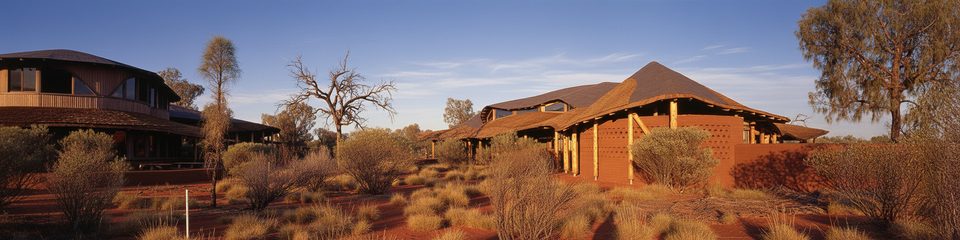
Place · 1.8 mi away
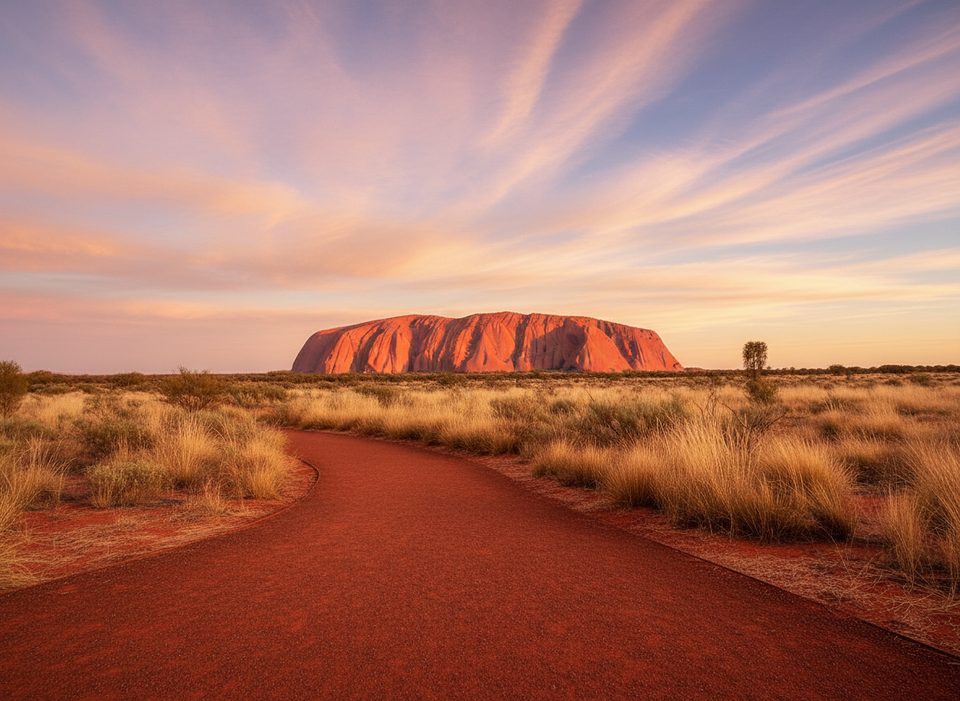
Place · 1.8 mi away
Place · 1.8 mi away
Moderate · 1.1 mi away
Easy · 1.1 mi away
Easy · 1.8 mi away
Easy · 2.1 mi away

Parkwolf Tour Guide
