
Place · 0.1 mi away
Easy
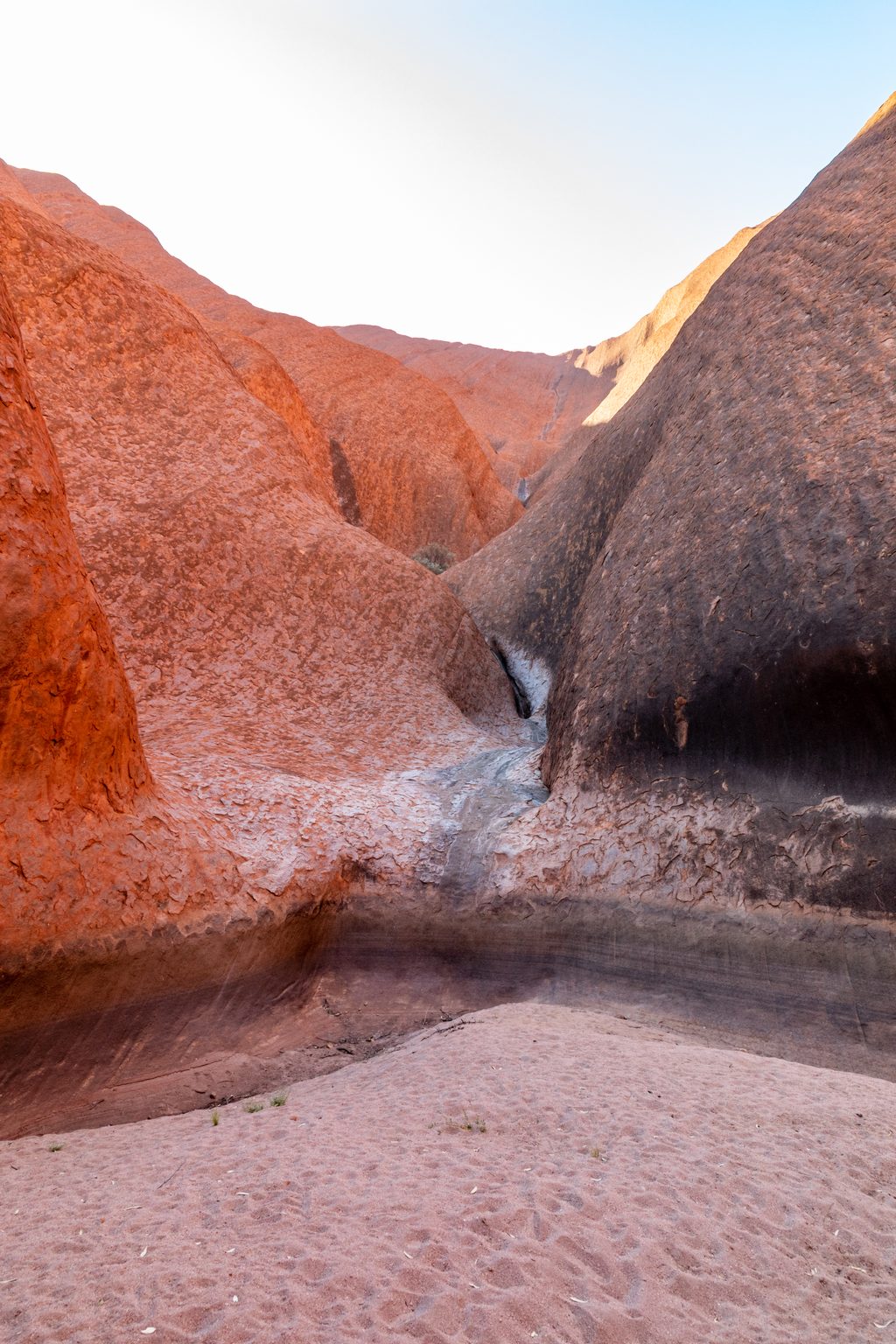
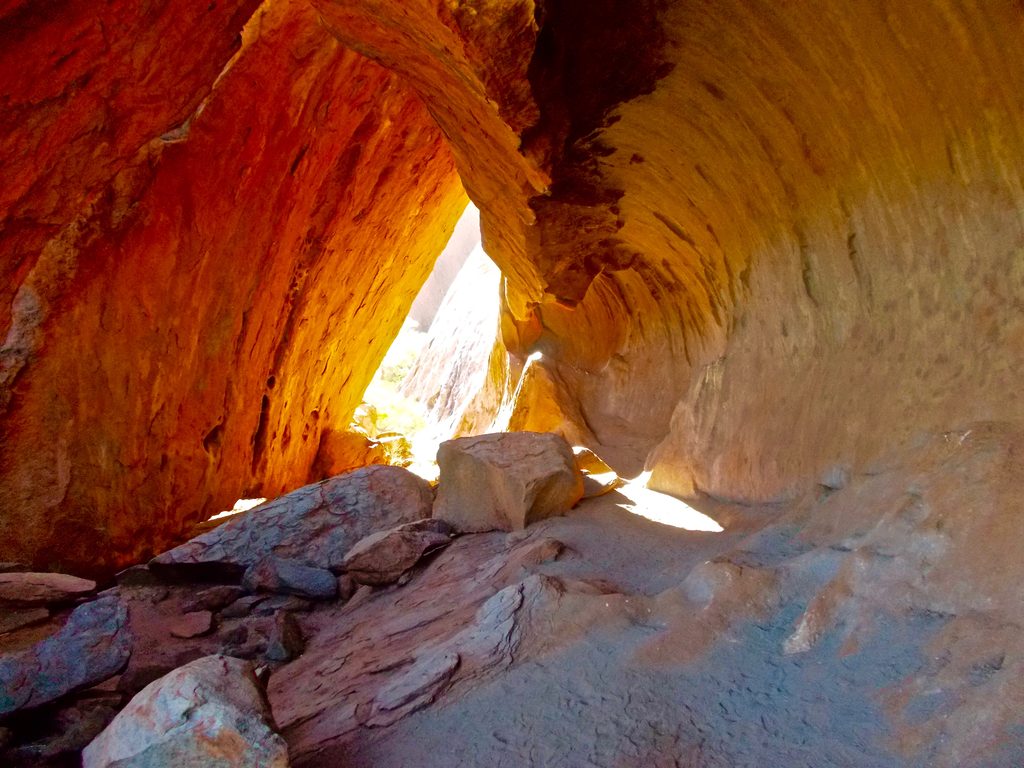
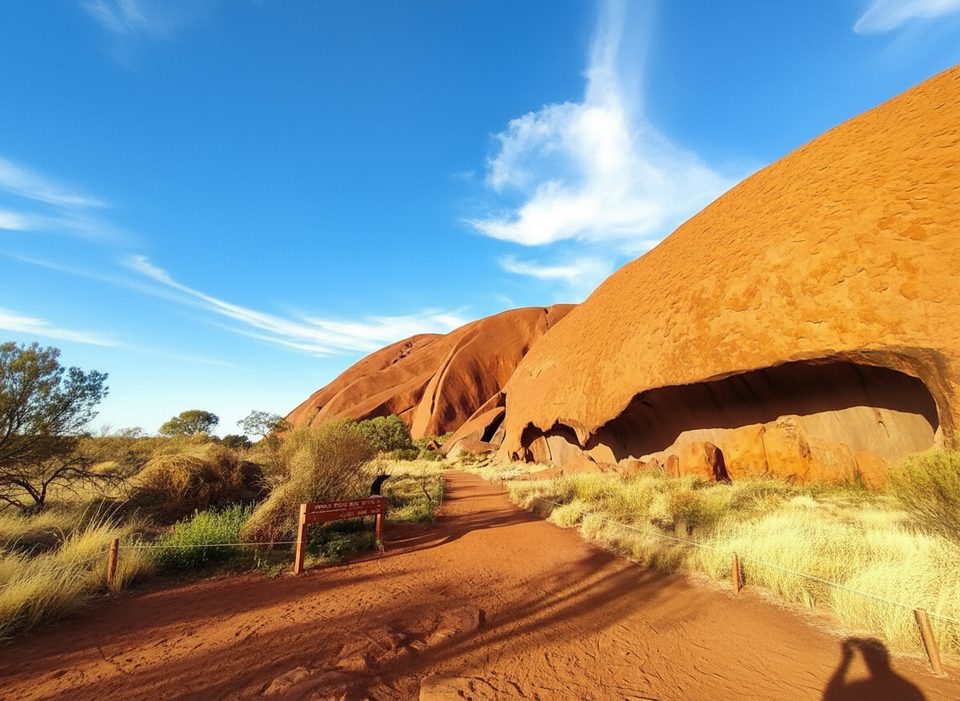
This is the park’s gentlest crowd-pleaser: a short, flat, Grade 1 path from Kuniya carpark to Mutitjulu Waterhole and back (1 km/0.6 mi total). Expect a well‑formed, wheelchair‑accessible track with interpretive signage and benches at the waterhole. It’s a living cultural landscape for the Anangu people, sharing the Kuniya (woma python) and Liru (brown snake) stories, and rock‑art caves here are still used—treat the area with respect and follow any on‑site guidance.
Mutitjulu is one of Uluru’s few permanent water sources, so it’s greener and quieter than you might expect. Watch for birdlife—finches, kestrels, and sometimes tawny frogmouths or buzzards—and keep an eye out for wallabies and seasonal bush foods like bush tomatoes and figs. After rain, ephemeral waterfalls sheet down the rock and the scene turns magical.
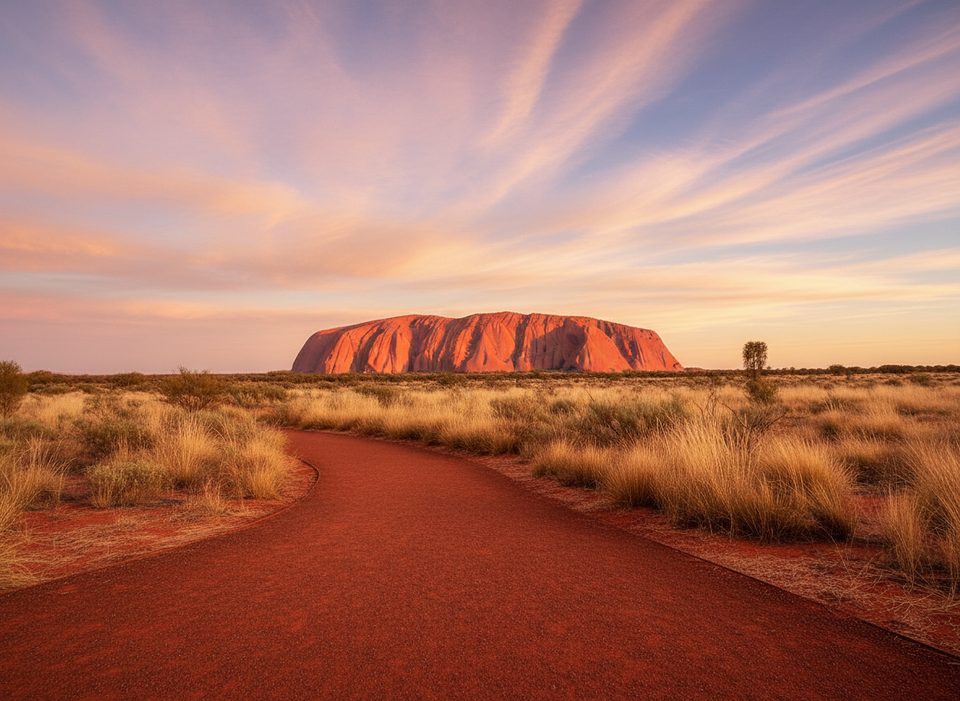
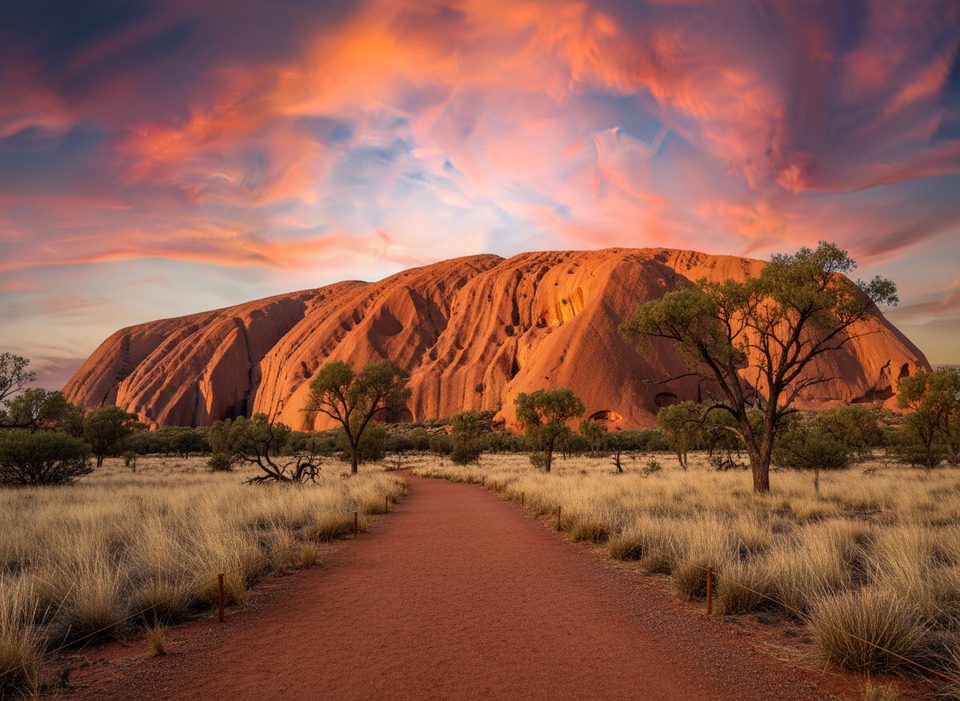
For photos, midday light hits the waterhole directly and often gives mirror‑like reflections. For comfort, go early or late for cooler temps and softer light. It can also be pleasantly quiet at sunrise, sunset, and even around lunchtime.
Start and finish at Kuniya carpark; there’s an emergency call device at the carpark. Bring water, sun protection, and—especially in warm months—a fly net; the flies here are persistent. Stay on the marked track and observe any “no photography” signs around culturally sensitive areas. A park pass is required to enter; typical published prices include about A$38 for a 3‑day adult pass and about A$50 for an adult annual pass.
Yes—this is a low‑effort, high‑reward walk that delivers culture, birdlife, and a tranquil oasis feel in under an hour. If you want to extend the outing, pair it with the nearby Mala Walk to Kantju Gorge or continue along the Lungkata section toward the base walk for a different perspective on Uluru’s walls.
Park at Kuniya carpark; the signed, out‑and‑back track begins here. An emergency call device is located at the carpark.
This is a living cultural landscape—stay on the marked track and observe any no‑photography signs. Bring water, sun protection, and consider a fly net; conditions change quickly after rain when waterfalls appear.
Place · 0.1 mi away
Place · 0.6 mi away
Place · 0.9 mi away
Place · 1.1 mi away
Moderate · 1 mi away
Easy · 1 mi away
Easy · 1.1 mi away
Easy · 2.2 mi away

Parkwolf Tour Guide
