
Place · 0.4 mi away
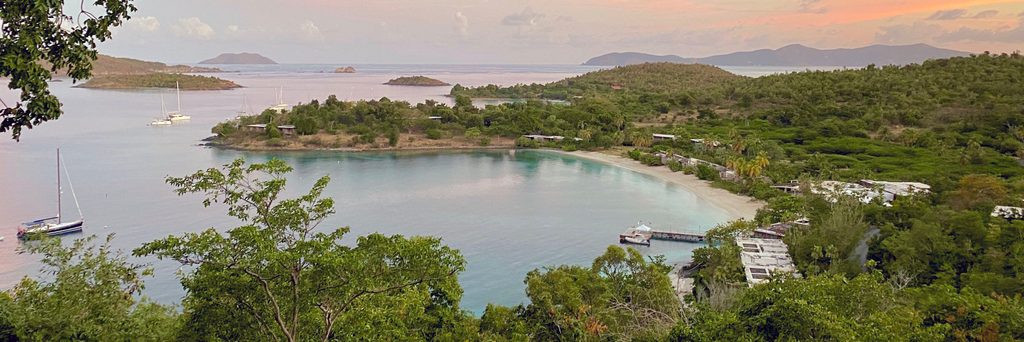
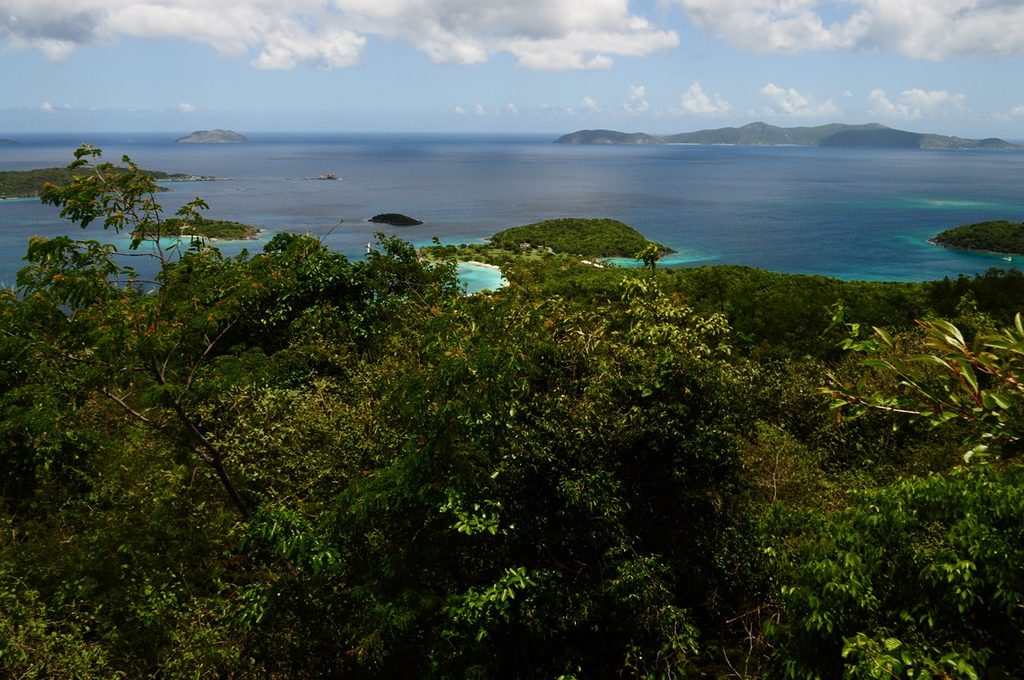
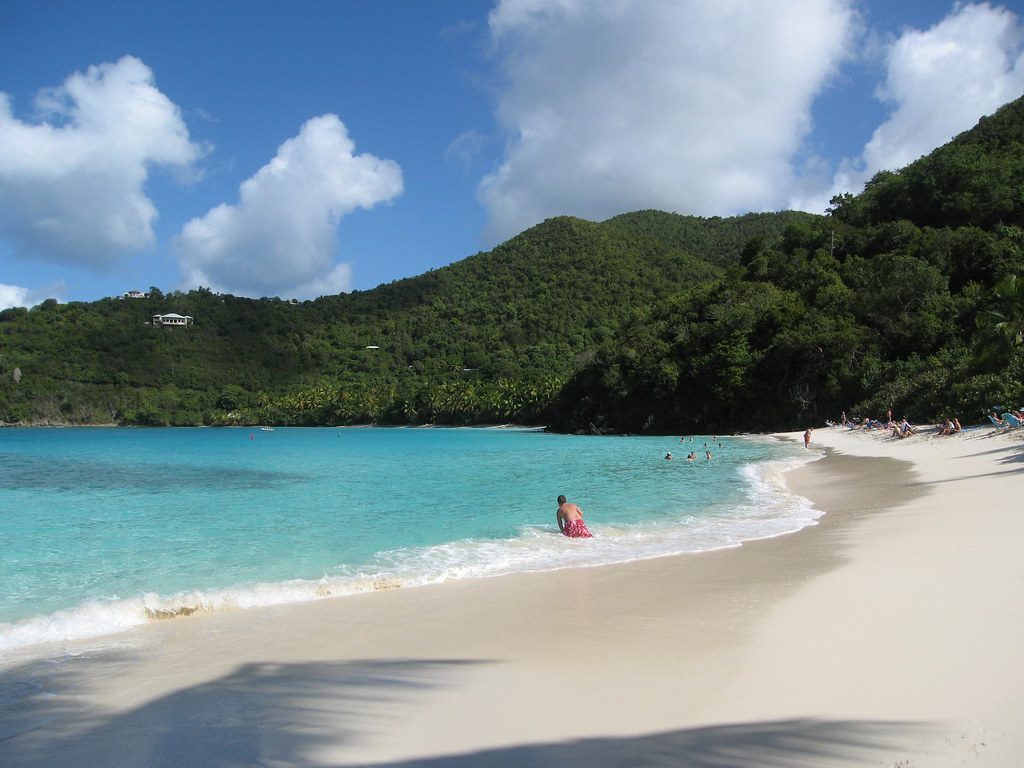
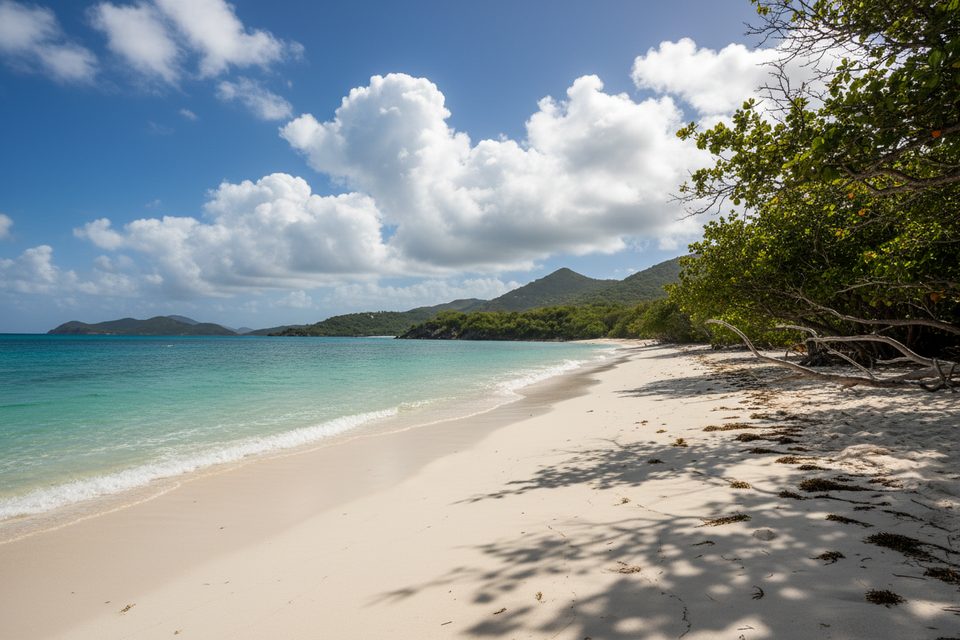
Caneel Bay is a gorgeous, multi-cove peninsula inside the park—think white-sand beaches, rocky headlands, and fringing reefs loaded with fish. It’s also complicated: the once-beloved resort was wrecked by the 2017 hurricanes and still hasn’t reopened. You’re here for the water and wildlife, not a resort experience.
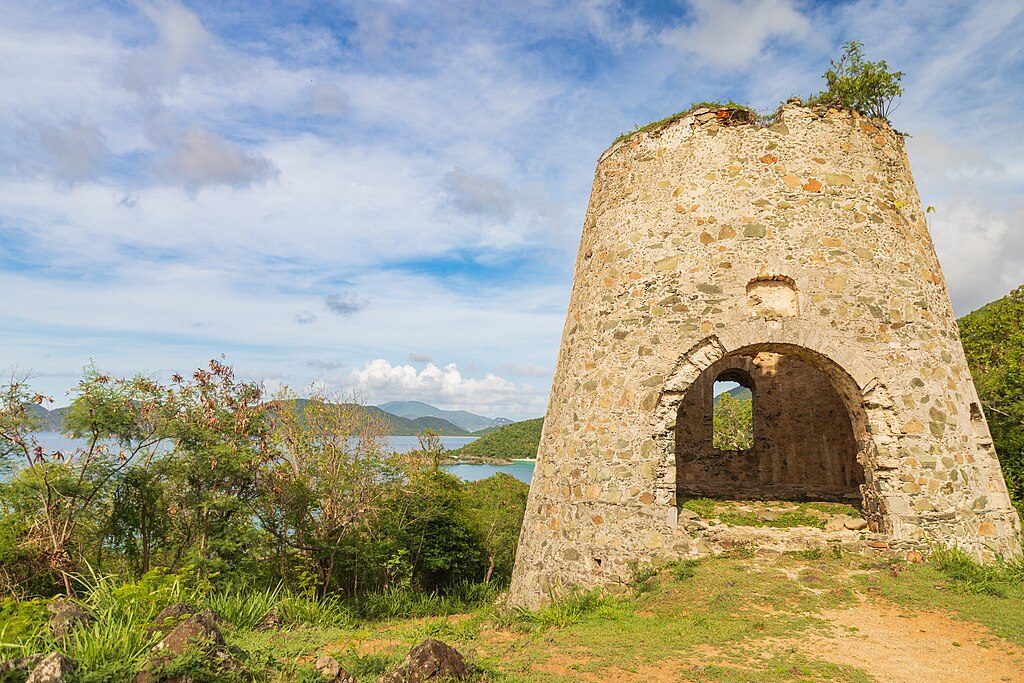
As of August 2024, Caneel Beach (one of the coves) is open for land-based public access from 7 AM to 5 PM via a paved pedestrian pathway from a public parking area. A viewing area for the Historic Durloo Plantation is also accessible. Other Caneel-area beaches—like Little Hawksnest, Turtle Bay, and Scott Bay—currently have no land access, though you can reach them by water at any time under territorial law.
Expect the broader property to look rough beyond the shoreline: visitors describe overgrown areas, potholes, and derelict structures. Don’t come looking for resort amenities here.
Snorkeling is the draw. Nearshore reefs host parrotfish, angelfish, damselfish, sea fans, urchins, and you’ll often spot sea turtles, stingrays, and the occasional eagle ray or barracuda cruising by. Many snorkelers arrive by boat to skip on-land hassles. Remember reef-safe sun protection—it’s better for the water you came to enjoy.
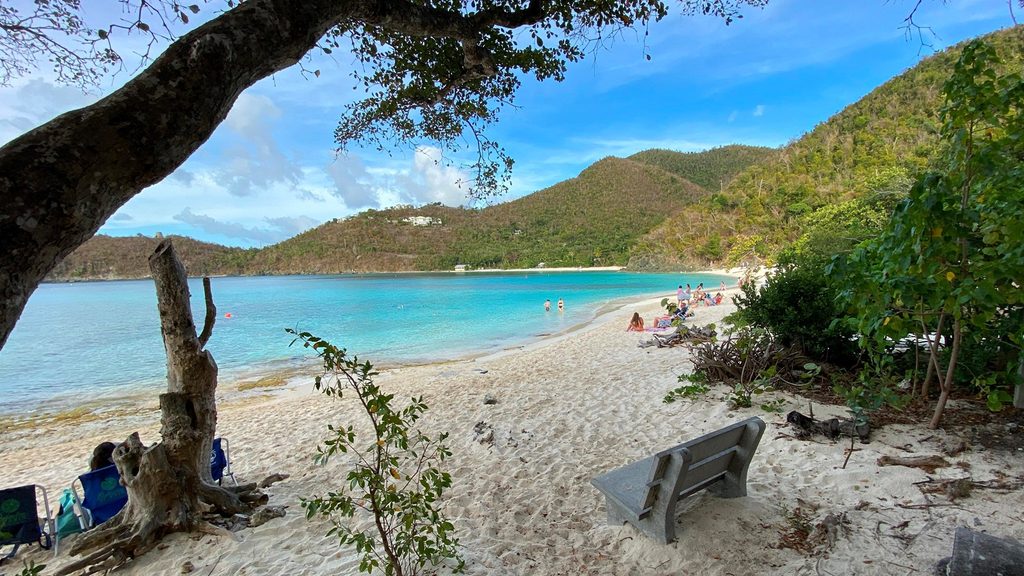
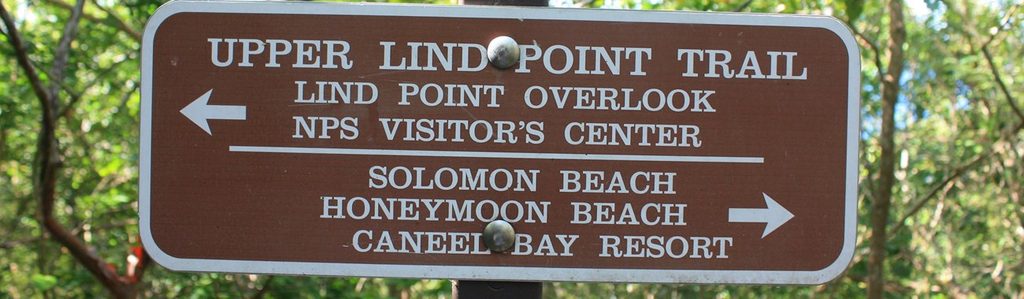
On-the-ground reports note changing entry/parking fees and paid shuttles or golf carts to reach certain spots (notably Honeymoon Beach), plus extra charges for chairs or cabanas. Services are limited and basic; don’t expect full bar-and-restaurant setups at Caneel Bay itself. That said, Honeymoon Beach within the Caneel area does have ongoing operations (food/drink and rentals) under a temporary authorization.
Years of legal and administrative wrangling followed the storms. Environmental assessments flagged contamination concerns (like DDT and other hazards) that must be addressed before any rebuild. The National Park Service has begun moving the process forward, including a formal search for an operator and a long-term lease concept to create a 21st‑century eco‑resort with limited, low-rise lodging. Timelines remain fluid; keep expectations grounded in the near term.
If you’re going by land, plan your Caneel Beach visit within the 7 AM–5 PM window. Arriving earlier in the day typically makes parking and logistics easier. For other coves in the bay, consider boat access to avoid variable on-land restrictions and fees.
Fly into St. Thomas (STT), ferry to Cruz Bay on St. John, then taxi or drive to the Caneel entrance. Many visitors base in Cruz Bay for food and supplies and make day trips along North Shore Road to beaches and trailheads.
Place · 0.4 mi away
Place · 0.4 mi away
Place · 0.5 mi away
Place · 0.6 mi away
Easy · 0.8 mi away
Easy · 0.8 mi away
Moderate · 0.9 mi away
Easy · 0.9 mi away

Parkwolf Tour Guide
