
Place · 0.7 mi away
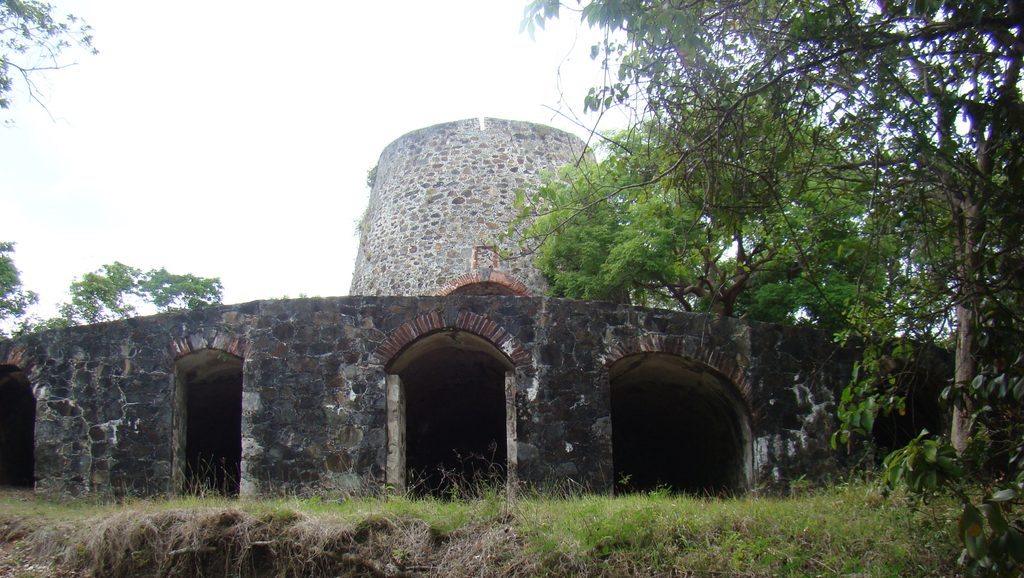
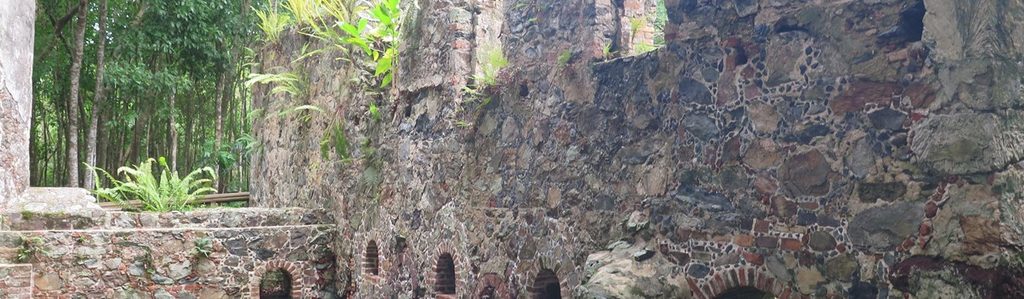
Catherineberg Sugar Mill Ruins are one of the island’s most evocative plantation sites—an 18th–19th century sugar and rum operation now protected within the park and listed on the National Register of Historic Places. The standout here is the massive stone windmill tower, an impressive survivor that instantly transports you into St. John’s sugar era.
This site isn’t just picturesque—it’s pivotal. In 1733, the Catherineberg farm served as the headquarters for the Amina warriors during the St. John slave rebellion, when enslaved Africans seized control of the island for months. The ruins also represent the broader arc of plantation life here, including later use for cattle grazing.
The ruins sit just off Centerline Road (Route 10). Turn north onto John Head Road (Route 206); a short, rough spur leads to a tiny parking area right beside the windmill. If the spur or spaces look dicey, park below and walk up. Most visits take 15–30 minutes.
Expect very limited signage and no restrooms. Surfaces can be uneven or slick after rain—watch your footing and avoid climbing on fragile walls. If you want deeper interpretation, pair this with a stop at Annaberg Plantation.
Come early morning for cooler temps, softer light, and fewer people. Midday, especially on weekends, tends to be busier. The site operates during daytime hours (typically around 8 am–7 pm), making golden-hour visits on weekdays another sweet spot.
Among St. John’s ruins, Catherineberg stands out for how intact and immersive the windmill feels. It’s an easy, meaningful stop that connects striking architecture with a hard, essential chapter of island history.
Place · 0.7 mi away

Place · 0.7 mi away
Place · 0.8 mi away

Place · 0.8 mi away
Moderate · 0.3 mi away
Moderate · 0.7 mi away
Easy · 0.8 mi away
Easy · 1.1 mi away

Parkwolf Tour Guide
