Cinnamon Bay Campground

Beachfront camping with cafe, rentals, and snorkeling to Cinnamon Cay
Cinnamon Bay Campground, Virgin Islands National Park
InsideVirgin Islands National Park

Overview

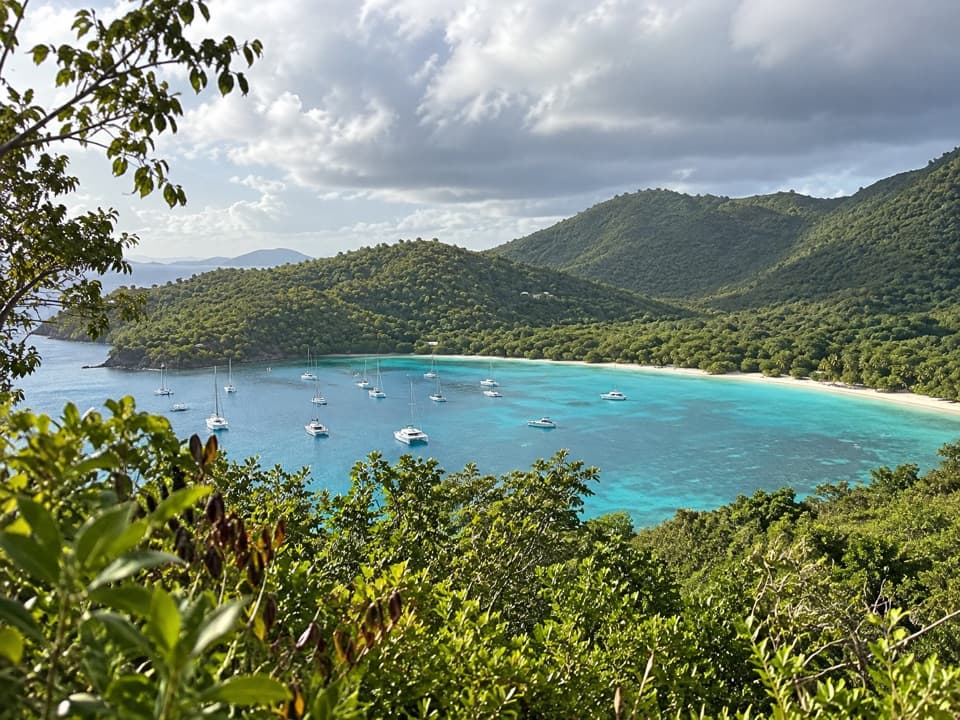
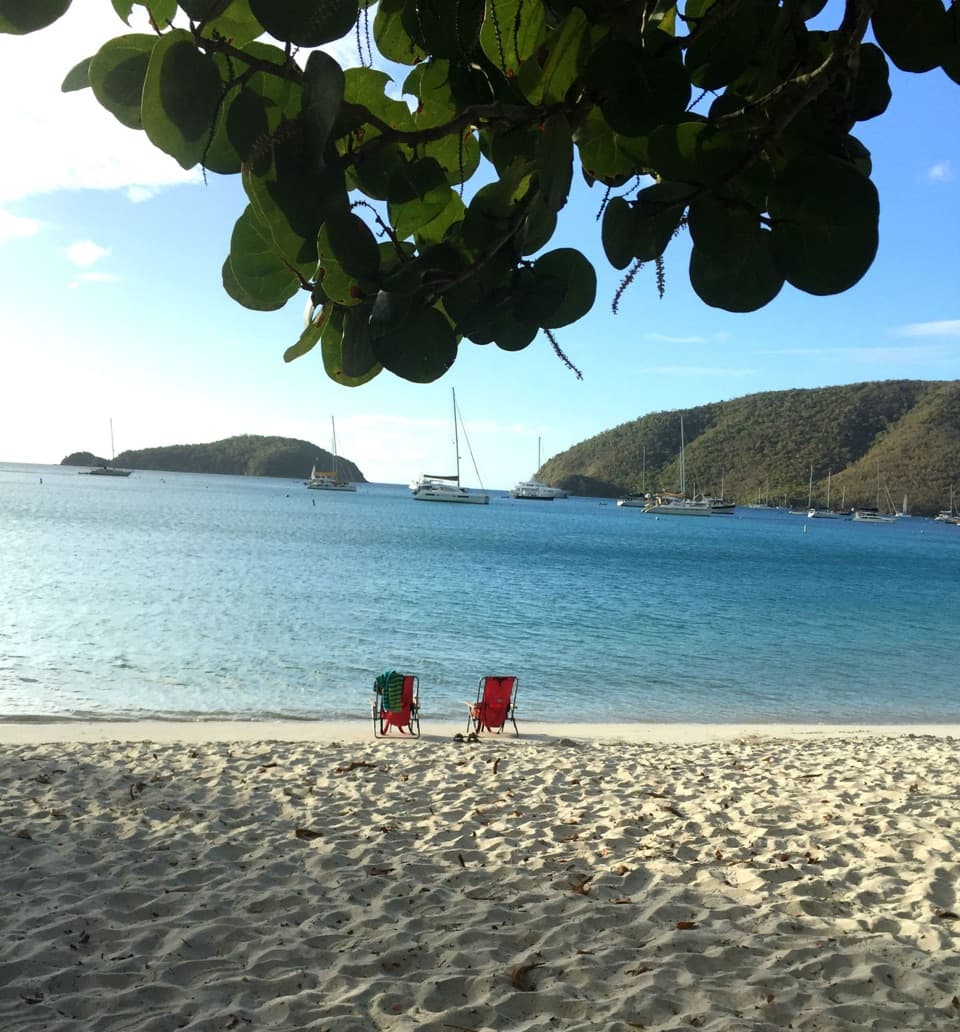
Cinnamon Bay Campground is the park’s classic stay-if-you-love-the-beach choice—set right behind St. John’s longest strip of white sand. It reopened after hurricane recovery and keeps things simple on purpose: trade luxury for location and wake to waves and tree frogs.

Where You’ll Sleep

You’ve got options: bare sites (bring your own kit or rent theirs), eco‑tents (including family layouts), group tents, and simple cottages. Expect ceiling fans but no air‑conditioning, and shared bathhouses instead of in‑unit bathrooms. Sites typically include a picnic table and grill; many units come with linens and a cooking kit, and cottages add a mini‑fridge. It’s basic, but the bathhouses are kept clean and close enough for a quick rinse.

Food, Drinks, and Supplies

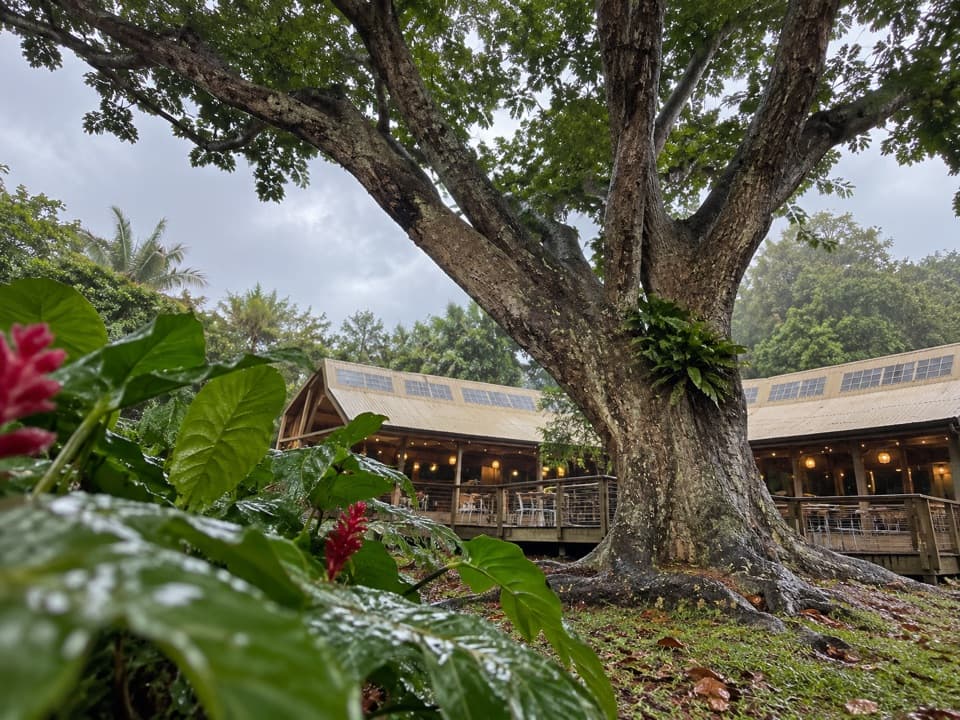
There’s an on‑site cafe serving breakfast and dinners (theme nights pop up), plus a lunch option via a food truck. A small general store stocks essentials, though it’s cheaper to stock up in Cruz Bay. Handy touches like water refill stations and gear carts help camp life go smoothly.

Beach & Things To Do

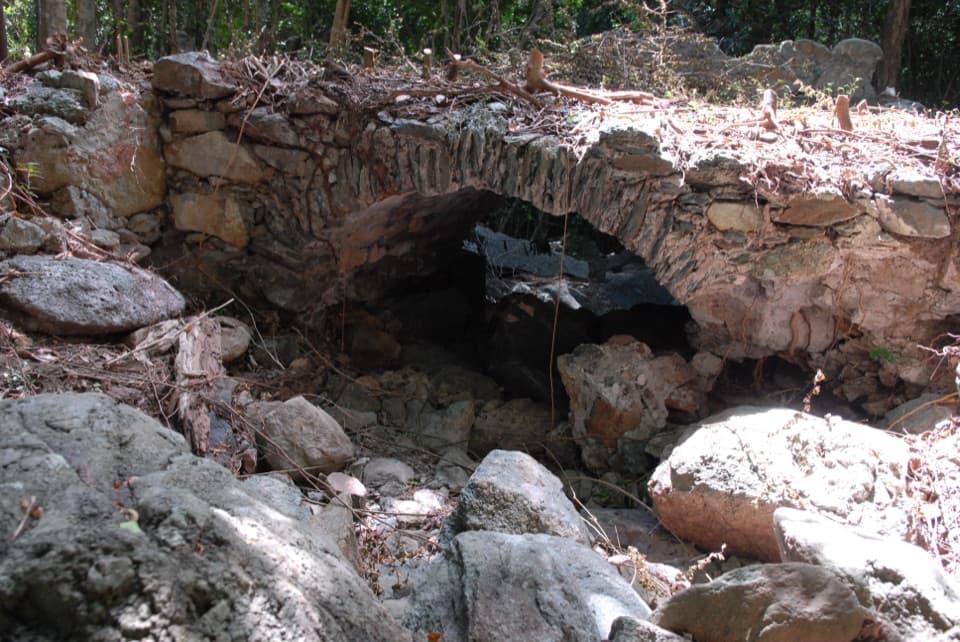
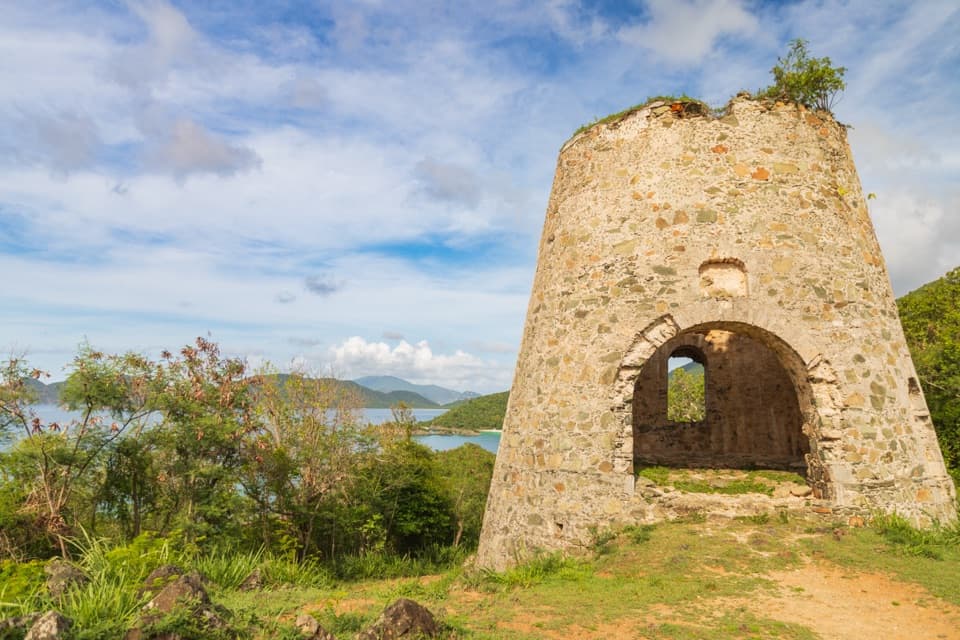
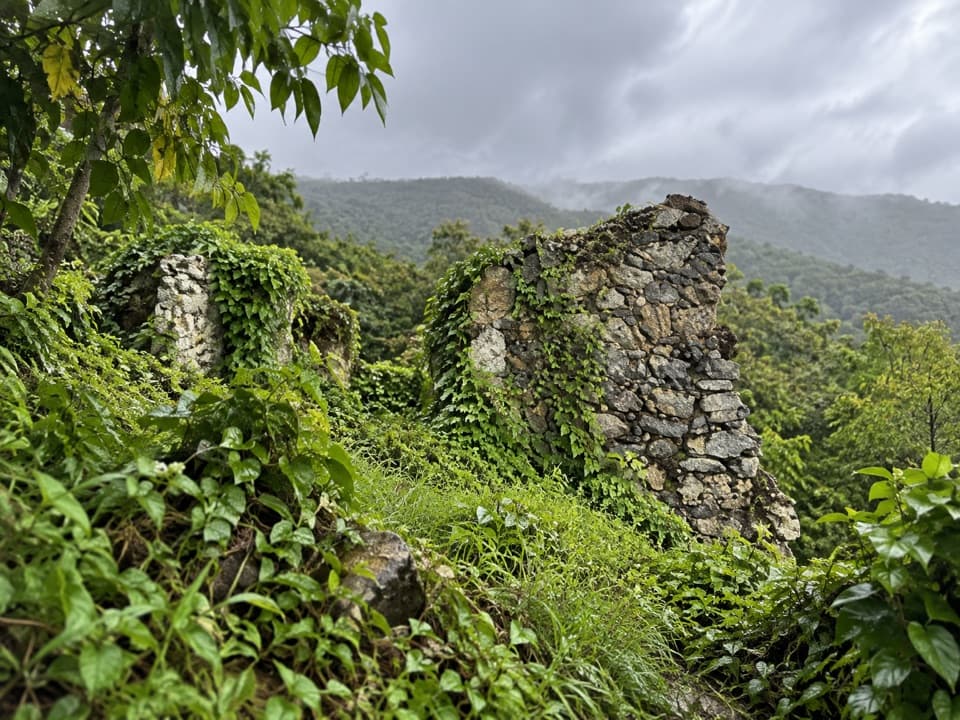
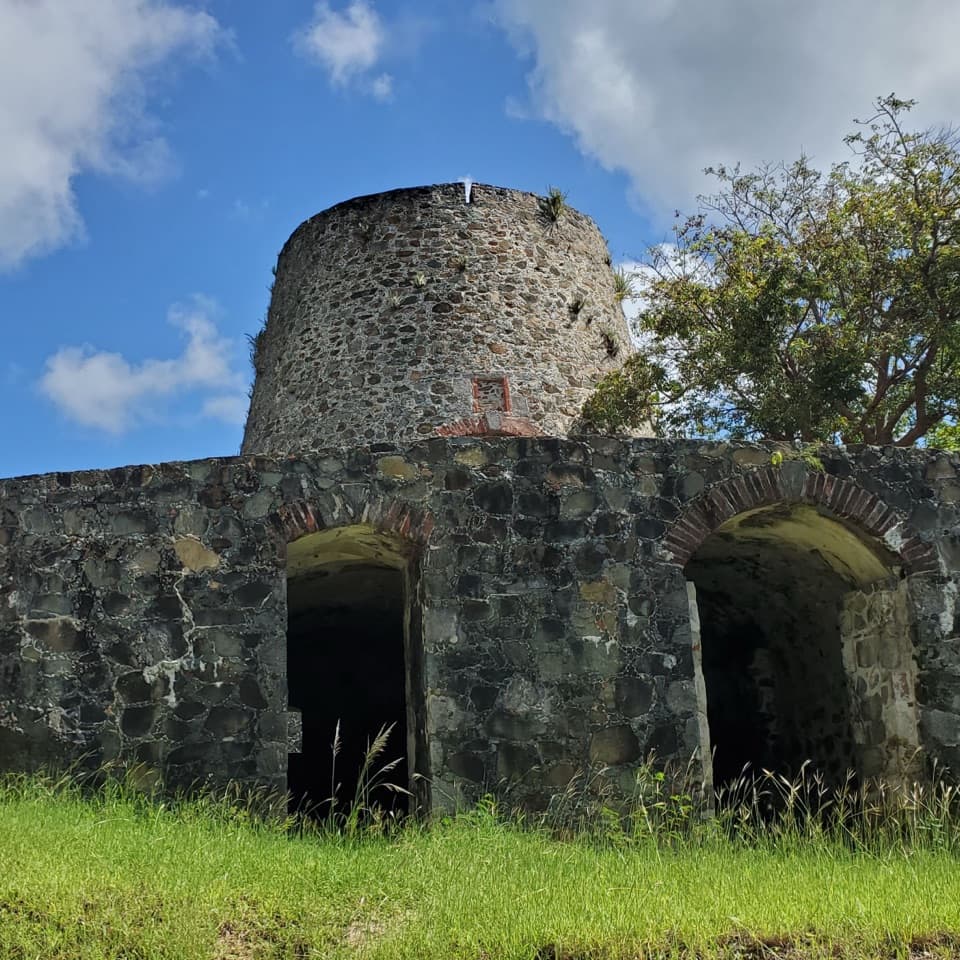
This is a long, gently sloping beach with plenty of shade and clear water—easy swimming and great for families. Snorkel from shore toward Cinnamon Cay for coral, fish, rays, and the occasional turtle. You can rent chairs, snorkel sets, kayaks, and SUPs right here. Into more than beach time? Expect offerings like yoga, art classes, and guided hikes through the campground, and wander the nearby sugar plantation ruins across the road on the nature loop.

Wildlife

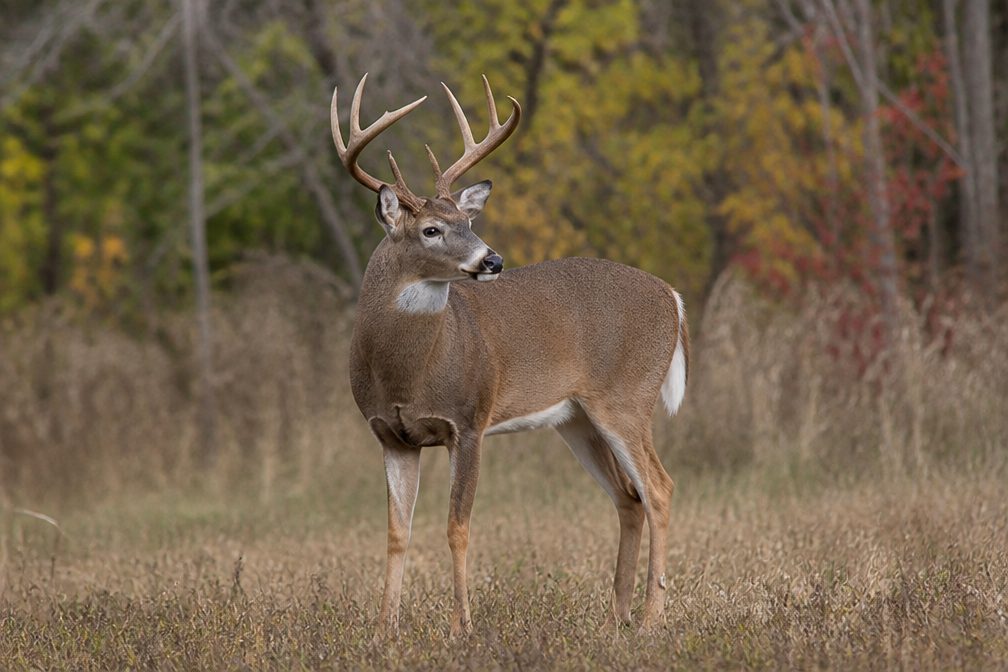
You’ll share the grounds with iguanas, deer, mongooses, crabs, birds—and the usual island bugs. No‑see‑ums are sneaky; bites often itch a day or two later. Bring repellent and you’ll be fine.

Practicalities

  • Day‑use facilities have restrooms but generally no showers; overnight guests use the campground bathhouses (simple, unheated).
  • Parking fills—arrive early if you’re driving. Open‑air taxis run the North Shore, but they can be hit‑or‑miss late in the day and add up in cost if you’re beach‑hopping.
  • The on‑site store is convenient but pricey; stock up in town.
  • Expect true camping conditions: heat, humidity, and critters are part of the deal. If that’s not your vibe, book elsewhere on the island.

Best Time to Visit

For day use, aim for early morning to snag parking and calm water; light is soft for photos and the bay is quiet. Midday brings the crowds. By late afternoon (after ~3 pm), many day‑trippers peel off and the beach breathes again. Overnight guests get the best hours—early and late—when the beach feels nearly private.

Pros

  • Steps-from-the-sand camping on a long, shady beach
  • On-site cafe, store, and rentals for snorkel gear, SUPs, and kayaks
  • Clean shared bathhouses and practical camping kits

Cons

  • No AC and no in-unit bathrooms; shared bathhouses only
  • Bugs and no-see-ums are a fact of life

Tips

  • Arrive early for parking; the lot fills by late morning.
  • Stock up on groceries in Cruz Bay to avoid higher on-site prices.
  • Pack strong bug repellent and apply before dusk to beat no-see-ums.
  • Bring a headlamp for nighttime walks to the bathhouse.
  • Verify unit details (amenities, layout) before booking; there’s no AC or in‑unit plumbing.
The Parkwolf tour guide sitting on a phone mounted in a car

Parkwolf Tour Guide

Like a tour guide in your car.

Save the places you found around Virgin Islands, then let Parkwolf guide the drive between them.Download Parkwolf on the App Store